 English
 中文简体
中文简体Content
What Is a Brake Shoe?
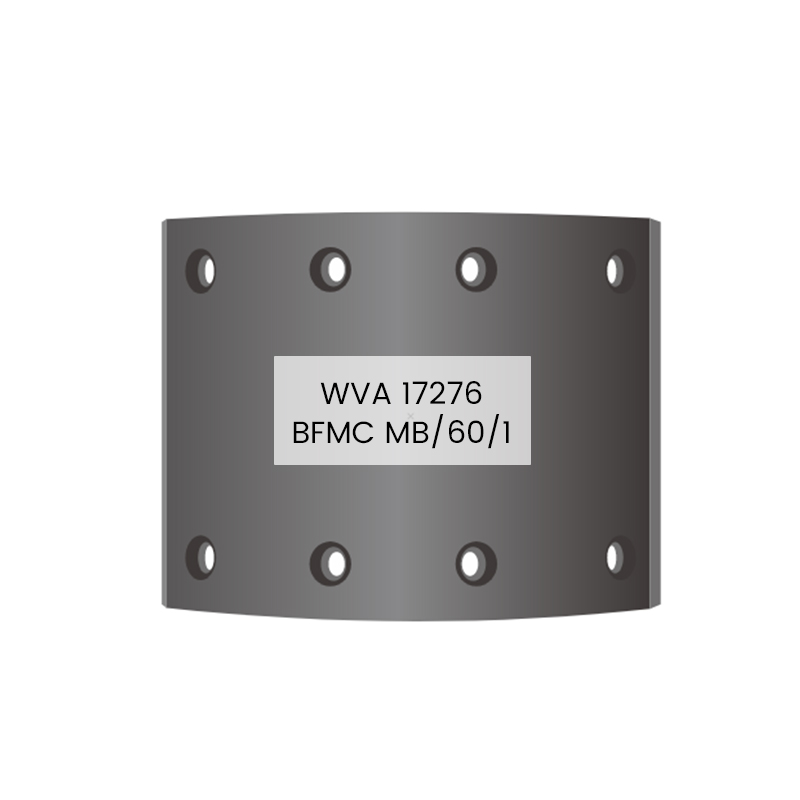
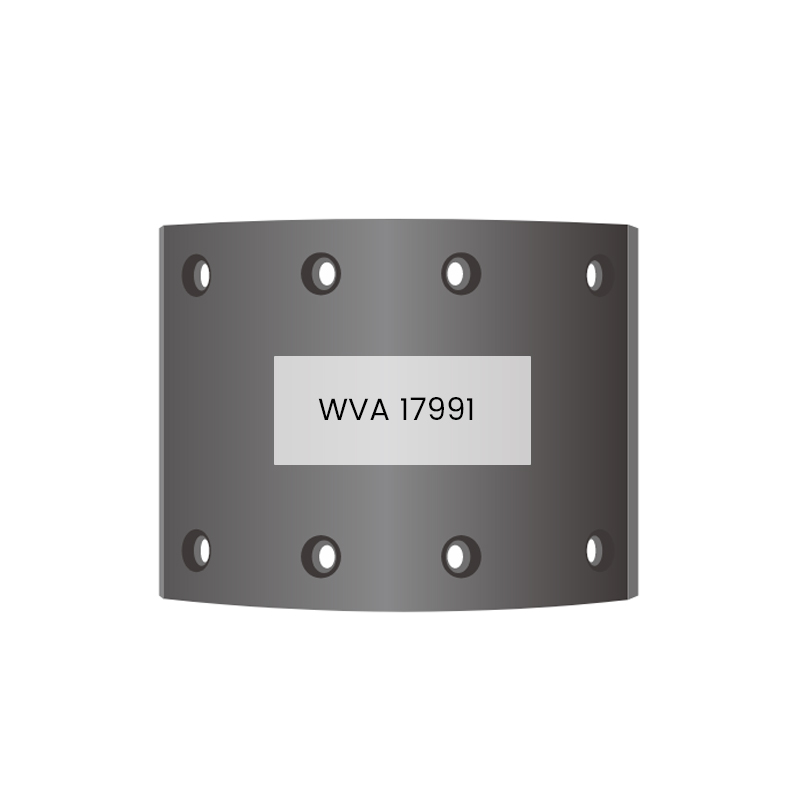
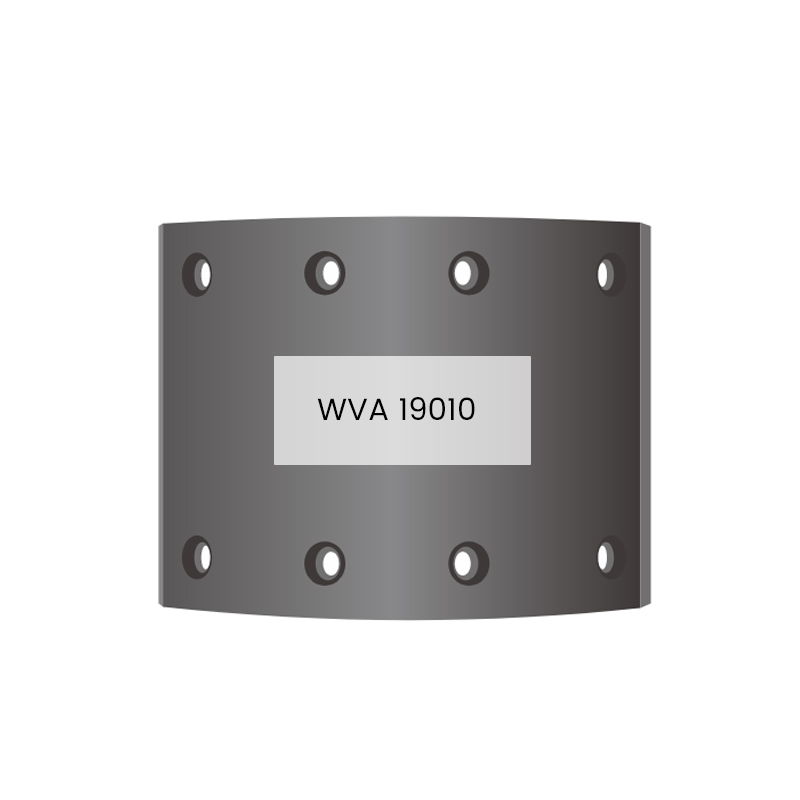
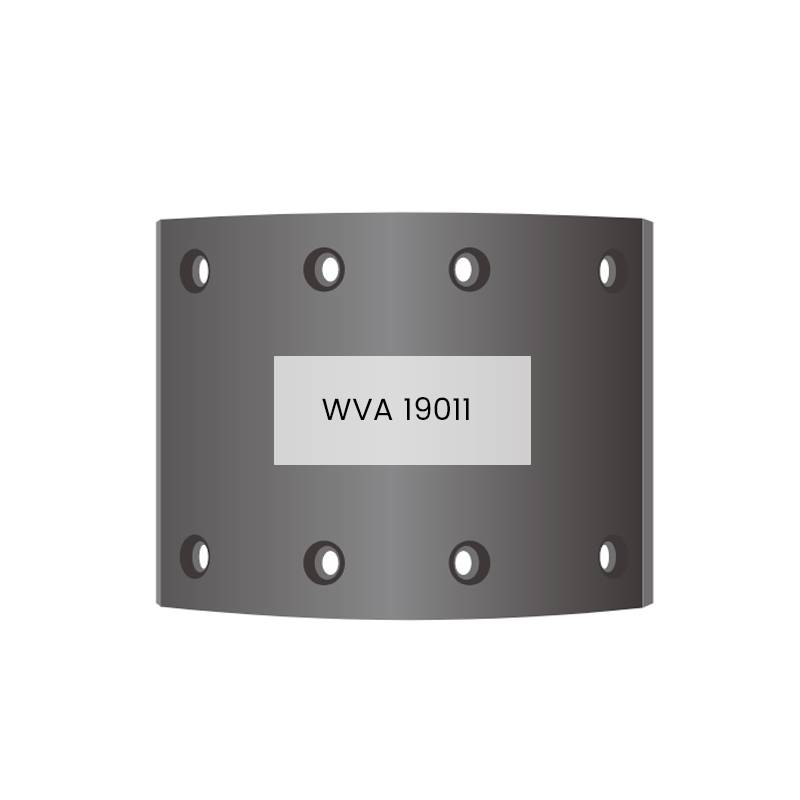
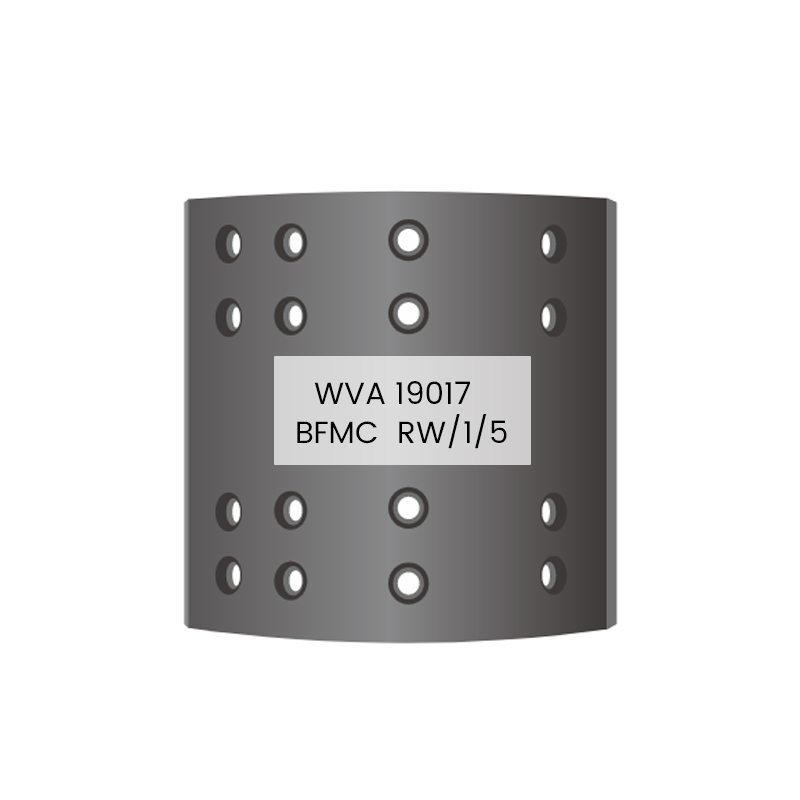
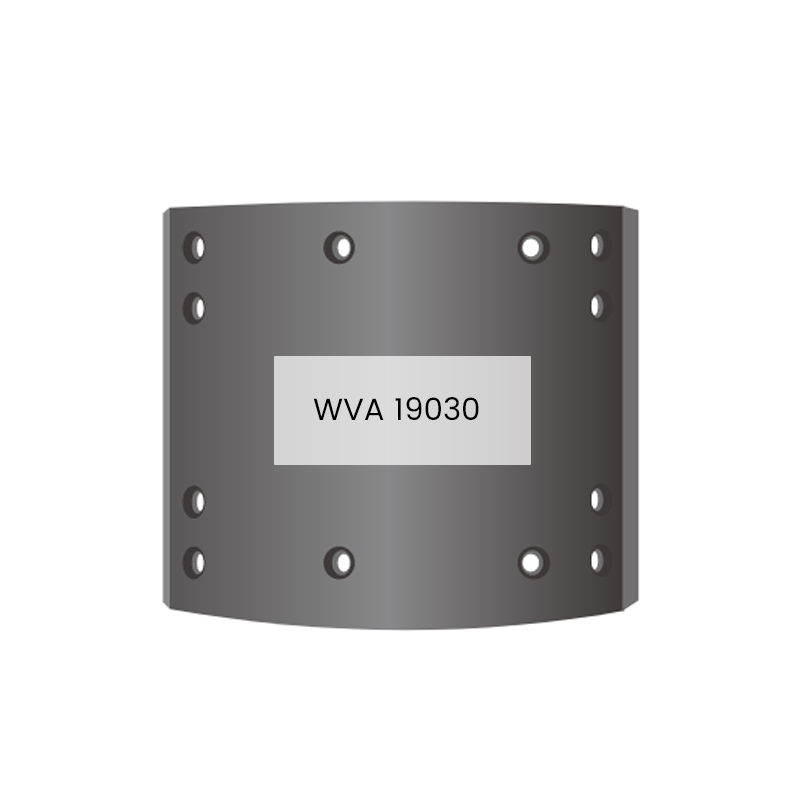
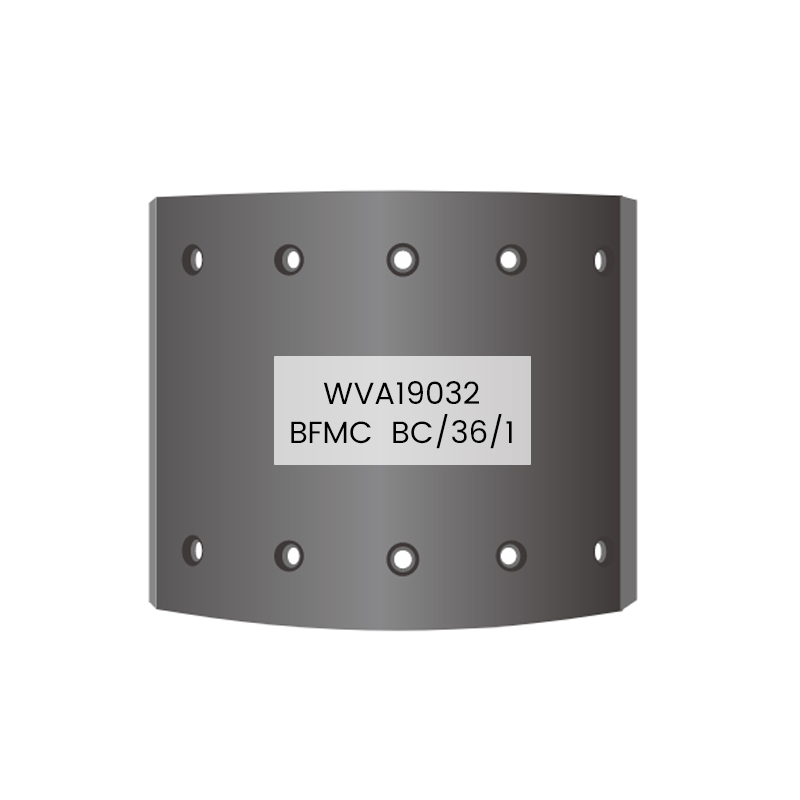
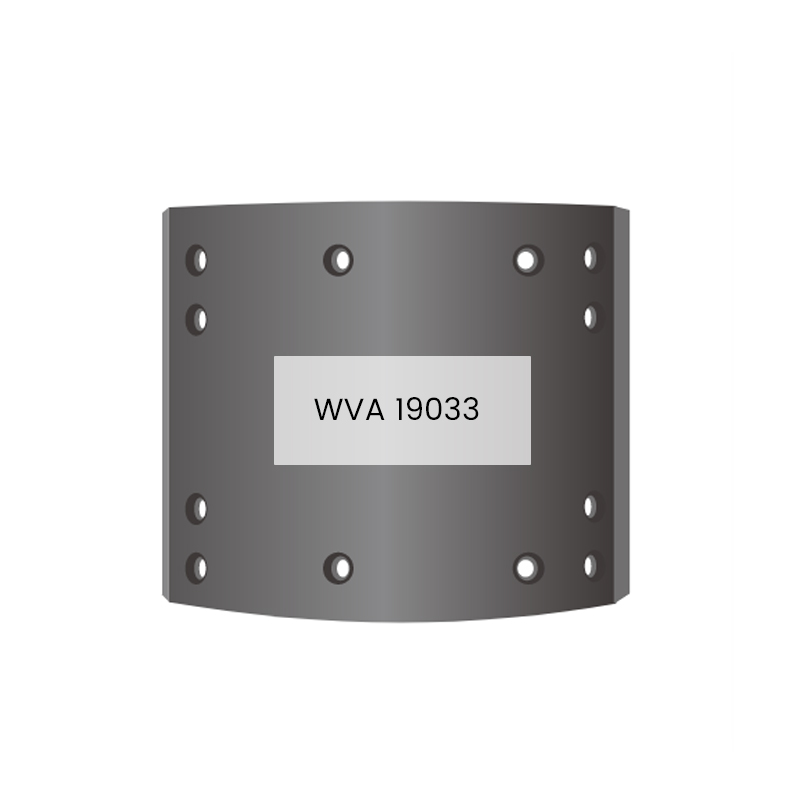
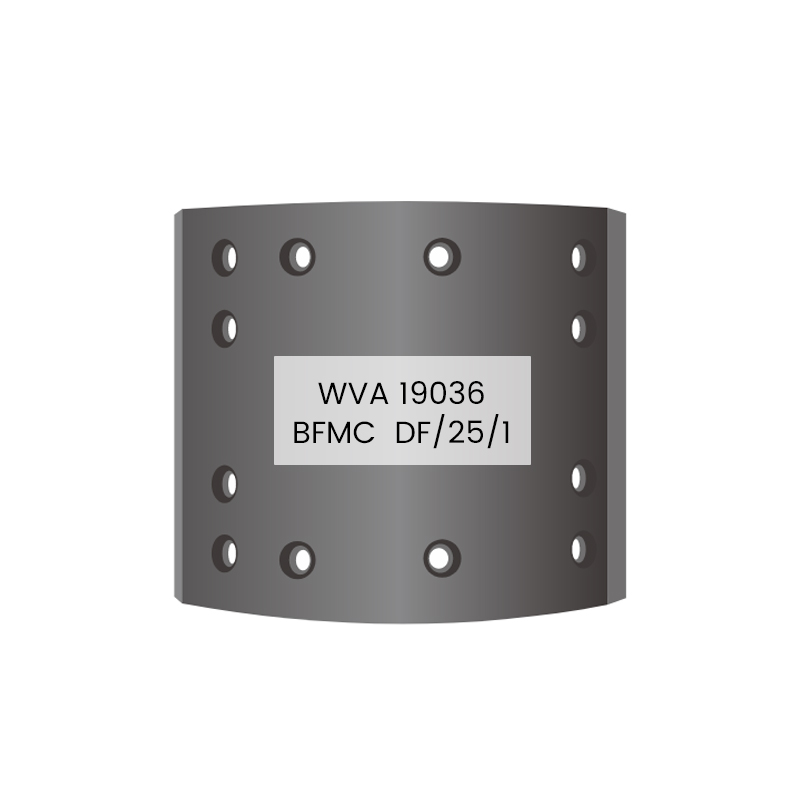
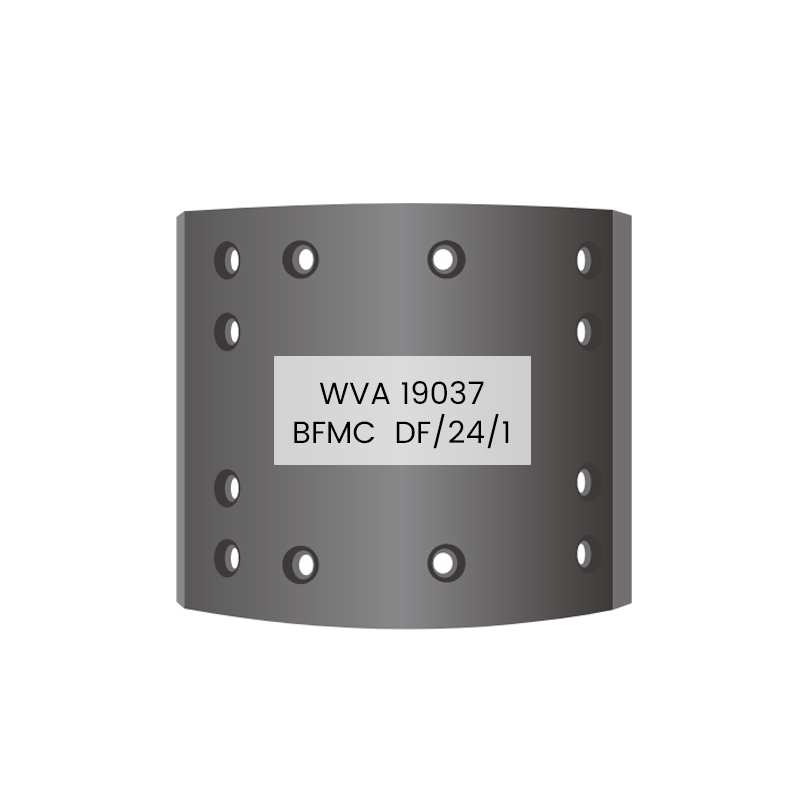
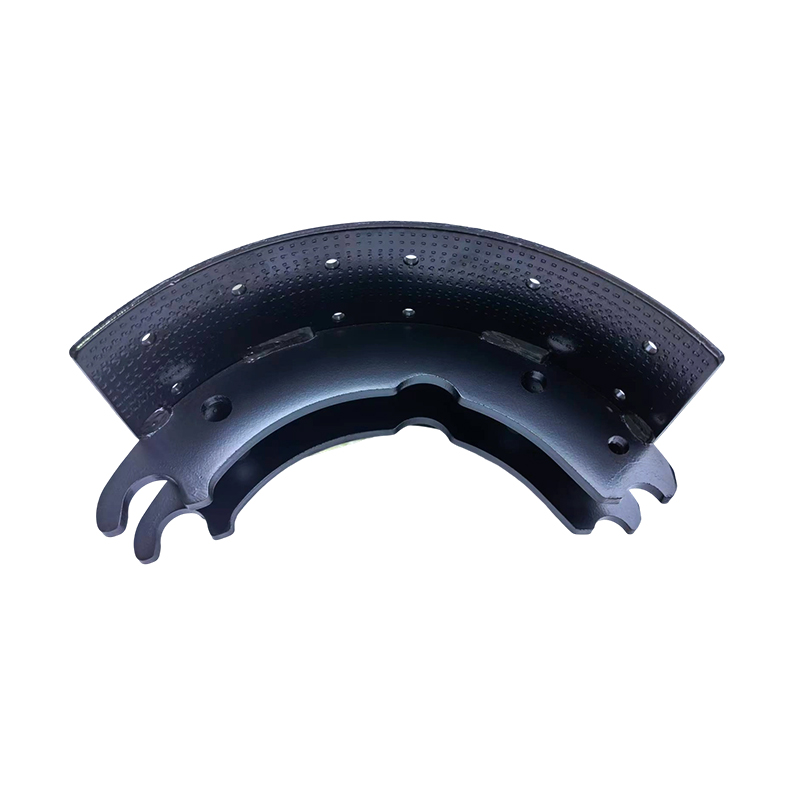
A Brake Shoe is a key component in drum brake systems, designed to press outward against the inner surface of a rotating brake drum to create friction and slow down or stop a vehicle. It is typically made of a curved metal platform with a friction lining attached to its surface.
Brake shoes are commonly used in rear braking systems of passenger cars, as well as in trucks, motorcycles, and industrial vehicles. They are valued for their durability, simplicity, and effectiveness in certain applications such as parking brakes.
How Brake Shoes Work in a Drum Brake System
When the brake pedal is pressed, hydraulic or mechanical force pushes the brake shoes outward so that the friction lining contacts the inner drum surface. This friction converts kinetic energy into heat, slowing the rotation of the wheel.
Once the brake pedal is released, return springs pull the brake shoes back to their original position, allowing the wheel to rotate freely again.
Main Types of Brake Shoes
Different types of brake shoes are designed for specific braking systems and performance requirements.
Leading and Trailing Brake Shoes
These are standard in many drum brake systems, where one shoe leads and the other trails during rotation, balancing braking efficiency and wear.
Parking Brake Shoes
Used specifically for parking brake systems, these brake shoes hold the vehicle stationary when parked, even on inclines.
Heavy-Duty Brake Shoes
Designed for trucks and commercial vehicles, these brake shoes offer higher load capacity and improved heat resistance for demanding applications.
Materials Used in Brake Shoe Linings
The performance of a Brake Shoe largely depends on the friction material used in its lining.
| Material Type | Features | Best Use |
| Organic | Quiet, smooth braking | Light vehicles |
| Semi-Metallic | Durable, good heat resistance | General use |
| Ceramic | Low dust, stable performance | High-end vehicles |
Selecting the right material ensures optimal braking performance, reduced wear, and longer service life.
Signs Your Brake Shoes Need Replacement
Worn brake shoes can compromise safety, so recognizing warning signs is essential.
- Reduced braking efficiency or longer stopping distance
- Squeaking or grinding noise from rear wheels
- Weak or ineffective parking brake
- Vibration or uneven braking
- Visible wear of brake lining during inspection
Timely replacement of brake shoes ensures consistent braking performance and prevents damage to other components.
How to Choose the Right Brake Shoe
Selecting the right Brake Shoe involves several practical considerations to ensure safety and compatibility.
- Match the brake shoe size and design with your vehicle model
- Choose suitable friction material based on usage conditions
- Check for high-quality bonding between lining and shoe
- Ensure heat resistance for heavy or frequent braking
- Select trusted manufacturers or certified suppliers
A well-chosen brake shoe improves braking reliability and reduces long-term maintenance costs.
Installation and Maintenance Tips
Proper installation and maintenance are essential for maximizing the performance of brake shoes.
- Replace brake shoes in pairs for balanced braking
- Inspect brake drums for wear or damage
- Ensure proper adjustment for optimal contact
- Clean components to prevent dust buildup
Following these practices helps maintain consistent braking performance and extends component life.
Final Thoughts on Brake Shoe
The Brake Shoe remains a reliable and widely used braking component, especially in drum brake systems. Its role in ensuring safe stopping and effective parking cannot be overlooked.
By understanding its function, materials, and maintenance needs, you can make informed decisions and ensure your vehicle’s braking system performs safely and efficiently.