 English
 中文简体
中文简体Content
Understanding the Role of Automobile Brake Lining
The automobile brake lining is the critical friction material attached to the brake shoes or pads that allows a vehicle to stop. When you press the brake pedal, this lining is pressed against a rotating drum or disc. The resulting friction converts the kinetic energy of the moving vehicle into thermal energy (heat), effectively slowing or stopping the car. Because it is the primary "sacrificial" component in the braking system, the lining is designed to wear down slowly over time while protecting more expensive metal components like the brake drums or rotors. High-quality linings must be able to withstand extreme temperatures without "fading," which is the loss of stopping power due to excessive heat buildup.
Composition and Friction Materials
Modern braking systems use a variety of sophisticated materials to ensure safety and longevity. Historically, asbestos was a common ingredient due to its heat resistance, but it has since been replaced by safer, more advanced alternatives. Today’s automobile brake lining is typically made from semi-metallic compounds, ceramic fibers, or organic materials. Semi-metallic linings offer excellent heat dissipation and are great for heavy-duty use, while ceramic options are favored for their quiet operation and low dust production. Organic linings, often made from resins and glass fibers, provide a softer "pedal feel" but may wear out faster under aggressive driving conditions.
Different Types of Braking Systems and Their Linings
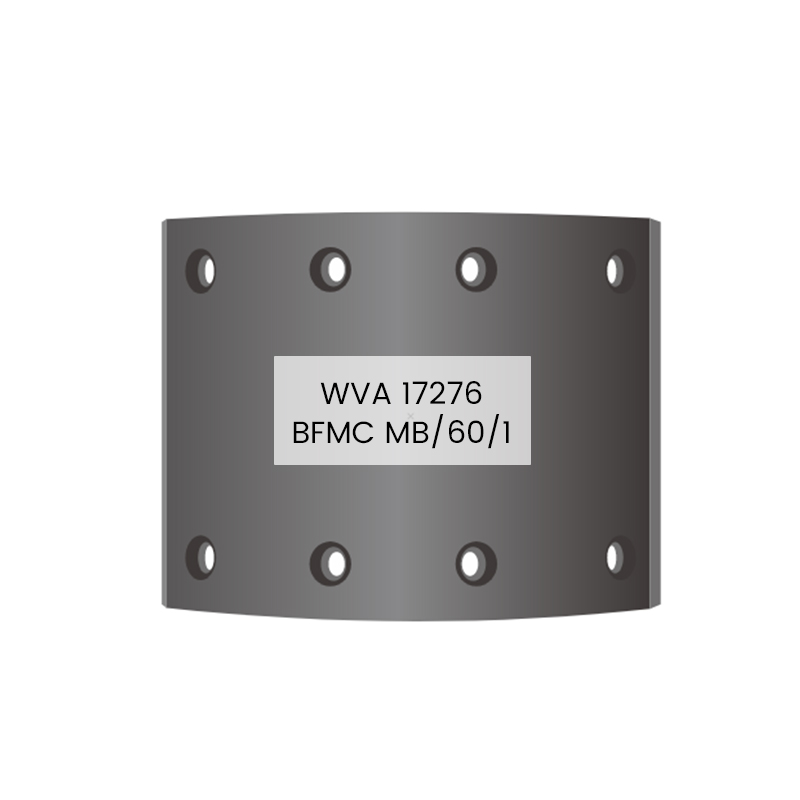
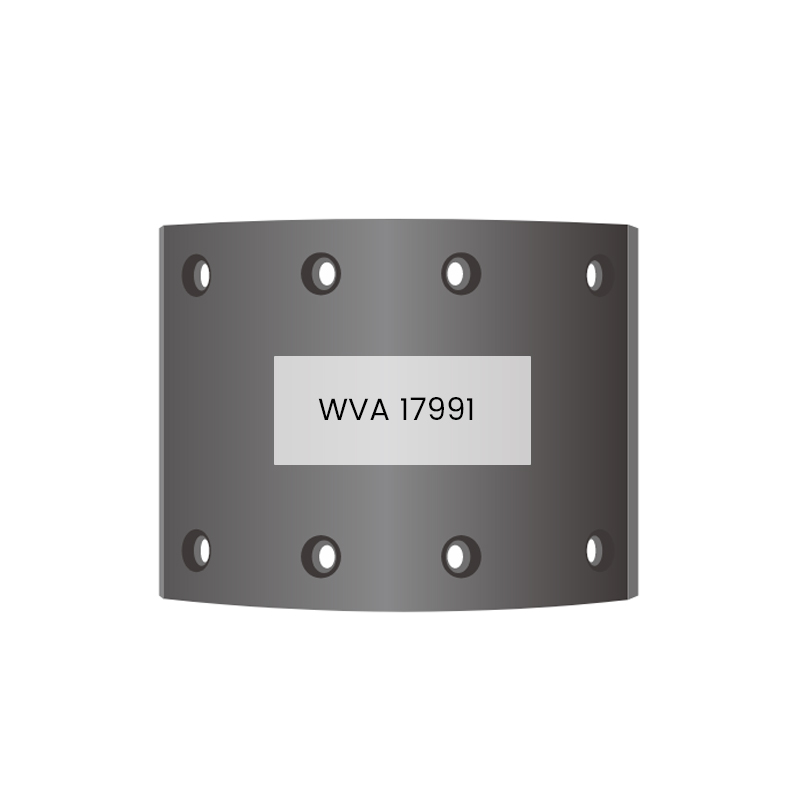
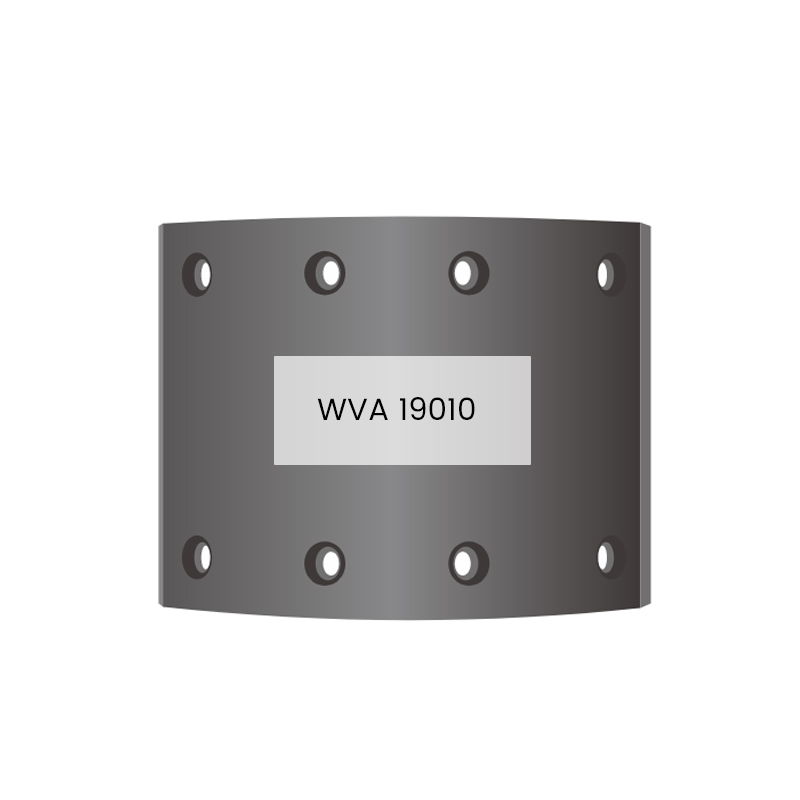
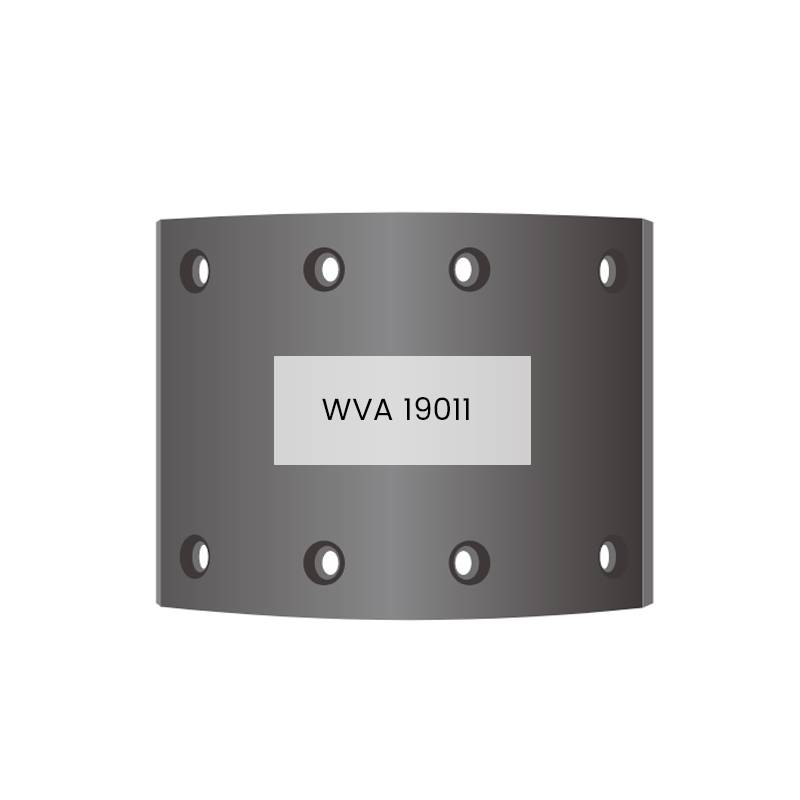
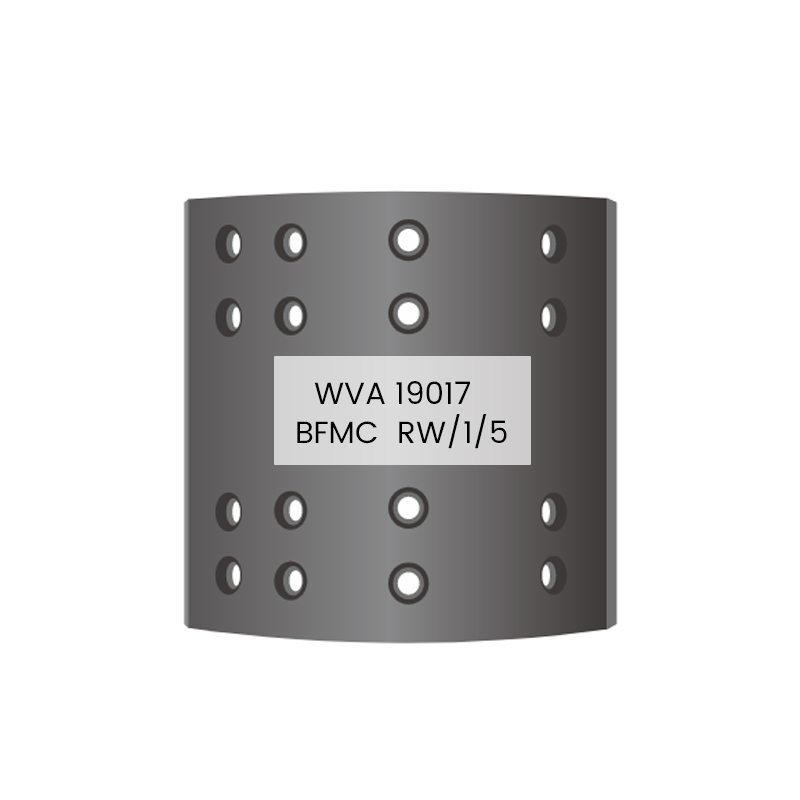
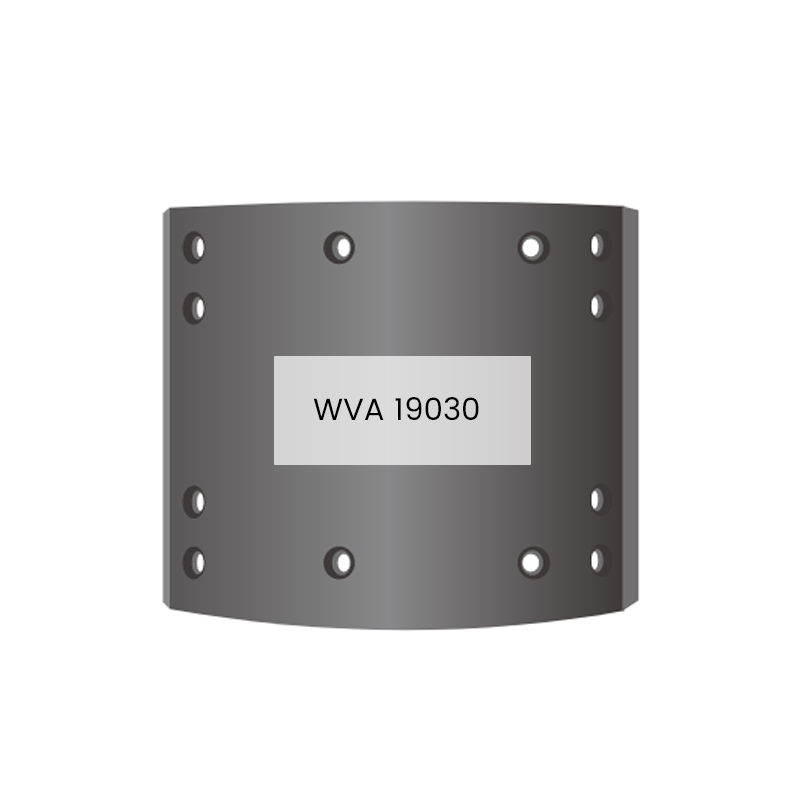
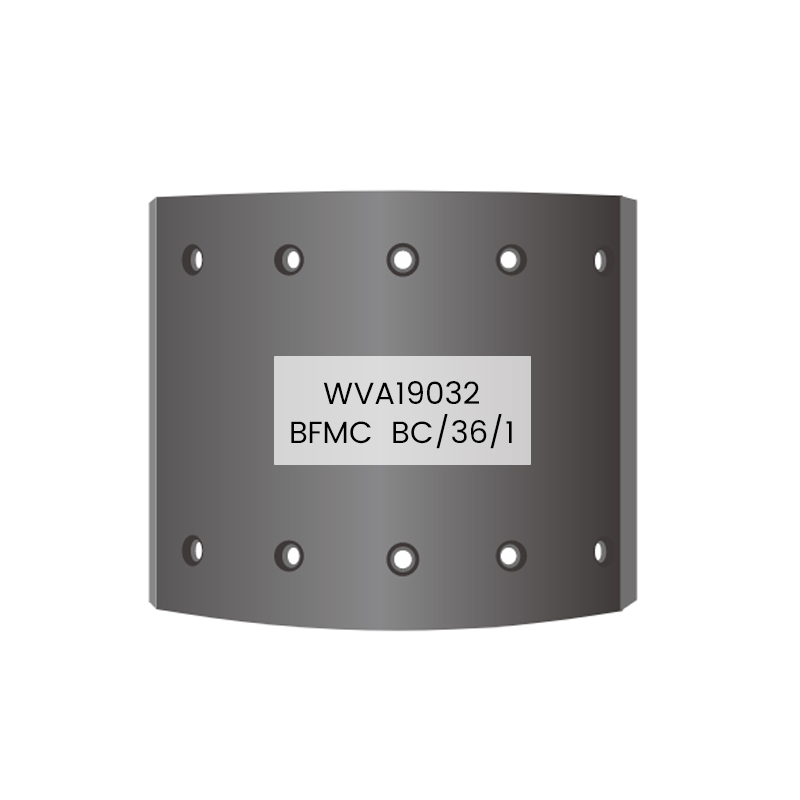
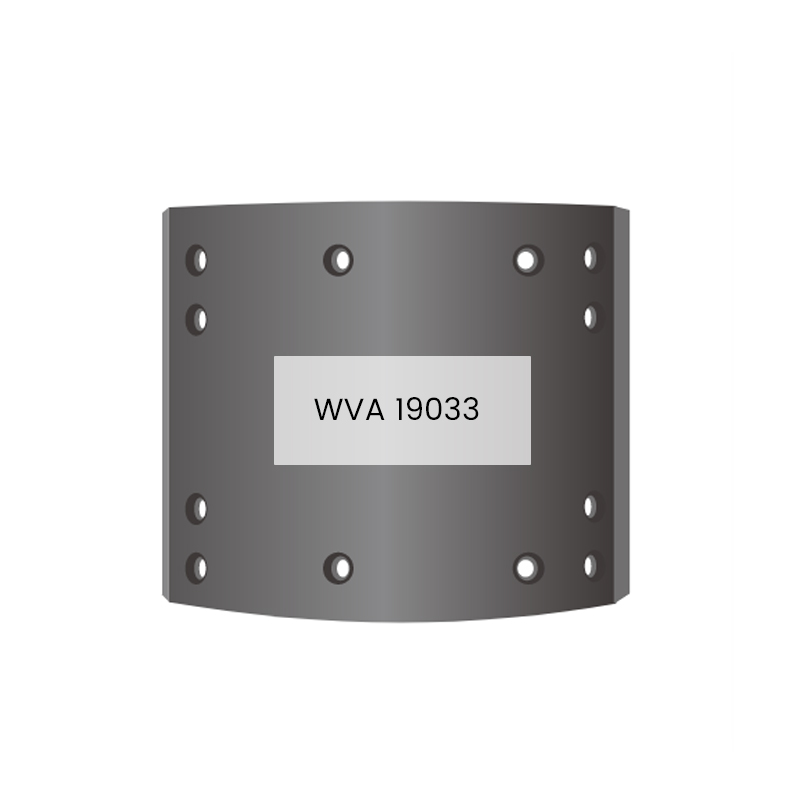
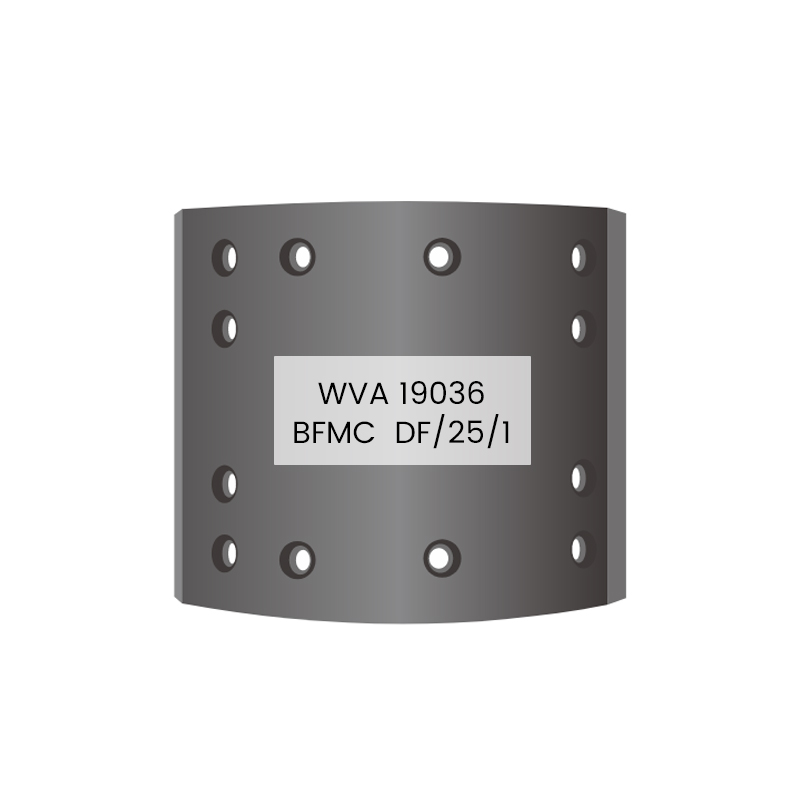
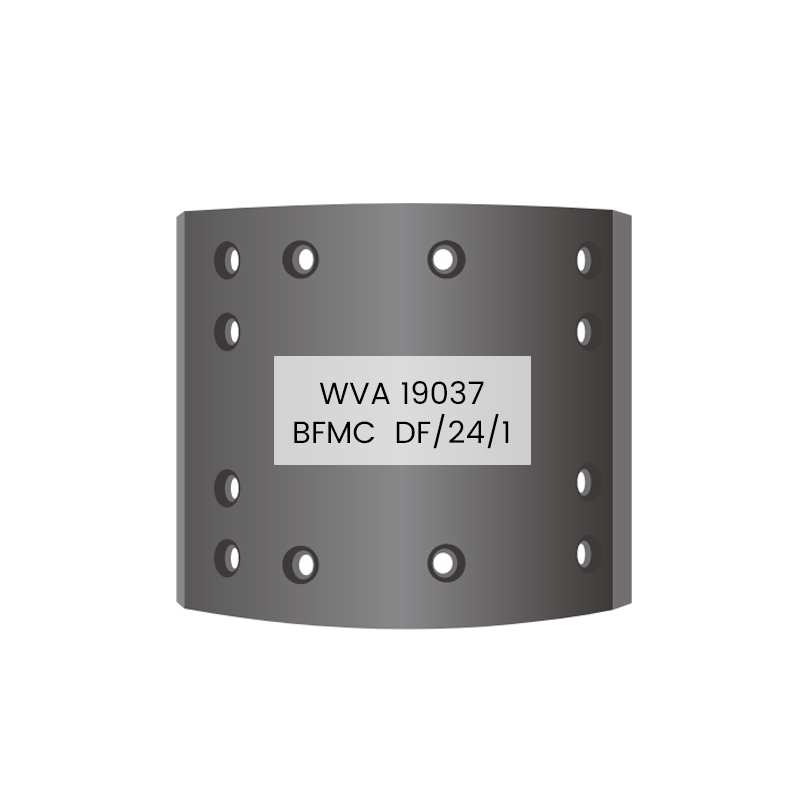
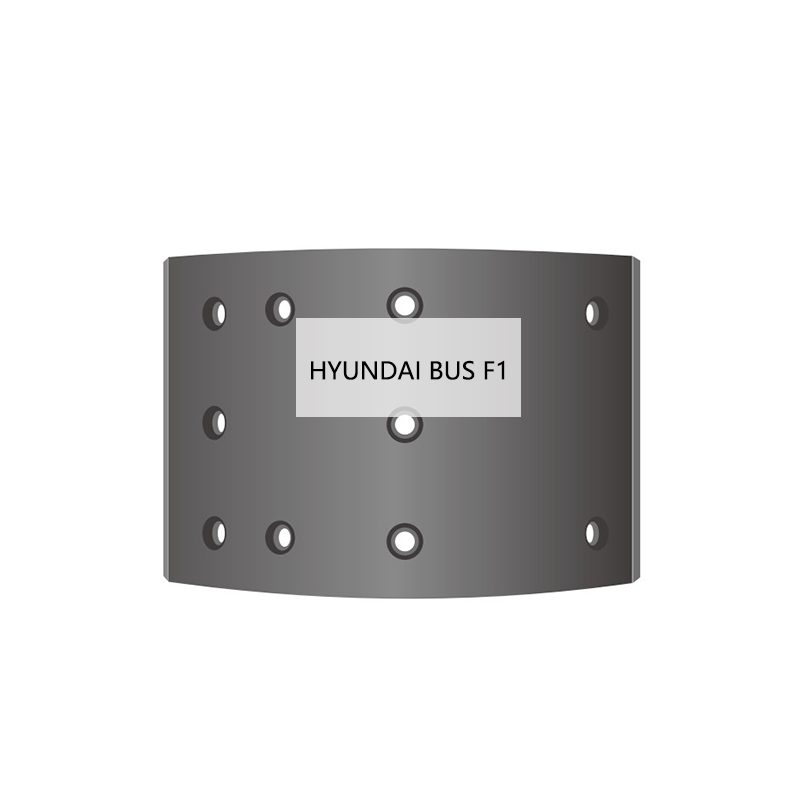
While many modern cars use disc brakes on all four wheels, many trucks and economy vehicles still utilize drum brakes on the rear axle. The shape and application of the automobile brake lining differ significantly between these two systems. In a drum brake setup, the lining is curved to match the internal diameter of the drum. In a disc brake setup, the friction material is flat and bonded to a metal backing plate. Regardless of the configuration, the goal remains the same: providing a consistent coefficient of friction across a wide range of operating temperatures.
| System Type | Lining Shape | Common Material | Key Advantage |
| Drum Brakes | Curved Arc | Organic / Semi-Met | Self-energizing effect |
| Disc Brakes | Flat Pad | Ceramic / Semi-Met | Better heat dissipation |
| Heavy Truck | Thick Blocks | Sintered Metal | Extreme durability |
When to Replace Your Automobile Brake Lining
Monitoring the thickness of your automobile brake lining is essential for vehicle safety. Driving with worn-out linings can lead to "metal-on-metal" contact, where the steel backing of the brake shoe grinds against the drum. This not only destroys the drum but also significantly increases stopping distances. Most manufacturers recommend replacing the linings once they have worn down to approximately 2mm to 3mm of thickness. Regular inspections during tire rotations or oil changes can help catch wear before it becomes a dangerous or expensive problem.
Signs of Worn Brake Friction Materials
- Squealing or Chirping: Many linings have a small metal "wear indicator" that makes a high-pitched noise when thin.
- Grinding Sounds: A harsh metallic sound indicates the lining is completely gone and metal is rubbing.
- Vibration or Pulsing: This often signals that the lining has worn unevenly or the drum is warped.
- Soft Brake Pedal: If you have to press the pedal much further than usual, the lining gap may be too wide.
Constructive Tips for Extending Brake Life
You can significantly extend the life of your automobile brake lining by adjusting your driving habits. "Aggressive braking," or waiting until the last second to stop, generates massive amounts of heat that causes the friction material to glaze and wear prematurely. Instead, try to coast toward red lights and apply gentle, steady pressure. For vehicles carrying heavy loads or driving in mountainous terrain, using engine braking (downshifting) helps take the load off the friction surfaces. Additionally, ensuring that your brake hardware is properly lubricated and that the auto-adjusters are functioning will ensure the lining makes even contact, preventing "one-sided" wear that forces early replacement.
In summary, the automobile brake lining is the unsung hero of vehicle safety. By choosing high-quality materials and performing regular maintenance, you ensure that your car remains reliable and responsive every time you hit the brakes.