 English
 中文简体
Agricultural brake lining is easy to overlook until a tractor will not hold on a slope or a baler brake starts to grab. Unlike a highway truck, farm machinery often works at low speed with high torque, sits for long periods, and meets dust, mud, and crop residue. The lining has to deliver predictable friction without needing perfect conditions. This guide looks at the forms used on tractors, combines, trailers, and other equipment, how material choice affects performance, and what to check before ordering. We work with heavy-duty friction materials every day, and the same discipline—correct dimensions, stable friction, clean fitment—matters just as much in agriculture.
Content
What Agricultural Brake Lining Does on Farm Equipment
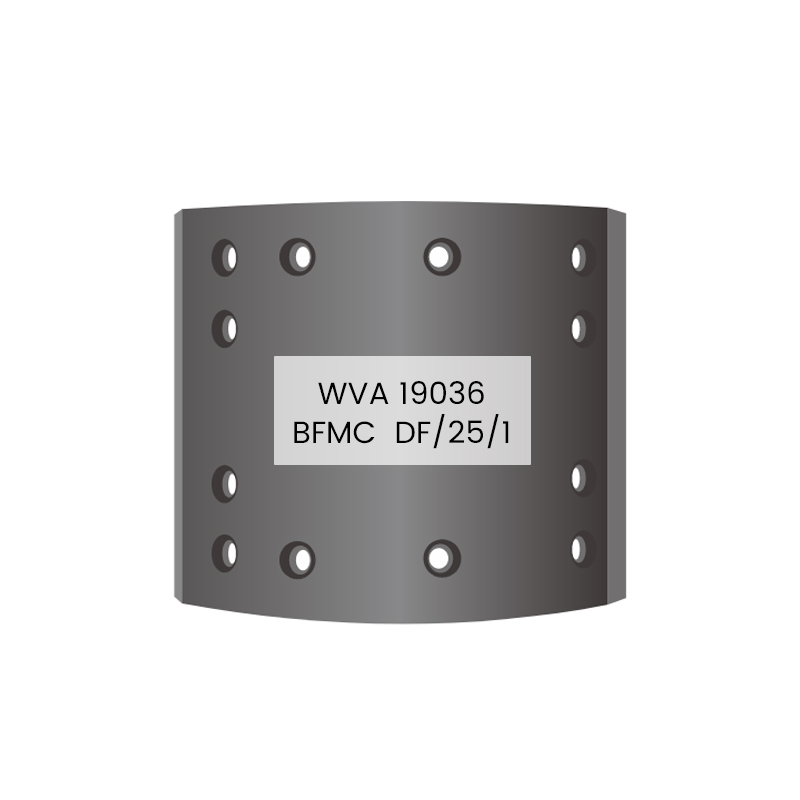
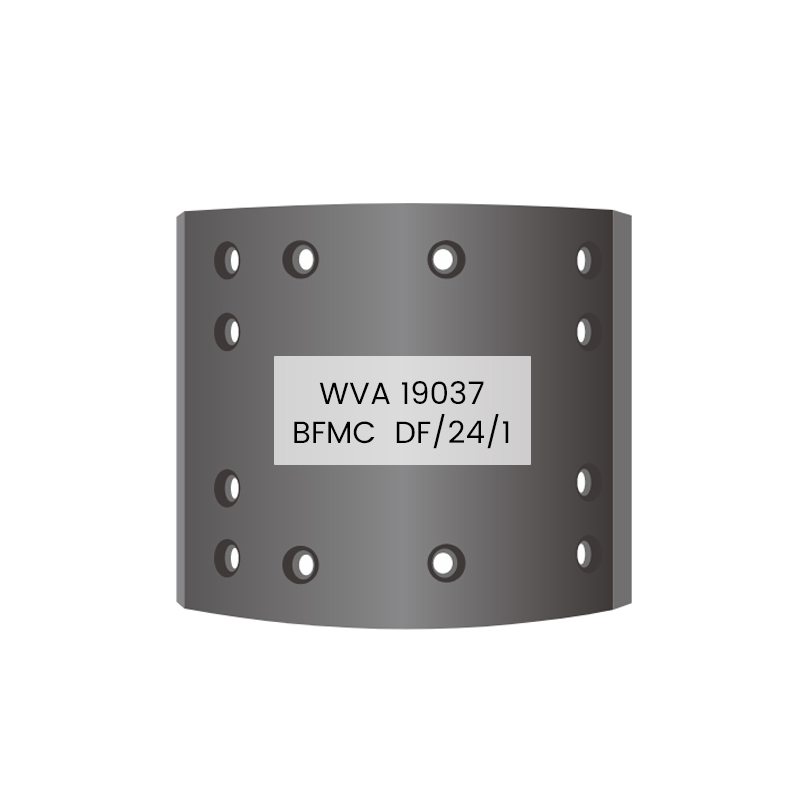
On farm equipment, agricultural brake lining may be bonded or riveted to a brake shoe inside a drum, or riveted to a flexible band that wraps or expands against a drum. Band brakes are still found on older tractors, balers, and some trailed equipment, while drum brakes are common on trailers and utility vehicles. In both designs, the lining converts motion into heat and must hold the machine when it is stationary or moving slowly under load.
The duty cycle is different from road transport. A tractor may make many small adjustments in a yard, hold a load on an incline, or sit unused for weeks. That makes holding power, contamination resistance, and stable friction just as important as wear life. Dust and moisture can glaze or corrode the lining surface, and a poorly adjusted brake can overheat long before the lining is worn out.
| Form | Typical application | Fitment note |
|---|---|---|
| Woven band lining | Band brakes on tractors, balers, and trailed equipment | Cut to width, drill for rivets, and conform to the band |
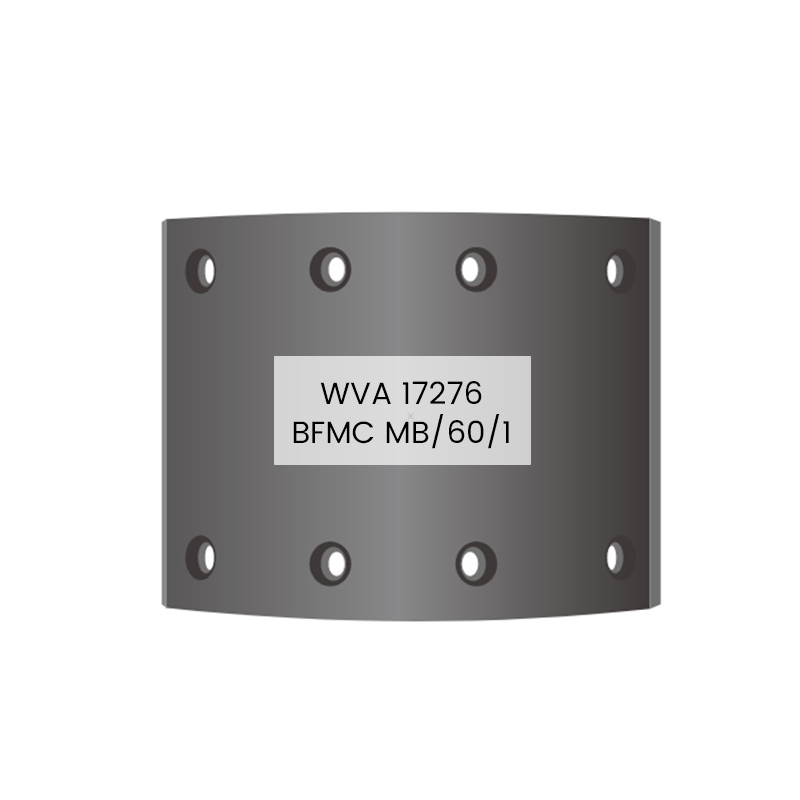
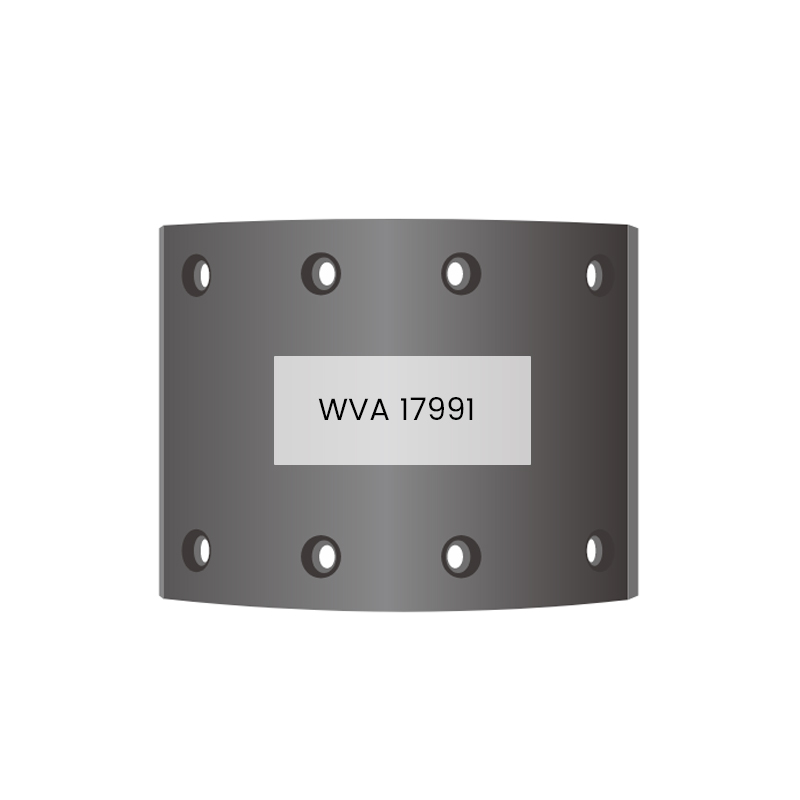
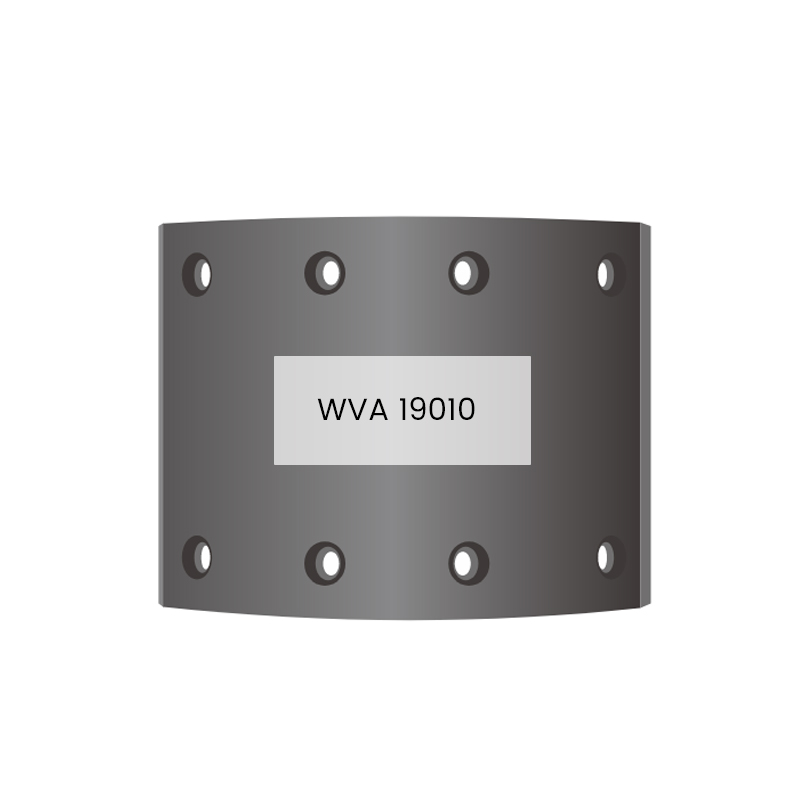
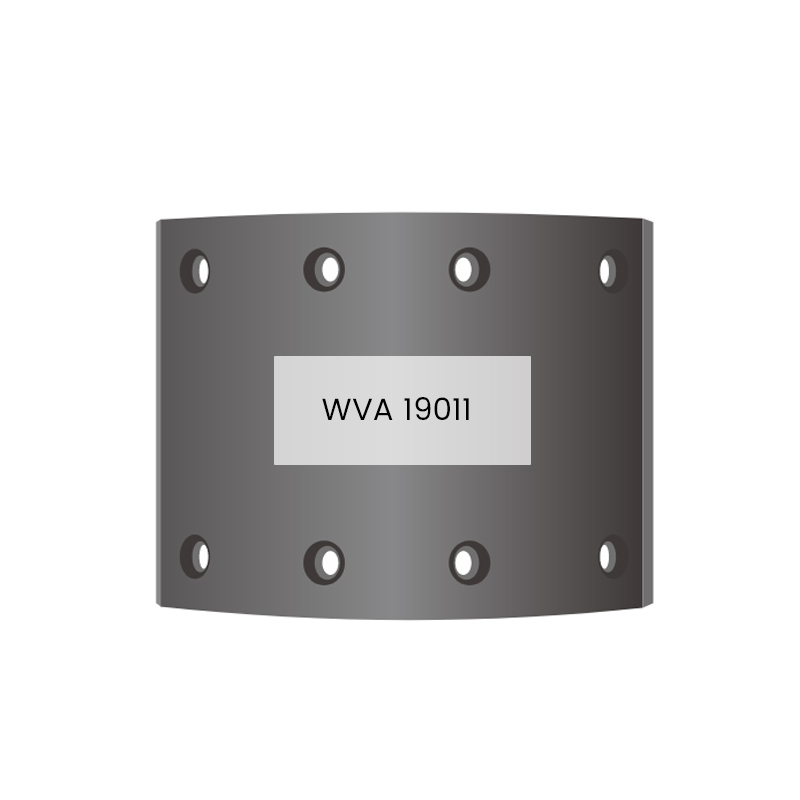
| Pre-cut block lining | Drum brakes on tractors, trailers, and utility vehicles | Match arc, thickness, and rivet countersink |
| Roll or strip lining | Repair shops working on mixed fleets | Store flat and keep clean before riveting |
Materials That Suit Dusty, Intermittent Work
Most modern agricultural brake lining is asbestos-free. Woven fabric linings often combine glass, aramid, mineral fibers, and a resin binder. The weave gives the material some conformability, which helps it sit against a band or shoe without excessive bedding-in. A woven lining can also be gentler on a used drum, but heat resistance and wear rate vary by compound. Molded or block linings may use similar fibers in a denser structure for higher mechanical strength.
Do not assume the hardest lining is the best choice. A very aggressive material may improve bite but can increase drum wear, noise, or grabbing when the machine is lightly loaded. Semi-metallic or high-friction compounds have their place in hot or heavy duty, but they need the right drum condition and adjustment. For band brakes, the lining must also bend without cracking, so thickness and flexibility matter. For band-style work, our brake belt range gives repair shops a practical starting point for dimensional comparison.
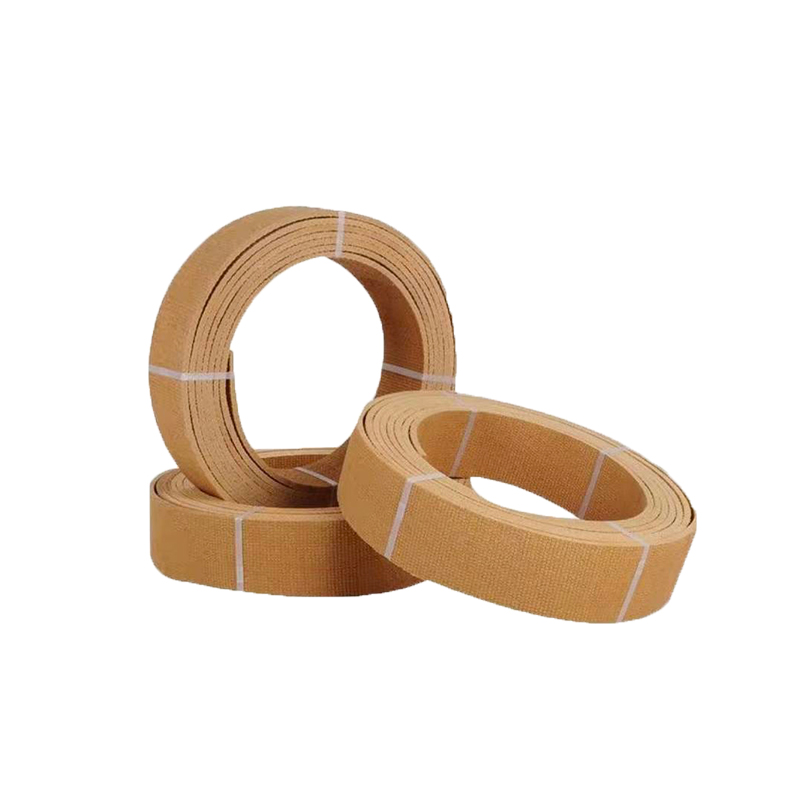 Endura Brake Belt for Band Brake Lining ComparisonAsbestos-free, copper-reinforced brake belt for band-style repair work, offering a practical starting point for dimensional comparison before installation.View Product →
Rivets are part of the friction system, not an afterthought. The rivet body must match the lining thickness, the head must sit correctly in the countersink, and the grip length must be right for the band or shoe. A rivet that is too long can score the drum; one that is too short may leave the lining loose. If you are setting new lining, compare rivet diameter, head shape, and material before installation. Our high-strength rivet range is one option to check against your original pattern.
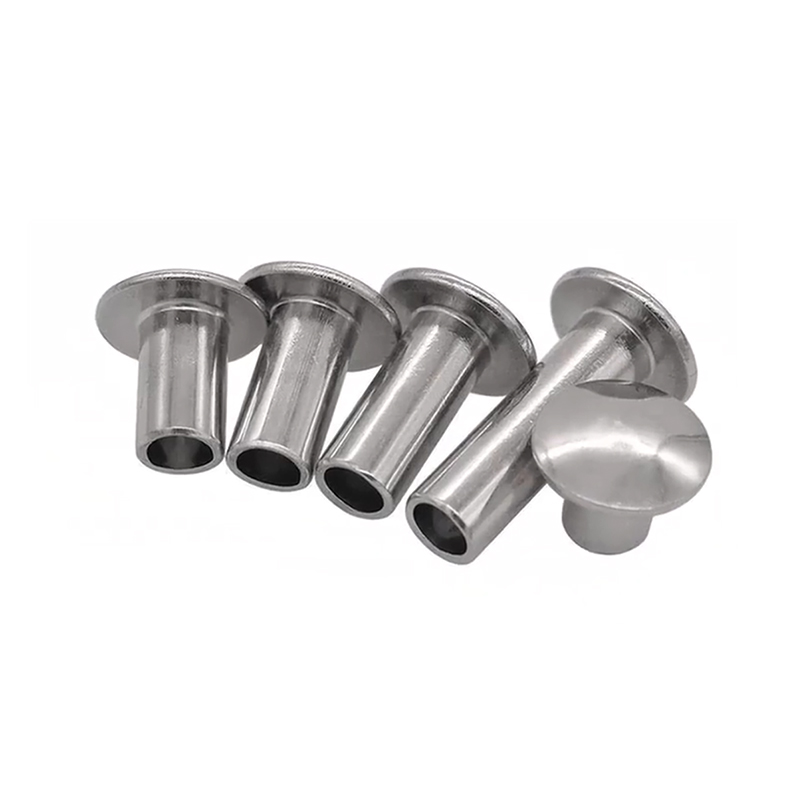 High-Strength Rivet for Industrial Brake AssemblyAlloy rivet for stable load-bearing connections; check diameter, head shape, and material against the original pattern before fitting new lining.View Product →
Fitment and Adjustment: Where Most Problems Begin
Correct fitment starts with the drum, not the lining box. Clean the brake assembly, remove dust and oil, and inspect the drum for scoring, cracks, out-of-round wear, and a worn friction surface. If the drum is beyond its service limit, a new lining will not restore stable braking. Measure the drum diameter and width, then compare the old lining with the replacement for length, width, thickness, hole spacing, and rivet countersink.
When riveting, support the band or shoe so the lining stays tight against the surface. Work from the center outward and seat each rivet without crushing the friction material. After installation, set the clearance according to the machine manual. Too little clearance causes drag and heat; too much creates excessive lever or pedal travel and poor holding. Bed the brakes in gently before working under full load.
A practical fitment sequence
- Record the machine model, axle, and brake type, and photograph the old lining and rivet pattern.
- Clean and measure the drum, then check for scoring, cracks, and deep wear steps.
- Compare the new lining with the old one for length, width, thickness, arc, and hole spacing.
- Rivet or bond the lining to the band or shoe using the specified rivet and sequence.
- Install the assembly, adjust clearance, and test at low speed before applying full load.
Wear Signs and Maintenance in the Field
Farm brakes often fail from neglect rather than sudden wear. Check them before the busy season, after heavy trailer work, and whenever a lever or pedal feels different. Look for cracked or glazed lining, oil or grease contamination, loose rivets, broken band ends, and deep scoring on the drum. A lining that is thin, chipped, or lifting from its backing should be replaced.
- Increased lever or pedal travel can point to wear or poor adjustment.
- Grabbing, chatter, or noise may come from contamination, glazing, or a distorted drum.
- Loose rivets can score the drum and should be corrected before further use.
- Uneven wear across the lining often signals misalignment or a worn drum surface.
- Long idle periods can leave rust or debris on the friction surface; clean and inspect before use.
Replace lining on both sides of an axle when wear is uneven or one side is near its limit, unless the manual says otherwise. Keep a simple record of adjustments and replacements. That history helps you spot a brake that is running hot or wearing faster than expected.
Sourcing Agricultural Brake Lining Without Guesswork
Agricultural applications are fragmented. A model name alone may not identify the brake, because axle, year, and equipment variant can change the lining dimensions. A useful enquiry includes the machine make and model, brake type, drum diameter and width, lining length, width and thickness, rivet hole pattern, rivet type, and a photo or drawing of the old part. An OE number is helpful when it is available, but it should not replace dimensional confirmation.
Ask suppliers how they control friction batch consistency, dimensional tolerance, and rivet fit. A lining that looks correct but varies in thickness or arc can create adjustment problems in the field. We manufacture heavy-duty friction materials under a quality system aligned with IATF 16949, and we are used to matching parts by drawing, sample, and application detail rather than by name alone. If you want to understand the manufacturer behind the range, our company profile outlines our production and quality approach. Our frequently asked questions page also covers common ordering and product topics.
Be cautious with any supplier that answers only “it fits the model.” A short dimensional check today can prevent a brake that drags, grabs, or wears out early in the season.
The best agricultural brake lining is not the hardest or the cheapest; it is the one that matches the drum, band, and work cycle. Measure carefully, choose a material for the real duty, rivet and adjust with patience, and inspect before failure. That approach keeps farm machinery safer and reduces unplanned downtime when the work cannot wait.