 English
 中文简体
中文简体Content
- 1 What Is a Brake Belt and What Does It Actually Do?
- 2 Types of Brake Belts and Where Each One Is Used
- 3 How the Brake Belt System Works: The Mechanics Behind the Grip
- 4 Warning Signs That Your Brake Belt Needs Attention
- 5 Step-by-Step: How to Replace a Brake Belt on a Lawn Mower
- 6
- 7 Brake Belt Maintenance: Making Your Belt Last Longer
- 8 Selecting a Replacement Brake Belt: What the Specifications Actually Mean
- 9 Brake Belt Troubleshooting: Common Problems and Their Fixes
- 10 Safety Considerations When Working with Brake Belts
What Is a Brake Belt and What Does It Actually Do?
A brake belt is a loop of reinforced flexible material — typically rubber, fabric-reinforced rubber, or a composite polymer — that wraps around a drum, pulley, or rotating shaft to create friction-based braking or disengagement of power. Unlike disc brakes or drum brakes that use pads and shoes, brake belt systems rely on the contact between the belt's inner surface and a rotating cylindrical component to slow, stop, or hold a mechanism in place. When tension is applied to the belt, it grips the drum tightly, converting kinetic energy into heat through friction.
The brake belt functions on a deceptively simple principle: the tighter the belt wraps around the drum, the greater the friction, and the more effective the braking force. This relationship is governed by the capstan equation (also known as the belt friction equation), which shows that braking torque increases exponentially with the angle of wrap and the coefficient of friction between the belt and drum surface. This means even modest tension applied to the belt's free end can generate substantial stopping force at the drum.
Brake belts are found across a surprisingly wide range of equipment. In outdoor power equipment like walk-behind lawn mowers and riding mowers, a braking belt (sometimes called a ground drive belt or blade brake belt) is used to disengage the blade or wheel drive when the operator releases the handle. In industrial machinery — including winches, hoists, conveyors, and presses — belt brake assemblies serve as holding brakes or emergency stops. Understanding what your brake belt does and how it interacts with the rest of the system is the foundation for proper maintenance and safe operation.
Types of Brake Belts and Where Each One Is Used
Not all brake belts are the same. They vary in construction, cross-section profile, material composition, and the type of equipment they serve. Choosing the right type — or correctly identifying which type you have — matters greatly for performance and compatibility.
Flat Brake Belts
Flat brake belts have a uniform rectangular cross-section and are the oldest and most straightforward form of belt brake. They wrap around a smooth cylindrical drum and rely entirely on surface contact area and friction coefficient to generate braking torque. Flat belts are commonly found in older industrial machinery, woodworking equipment, and some agricultural machinery. They are simple to inspect and replace but can slip more easily than V-profile belts if tension is not precisely maintained.
V-Belt Brake Systems
V-belts feature a trapezoidal cross-section that wedges into a matching grooved pulley (sheave). This wedging action multiplies the effective friction force compared to a flat belt of the same tension, making V-belt brake systems significantly more efficient for a given belt width and operating pressure. In outdoor power equipment — including most consumer and commercial riding mowers — the drive and blade engagement systems use V-belts that are simultaneously power transmission and braking components. When the idler pulley releases belt tension, the belt disengages the driven component; when it tightens, power is transmitted or braking is applied.
Lawn Mower Blade Brake Belts
This is one of the most commonly encountered brake belt types for home users. Walk-behind mowers with blade brake clutch (BBC) systems use a dedicated belt routed between the engine crankshaft pulley and the blade spindle. When the operator releases the bail (the safety handle), a spring-loaded brake engages while simultaneously releasing belt tension — stopping the blade within the required regulatory time (typically under 3 seconds in the US per ANSI B71.1 standards). These belts are usually a specific V-belt profile (often 3L or 4L designation) and must be replaced with exact OEM or equivalent specifications.
Industrial Band Brake Belts
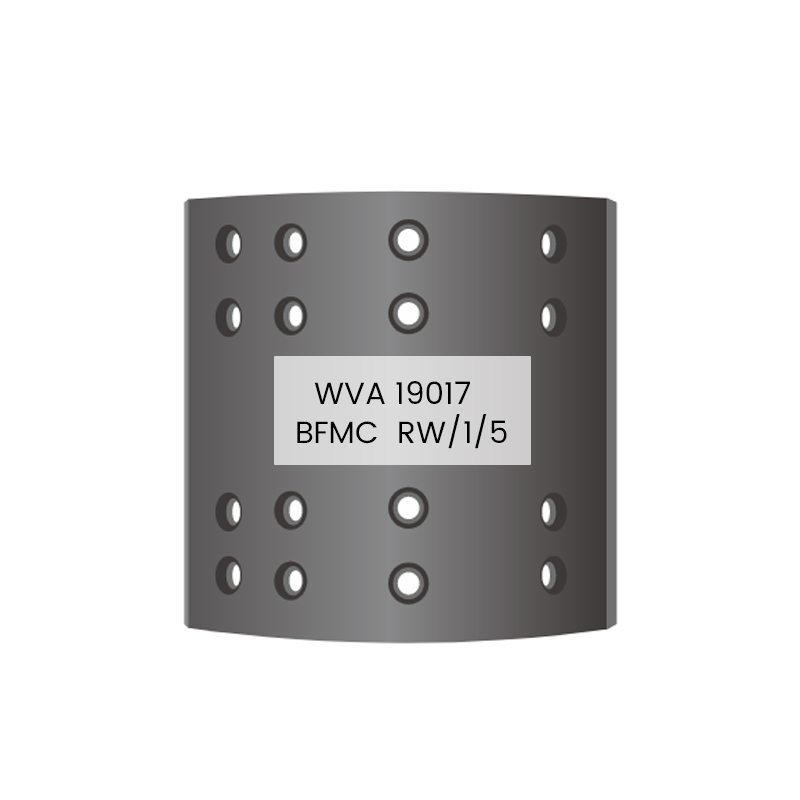
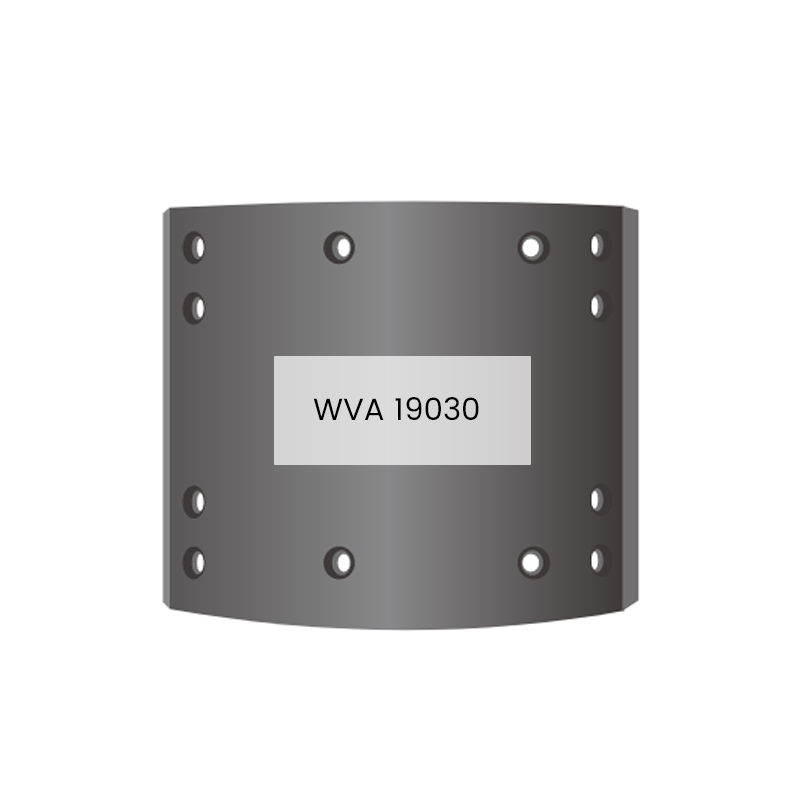
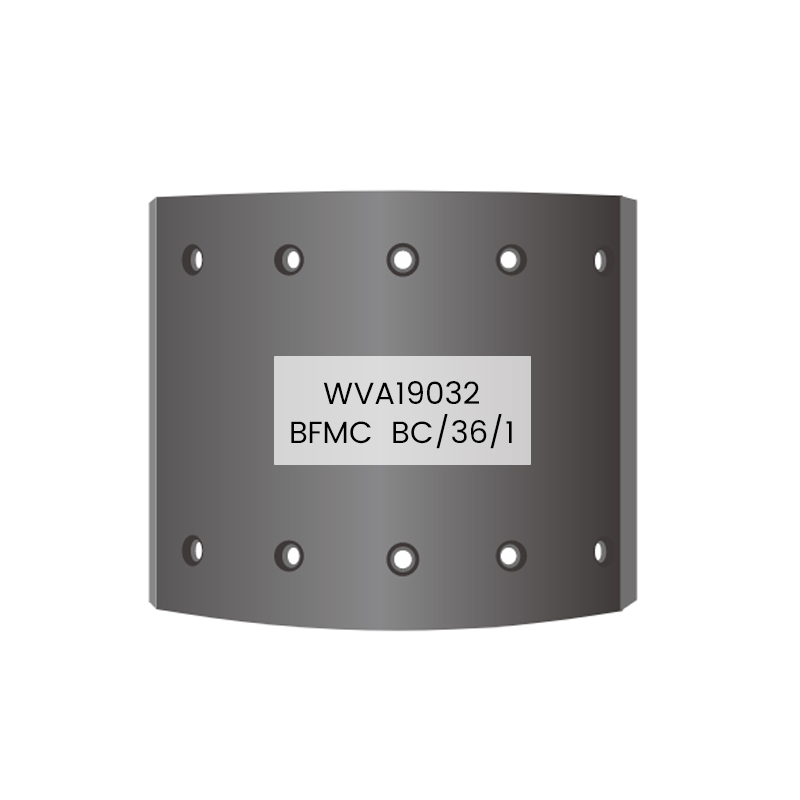
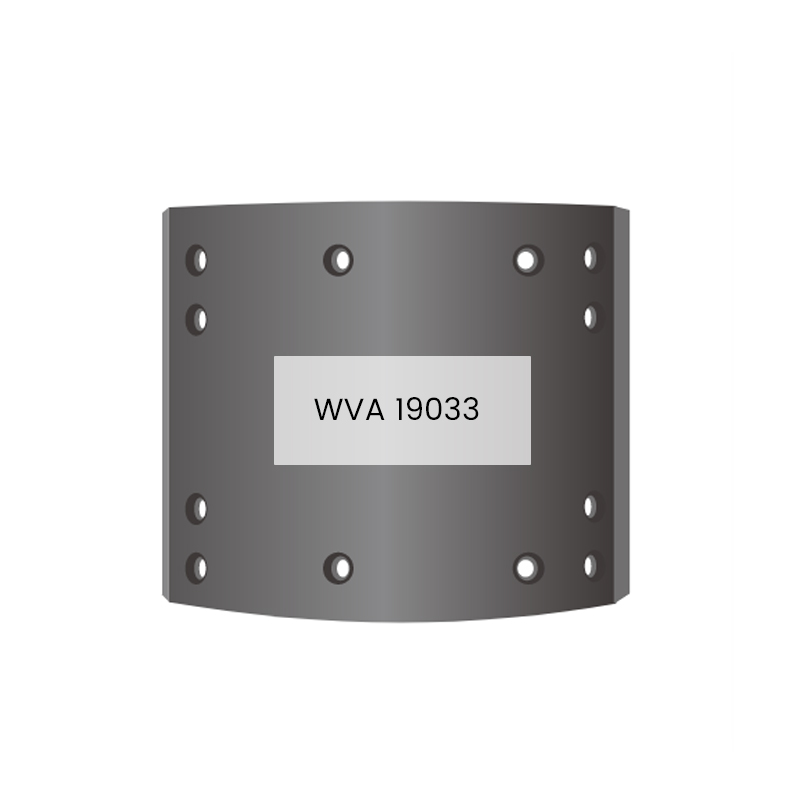
In heavy industrial applications, brake belts are often called brake bands — wide, flat steel bands lined with friction material (similar to brake pad compound) on the inside surface. These are used in cranes, winches, oil field equipment, and industrial hoists where high torque capacity and precise control are required. The friction lining material — typically woven asbestos (in older equipment) or modern non-asbestos organic (NAO) or sintered metal composites — is riveted or bonded to the metal band. When the band is a subject of wear, only the lining may need replacement rather than the entire band assembly.
| Brake Belt Type | Cross-Section | Typical Application | Key Advantage |
| Flat Belt | Rectangular | Older industrial machinery, woodworking | Simple design, easy inspection |
| V-Belt | Trapezoidal | Riding mowers, small engines, HVAC | High friction efficiency, wedge grip |
| Blade Brake Belt | V-profile (3L/4L) | Walk-behind lawn mowers | Safety blade stop compliance |
| Industrial Band Brake | Wide flat band + lining | Cranes, winches, hoists, oil equipment | High torque capacity, precise control |
How the Brake Belt System Works: The Mechanics Behind the Grip
To understand why brake belt wear matters and how to troubleshoot problems, it helps to understand the mechanics of how belt braking actually works in practice. Most belt brake systems — whether on a lawn mower or an industrial hoist — share the same fundamental operating components and logic.
The Role of the Idler Pulley
In power equipment, the brake belt is usually routed around an idler pulley that is spring-loaded or lever-controlled. When the operator engages the system (pressing a bail, lever, or PTO switch), the idler pulley moves to take up slack in the belt, increasing tension. This increased tension causes the belt to grip the driven pulley tightly, transmitting power or, in a dedicated braking circuit, applying braking torque to the drum. When the idler releases, belt tension drops, the belt loosens its grip, and the driven component is either unpowered or braked by a separate spring-loaded brake pad that engages simultaneously.
Tension, Wrap Angle, and Braking Force
The effective braking force a belt can generate is directly related to two factors: the coefficient of friction between the belt and drum, and the angle of wrap (how much of the drum's circumference the belt contacts). A higher wrap angle dramatically increases braking capacity because friction force accumulates exponentially around the arc of contact. This is why many belt brake systems are designed with 180° or more of belt wrap around the brake drum — doubling the wrap angle doesn't double the braking force, it multiplies it by a factor determined by the exponential capstan equation. In practice, this means a well-designed belt brake can hold very heavy loads with relatively modest actuating force.
Self-Energizing Effect
Many band brake and brake belt designs exploit a phenomenon called self-energization. When the drum rotates in a specific direction, friction forces at the contact point tend to pull the belt tighter around the drum, increasing braking force beyond what the actuating mechanism alone would produce. This is why some brakes are directional — they work much more effectively when the drum rotates one way versus the other. Operators of industrial equipment should be aware of the designed braking direction when evaluating brake belt performance.
Warning Signs That Your Brake Belt Needs Attention
Brake belts degrade gradually, and because the wear happens on the inner surface — out of easy sight — many users don't catch problems until performance has already deteriorated significantly. Here are the most reliable indicators that your braking belt is wearing out or has failed:
- Slipping or delayed engagement: If there's a noticeable lag between engaging the control and the equipment responding, or if the blade or drive wheel takes longer than usual to reach full speed, belt slippage is the likely culprit. A worn belt has a glazed, hardened inner surface with reduced friction coefficient, causing it to slip against the pulley under load.
- Slow or incomplete blade stop: On lawn mowers with BBC systems, if the blade continues spinning for more than 3–5 seconds after releasing the bail, the brake belt has likely stretched, cracked, or lost sufficient friction to apply the required braking force. This is both a performance and safety issue that requires immediate attention.
- Squealing or chirping noises: High-pitched squealing during engagement or operation often indicates glazing of the belt surface. A glazed belt has undergone thermal hardening from friction heat, creating a surface that's too smooth to grip effectively and tends to vibrate against the pulley.
- Visible cracking, fraying, or missing chunks: On physical inspection, a worn brake belt may show longitudinal cracks on the outer surface (indicating rubber hardening with age), frayed edges from misalignment, or missing chunks of material from impact damage or severe wear. Any visible structural damage is cause for immediate replacement.
- Belt debris or rubber dust: Finding black rubber dust or small belt fragments in the belt guard, under the deck, or around the pulleys confirms accelerated wear. This material comes from the belt's friction surface being ground away against the pulley.
- Excessive belt stretch: A belt that has elongated beyond its serviceable limit will no longer maintain proper tension even with the idler in its fully engaged position. This results in chronic slipping and may indicate that the belt has exceeded its operational life even if the surface looks acceptable.
Step-by-Step: How to Replace a Brake Belt on a Lawn Mower
Replacing a blade brake belt on a walk-behind mower is one of the most common brake belt jobs a homeowner will encounter. While the exact routing varies by model, the general procedure is consistent enough that these steps apply broadly. Always consult your specific model's service manual before beginning, and disconnect the spark plug wire before working under the deck.
Tools and Materials You'll Need
- Replacement brake belt (match OEM part number or cross-reference by dimensions: width, outside circumference, and profile designation)
- Socket set and wrenches (typically 3/8" and 1/2" drive)
- Screwdrivers (flathead and Phillips)
- Work gloves and eye protection
- Needle-nose pliers (for spring clips and cable keepers)
- A phone or camera to photograph belt routing before removal
The Replacement Process
- Step 1 — Disconnect the spark plug: Pull the spark plug wire completely away from the plug and secure it so it cannot accidentally contact the plug terminal during the job.
- Step 2 — Photograph the existing belt routing: Before removing anything, take multiple photos of the belt routing from different angles. The routing around the engine pulley, idler pulley, and blade spindle pulley must be replicated exactly on the new belt.
- Step 3 — Remove the belt guard or cover: Most mowers have a sheet metal or plastic guard covering the top of the deck and belt system. Remove the fasteners and lift the cover clear.
- Step 4 — Release idler tension and remove the old belt: Locate the idler pulley arm. Using a wrench or by hand (if spring-tensioned), push the idler pulley away from the belt to release tension. Slip the old belt off the pulleys and remove it from the deck. Note any belt keepers (small tabs or brackets that route the belt) — these must be respected in reassembly.
- Step 5 — Inspect pulleys and brake components: Before installing the new belt, inspect all pulleys for wear, wobble, or contamination. Spin each pulley by hand — rough bearings or wobble indicate replacement is needed before the new belt goes on. Check the brake pad or brake band that engages when the bail is released.
- Step 6 — Route and install the new brake belt: Following your reference photos, route the new belt around the engine pulley first, then the spindle pulley, then loop it over or around the idler pulley last. Ensure the belt sits in the groove properly on all pulleys and passes correctly through all belt keepers.
- Step 7 — Test operation before reassembly: Reconnect the spark plug wire and start the engine. Engage and disengage the blade control several times to verify the belt engages and releases smoothly. Check that the blade stops within the required time when the bail is released. Shut the engine off completely before reinstalling any guards.
Brake Belt Maintenance: Making Your Belt Last Longer
A brake belt that is properly maintained will consistently outperform — and outlast — one that is neglected. Most premature belt failures are preventable with a few straightforward maintenance habits.
Keep Pulleys Clean and Aligned
Grass clippings, dirt, oil, and debris that accumulate on pulleys cause accelerated belt wear, overheating, and misalignment. At the start of every season and periodically during use, clean all pulleys with a stiff brush or compressed air. Check pulley alignment using a straightedge — misaligned pulleys force the belt to run at an angle, concentrating wear on one edge and dramatically shortening belt life. On riding mowers, also check that the deck is level, since an uneven deck tilts the spindle pulleys and throws off belt tracking.
Avoid Contamination with Oil or Belt Dressing
Oil contamination is one of the fastest ways to destroy a brake belt. Even a small amount of oil on the belt surface dramatically reduces its friction coefficient, causing slipping and inadequate braking. Check for leaking engine seals, gearbox seals, or lubrication fittings near belt runs. Equally important: never apply belt dressing sprays to a brake belt. While belt dressing is sometimes used on power transmission belts to reduce slipping, it is completely inappropriate for brake belts — it will reduce friction and compromise braking effectiveness, which is dangerous.
Check Belt Tension Seasonally
Belt tension should be checked at the start of every season and after any significant impact (such as hitting a rock or stump). Proper tension means the belt deflects a specific amount — typically 1/2 inch per foot of belt span — when moderate finger pressure is applied midway between two pulleys. Consult your equipment's service manual for the exact specification. An overly loose belt slips and causes poor braking; an overly tight belt causes accelerated bearing wear and may burn the belt from excessive heat generation.
Replace Belts Proactively, Not Reactively
Many manufacturers recommend replacing drive and brake belts at set intervals — commonly every 2–3 years or 100–150 hours of operation for outdoor power equipment, regardless of visible condition. Rubber compounds harden and lose elasticity with age even without obvious cracking, causing reduced grip and increased slip. Replacing a belt on a scheduled basis costs far less than the downtime and potential safety risk of an in-field brake belt failure. Keep a spare on hand during peak operating season if your equipment is mission-critical.
Selecting a Replacement Brake Belt: What the Specifications Actually Mean
When sourcing a replacement braking belt, you'll encounter a range of part numbers and specification codes. Understanding what these mean helps you find a compatible belt — and avoid costly mistakes from installing the wrong size or profile.
- Belt profile designation: The most common V-belt profiles for small equipment are 3L (3/8" wide), 4L (1/2" wide), and 5L (21/32" wide). Industrial belts use A, B, C, D designations (A = 1/2" wide, B = 21/32" wide, etc.). The profile must match the pulley groove exactly for proper seating and maximum friction efficiency.
- Outside circumference: Belt length is typically specified as outside circumference in inches. A "4L460" belt, for example, is a 4L profile with a 46.0-inch outside circumference. Installing a belt that is even slightly too long will result in chronic slack and slipping; too short and the idler cannot tension the system correctly.
- Construction type: Raw-edge cogged belts have notches cut into the bottom surface, allowing them to bend more easily around smaller pulleys with less heat buildup. Wrapped belts have a fabric cover over the entire outer surface, offering better resistance to oil contamination and a longer service life in some environments. For brake belt applications with tight pulley diameters, cogged belts are generally preferable.
- OEM vs. aftermarket: OEM (original equipment manufacturer) belts are made to exact factory specifications and are the safest choice for brake-critical applications. Quality aftermarket belts from established brands (Gates, Dayco, Jason/Rubber-Cal) are generally acceptable alternatives. Avoid no-name cheap belts for brake applications — dimensional inconsistencies and inferior rubber compounds can result in premature failure and compromised safety.
Brake Belt Troubleshooting: Common Problems and Their Fixes
Even a correctly installed brake belt can develop problems. Here's a practical troubleshooting reference for the most frequently encountered brake belt issues:
| Problem | Likely Cause | Fix |
| Belt slips under load | Worn/glazed belt surface, oil contamination, weak idler spring | Replace belt; clean pulleys; replace idler spring if stretched |
| Belt runs off pulleys | Pulley misalignment, bent idler arm, wrong belt profile | Realign pulleys; straighten or replace idler arm; verify belt specs |
| Excessive squealing | Belt glazing, overheating, misalignment, wrong tension | Replace glazed belt; check and adjust tension; align pulleys |
| Blade won't stop quickly | Stretched brake belt, weak brake spring, worn brake pad | Replace brake belt; inspect and replace brake spring and pad |
| Belt wears on one edge only | Pulley misalignment, bent spindle shaft, uneven deck | Align pulleys; inspect spindle for damage; level the deck |
| New belt breaks quickly | Wrong belt size, pulley damage, excessive tension | Verify correct part number; inspect pulleys for sharp edges; check tension |
Safety Considerations When Working with Brake Belts
Because brake belts are directly tied to the ability to stop rotating components, safety during maintenance and operation deserves specific attention. Cutting corners on brake belt maintenance is not just an equipment issue — it is a personal safety risk.
- Never bypass or disable the brake belt system: Some operators remove or tie down safety bails to avoid having to re-engage them repeatedly. This defeats the brake belt mechanism entirely and creates a serious hazard — a spinning blade or rotating component with no means of quick shutdown. Always operate equipment with all safety systems intact and functional.
- Always disconnect the power source before inspection: For lawn mowers, this means disconnecting the spark plug wire. For electric or battery-powered equipment, disconnect the battery. For industrial equipment, follow lockout/tagout (LOTO) procedures to ensure the machine cannot be energized during belt work.
- Verify braking performance after every belt replacement: Before returning equipment to normal use, always perform a controlled braking test. For a lawn mower, this means engaging the blade at normal operating RPM and verifying that releasing the bail stops the blade within the required time period. For industrial equipment, verify that the brake holds the rated load under static conditions before releasing to operations.
- Wear appropriate PPE during inspection and replacement: Worn brake belts can have sharp, frayed edges. Industrial brake band linings may contain hazardous friction material. Always wear cut-resistant gloves and eye protection when handling belts, and follow proper disposal procedures for friction lining materials per local regulations.
- Do not operate equipment with a known brake belt deficiency: If you've identified signs of brake belt wear or failure, take the equipment out of service until the belt is replaced. The risk of operating with a compromised braking belt — whether on a lawn mower, hoist, or industrial machine — far outweighs any short-term convenience of continued use.
A brake belt is a small, often overlooked component, but it plays a critical safety role in everything from the lawn mower in your garage to the crane on a construction site. Understanding how your brake belt works, recognizing the early signs of wear, and following a proactive maintenance and replacement schedule are the most effective ways to ensure that when you need your equipment to stop, it does — reliably, quickly, and safely every single time.