 English
 中文简体
中文简体Content
Why the Right Brake Pad For Truck Matters More Than You Think
When you are hauling heavy loads across long distances, your truck's braking system carries a responsibility that goes far beyond everyday passenger vehicles. Choosing the wrong brake pad for truck applications can lead to longer stopping distances, accelerated rotor wear, or even dangerous fade under repeated hard braking. Heavy duty brake pads designed specifically for commercial use handle higher temperatures, greater inertia, and more frequent stop-start cycles without compromising performance. Investing in quality truck brake pads upfront protects your cargo, your crew, and your bottom line by reducing unscheduled downtime and costly roadside repairs.
Stopping Power and Safety Under Load
A fully loaded semi or delivery truck can weigh five to ten times more than a standard car, which means your braking components must dissipate significantly more kinetic energy. Commercial truck brake pads use specialized friction materials that maintain consistent bite even when temperatures climb above 800 degrees Fahrenheit during mountain descents or emergency stops. Never substitute passenger-car pads on a commercial vehicle; the difference in heat tolerance and structural reinforcement is not just about longevity, it is about preventing brake failure when you need reliable stopping power most.
Heat Dissipation and Fade Resistance
Brake fade happens when pads overheat and lose friction, causing that scary moment when the pedal feels soft and stopping distance increases dramatically. Quality semi truck brake pads incorporate heat channels, copper-free friction formulas, and reinforced backing plates to move heat away from the pad surface and into the rotor or drum where it can dissipate safely. Look for pads rated for continuous duty cycles if your routes include steep grades, frequent city stops, or towing heavy trailers, because these conditions generate the most thermal stress on your braking system.
Types of Truck Brake Pads and Which One Fits Your Fleet
Not all brake pad for truck options deliver the same performance characteristics. Your choice should align with your vehicle type, typical cargo weight, driving environment, and maintenance budget. Use the comparison table below to match pad technology to your operational needs and avoid costly mismatches that lead to premature wear or noise complaints.
| Pad Type | Best For | Noise Level | Rotor Wear |
| Semi-Metallic | Heavy hauling, mountain routes, high heat | Moderate | Higher, but durable |
| Low-Metallic NAO | Regional delivery, mixed urban/highway | Low to moderate | Moderate |
| Ceramic Composite | Light-duty trucks, noise-sensitive routes | Very low | Low, gentle on rotors |
| Organic/NAO | Budget replacements, low-mileage use | Low initially, may increase | Low but wears faster |
Semi-Truck vs Delivery Van Brake Needs
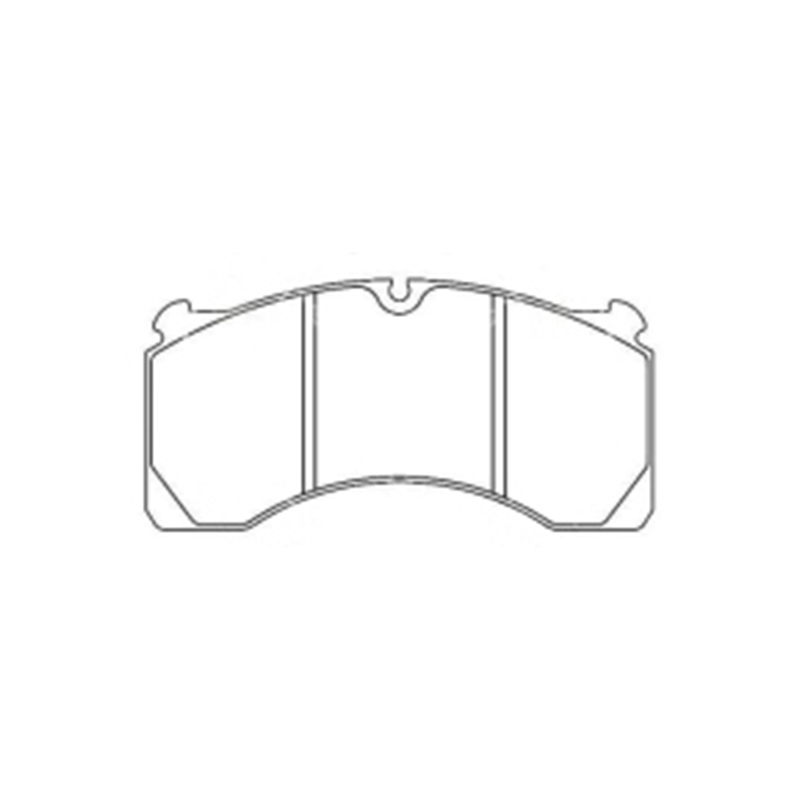
A Class 8 tractor-trailer and a light-duty box truck face very different braking demands. Fleet brake pads for long-haul semis prioritize heat capacity, fade resistance, and long service intervals to minimize roadside changes. In contrast, disc brake pads for trucks used in urban delivery benefit from quieter operation, faster cold-bite response, and compatibility with regenerative braking systems on newer electric or hybrid models. Always match the pad specification to your vehicle's Gross Vehicle Weight Rating (GVWR) and typical duty cycle, not just the brake caliper size.
Drum Brake Shoes vs Disc Pad Applications
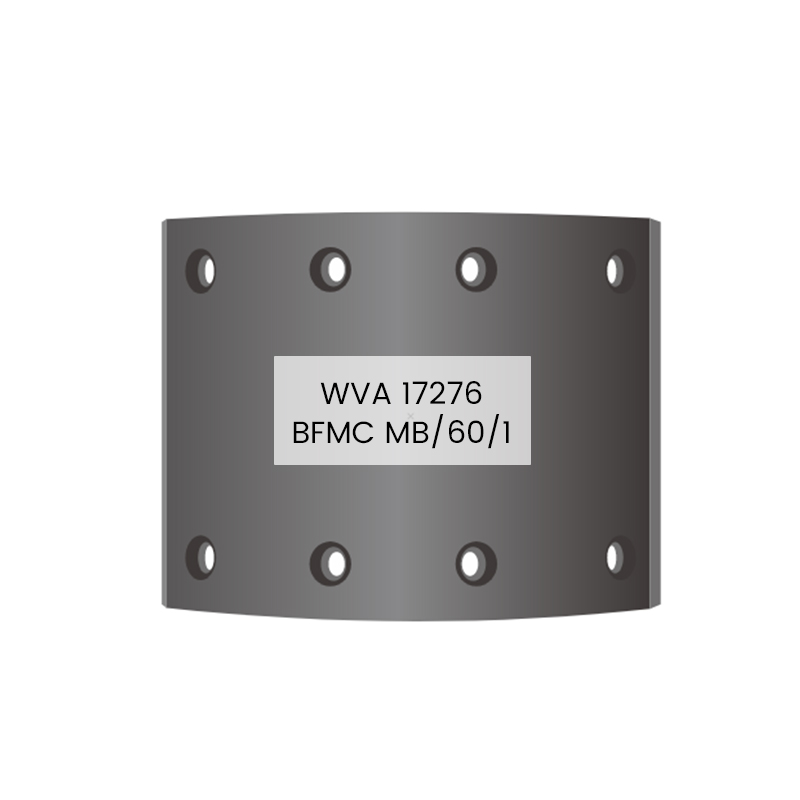
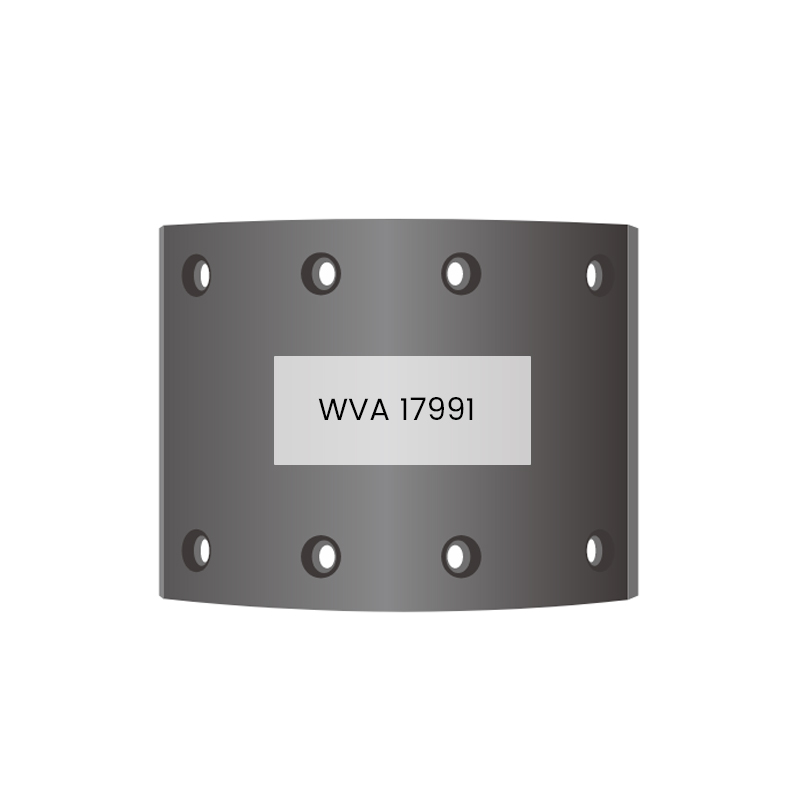
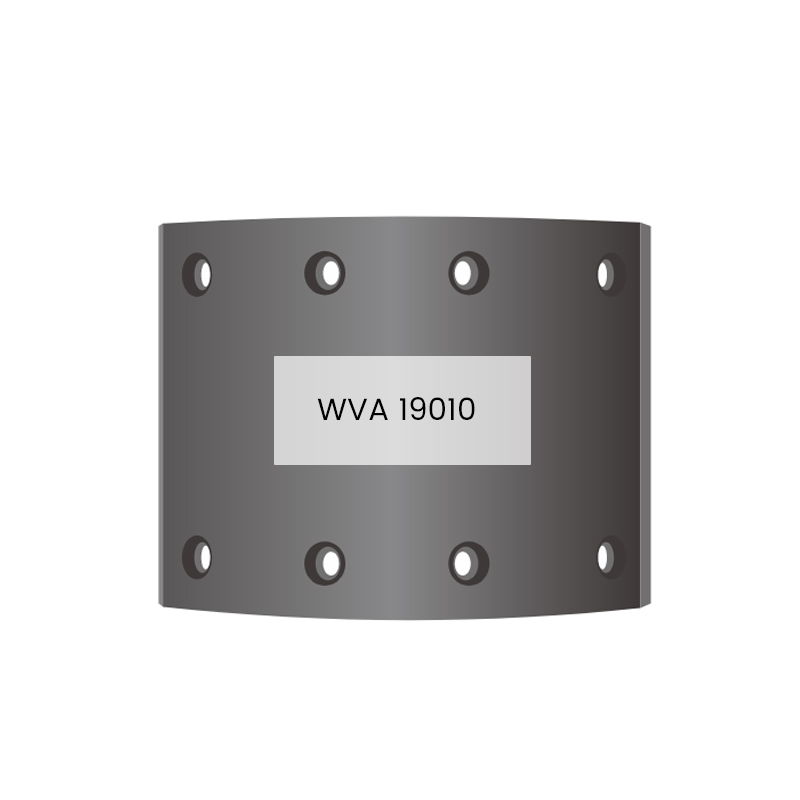
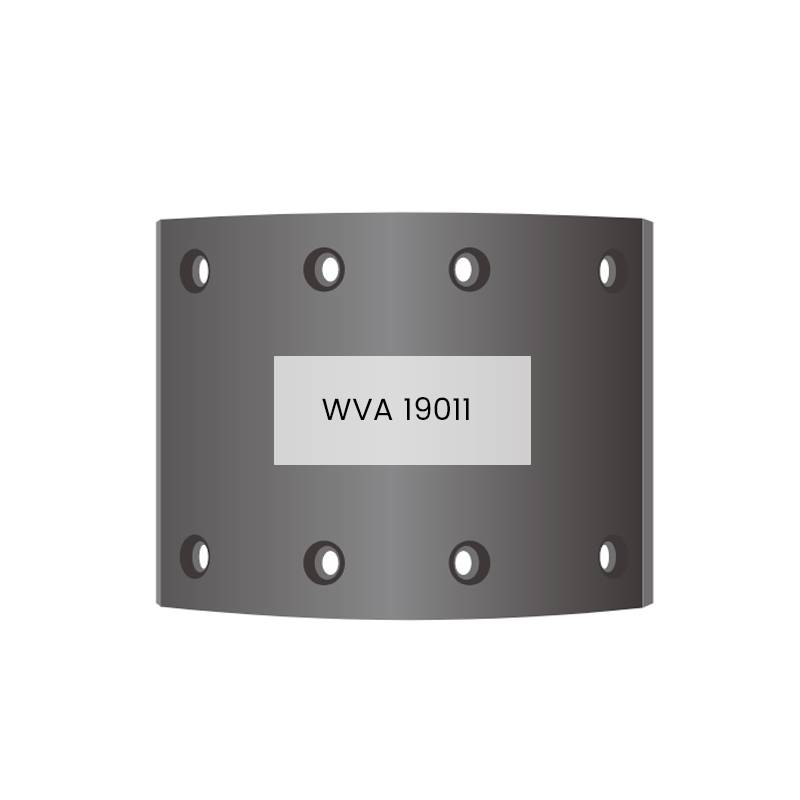
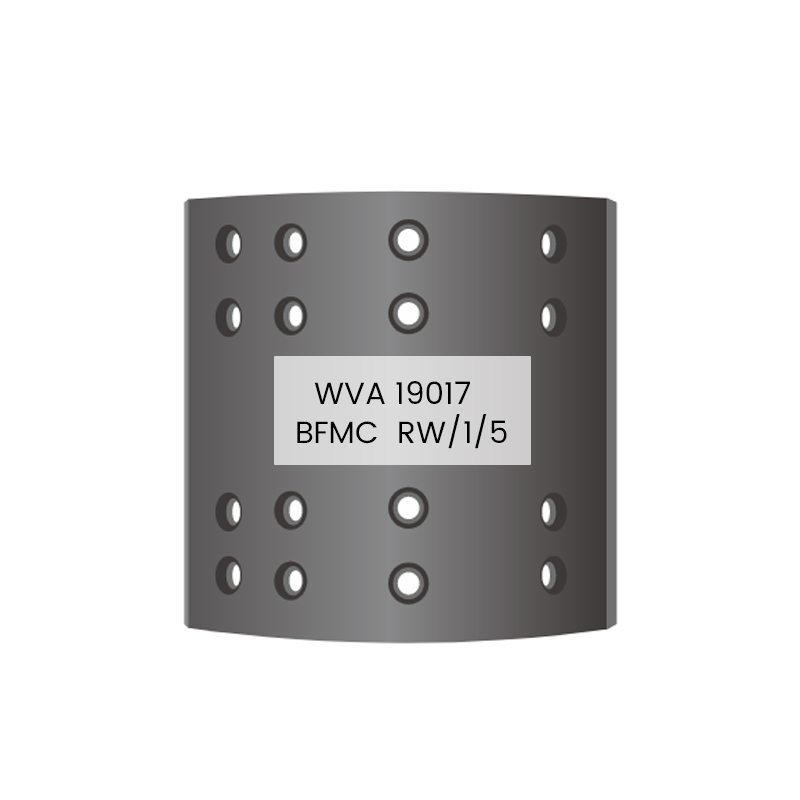
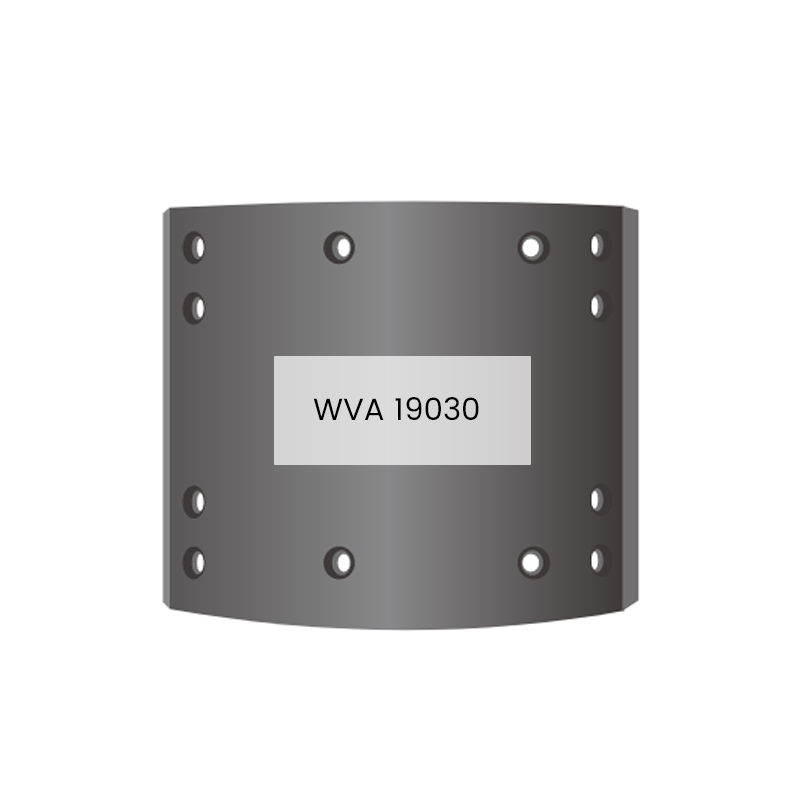
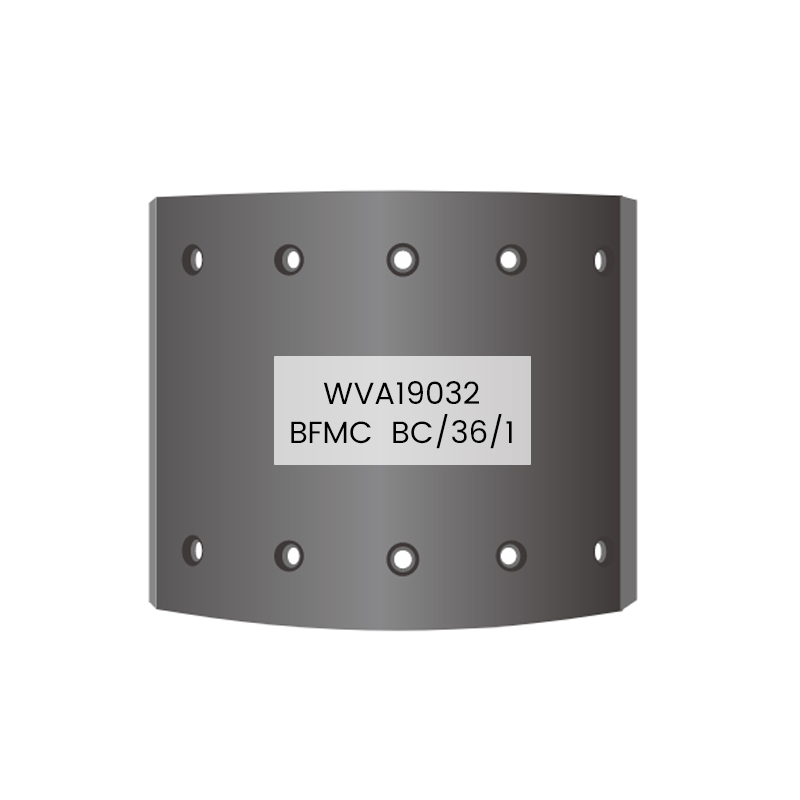
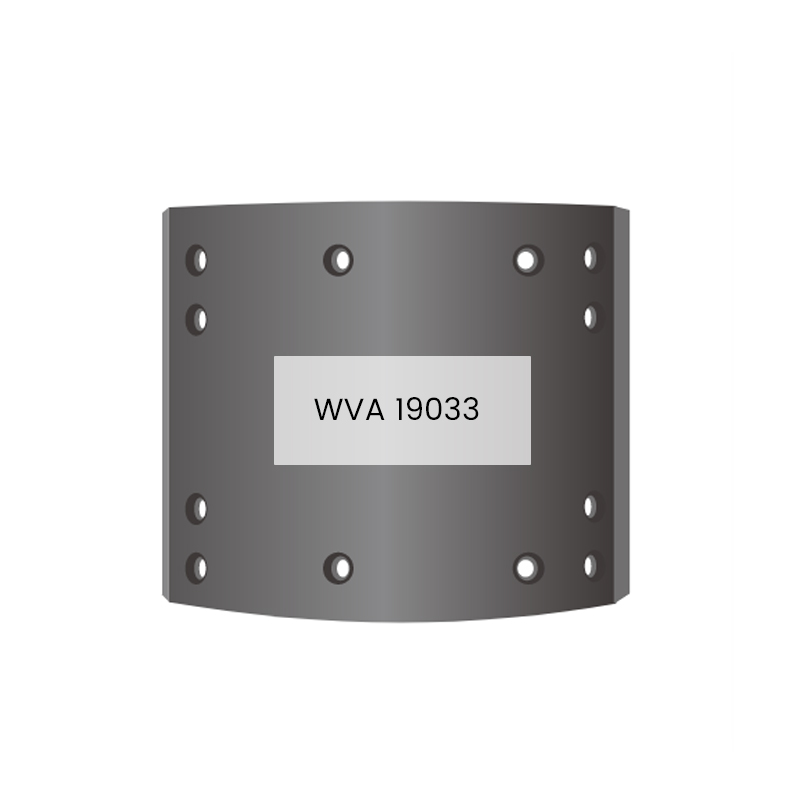
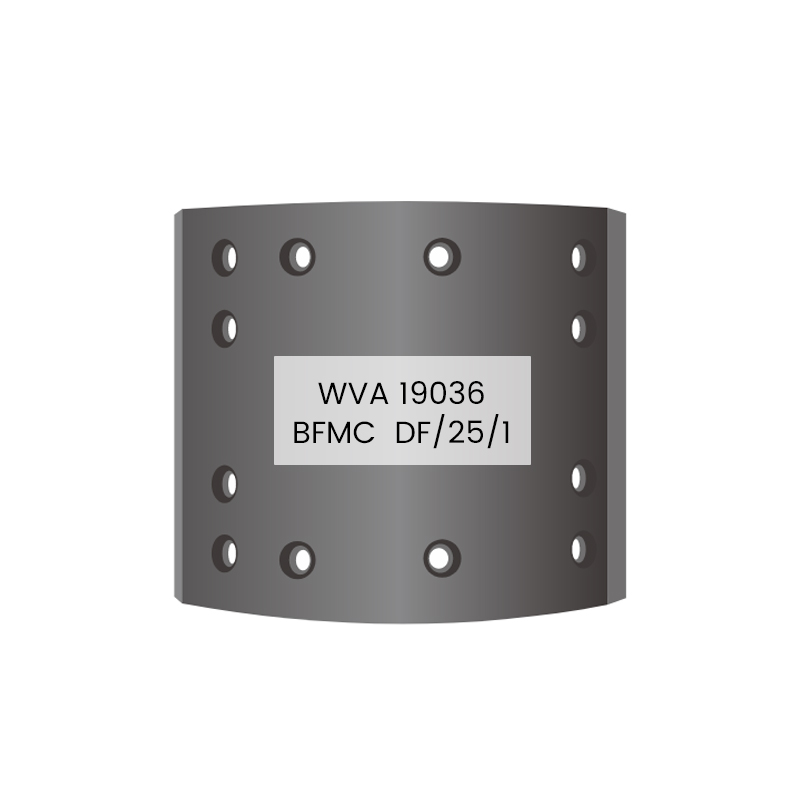
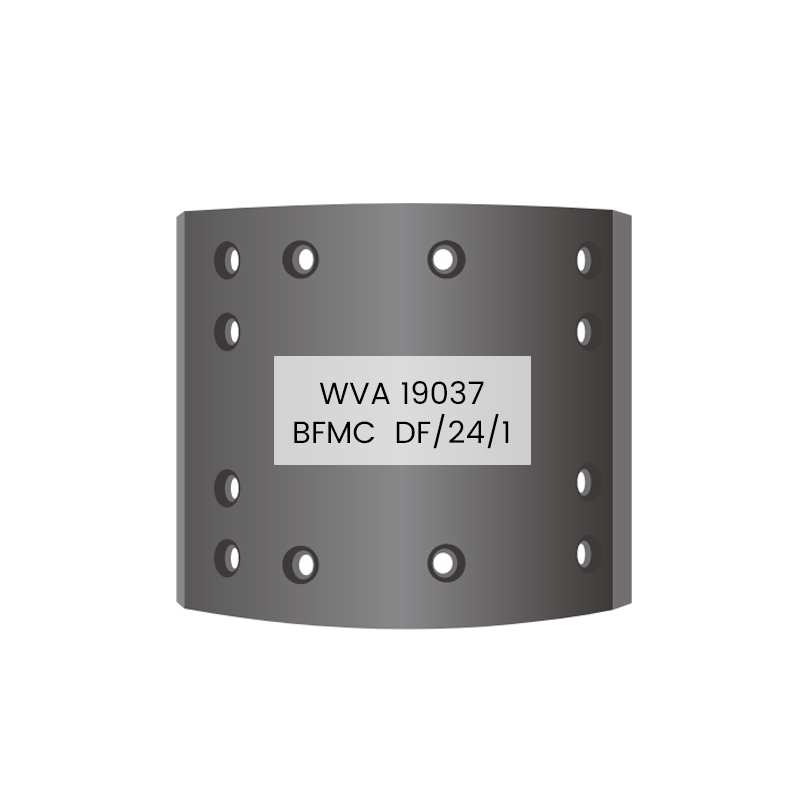
While many modern trucks use disc brakes on steer axles, drum brakes remain common on drive and trailer axles due to their parking brake integration and cost efficiency. When sourcing drum brake shoes for trucks, verify the lining width, radius curvature, and rivet vs bonded construction match your axle manufacturer's specs. Mixing disc brake pads for trucks on one axle with worn drum shoes on another can create uneven braking force distribution, leading to premature tire wear or unstable stopping in wet conditions.
Key Buying Factors for Commercial Truck Brake Pads
Shopping for aftermarket truck brake pads can feel overwhelming with so many part numbers and marketing claims. Focus on these practical, verifiable criteria to ensure you select pads that meet safety standards, perform reliably in your operating environment, and deliver predictable wear life across your fleet.
Material Composition and Friction Stability
The friction formula inside your brake pad for truck determines how consistently it grabs under varying temperatures, speeds, and moisture conditions. Look for pads that publish a friction coefficient range (typically 0.35 to 0.45 for heavy-duty applications) and specify performance across a temperature curve. Copper-free formulations are increasingly required in regions with environmental regulations, and they also reduce rotor scoring. Ask suppliers for test data showing fade recovery and wear rates under FMVSS 121 or ECE R90 certification protocols.
OEM vs Aftermarket: Certification and Warranty
OEM truck brake pads guarantee exact fit and performance matching your vehicle's original engineering, but they often come at a premium price. Reputable aftermarket truck brake pads can offer equal or better value if they carry independent certifications like ISO/TS 16949, NRS Brakes' corrosion-resistant coating, or Bendix's Fleet MetLok warranty. Always verify that the pad includes proper shims, hardware clips, and noise-dampening layers to prevent squeal and ensure smooth caliper movement. A strong warranty that covers premature wear or noise issues signals manufacturer confidence in the product's real-world durability.
Installation and Break-In Tips for Maximum Pad Life
Even the highest-quality brake pad for truck will underperform if installed incorrectly or not properly bedded in. Following proven procedures during replacement helps establish an even transfer layer on the rotor, reduces noise, and extends service intervals. Keep the manufacturer's instructions handy and use calibrated torque tools to avoid damaging caliper pins or warping rotors.
Proper Bedding-In Procedure for New Pads
After installing new semi truck brake pads, perform a controlled break-in sequence to condition the friction surfaces. Start with five to eight moderate stops from 30 mph down to 10 mph, allowing 30 seconds of cooling between each stop. Then complete two to three firmer stops from 45 mph to 15 mph, again with cooling intervals. Avoid coming to a complete stop or holding the brake pedal down while hot, as this can create uneven pad deposits and lead to vibration or judder. Document the bedding process in your maintenance log for warranty and fleet tracking purposes.
Warning Signs It Is Time to Replace Truck Brake Pads
Do not wait for metal-on-metal grinding to schedule a brake inspection. Monitor these early indicators to plan replacements during routine maintenance windows and avoid emergency downtime:
- Increased stopping distance or a spongy pedal feel that does not improve after bleeding the system
- Visible pad thickness below 4mm on disc brakes or lining depth under 1/8 inch on drum shoes
- Uneven wear patterns, cracking, or glazing on the pad surface indicating caliper or slide pin issues
- Excessive brake dust buildup on wheels combined with reduced braking responsiveness
- Dashboard warning lights for brake wear sensors or ABS module fault codes related to wheel speed discrepancies
Simple Maintenance Habits to Extend Brake System Life
Taking care of your truck's braking components is not just about replacing pads when they wear out. A few proactive habits during routine service checks can double the life of your rotors, keep calipers moving freely, and ensure consistent stopping power in all weather conditions. Build these steps into your pre-trip or scheduled maintenance checklist to catch small issues before they become expensive repairs.
- Clean and lubricate caliper slide pins and contact points every time you change pads to prevent uneven wear and drag
- Inspect brake hoses and lines for cracks, bulges, or fluid leaks that could compromise hydraulic pressure during hard stops
- Measure rotor thickness and runout with a micrometer and dial indicator; replace or resurface before pads wear below minimum specs
- Flush brake fluid every two years or per manufacturer schedule to remove moisture that lowers boiling point and accelerates corrosion
- Keep a log of pad brand, part number, installation date, and mileage to track performance trends and optimize future purchasing decisions