 English
 中文简体
中文简体Content
What Is Brake Lining?
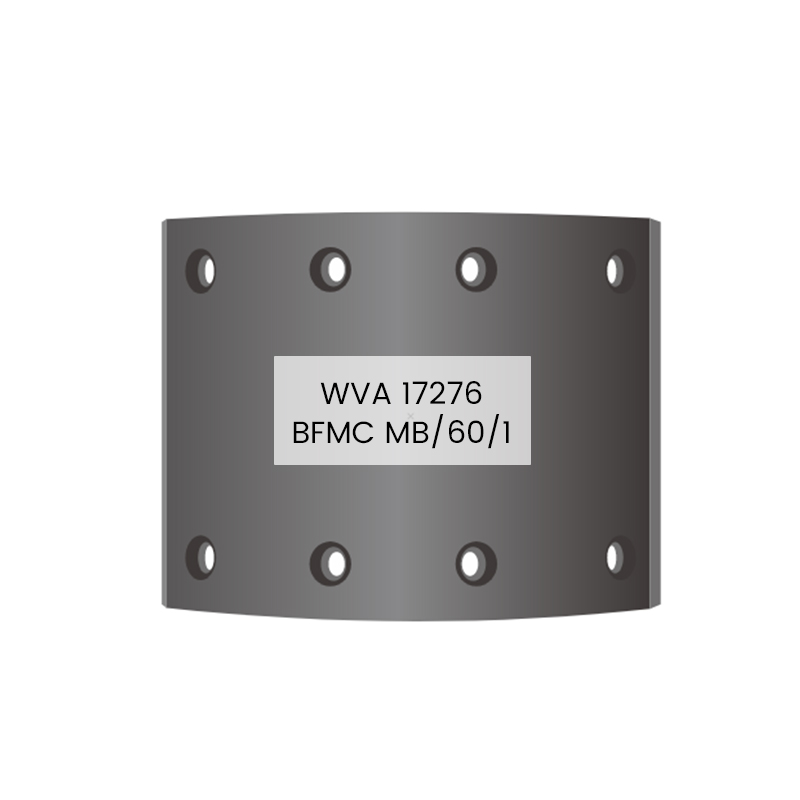
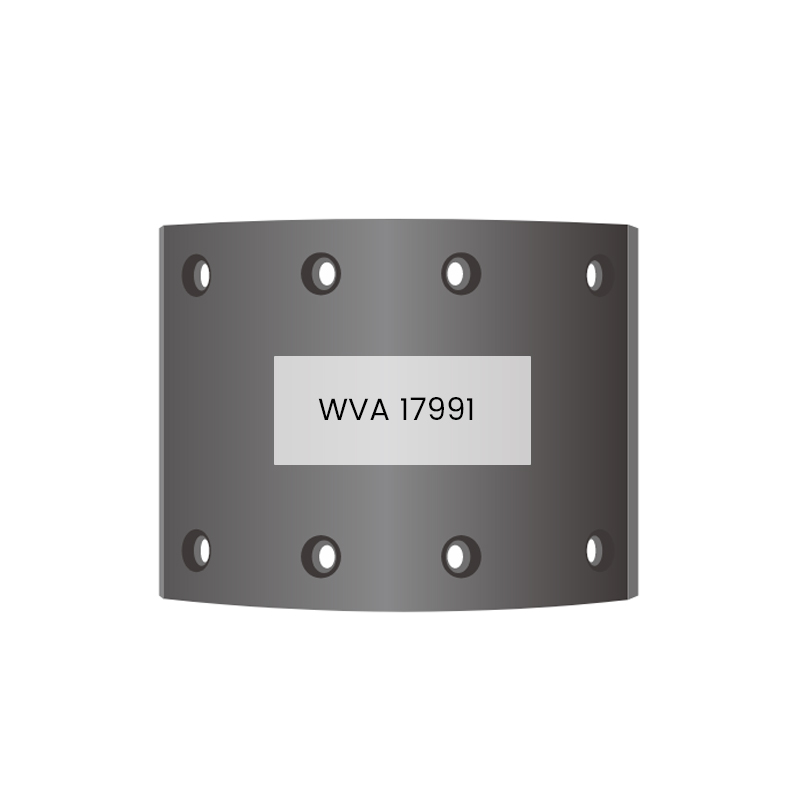
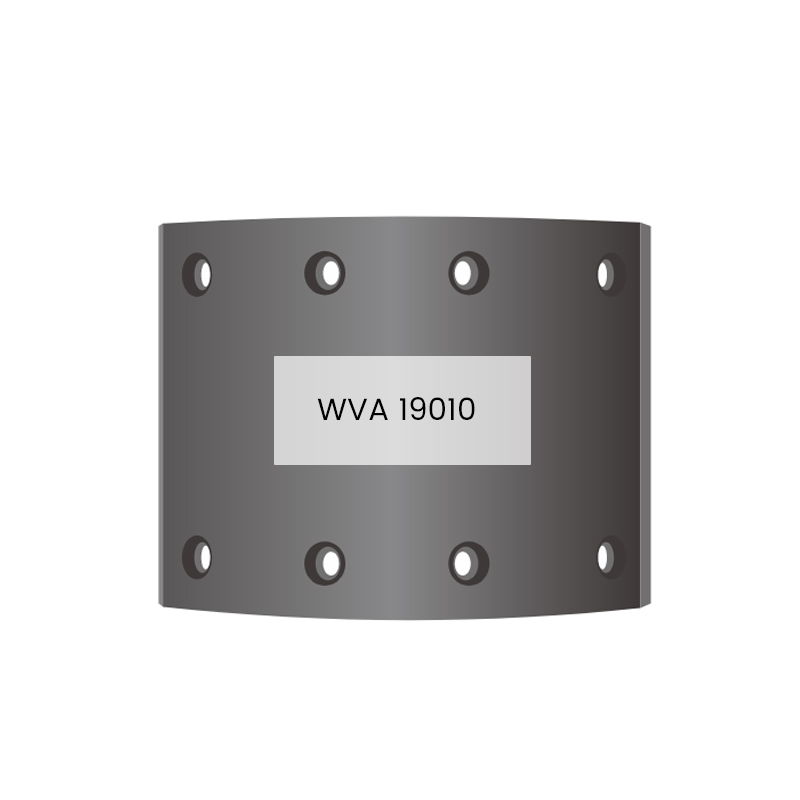
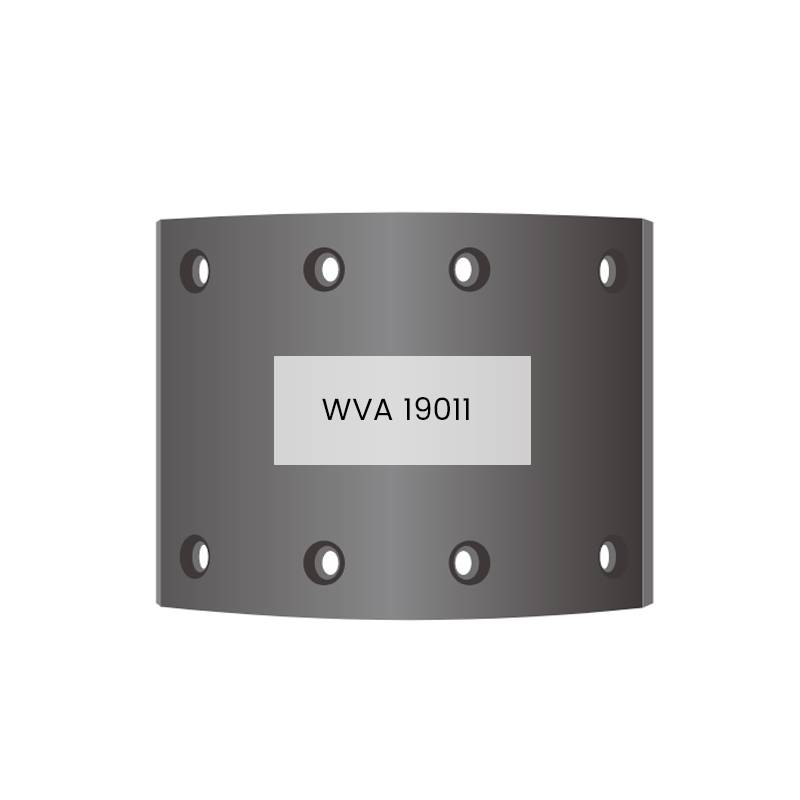
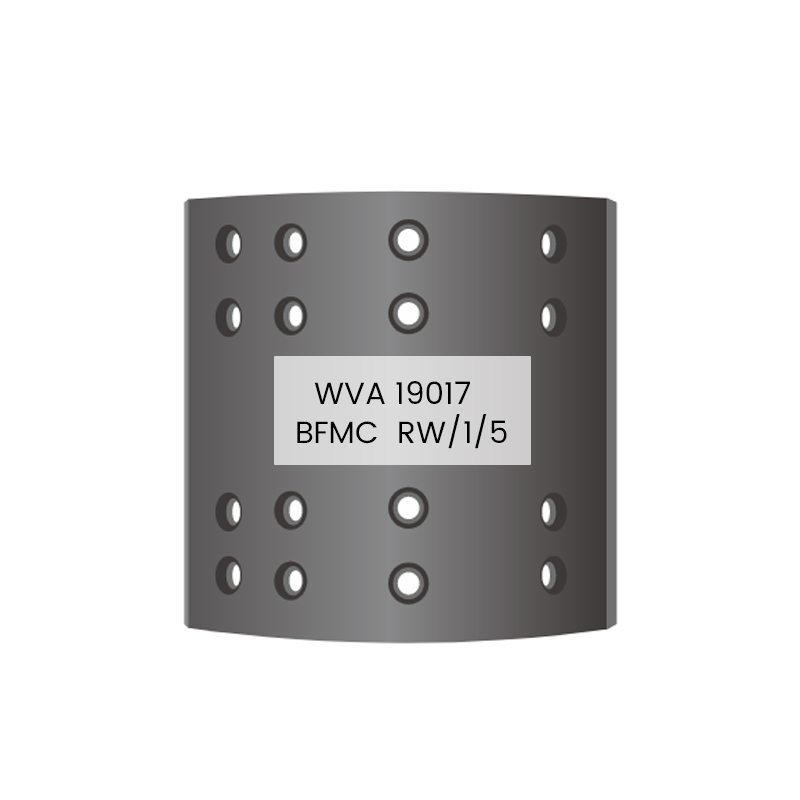
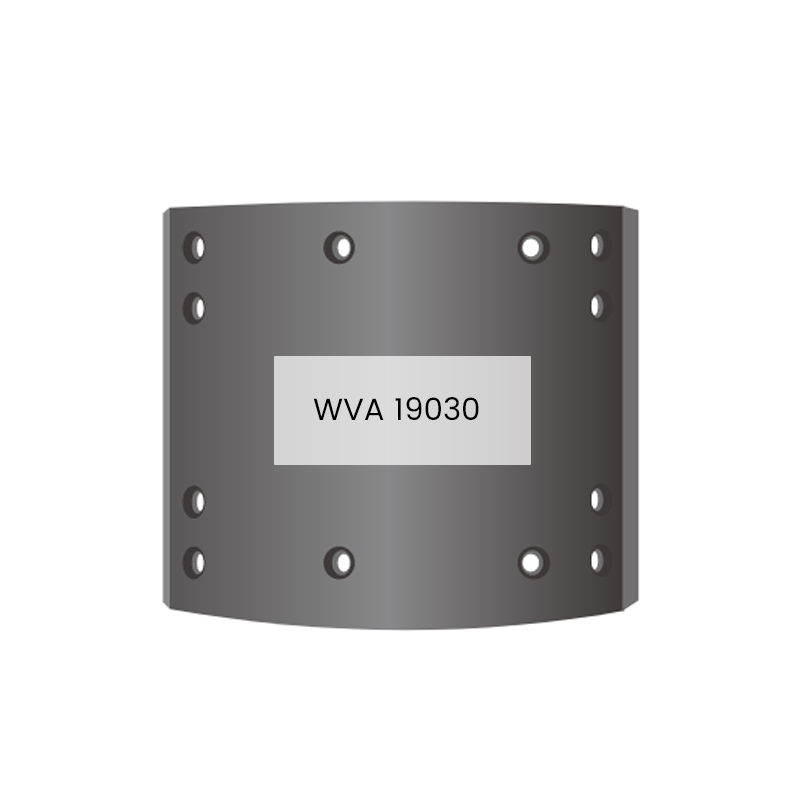
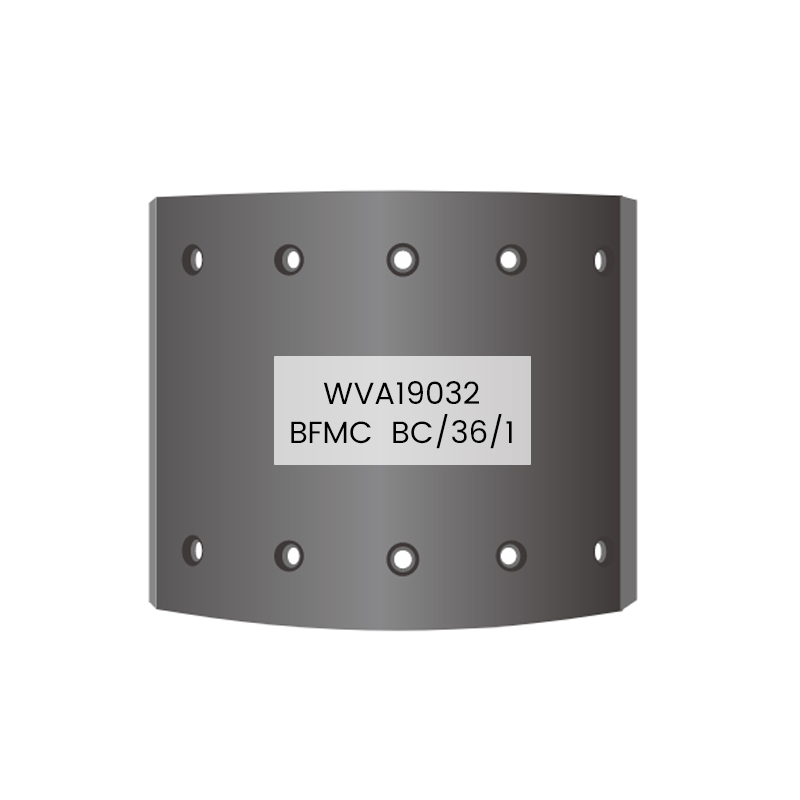
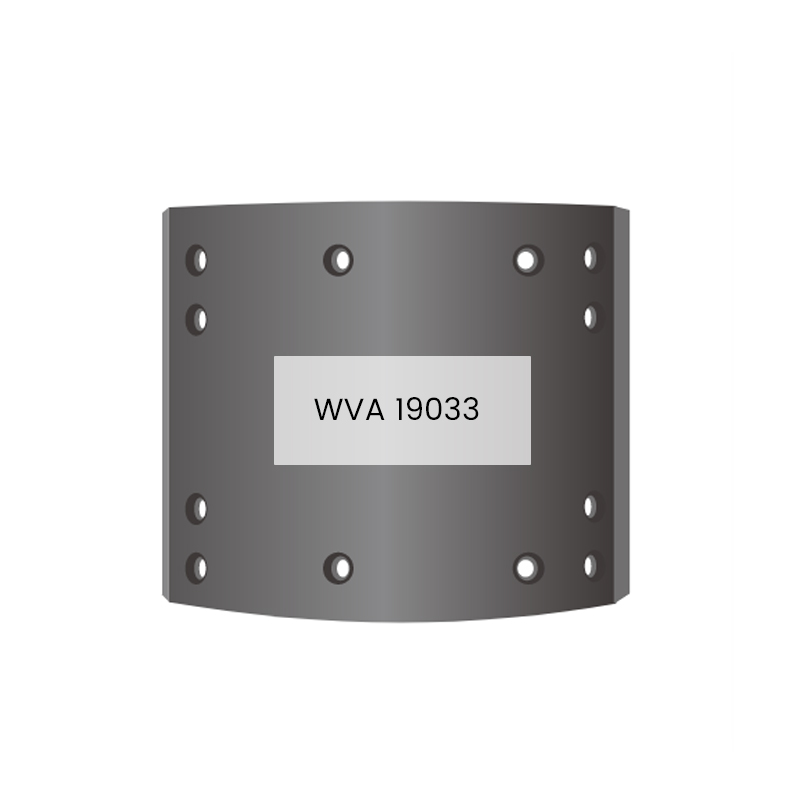
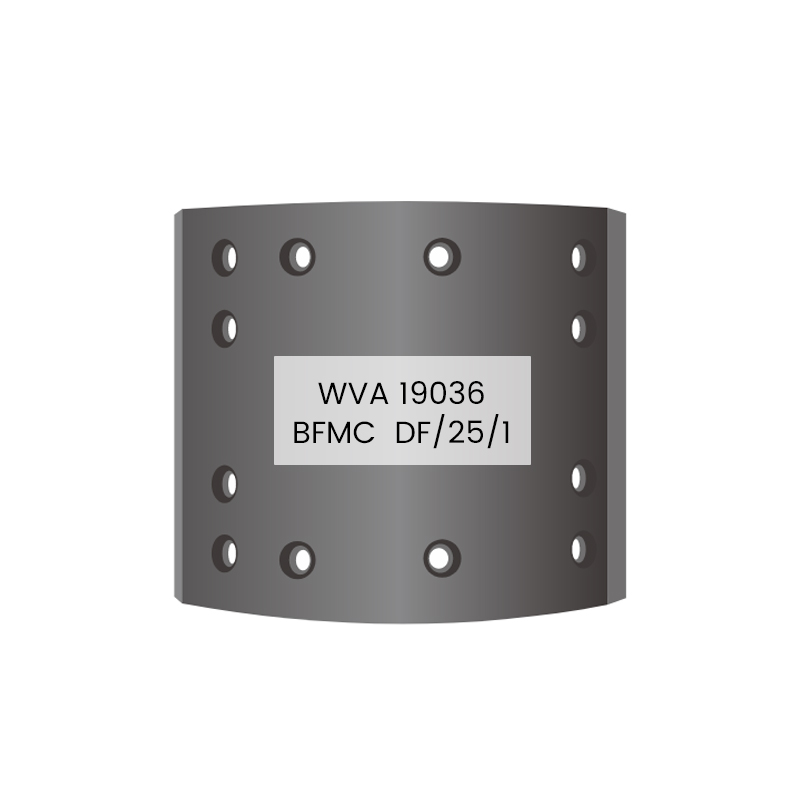
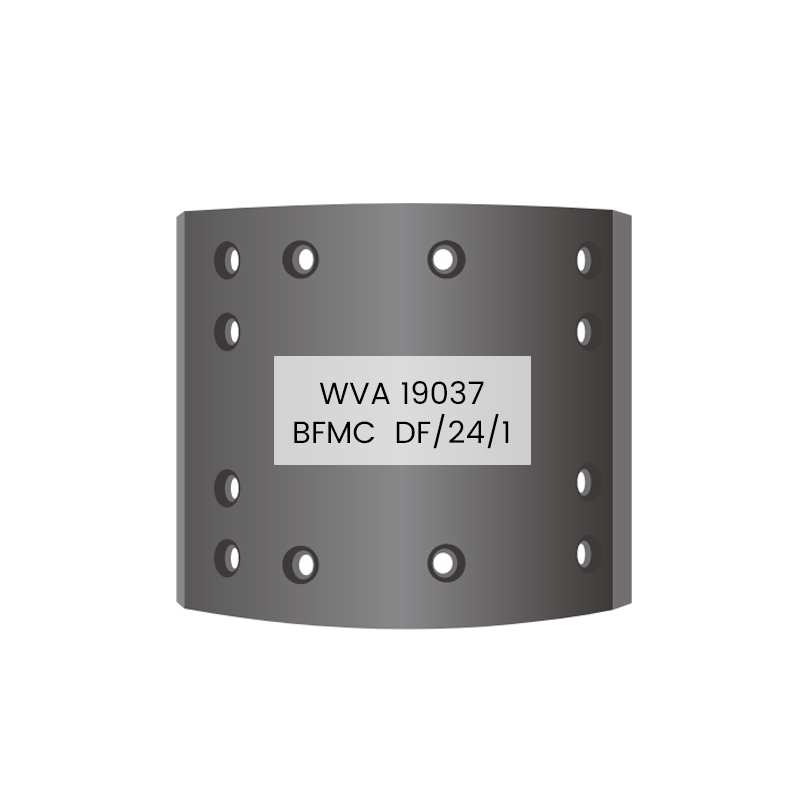
Brake lining is the friction material attached to a vehicle's brake shoes or pads that allows your car to slow down safely. When you press the brake pedal, the brake lining presses against the drum or disc, creating friction that stops the wheels from spinning. Without good brake linings, your vehicle’s braking efficiency decreases, which can be dangerous.
Modern brake linings are made from a variety of materials including semi-metallic, ceramic, and organic compounds. Each type offers different benefits for performance, durability, and noise reduction.
Types of Brake Lining Materials
Choosing the right brake lining material depends on your driving habits, vehicle type, and performance needs. Here are the most common types:
- Semi-Metallic Brake Lining: Made with metal fibers mixed with friction materials, they are durable and excellent for heat dissipation but may produce more noise.
- Ceramic Brake Lining: Composed of ceramic fibers and filler materials, these linings are quiet, produce less dust, and last longer.
- Organic Brake Lining: Made from natural fibers and resins, these provide smooth braking and are gentle on the rotors but wear faster.
- Low-Metallic Brake Lining: Combines organic materials with small amounts of metal for improved heat transfer and braking efficiency.
Signs You Need to Replace Brake Lining
Brake linings wear down over time and need replacement to ensure safety. Watch for these signs:
- Squeaking or grinding noises when braking
- Reduced braking efficiency or longer stopping distances
- Vibration or pulsation in the brake pedal
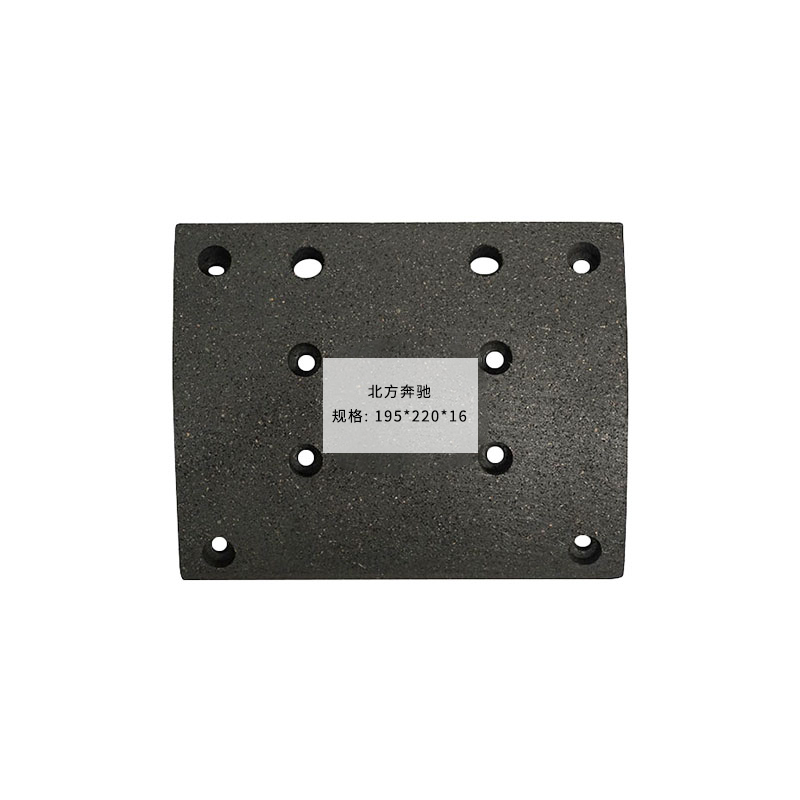
- Visible wear on brake pads or linings
How to Maintain Your Brake Lining
Proper maintenance can extend the life of your brake lining and keep your vehicle safe:
- Regularly inspect brake pads and linings for wear
- Keep brake discs and drums clean and free of debris
- Avoid harsh braking whenever possible
- Replace brake fluid as recommended to prevent corrosion
Comparing Brake Lining Types
| Material | Durability | Noise | Cost |
| Semi-Metallic | High | Moderate to Loud | Medium |
| Ceramic | High | Low | High |
| Organic | Low to Medium | Low | Low |
Tips for Choosing the Right Brake Lining
When selecting brake linings, consider the following:
- Vehicle type and weight
- Driving style—city vs. highway vs. performance driving
- Budget and maintenance preferences
- Environmental factors like extreme temperatures
Conclusion
Brake lining is a critical component for vehicle safety and performance. Understanding the types, maintenance, and signs of wear helps you choose the right material and ensures your brakes function properly. Regular inspection and timely replacement of brake linings can save money and prevent accidents.