 English
 中文简体
中文简体Content
Understanding the Critical Role of Automobile Brake Lining
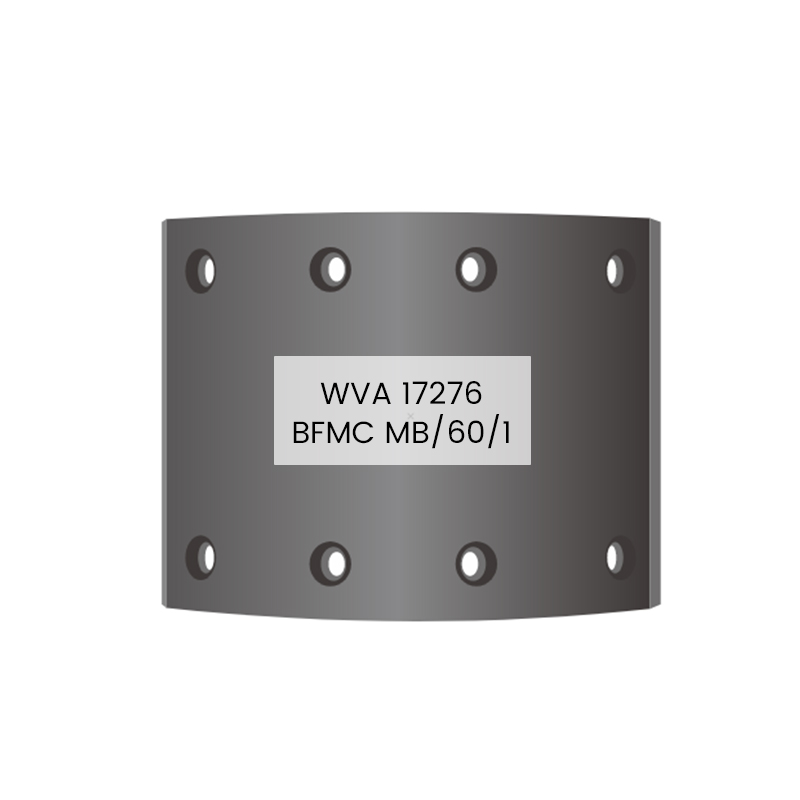
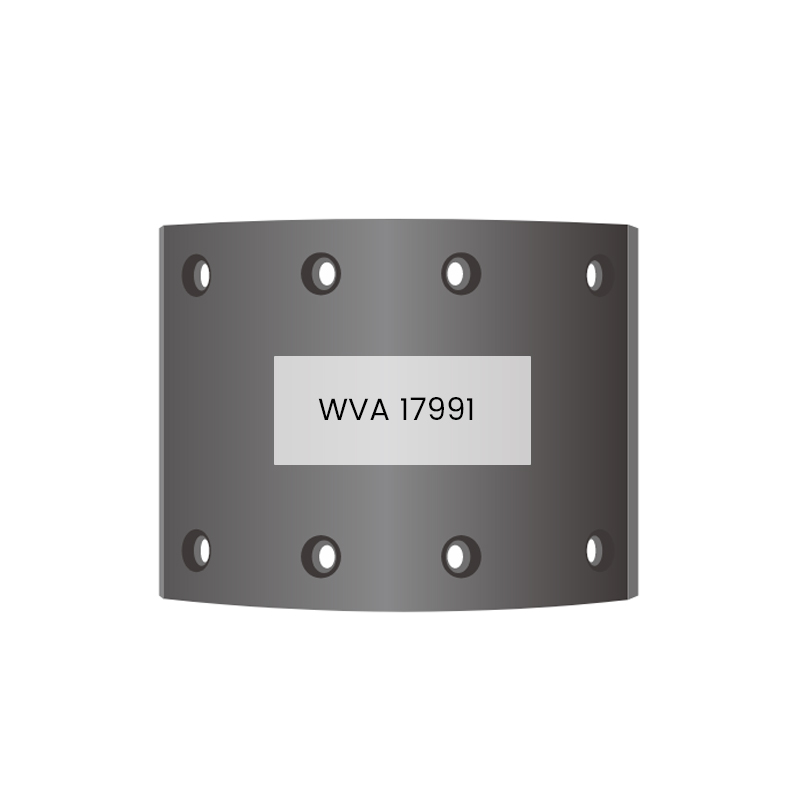
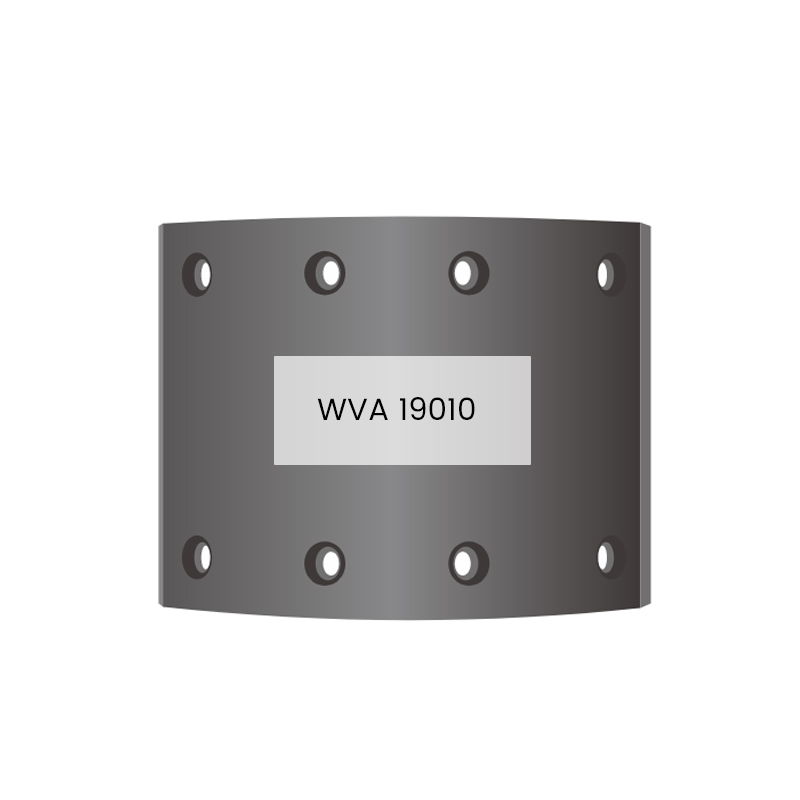
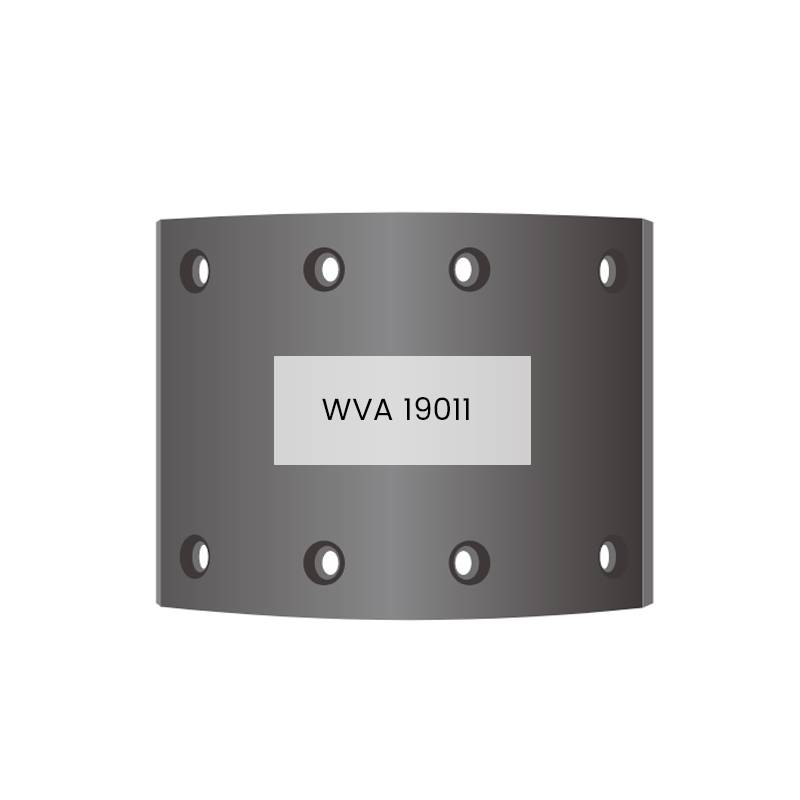
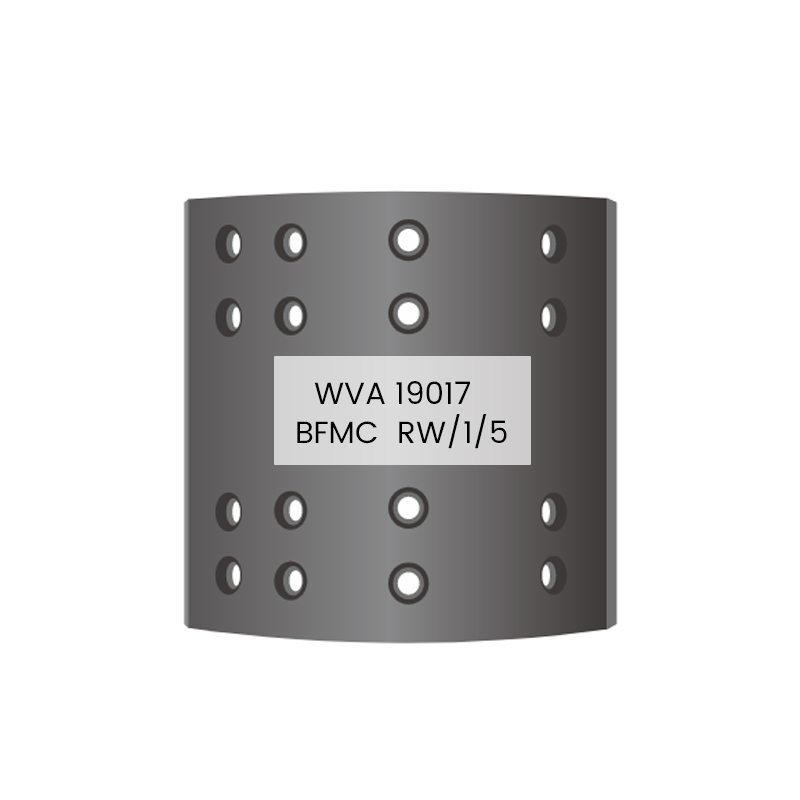
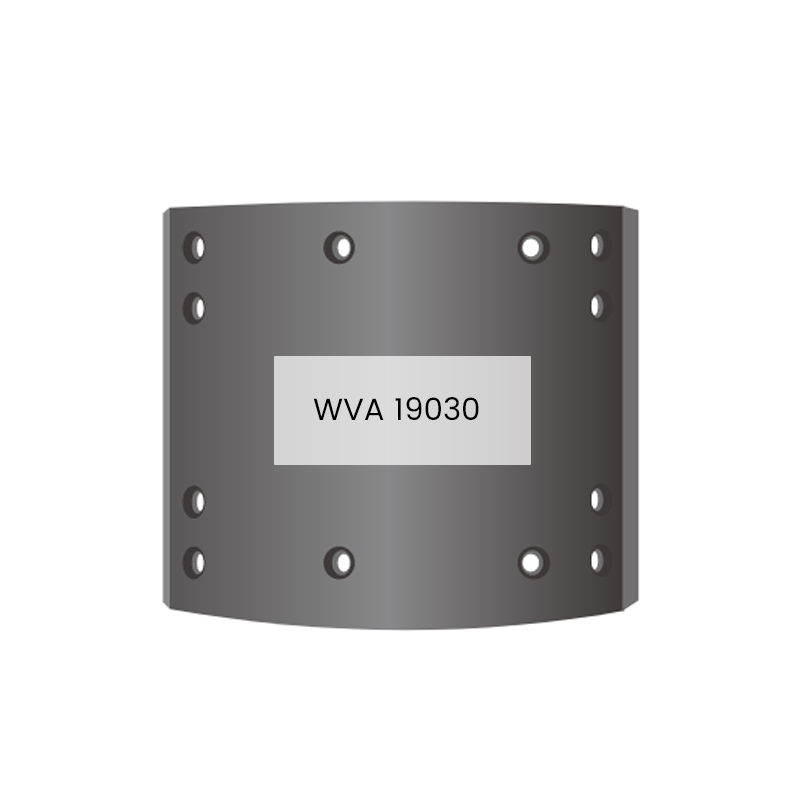
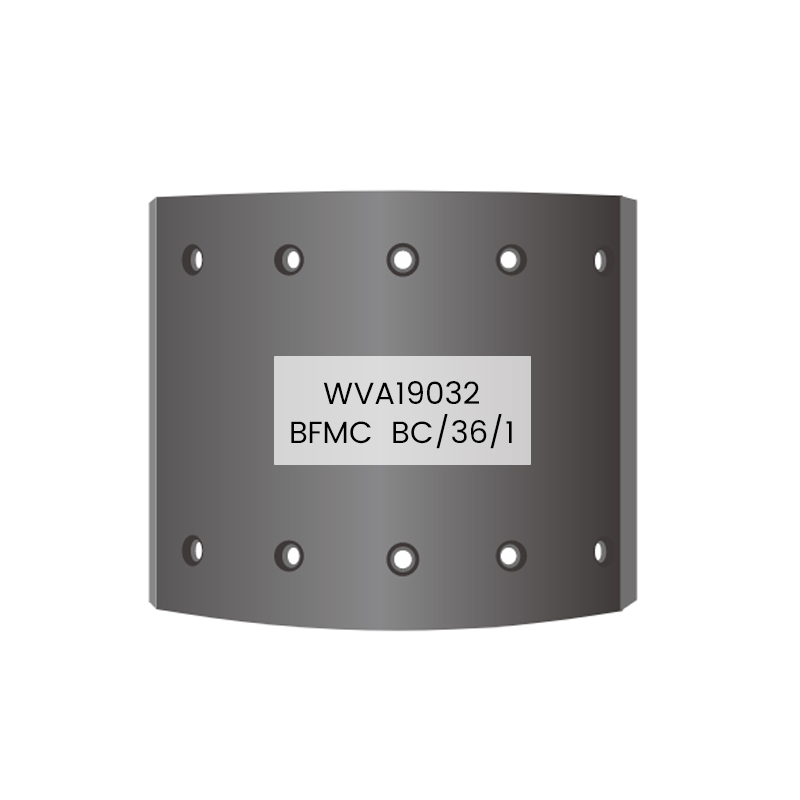
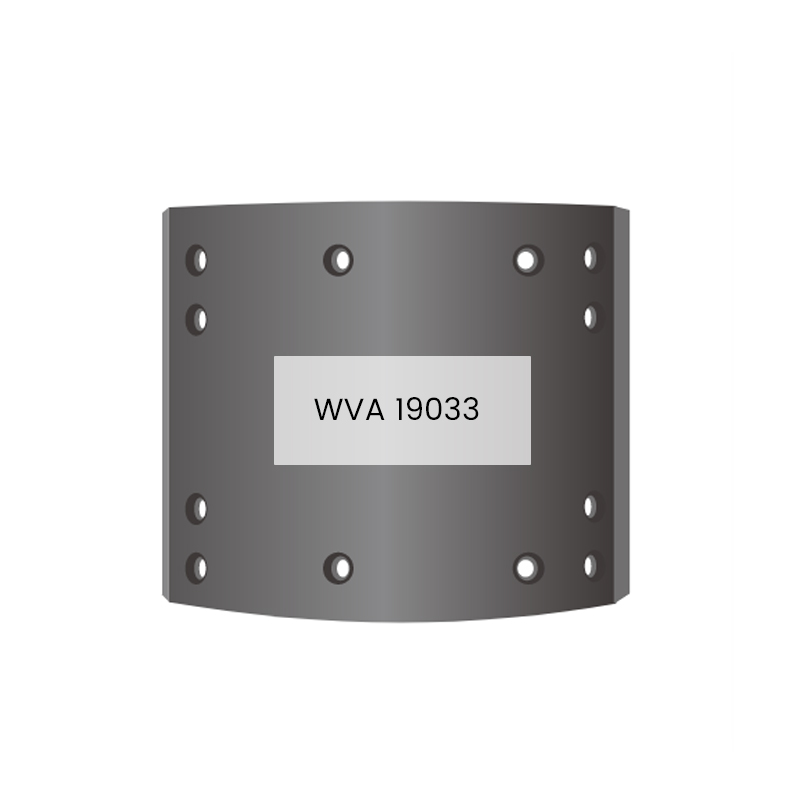
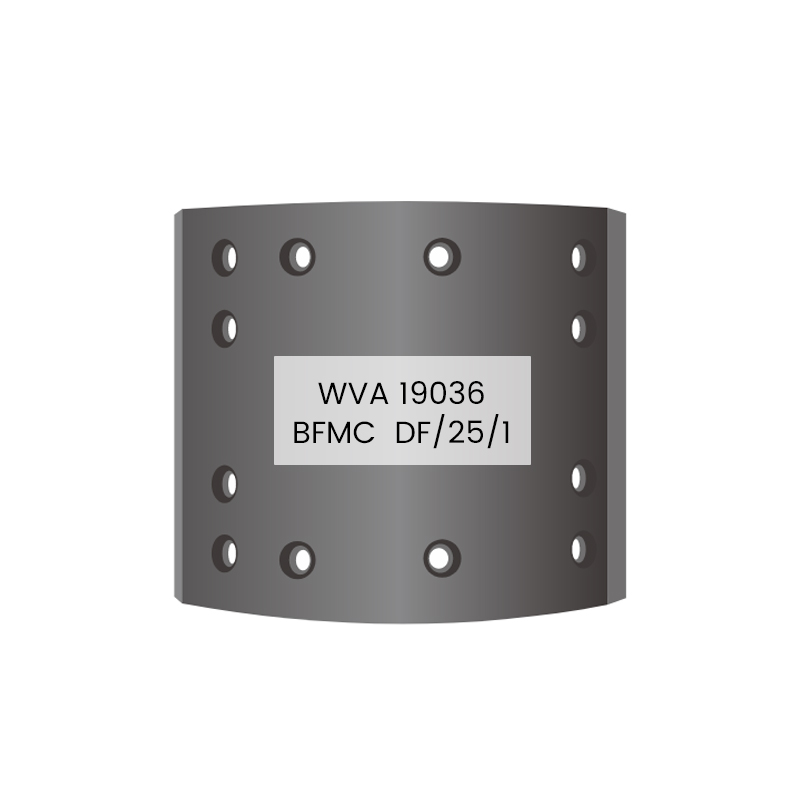
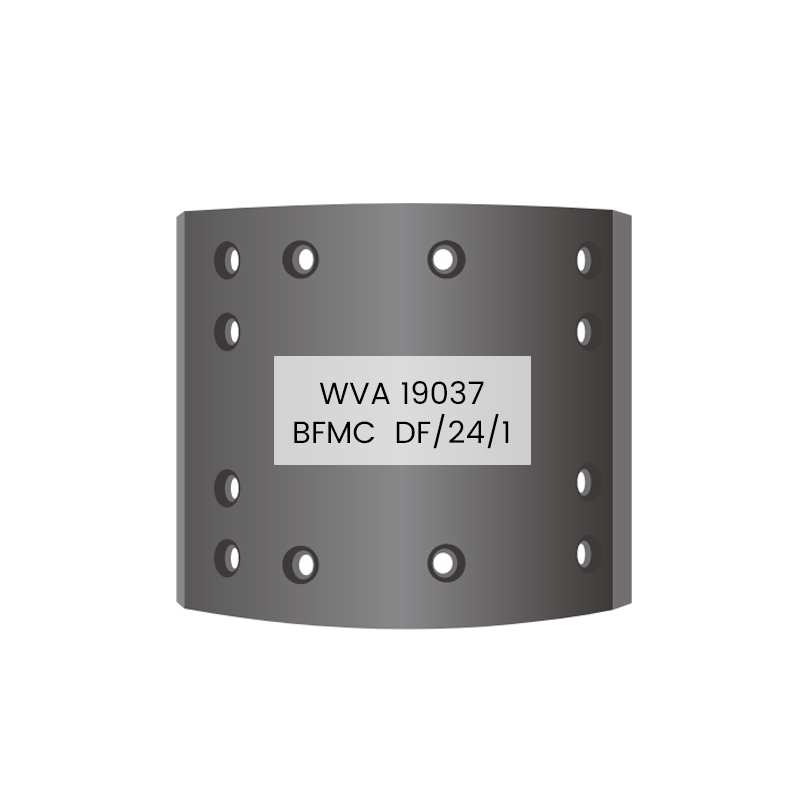
The automobile brake lining is the consumable surface in a braking system that creates the necessary friction to stop a vehicle. Attached to brake shoes or pads, these linings press against the rotating drum or disc when the brake pedal is engaged. Because they are responsible for converting kinetic energy into thermal energy, the quality and condition of the lining material directly dictate how quickly and safely a vehicle can come to a complete halt under various driving conditions.
Modern brake friction materials are engineered to withstand extreme temperatures without losing their structural integrity. When a driver applies pressure, the automotive lining must provide a consistent coefficient of friction. If the material is too soft, it wears down prematurely; if it is too hard, it can cause excessive wear on the brake drums or rotors, leading to costly mechanical repairs and decreased braking efficiency.
Common Materials Used in Brake Lining Manufacturing
Selecting the right material for an automobile brake lining involves balancing noise, wear rate, and heat dissipation. Manufacturers typically categorize these materials into three primary types based on their chemical composition and performance characteristics.
Non-Asbestos Organic (NAO) Linings
Organic linings are made from fibers, high-temperature resins, and fillers. They are generally softer and quieter than other options, making them popular for daily commuting vehicles. However, they tend to wear out faster and may not perform as well under heavy-duty towing or high-speed racing conditions.
Semi-Metallic Brake Linings
These contain a high percentage of metal fibers, such as steel or copper. This composition allows for excellent heat transfer, which is vital for preventing brake fade during prolonged use. While highly durable, they can be noisier and more abrasive toward the brake rotors compared to organic alternatives.
Comparing Performance Characteristics of Brake Linings
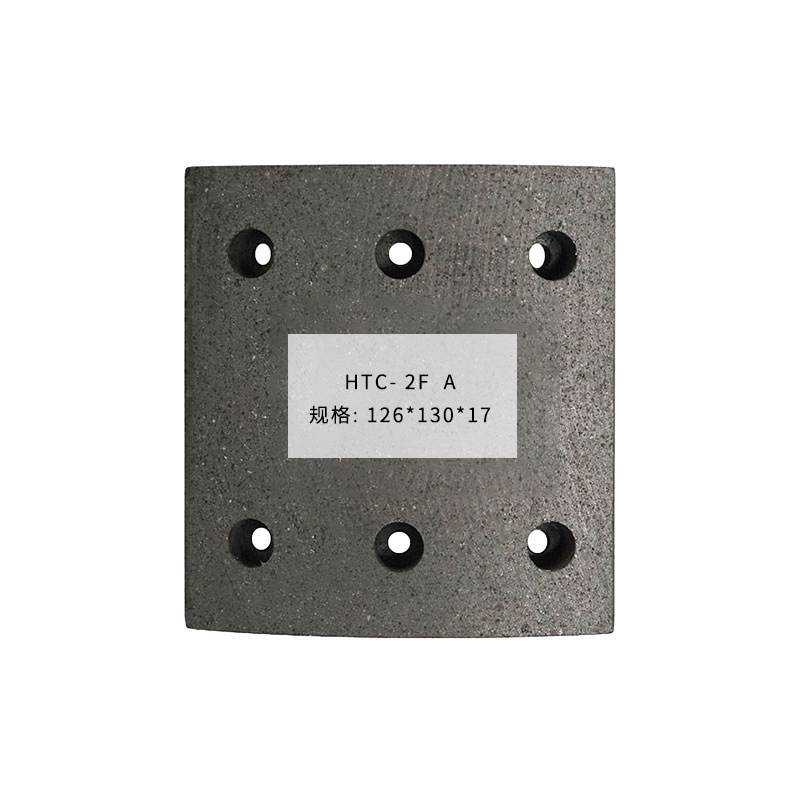
To help vehicle owners and mechanics choose the best friction material, the following table compares the essential attributes of the most common automobile brake lining types currently available on the market.
| Lining Type | Heat Resistance | Noise Level | Durability |
| Organic | Moderate | Very Low | Low |
| Semi-Metallic | High | Moderate | High |
| Ceramic | Very High | Low | Very High |
Key Signs of Brake Lining Wear and Failure
Monitoring the thickness and condition of your automobile brake lining is a fundamental aspect of vehicle maintenance. Because these components rely on friction, they are designed to wear away over time. Recognizing the early warning signs of thinning linings can prevent dangerous brake failure and more expensive damage to the braking system.
- High-pitched squealing or screeching sounds when applying pressure to the brake pedal.
- A noticeable increase in the distance required to bring the vehicle to a full stop.
- Vibrations or pulsations felt through the pedal, indicating uneven lining wear or heat spots.
- Grinding metallic noises, which suggest the lining has worn down completely to the metal backing.
Best Practices for Extending Brake Lining Life
While every automobile brake lining will eventually require replacement, certain driving habits can significantly extend their lifespan. Aggressive braking and high-speed stops generate excessive heat, which accelerates the degradation of the friction material. By practicing "engine braking" or coasting to reduce speed before applying the brakes, drivers can minimize the thermal stress placed on the linings.
Additionally, keeping the braking system clean and free of debris ensures that the lining makes uniform contact with the drum or rotor. Regular inspections during tire rotations allow for the early detection of uneven wear patterns, which may indicate a stuck caliper or a misaligned brake shoe. Proper maintenance not only ensures safety but also maximizes the return on investment for your vehicle's braking components.