 English
 中文简体
中文简体Content
- 1 Understanding Brake Lining Performance in Modern Vehicles
- 2 Key Brake Lining Materials and Their Practical Applications
- 3 How Brake Lining Thickness and Wear Affect Safety
- 4 Brake Lining Selection Based on Driving Conditions
- 5 Installation and Bedding-In for Optimal Brake Lining Life
- 6 Cost Control and Longevity Strategies for Brake Linings
Understanding Brake Lining Performance in Modern Vehicles
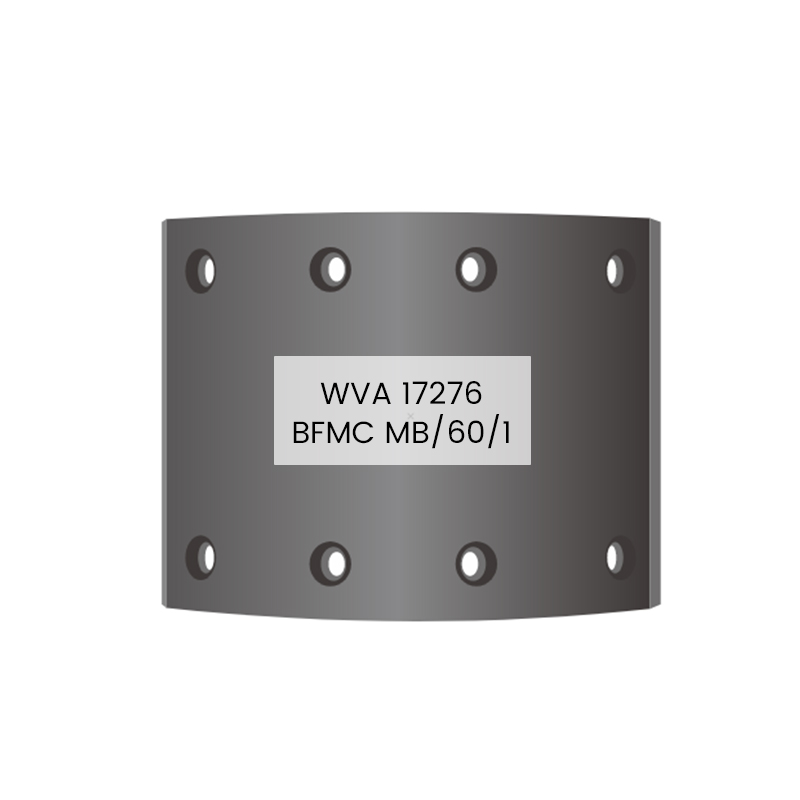
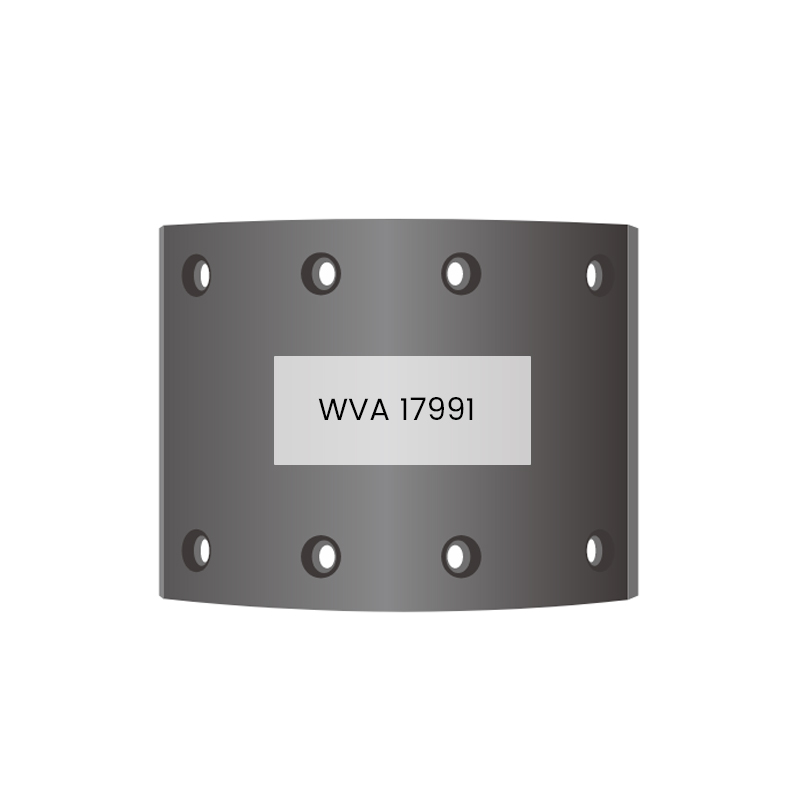
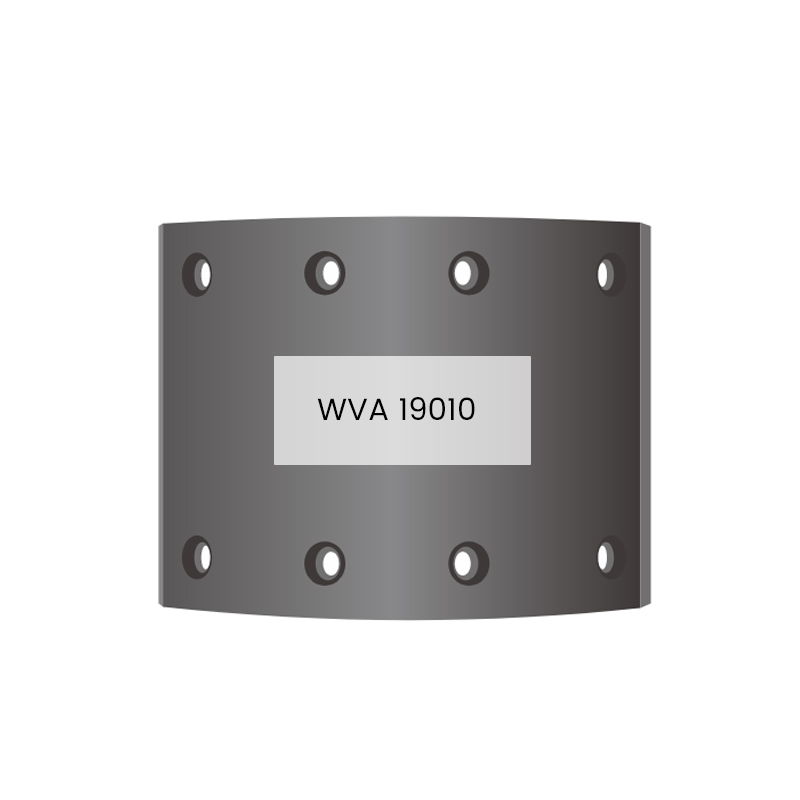
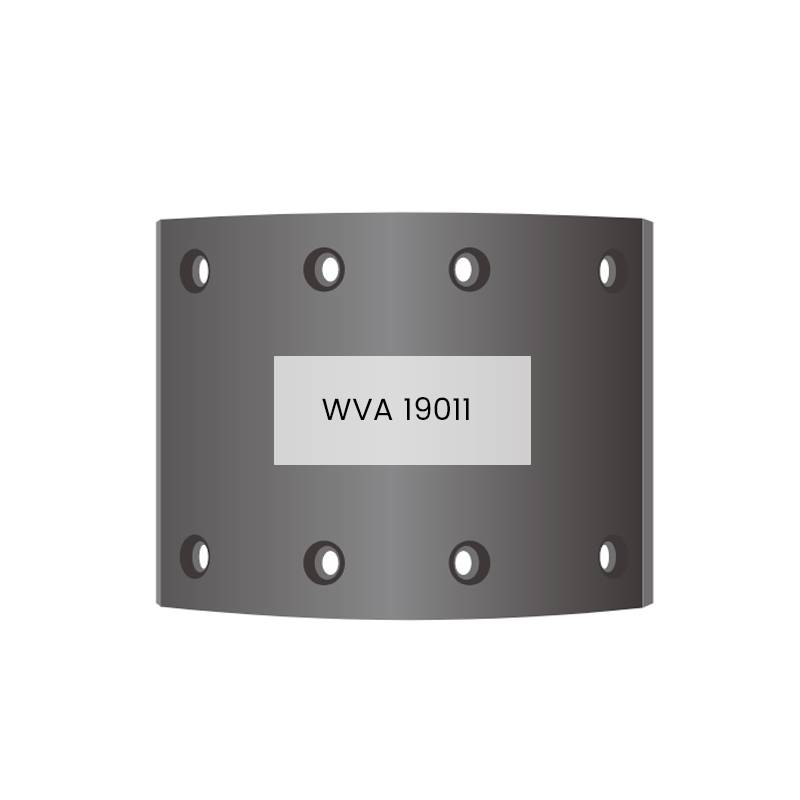
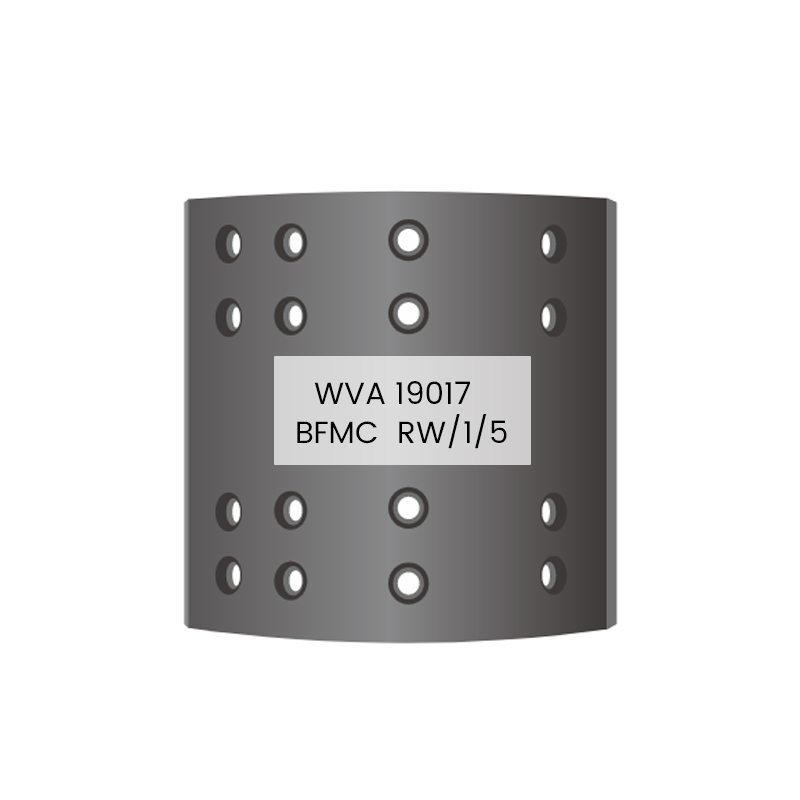
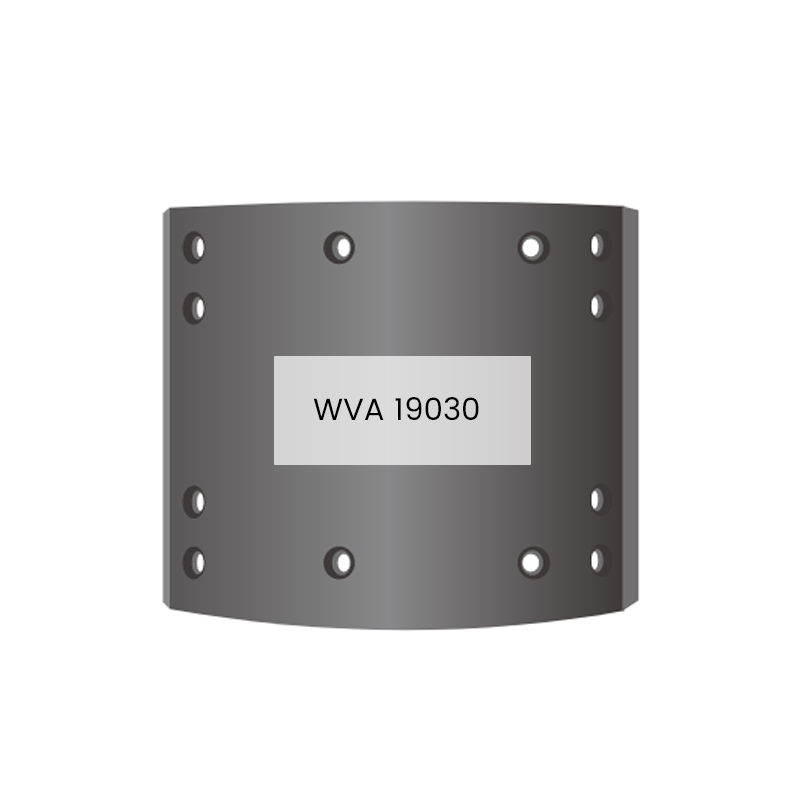
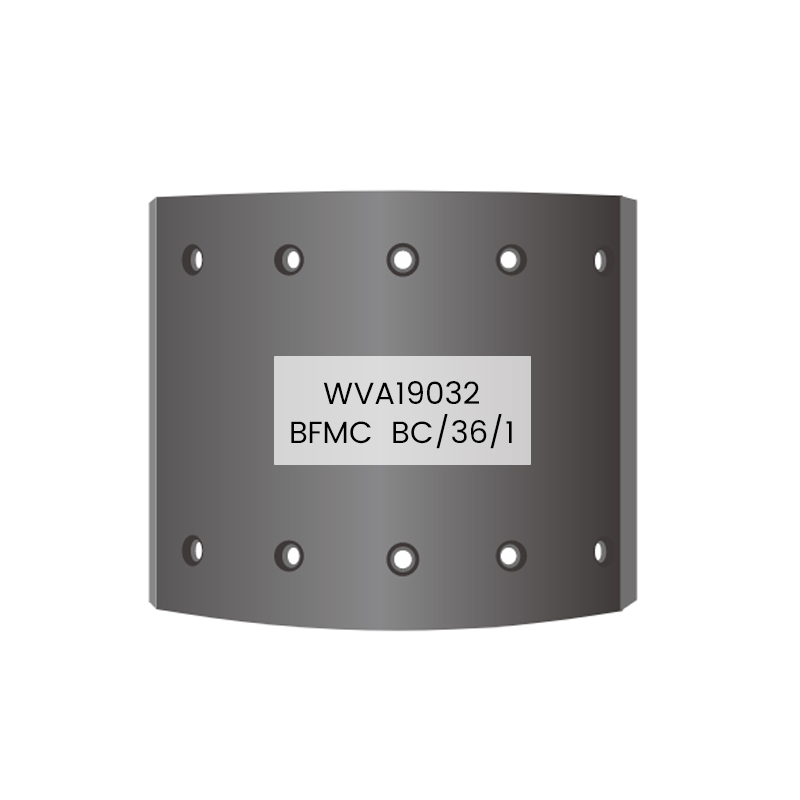
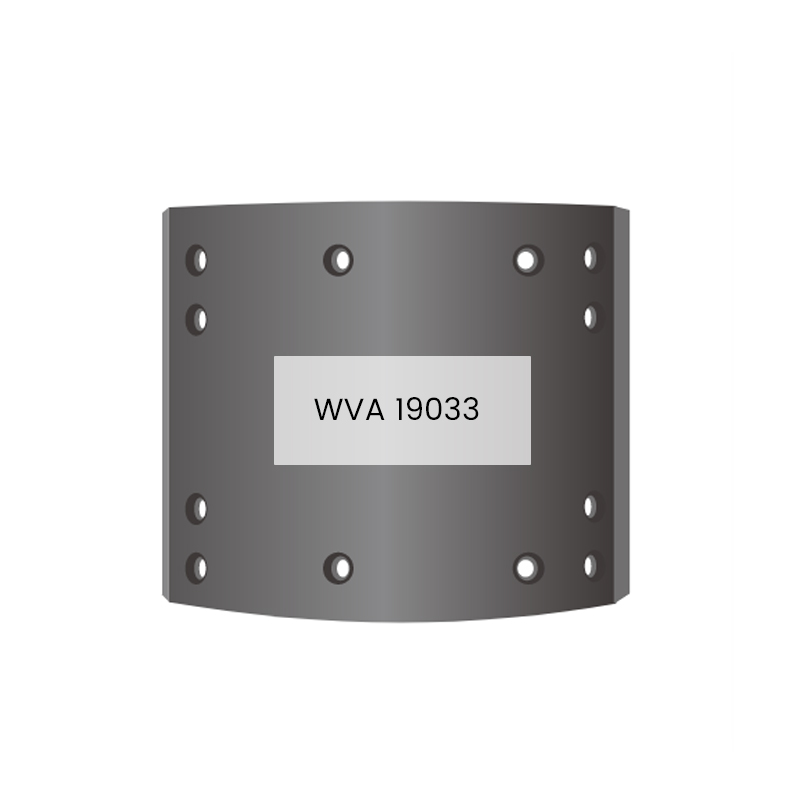
Brake lining is a critical friction material bonded or riveted to brake shoes or pads, directly responsible for converting kinetic energy into heat during braking. Its performance determines stopping distance, pedal feel, noise levels, and overall braking safety. Modern brake linings are engineered to deliver stable friction across a wide temperature range while minimizing wear to both the lining itself and the mating brake drum or disc.
Unlike older asbestos-based products, today’s brake linings rely on complex material formulations that balance friction modifiers, binders, fibers, and fillers. These components work together to ensure consistent braking behavior under city driving, highway cruising, and high-load or downhill conditions.
Key Brake Lining Materials and Their Practical Applications
Selecting the right brake lining material depends on vehicle type, operating environment, and performance expectations. Each material category offers distinct advantages and limitations in real-world use.
- Non-Asbestos Organic (NAO): Provides smooth braking and low noise, commonly used in passenger vehicles where comfort and low dust are priorities.
- Semi-Metallic: Contains metal fibers for improved heat dissipation and durability, making it suitable for trucks, SUVs, and performance-oriented vehicles.
- Ceramic: Offers stable friction, low wear, and minimal noise, ideal for drivers seeking long service life and consistent pedal response.
How Brake Lining Thickness and Wear Affect Safety
Brake lining thickness directly impacts braking efficiency and heat management. As the lining wears down, heat builds up faster, increasing the risk of brake fade and reducing stopping power. Regular inspection ensures the lining remains within safe operating limits.
Ignoring worn brake linings can lead to metal-to-metal contact, damaging drums or discs and significantly increasing repair costs. Preventive replacement is far more economical than addressing secondary brake system failures.
Recommended Inspection Intervals
For most vehicles, brake lining inspection is recommended every 10,000–15,000 miles or during routine tire rotations. Commercial vehicles or those operating under heavy loads may require more frequent checks.
Brake Lining Selection Based on Driving Conditions
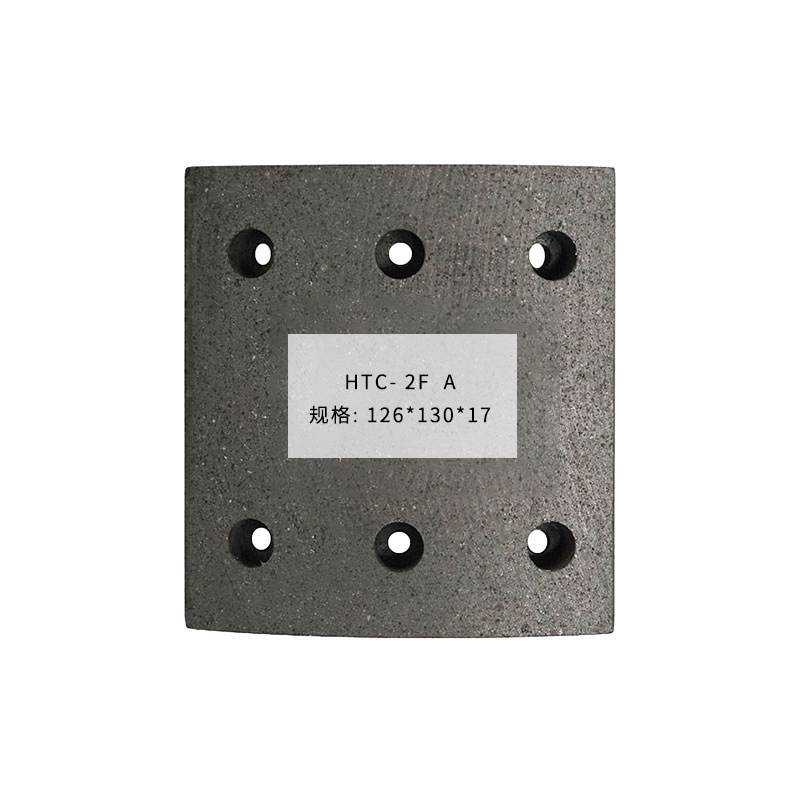
Driving environment plays a decisive role in brake lining performance. Urban stop-and-go traffic demands materials with quick friction response and low noise, while highway or mountainous driving requires superior heat resistance and fade control.
| Driving Condition | Recommended Brake Lining Type | Key Benefit |
| City Commuting | NAO / Ceramic | Low noise and smooth braking |
| Highway Driving | Semi-Metallic | Heat resistance and durability |
| Heavy Load / Commercial | Reinforced Semi-Metallic | Extended service life |
Installation and Bedding-In for Optimal Brake Lining Life
Proper installation is essential to ensure full contact between the brake lining and the braking surface. Incorrect fitting or contamination with grease can cause uneven wear, vibration, and reduced braking efficiency.
After installation, a controlled bedding-in process helps transfer an even friction layer onto the disc or drum. Gradual stops from moderate speeds allow the brake lining to reach operating temperature without overheating, extending its usable life and ensuring consistent performance.
Cost Control and Longevity Strategies for Brake Linings
Extending brake lining life is not just about material choice but also about driving habits and maintenance. Smooth braking, avoiding unnecessary hard stops, and maintaining proper brake system alignment all contribute to reduced wear.
- Replace brake linings before they reach minimum thickness to prevent secondary damage.
- Match brake lining material to vehicle usage rather than choosing solely on price.
- Combine lining replacement with rotor or drum inspection for balanced braking performance.
By applying these practical strategies, vehicle owners and fleet operators can achieve safer braking, predictable maintenance cycles, and lower total cost of ownership through optimized brake lining selection and care.