 English
 中文简体
中文简体A brake pad is the friction component that turns motion into heat so a vehicle can slow down under control. The principle is simple; the execution is not. Friction compound, backing plate geometry, chamfers, slots and curing profiles all decide whether a brake pad still feels predictable after eighty thousand kilometres or starts fading on the first long descent.
We build friction parts for trucks, trailers, buses and wind turbines, and the same questions arrive from workshops and importers year after year. This guide gathers our answers: what a brake pad really does, how it differs from a brake lining, which materials suit which duty cycle, and how to choose correctly the first time. A short overview of who we are sits in our company profile.
Content
- 1 Brake Pad Basics: What the Friction Material Actually Does
- 2 The Brake Pad Types You Will Meet Most Often
- 3 Brake Pad vs Brake Lining: Where the Confusion Comes From
- 4 Friction Materials Behind the Pad
- 5 How to Choose the Right Brake Pad for Your Application
- 6 Installation, Break-In and Everyday Care
- 7 Finding a Brake Pad Supplier Who Understands the Details
Brake Pad Basics: What the Friction Material Actually Does
Press the pedal and hydraulic pressure drives the caliper piston into the back of the pad. The friction surface is squeezed against a rotating disc, and the kinetic energy of a moving vehicle becomes heat. That heat has to be absorbed, spread and released without the friction level collapsing, because a pad that stops working when hot is worse than no upgrade at all.
Three properties decide how a brake pad behaves in service:
- Coefficient of friction, which sets how much stopping force the pad generates for a given pedal pressure.
- Thermal stability, the temperature band within which that coefficient stays reasonably flat.
- Compressibility and wear rate, which shape pedal feel, disc life and how often the pads come off.
A pad that excels in one column can be poor in another, so the specification is always a compromise shaped by the job.
The Brake Pad Types You Will Meet Most Often
Truck and Bus Disc Brake Pads
Commercial vehicles are the hardest working customers for any brake pad. A loaded tractor-trailer can weigh forty tonnes, and every downhill grade converts that mass into heat. Truck pads therefore use thicker backing plates, a larger friction area and compounds that hold their bite as temperatures climb. In our catalogue they are organised by OE number, because that is how workshops and importers actually search. Matching your caliper and rotor combination matters far more than a generic size label.
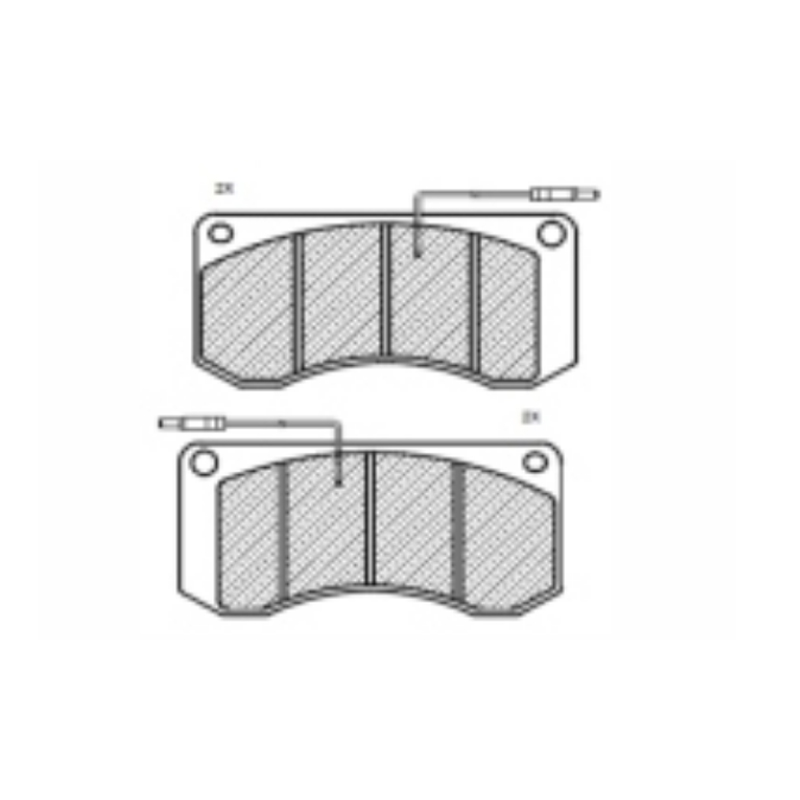 29013/29014 Truck Brake Pad for Commercial TrucksA heavy-duty truck brake pad designed for commercial vehicles and long-haul fleets, offering stable friction, heat-fade resistance, and durable wear protection.View Product →
Wind Turbine Brake Pads
Wind turbines use pads in a completely different way. Instead of stopping a vehicle, they hold a yaw system, secure the rotor during maintenance or provide emergency stopping force. Loads are enormous, braking events are few, and the pad may sit idle for months between operations. That pushes the material towards high static friction, low wear and resistance to corrosion while parked.
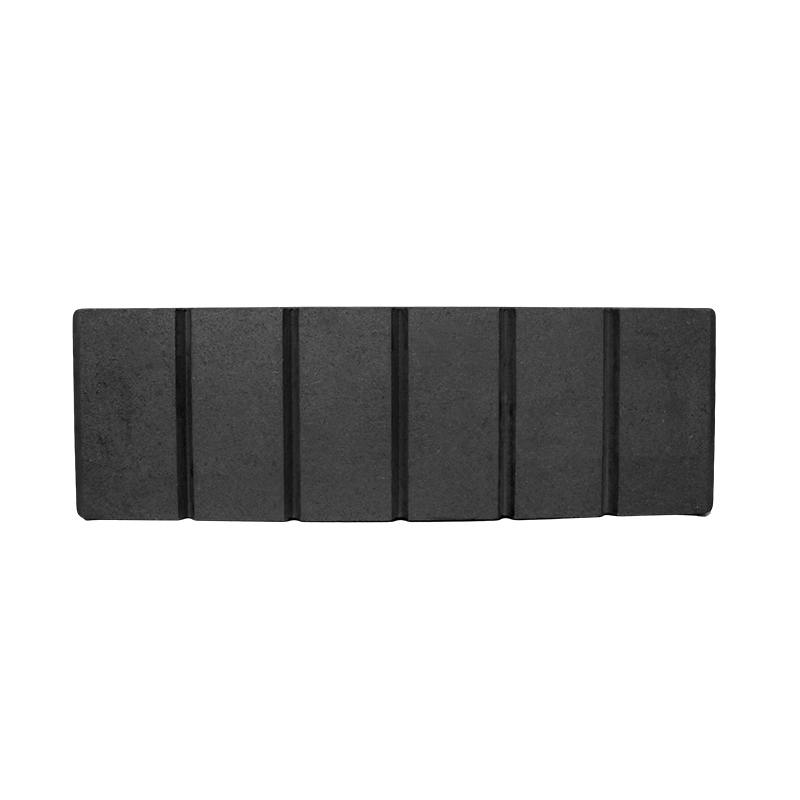 9710030717 High-load Brake Pad for Wind TurbinesDesigned for wind turbine yaw and high-speed shaft braking, this high-load pad offers stable friction, environmental compliance, and durable performance under extreme loads.View Product →
Drum Brake Shoes and Linings
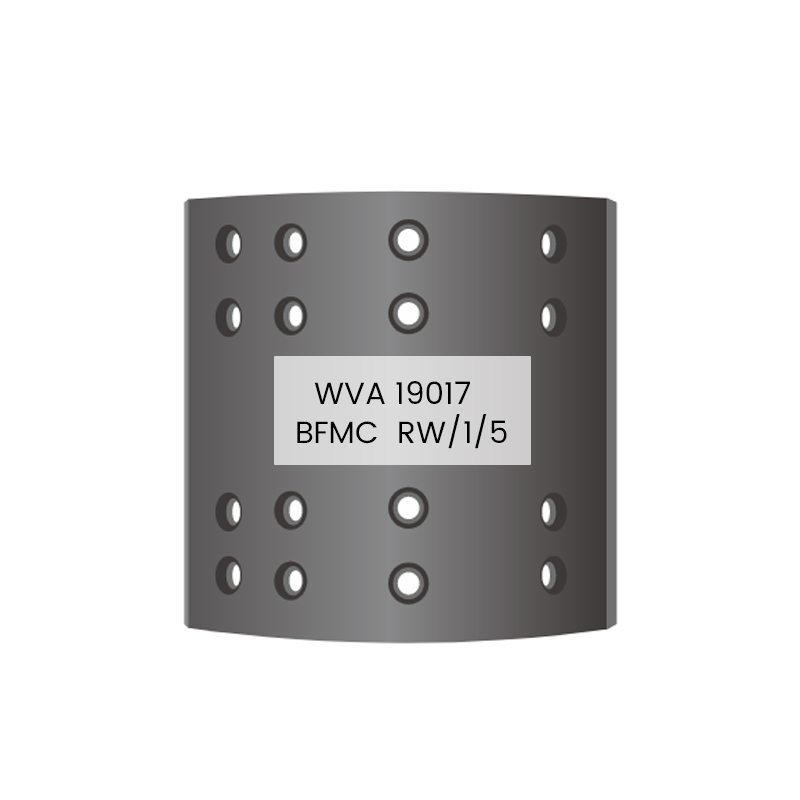
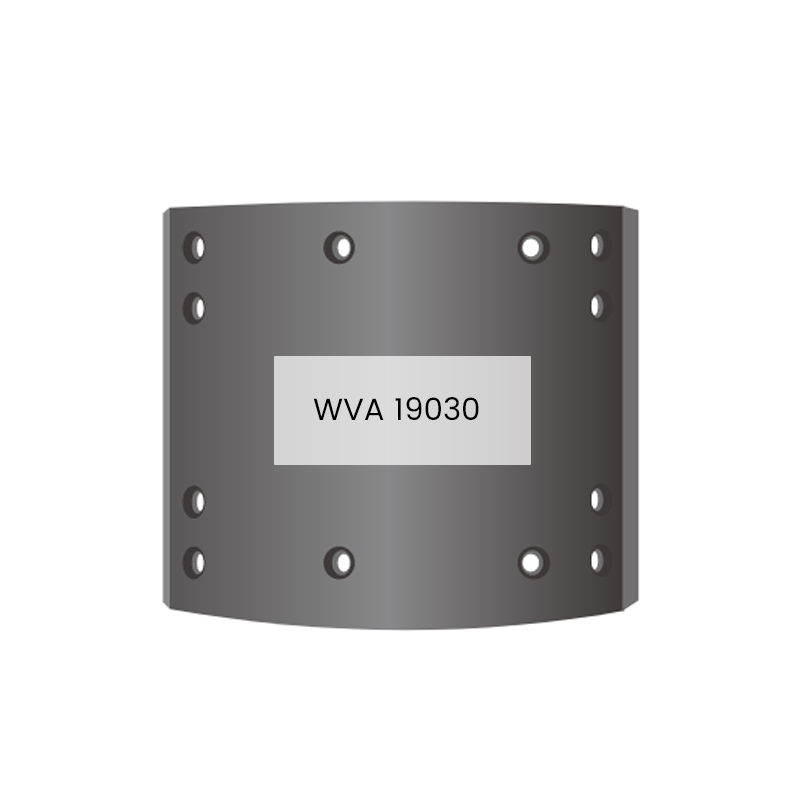
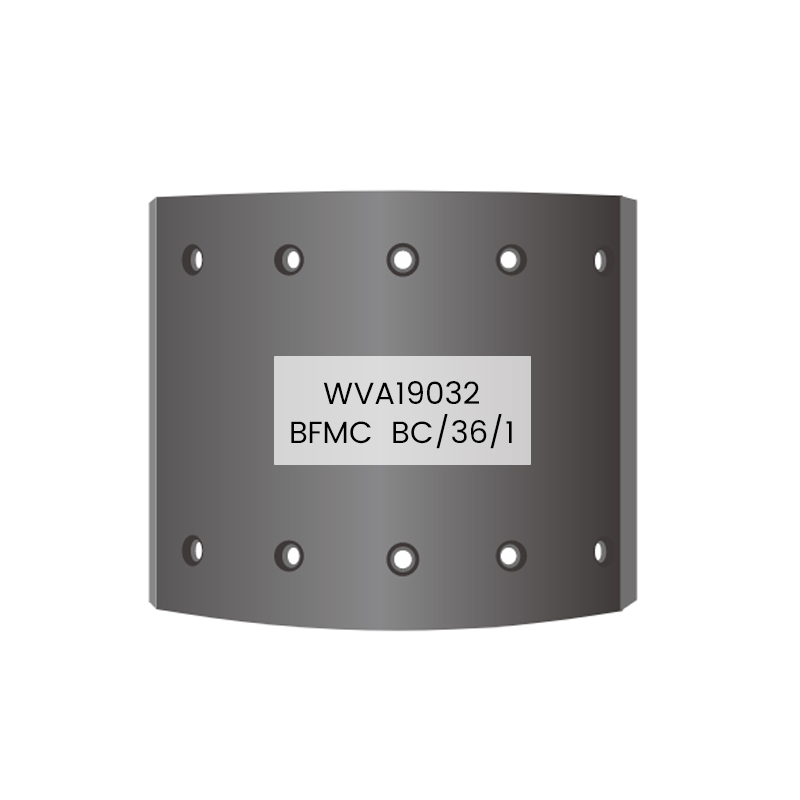
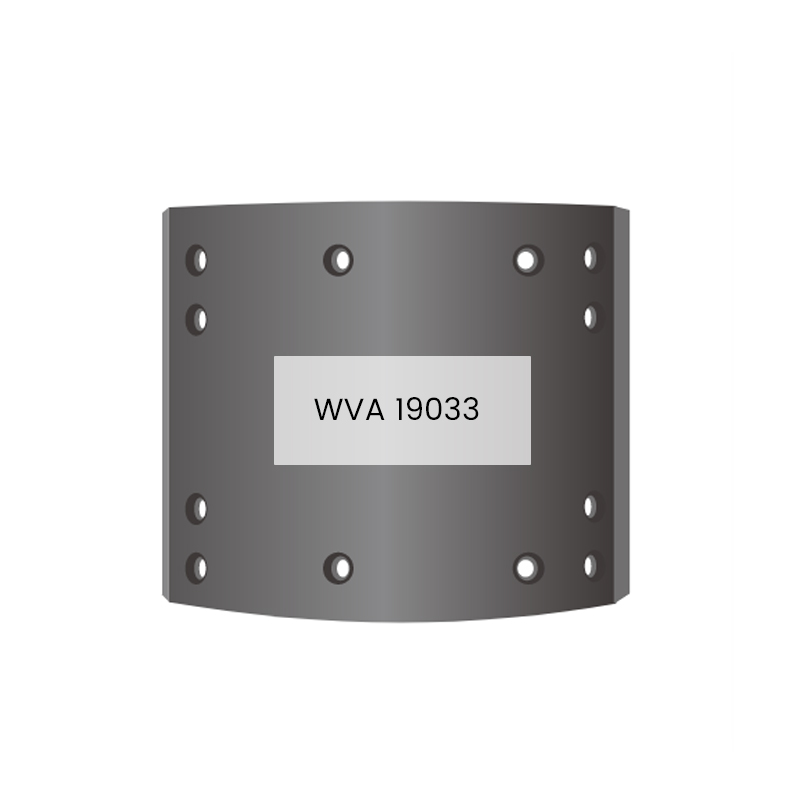
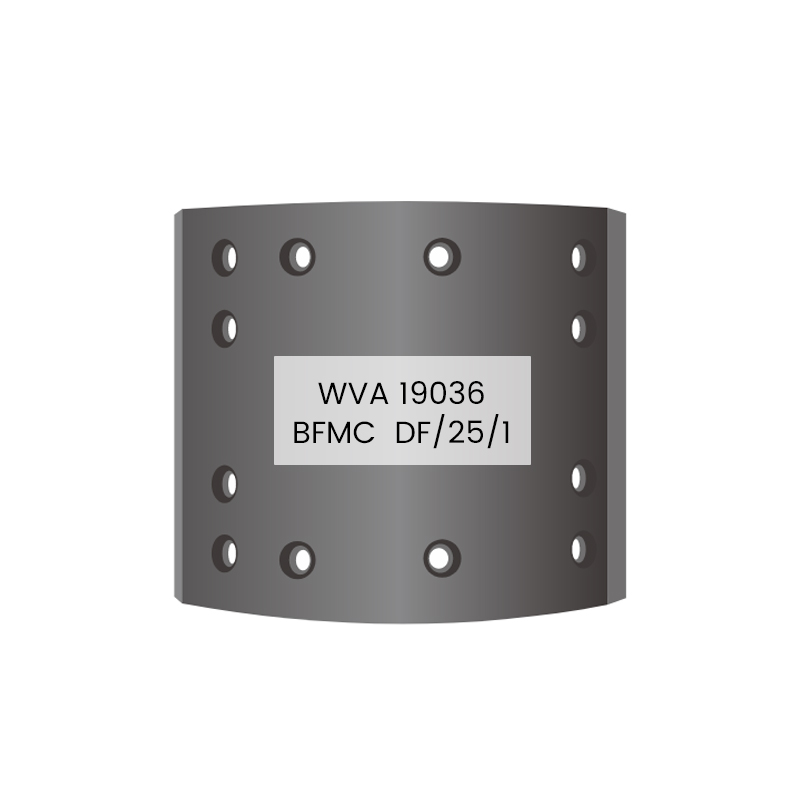
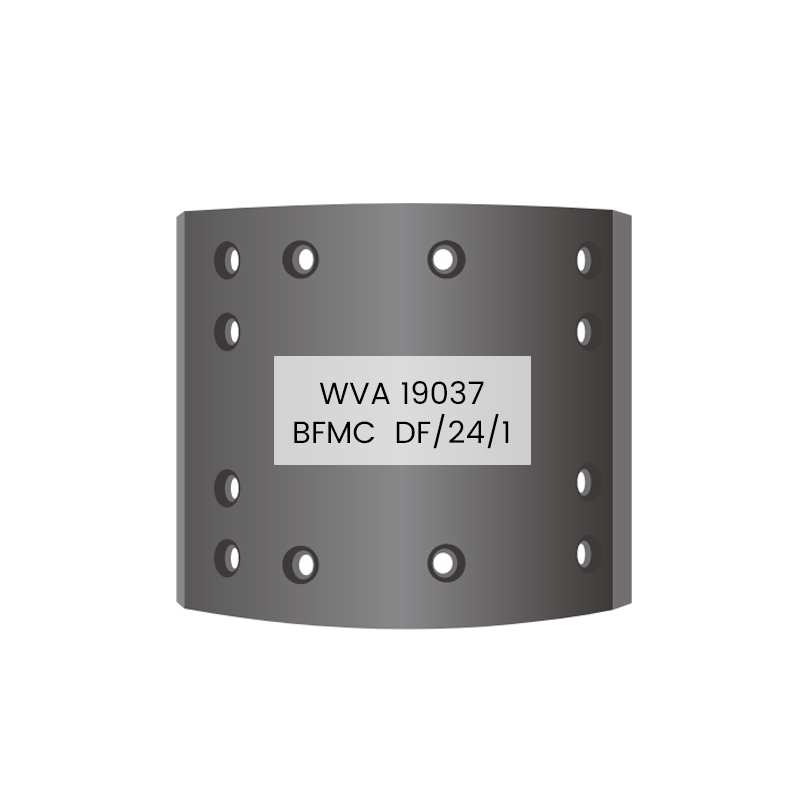
Not every commercial brake is a disc brake. Trailers and many rear axles still rely on drum brakes, where a curved lining is bonded or riveted to a shoe and pushed outward against the drum. The friction principle is identical, but the shoe carries the mechanical load, so rivet quality and fit matter as much as the compound itself.
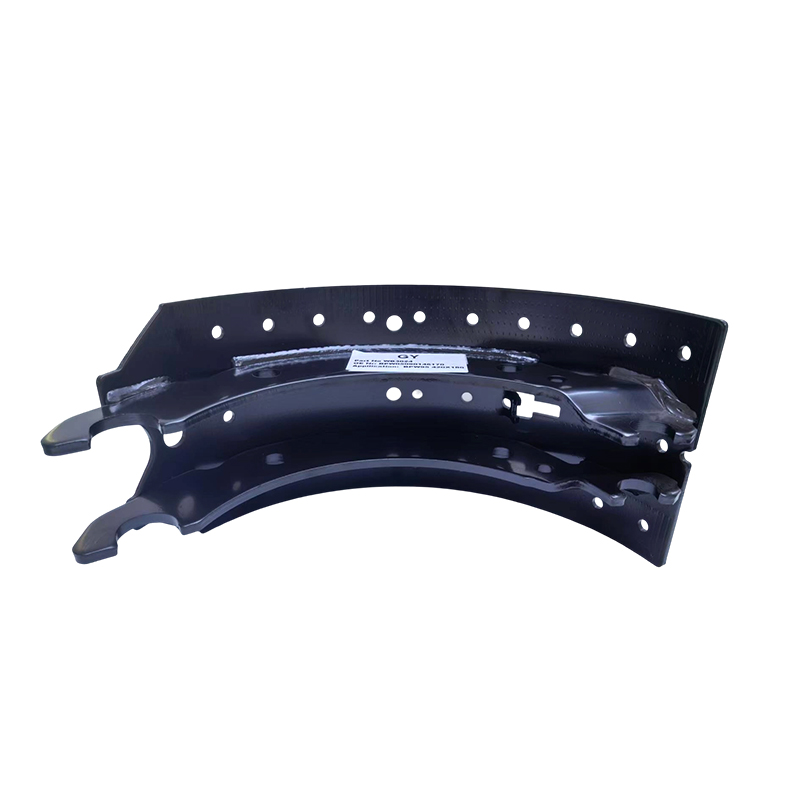 BPW05090146170 BPW95 420X180 Brake Shoe for Trucks and TrailersA BPW95 drum brake shoe for heavy-duty trucks and trailers, with 420x180 mm dimensions, non-asbestos friction material, stable braking, and wear limit marks.View Product →
Brake Pad vs Brake Lining: Where the Confusion Comes From
Buyers often use the two names interchangeably, and suppliers rarely help. Both are friction materials, but they sit in different assemblies and are specified differently, so a purchase order that says brake pad when the axle needs a lining can cost you a container of returns.
| Point of comparison | Disc brake pad | Drum brake lining |
|---|---|---|
| Where it sits | In a caliper, facing a flat rotor | On a brake shoe, inside a drum |
| Typical form | Flat block with backing plate | Curved block, bonded or riveted |
| Heat behaviour | Cooled quickly by open airflow | Heat retained inside the drum |
| Common use | Steering axles, buses, many trucks | Trailer axles, rear axles, older fleets |
| Wear check | Often visible without dismantling | Usually needs drum removal |
If you are unsure which one your vehicle needs, the axle and the brake assembly tell you the answer long before any product title does.
Friction Materials Behind the Pad
Most of the pads we produce fall into one of four material families, and each one suits a different job:
- Non-asbestos organic, smooth and quiet, gentle on discs, widely used where noise matters more than extreme heat.
- Semi-metallic, using steel fibres and metal powders that handle heat well and suit heavy loads, at the cost of slightly more disc wear.
- Ceramic, offering stable friction with low dust and low noise, common in passenger cars and light commercial vehicles.
- Specialty and sintered formulations, developed for wind turbine and industrial braking, where static grip and long idle periods dominate.
The compound is only half of the part. Backing plate thickness, shot blasting before bonding, the adhesive layer and the curing profile decide whether the friction block stays attached when it is at its hottest.
How to Choose the Right Brake Pad for Your Application
- Start with the OE number or the vehicle model, not with a photo. Cross-reference tables are useful, but the original number is the safest starting point.
- Confirm the axle and brake assembly. Steering axle, drive axle and trailer axle behave differently and often take different parts.
- Match the compound to the duty cycle. Stop-and-go city buses and long-haul trucks may share a caliper but rarely share an ideal material.
- Check the hardware, not just the pad. Shims, springs, wear sensors and caliper condition all affect how the new pad performs.
- Ask about batch consistency. A pad that works well once is not the same as a pad that works well in the tenth shipment.
None of these steps takes long, and together they remove most of the reasons friction parts get sent back.
Installation, Break-In and Everyday Care
Even a well-chosen brake pad can disappoint if it is fitted carelessly. A few habits keep performance where it should be:
- Clean and inspect the caliper, guide pins and rotor surface before fitting anything new.
- Bed the pads in with a series of moderate stops rather than one hard emergency stop.
- Watch the first few hundred kilometres closely, since uneven wear shows up early.
- Check friction thickness, disc condition and hardware at every scheduled service.
- Replace pads in axle sets so braking force stays balanced from left to right.
Simple routines like these are why some fleets see far longer service life from the very same part number.
Finding a Brake Pad Supplier Who Understands the Details
Choosing a brake pad is really a question of trust. You want a supplier who can match an OE number accurately, explain why a compound behaves the way it does, and keep that quality stable across repeat orders. Our own production is organised around those three demands, with friction materials made under an IATF 16949 quality system and a catalogue covering European, American, Japanese, Korean and Chinese vehicle families, plus wind turbine and industrial applications.
If you are sourcing for a fleet, a distributorship or a workshop chain, start from the range itself: browse our brake pad range and send us the OE numbers you need. We will tell you honestly what fits, what does not, and what we would recommend for your duty cycle.