 English
 中文简体
中文简体Content
What Is a Brake Pad?
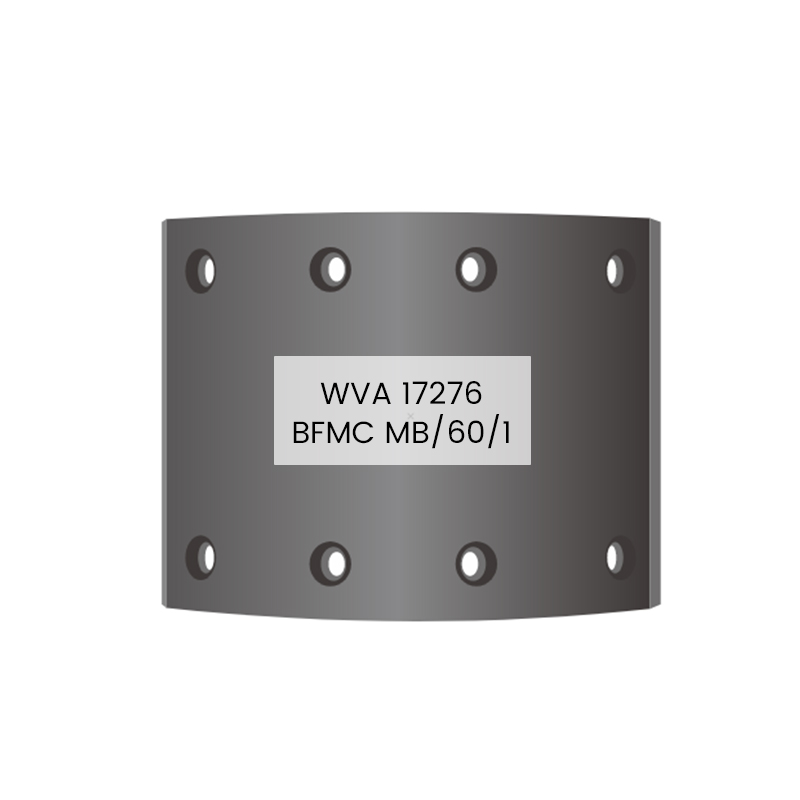
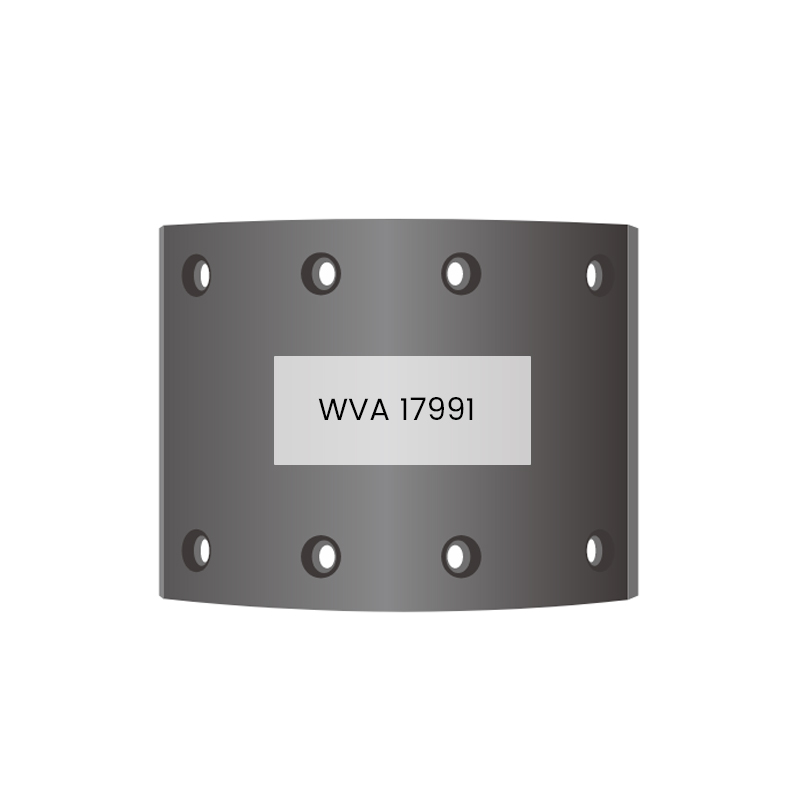
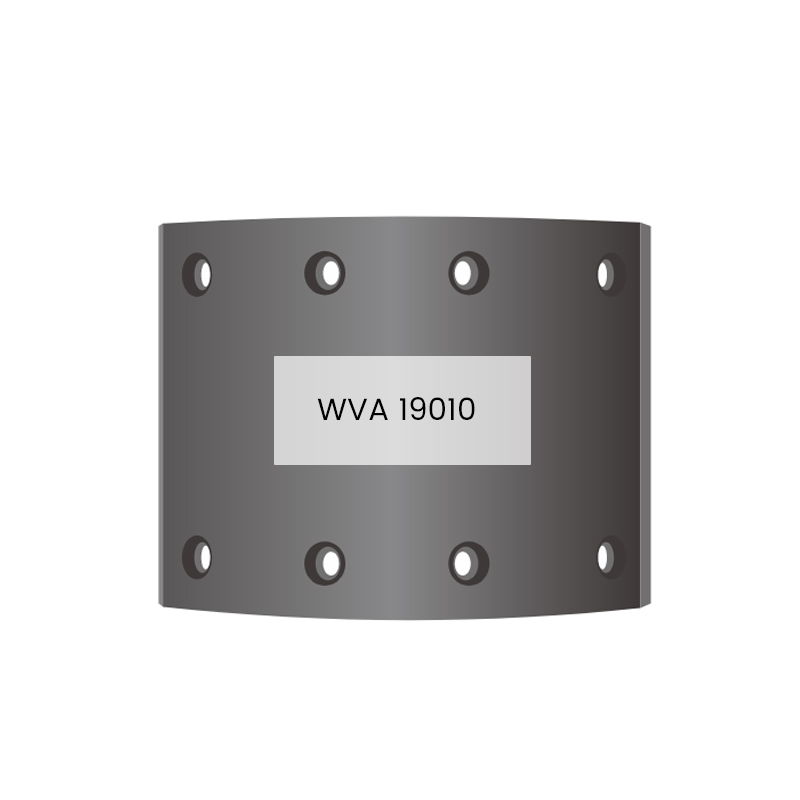
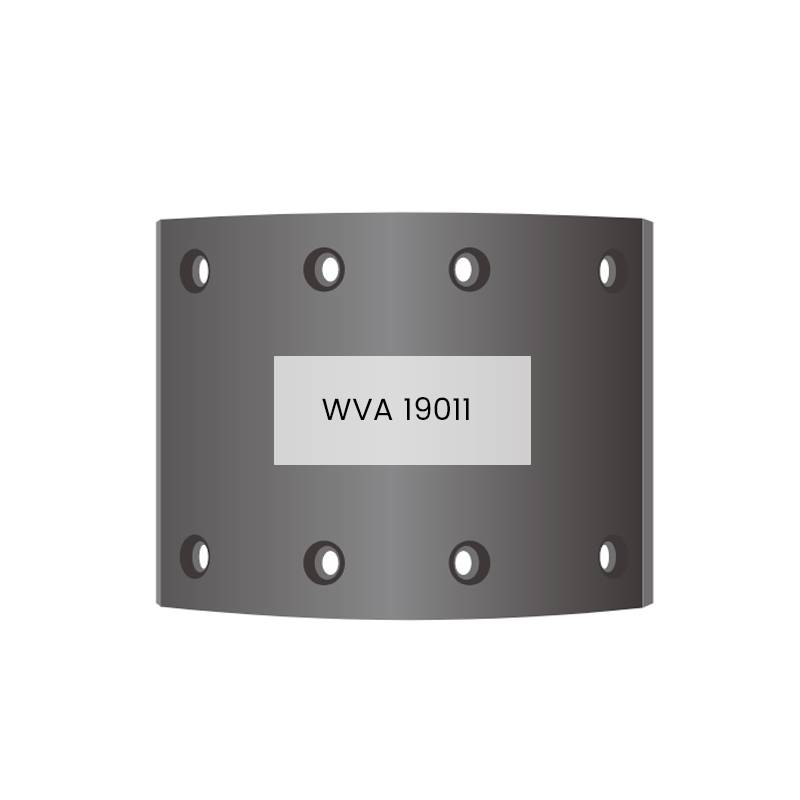
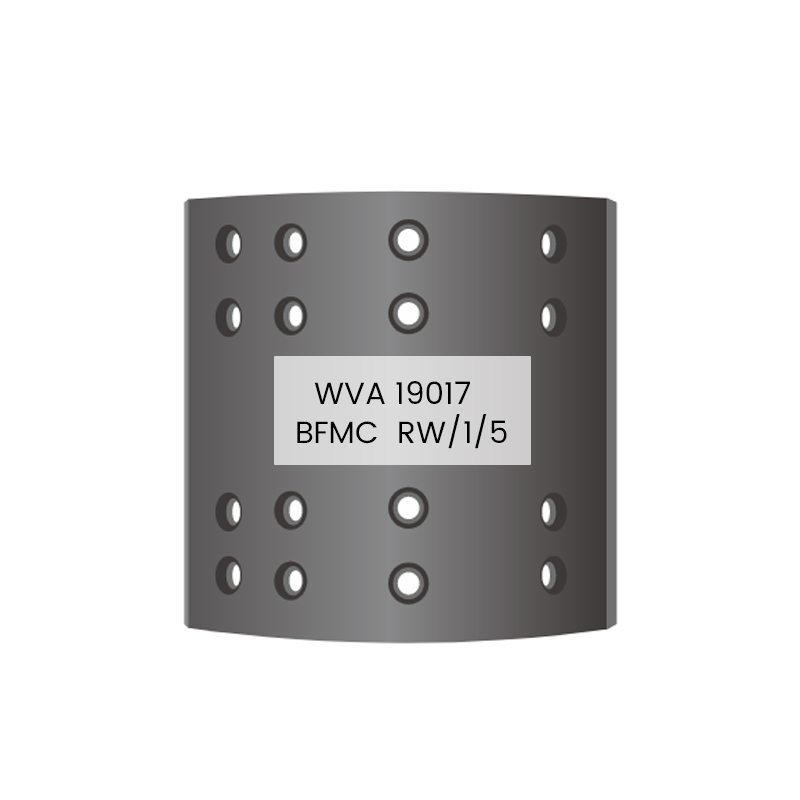
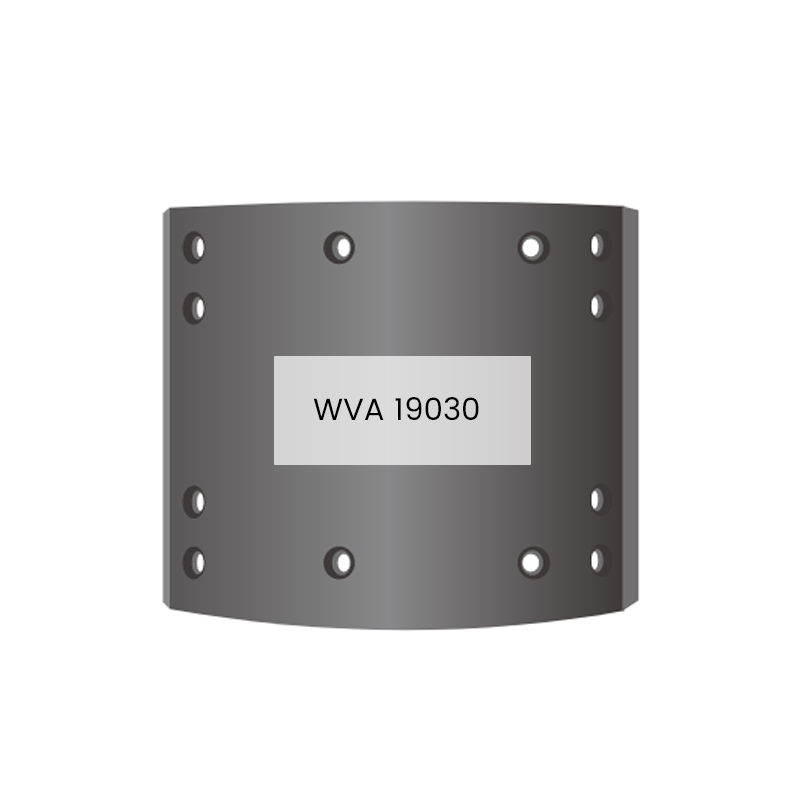
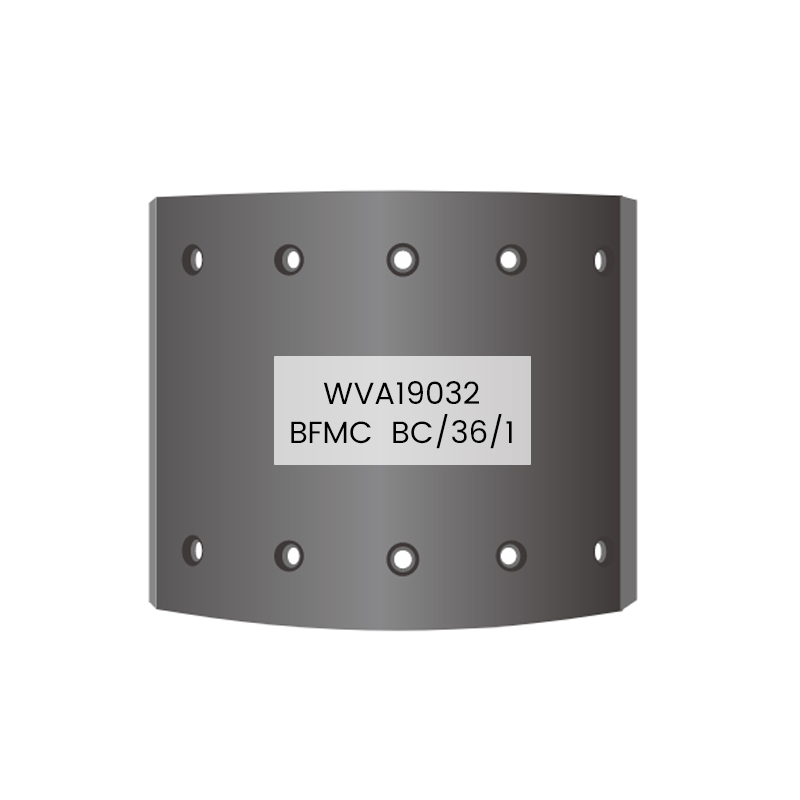
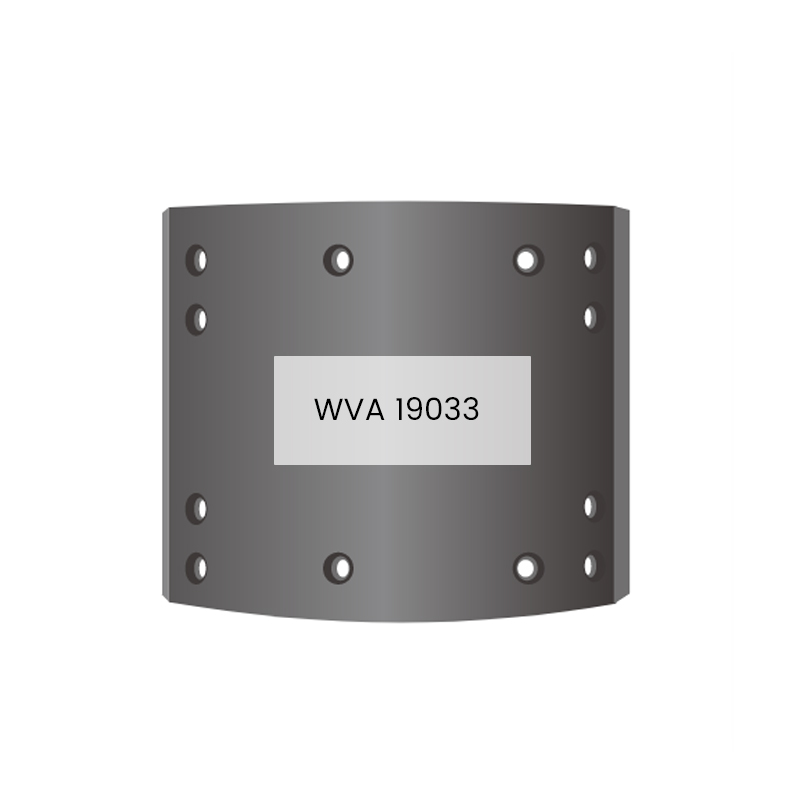
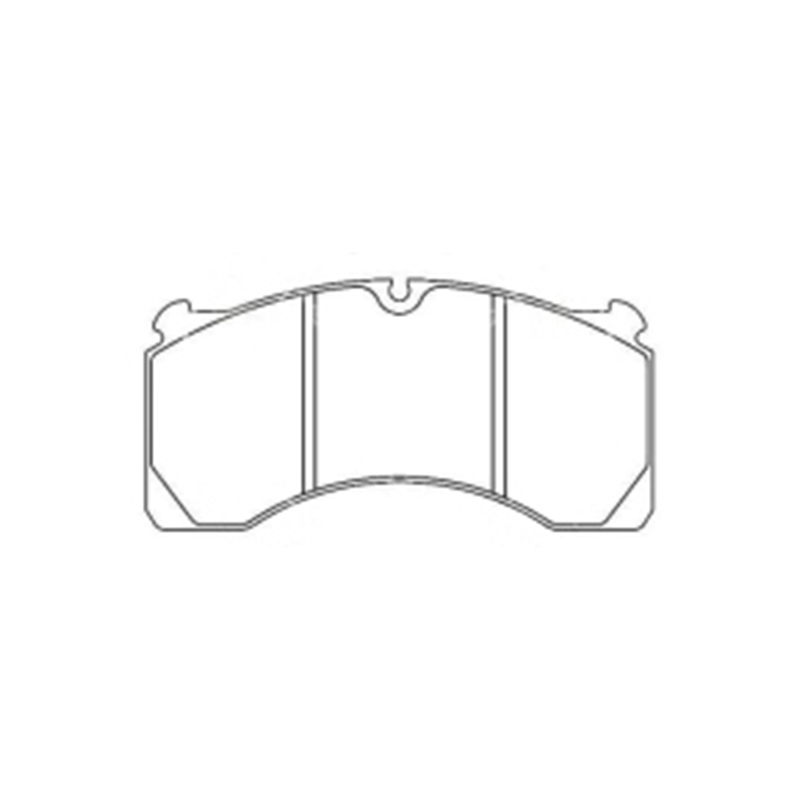
A Brake Pad is a key component in disc brake systems that creates friction against the brake rotor (disc) to slow down or stop a vehicle. It is typically made of a steel backing plate and a high-friction material bonded to its surface.
When the driver presses the brake pedal, hydraulic pressure forces the brake caliper to squeeze the brake pads against the spinning rotor, converting kinetic energy into heat and slowing the vehicle.
How Brake Pads Work in a Disc Brake System
Brake pads work by applying controlled friction to the brake rotor. This friction slows wheel rotation and brings the vehicle to a stop.
As braking occurs, both the brake pad and rotor experience heat and wear. High-quality brake pads are designed to withstand repeated high-temperature conditions while maintaining stable performance.
Types of Brake Pads
Different types of Brake Pad materials are designed for various driving conditions and performance requirements.
Organic Brake Pads
Made from non-metallic fibers, rubber, and resins, organic brake pads offer quiet operation and smooth braking. They are commonly used in everyday passenger vehicles.
Semi-Metallic Brake Pads
These pads contain metal fibers that improve heat resistance and durability. They are suitable for more demanding driving conditions.
Ceramic Brake Pads
Ceramic brake pads provide excellent performance, low noise, and minimal dust. They are often used in modern and high-performance vehicles.
Comparison of Brake Pad Materials
Understanding the differences between brake pad types helps you choose the right option for your vehicle.
| Type | Performance | Noise Level | Best Use |
| Organic | Moderate | Low | Daily driving |
| Semi-Metallic | High | Moderate | Heavy use |
| Ceramic | High and stable | Very low | Premium vehicles |
Signs Your Brake Pads Need Replacement
Worn brake pads can seriously affect driving safety, so it’s important to recognize early warning signs.
- Squeaking or squealing noise during braking
- Grinding sound indicating metal-to-metal contact
- Reduced braking response or longer stopping distance
- Brake warning light on dashboard (in some vehicles)
- Visible thinning of pad material
Replacing brake pads on time helps maintain safe braking performance and prevents rotor damage.
How to Choose the Right Brake Pad
Choosing the right Brake Pad depends on driving style, vehicle type, and performance expectations.
- Match brake pads with your vehicle model specifications
- Consider driving conditions (city, highway, heavy load)
- Choose low-noise or high-performance materials as needed
- Check heat resistance for long-distance or aggressive driving
- Select reliable brands with quality certifications
A proper selection ensures safer braking, longer lifespan, and better driving comfort.
Installation and Maintenance Tips
Proper installation and maintenance help extend brake pad life and maintain braking efficiency.
- Always replace brake pads in pairs
- Inspect brake rotors for wear or damage
- Avoid hard braking during new pad bedding-in period
- Check brake fluid level regularly
Final Thoughts on Brake Pad
The Brake Pad plays a crucial role in vehicle safety and performance. Understanding its types, functions, and maintenance needs helps drivers make smarter replacement decisions.
With the right brake pad choice and proper care, you can ensure smooth, reliable, and safe braking in all driving conditions.