 English
 中文简体
Ask a driver what stops a loaded tractor-trailer and you will usually hear about pads, drums or air pressure. Ask a technician and the answer narrows quickly: on most drive and trailer axles, the part that presses friction material against the drum is still the brake shoe.
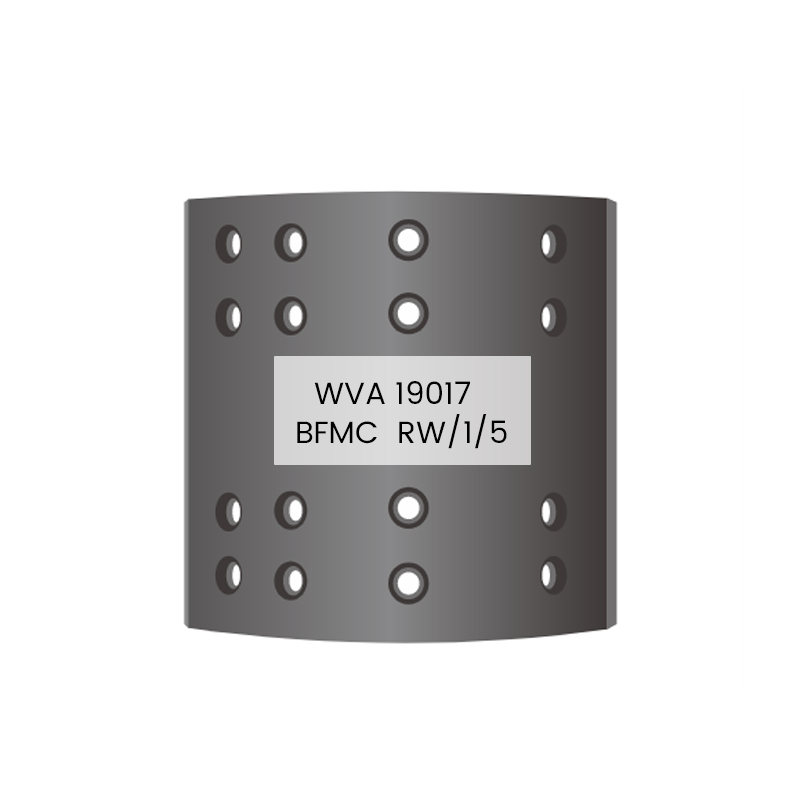
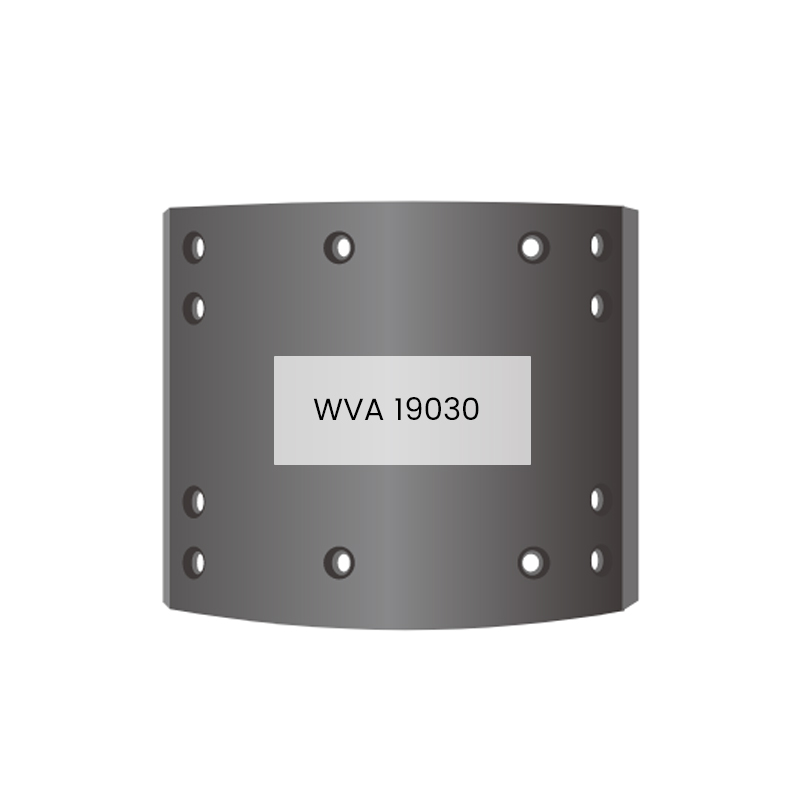
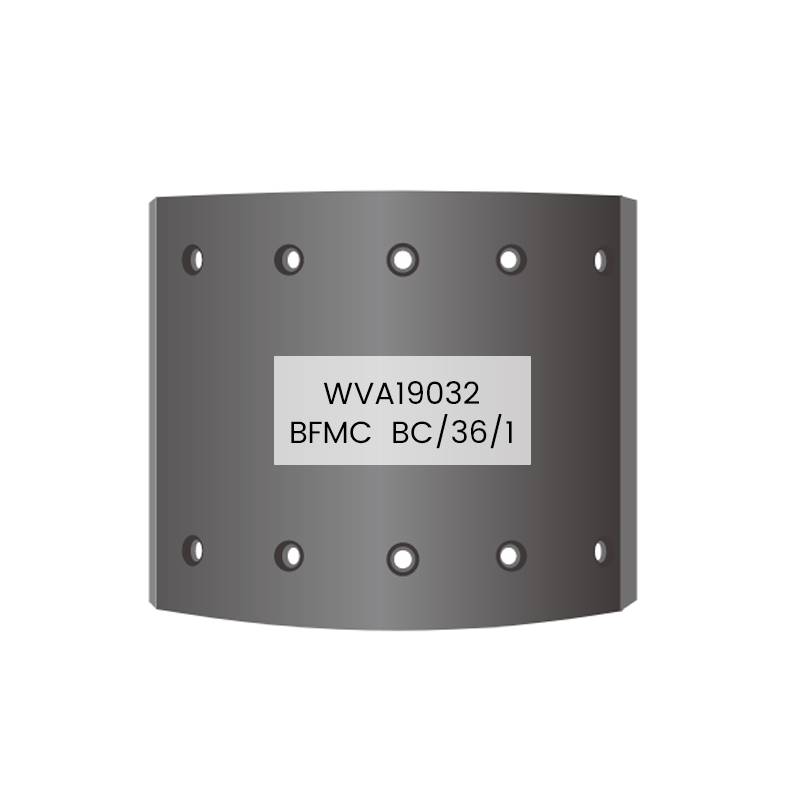
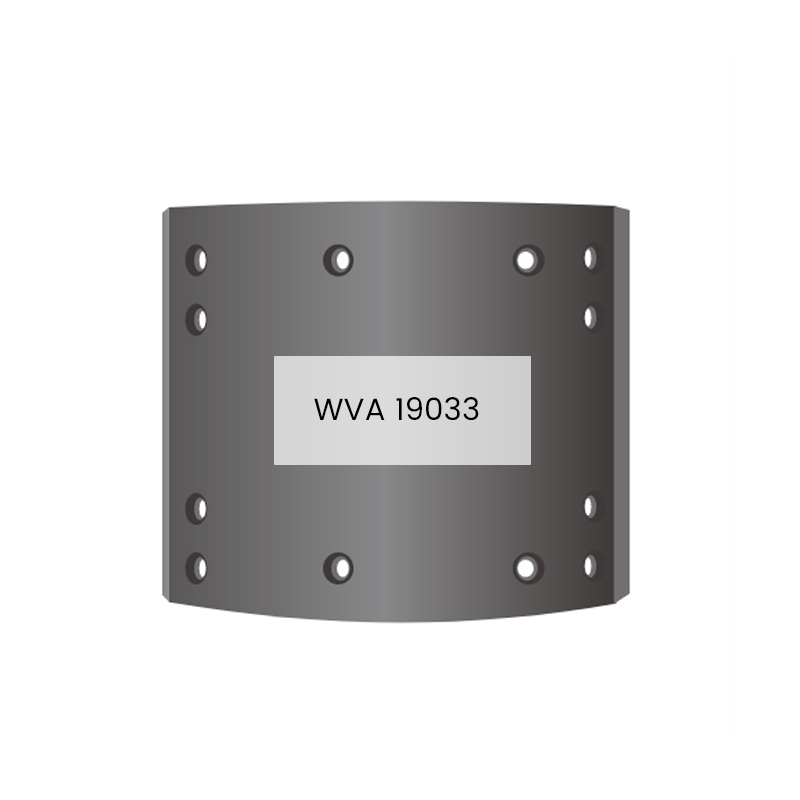
It looks simple enough — a curved steel platform with a friction lining bonded or riveted to one face — yet it carries the whole braking load on a drum brake axle. It decides how evenly that load is spread, how much heat the lining can absorb, and how long the drum itself survives. In the sections below we walk through what a brake shoe does, how it differs from a pad, how to read wear before it strands a truck, and how to match the right part to the right axle.
Content
What a Brake Shoe Actually Does
Inside a drum brake, the shoe is the carrier. The friction lining does the wearing, but the shoe is what holds that lining in the correct arc, pushes it against the drum and pulls it back again. On a typical heavy-truck S-cam brake there are two shoes per wheel end, pivoting on an anchor pin and riding on rollers at the cam end.
When the driver applies the brake, air pressure moves the chamber pushrod, the slack adjuster rotates the S-cam, and the cam forces both shoes outward until the lining contacts the inner surface of the drum. Kinetic energy turns into heat, the drum absorbs it, and the vehicle slows. Release the pedal and the return springs pull the shoes back to their running clearance, which the slack adjuster is there to keep consistent.
Bonded or riveted — the difference matters
Lining is attached to the shoe table in one of two ways. Bonded lining is glued under heat and pressure and uses the full thickness of the friction material, which suits many highway applications. Riveted lining keeps a mechanical connection and the rivet heads act as a built-in wear gauge, which is why riveted shoes remain common in vocational and off-highway work. Neither is universally better; the choice should follow duty cycle, expected heat and how the fleet inspects its brakes.
When you specify a shoe, four details usually decide whether it fits and lasts: the table dimensions and matching drum diameter, the web and roller configuration for the cam, the lining thickness and friction grade, and compatibility with the springs, rollers and anchor hardware already on the axle.
Brake Shoe vs Brake Pad: Two Different Jobs
The comparison comes up constantly, and it is easy to answer once you picture the geometry. A shoe expands outward against the inside of a drum. A pad is squeezed inward by a caliper against the two faces of a disc. That single difference explains most of what follows — heat paths, wear patterns, service routines and even how the two feel underfoot.
It also explains why the question is not which design is "better". Air-disc brakes have earned their place on front axles and on some trailer fleets, but drum brakes remain the working standard on drive and trailer axles in heavy haulage because they are robust, rebuildable and inexpensive to keep in service. The practical task is knowing which system is on the axle in front of you and ordering accordingly.
| Aspect | Brake shoe (drum) | Brake pad (disc) |
|---|---|---|
| Where it sits | Inside a brake drum | Inside a caliper, straddling a rotor |
| Direction of force | Expands outward | Clamps inward |
| Typical heavy-truck use | Drive axles and trailer axles | Front axles and disc-equipped trailers |
| Heat behaviour | Enclosed; heat soaks into drum and shoe | Open to airflow; cools faster |
| Main wear checks | Lining thickness, rivet depth, drum scoring | Pad thickness, rotor wear, taper |
Where Brake Shoes Still Do the Heavy Work
Trailer and drive axles are the heartland. A three-axle trailer alone carries twelve shoes, and each one has to behave the same way under load, which is why axle-specific fitment matters so much. Shoe references are usually tied to the axle maker and the drum size — a 420x180 BPW application and a 16.5x7 Fruehauf application are not interchangeable, even if they look similar on the bench.
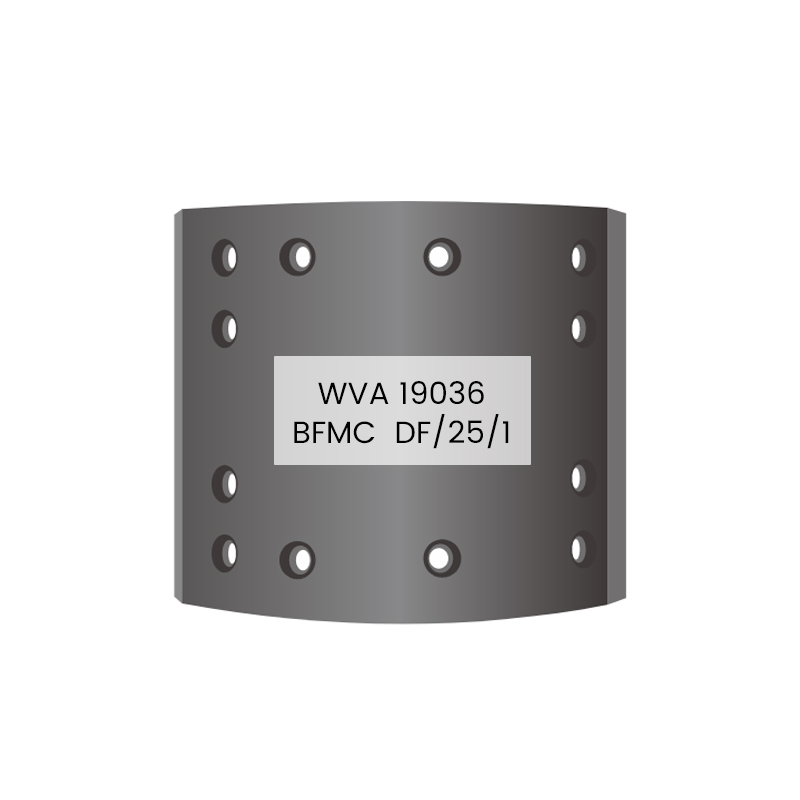
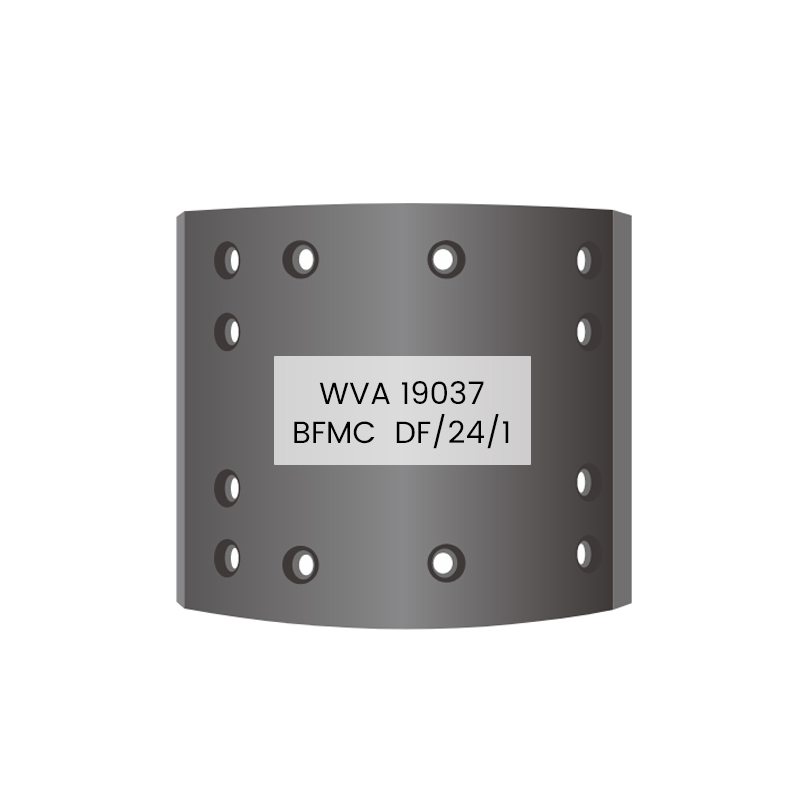
 Fruehauf 16.5x7 Heat-Resistant Brake ShoeAxle-specific 16.5x7 shoe for Fruehauf applications, with heat-resistant non-asbestos friction material for stable braking under high temperatures and long-haul duty.View Product →
Buses and coaches are the second big user. Stop-start city duty means frequent, moderate-energy stops with little time to cool, so glazing and heat checking show up earlier than mileage alone would suggest. Off-highway work is the third: mining dump trucks, quarry haulers, port equipment and logging rigs run at low speed with enormous axle loads, and the shoes there live in dust, grit and constant heat. Whatever the vehicle, the rule is the same: matching the shoe to the axle and the duty cycle beats buying on price alone.
Reading Wear Before It Becomes a Roadside Stop
Most brake shoe failures announce themselves well in advance. A walk-around inspection at every service interval will catch nearly all of them if you know what to look for:
- Lining thickness. Measure against the manufacturer's minimum. On riveted shoes, replace once the lining is close to the rivet heads rather than waiting for metal-to-metal contact.
- Cracks and edge chipping. Fine heat checks are normal; cracks running across the lining or chunks missing at the edges are not.
- Glazing and blueing. A shiny, glassy surface means the lining has been overheated and lost friction — often a sign of dragging brakes or a misadjusted slack adjuster.
- Oil or grease contamination. Lining that smells of gear oil usually points to a leaking wheel seal or hub. Replace the seal, not just the shoe.
- Uneven wear between the two shoes. A leading shoe wearing much faster than its partner suggests stretched return springs, a seized roller or a sticking anchor pin.
- Drum condition. Deep scoring, a pronounced lip or heat cracks in the drum will chew through new lining quickly. Check the drum diameter against spec while the wheel is off.
- Hardware. Springs, rollers, bushings and cam tubes are cheap compared with a repeat brake job. Renew them as a set.
Two habits save money over a fleet's life: replace shoes in axle sets so braking stays balanced, and grease the S-cam bushings at the recommended interval. Dry bushings are behind a surprising share of "worn out" shoes that had plenty of lining left.
Matching the Right Shoe to the Right Axle
In practice, professional buyers rarely shop by description. They shop by number: an OE reference, an axle brand and size, or a friction industry code. That is why catalogues are organised the way they are, and why a good supplier will ask for the axle model, drum dimensions and the vehicle's duty before quoting.
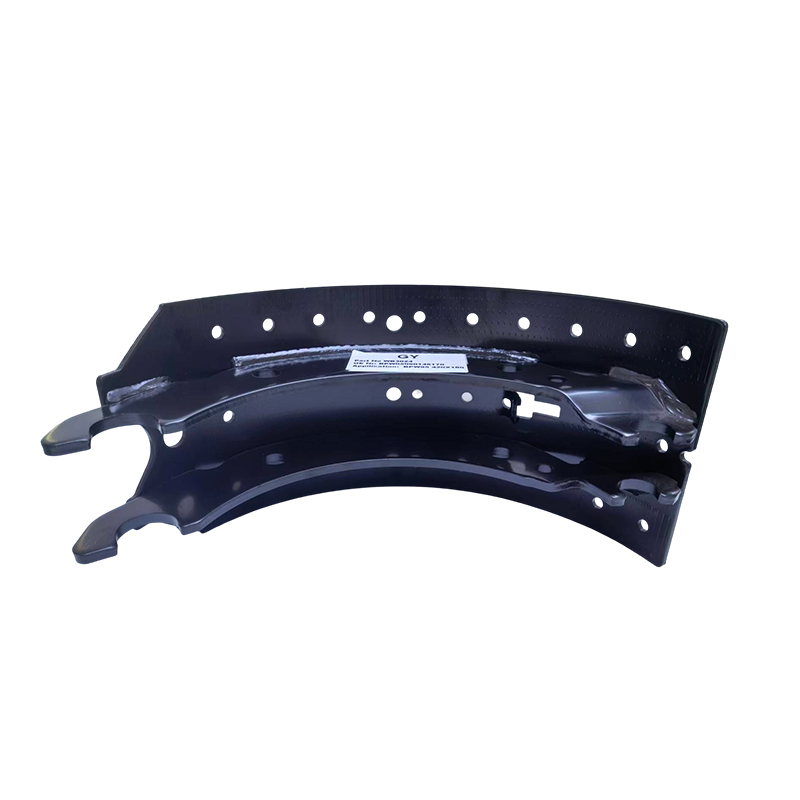 BPW95 420x180 Brake Shoe for Heavy-Duty TrucksNumber-based BPW95 fitment in 420x180mm, using non-asbestos friction material for stable braking force and wear inspection on commercial vehicle drum systems.View Product →
Four things are worth confirming before an order is placed:
- The axle or OE reference, not just the vehicle model year.
- The drum size and the shoe table dimensions.
- The friction grade and lining thickness appropriate to the load and terrain.
- Whether new hardware, rivets or a repair kit should ship with the shoes.
A shoe that fits but carries the wrong friction grade will either fade on long descents or wear out prematurely in stop-start service. Getting that detail right is where experienced suppliers earn their keep.
Inside a Friction Parts Manufacturer
Zhejiang Kooying Autoparts works from Huzhou, Zhejiang, in a 43,000 square metre facility dedicated to truck friction materials — brake linings, brake pads, brake shoes, clutch facings and the consumables that go with them. The company reports IATF16949:2016 certification, a portfolio of patented technology, and an annual supply of more than fifteen million sets of lining and pad material, with over thirty percent of output exported to Europe, the Americas, Africa, the Middle East and Southeast Asia.
For brake shoes specifically, the range covers trailer and truck axle applications across European, American and Asian fitments, alongside linings, pads, rivets, repair kits, brake fluid and high-temperature grease — useful when a workshop wants one purchase order instead of five. More background on the company and its quality systems is available in the company profile.
 BPW 14T Brake Shoe for Trailers and Heavy TrucksWorkshop-friendly BPW 14-ton shoe with asbestos-free friction material, wear marks and precise drum fit for long-haul trailer and heavy-load braking.View Product →
None of that replaces a conversation about your specific axles. Send the OE numbers you work with most and the duty cycles behind them, and the answer should be a part number and a friction grade, not a brochure.
A brake shoe is a small, unglamorous casting that carries a very large responsibility. Understand how it works, inspect it honestly, and match it to the axle it actually bolts onto, and drum brakes will keep doing what they have always done: stopping heavy loads quietly, stop after stop, for a very long time.
If you are reviewing a fleet's brake programme or sourcing shoes for a specific axle, the quickest route is to talk to our team with your reference numbers and we will work through the fitment with you.