 English
 中文简体
中文简体Content
- 1 What a Brake Shoe Actually Does Inside Your Drum Brakes
- 2 Signs Your Brake Shoes Need Attention
- 3 Brake Shoes vs Brake Pads: Knowing the Difference
- 4 Types of Brake Shoe Friction Materials
- 5 How to Choose the Right Replacement Brake Shoe
- 6 Installation Tips for a Smooth, Safe Replacement
- 7 Maintenance Habits That Extend Brake Shoe Life
- 8 Final Thoughts on Keeping Your Brake Shoes in Good Shape
What a Brake Shoe Actually Does Inside Your Drum Brakes
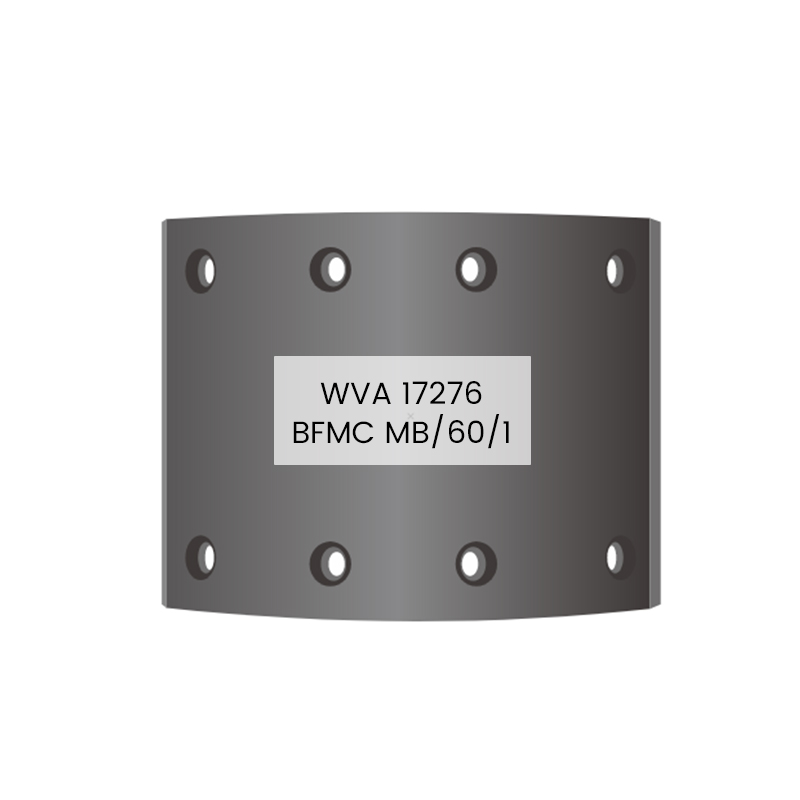
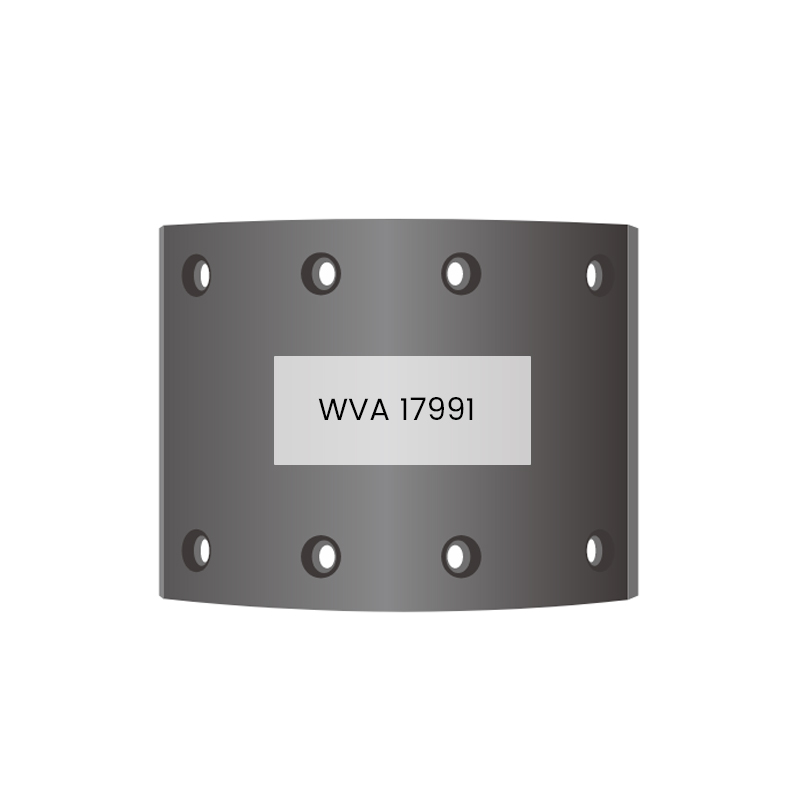
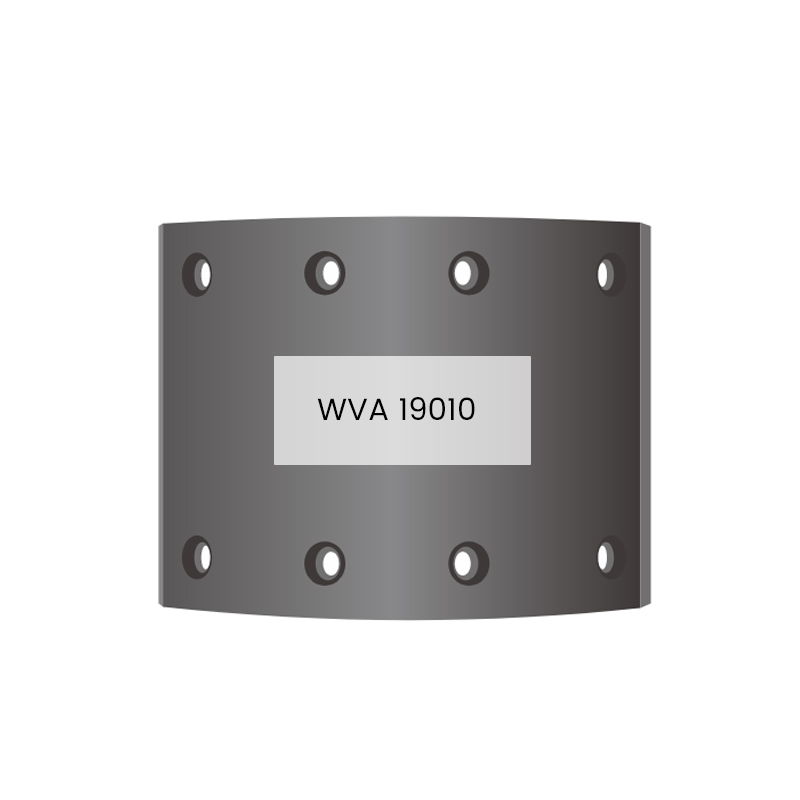
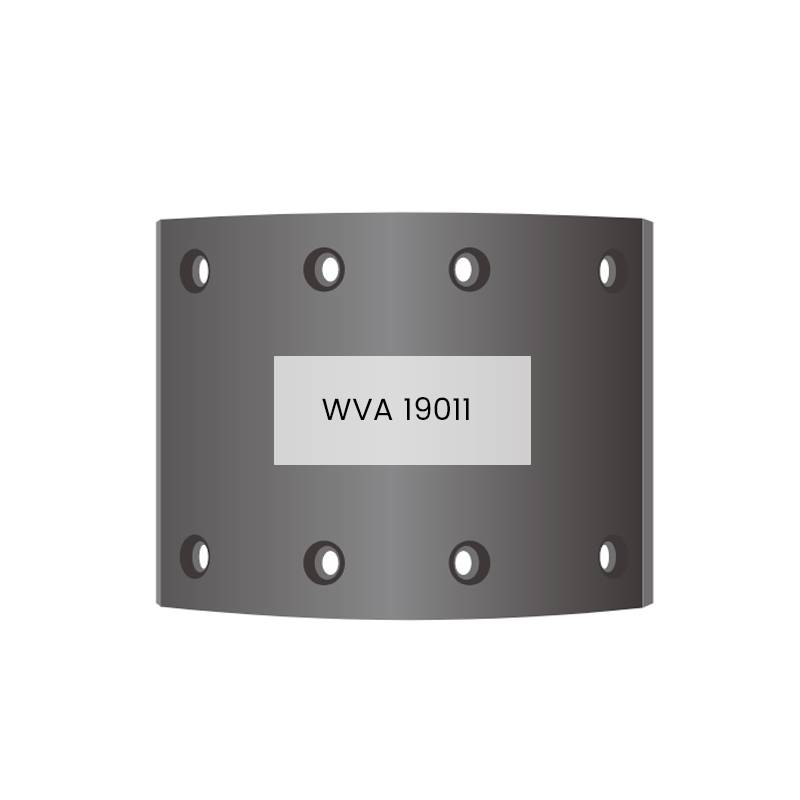
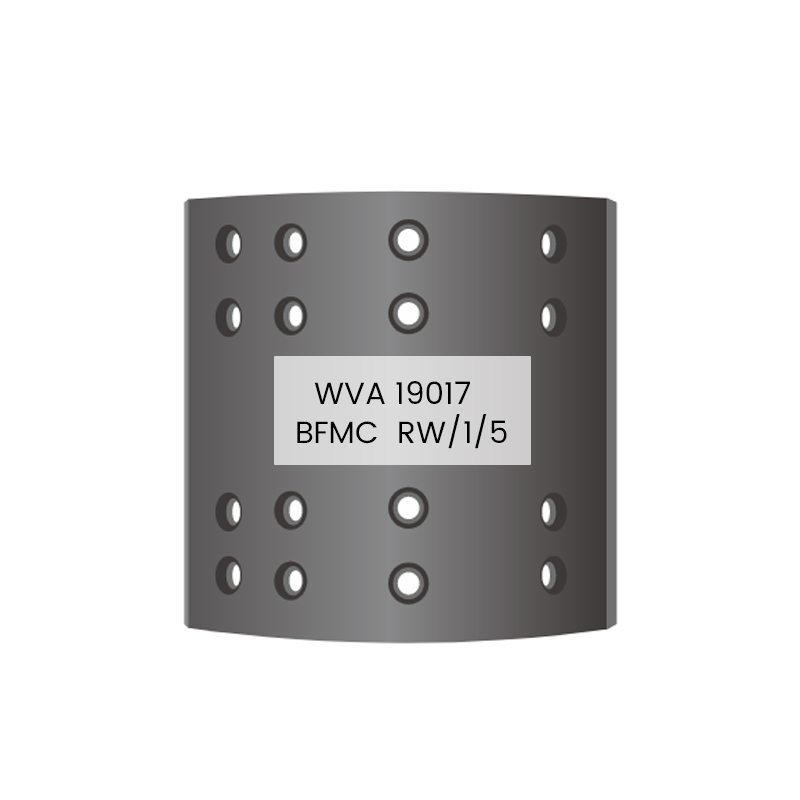
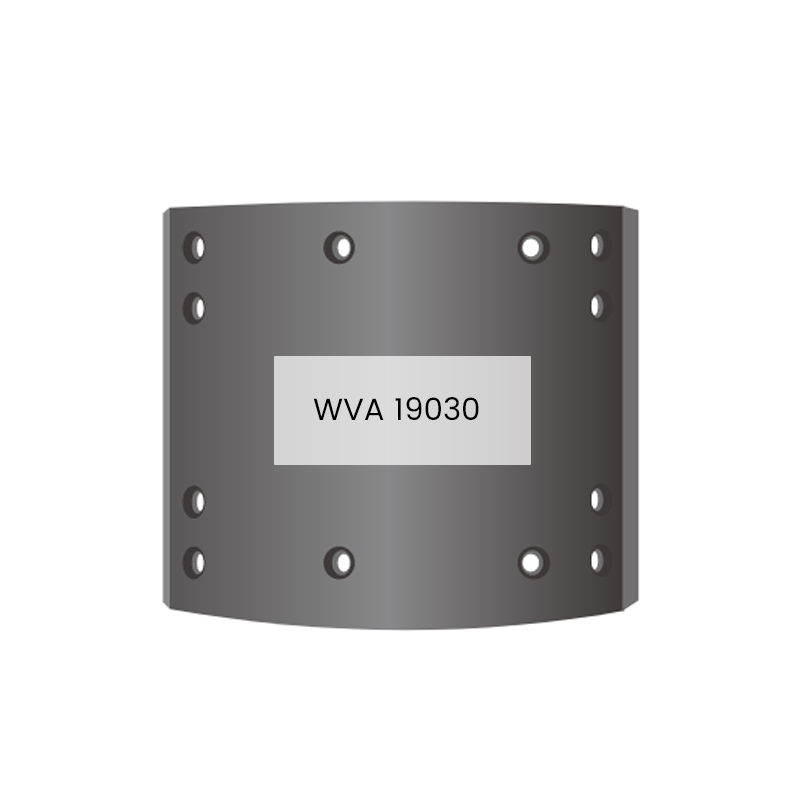
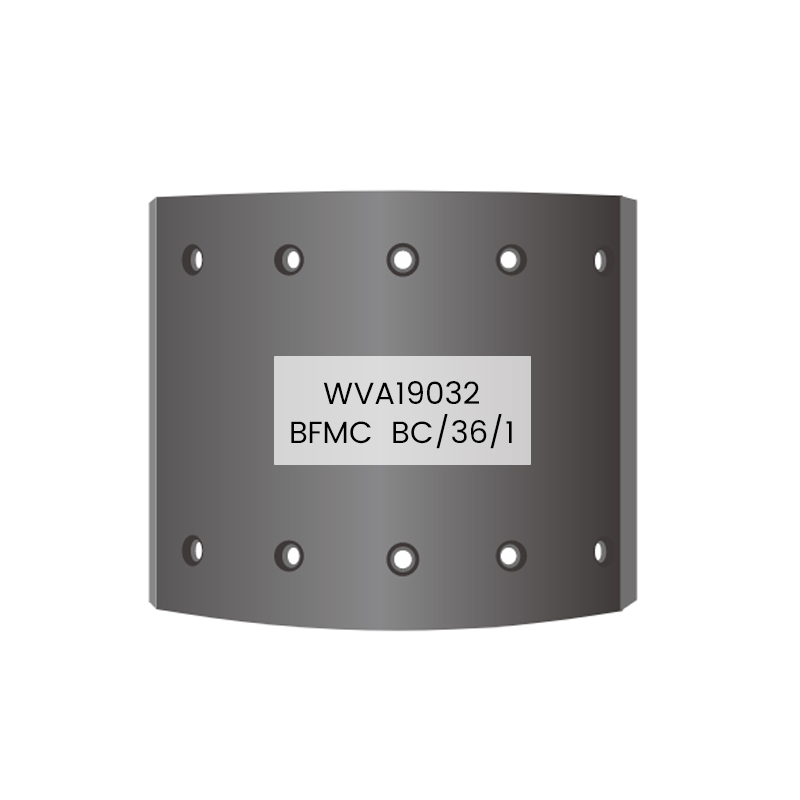
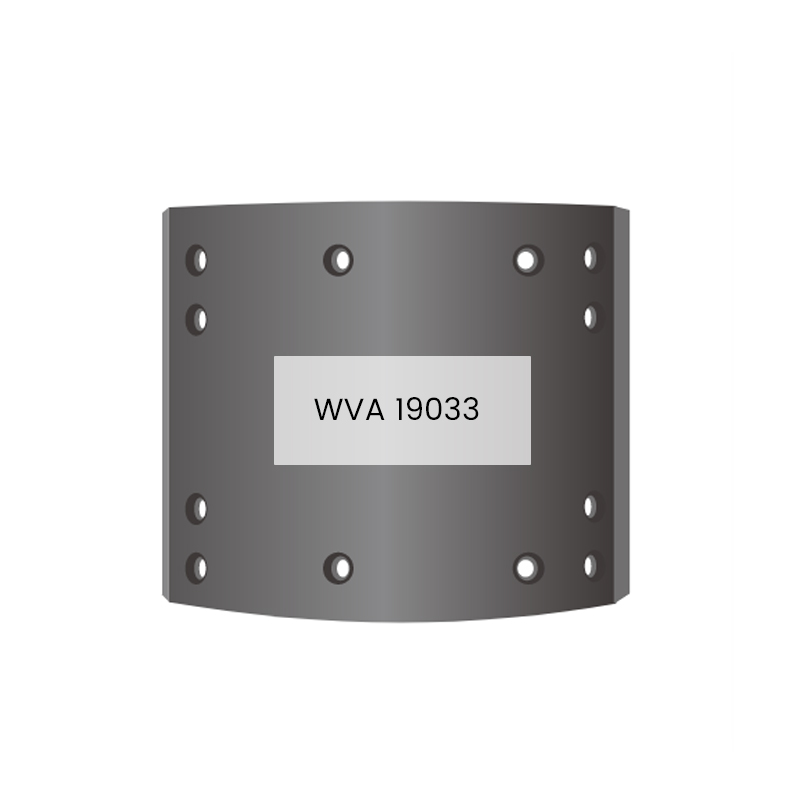
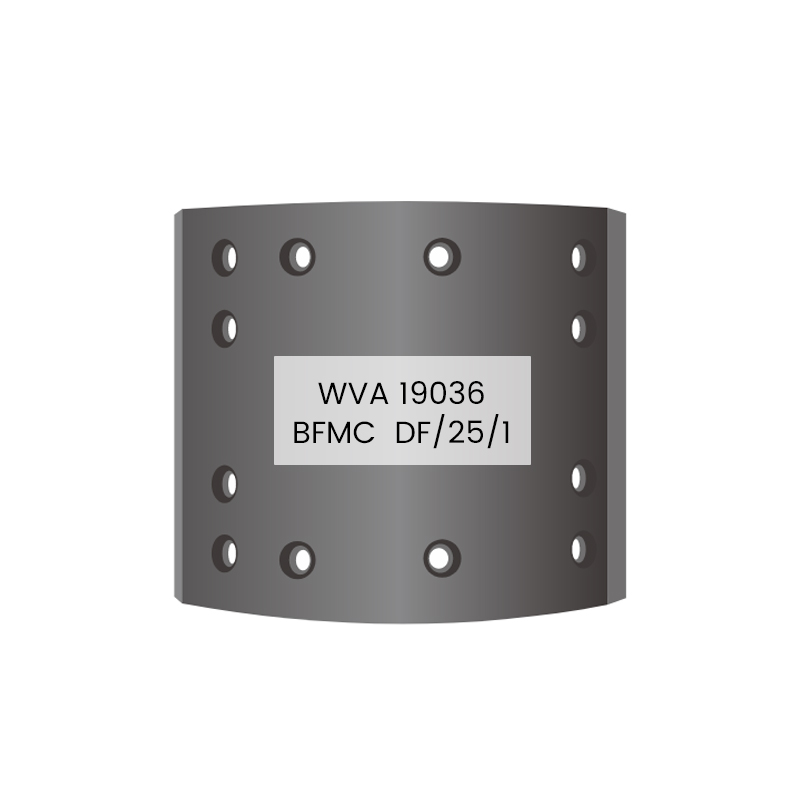
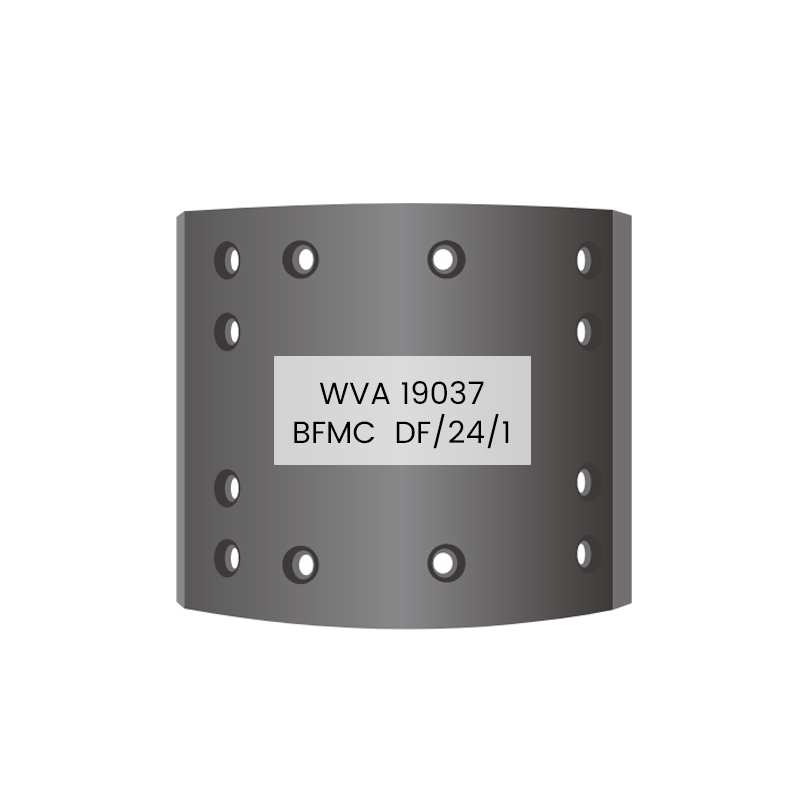
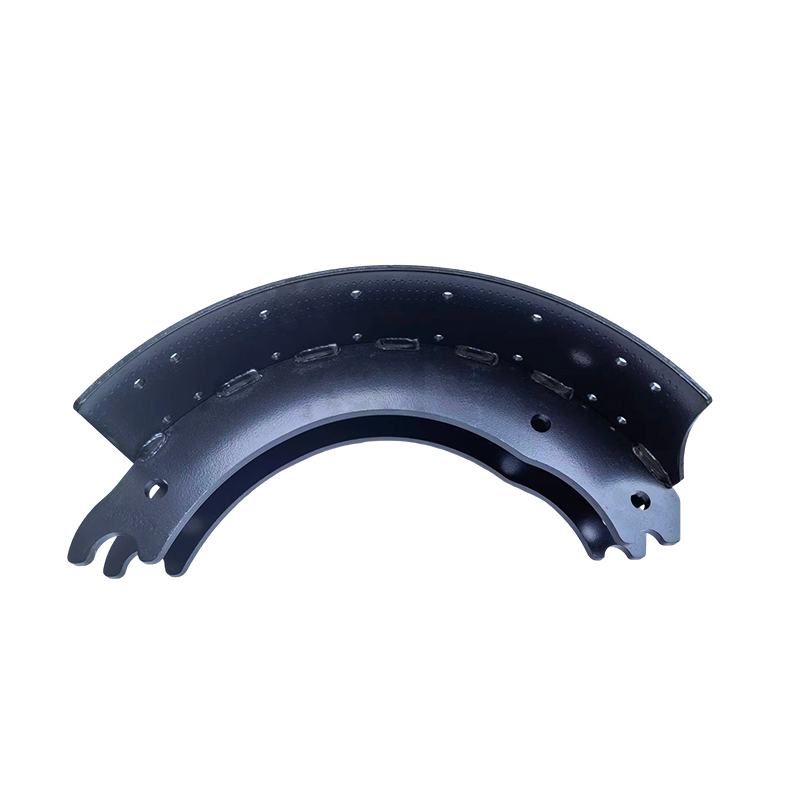
A brake shoe is a curved piece of metal lined with friction material that presses outward against the inside of a brake drum to slow or stop a vehicle's wheel. Unlike brake pads, which clamp onto a flat rotor from both sides, brake shoes work inside an enclosed drum, expanding outward when the brakes are applied. This design is still common on the rear wheels of many trucks, vans, and budget-friendly vehicles because it's durable, relatively inexpensive to manufacture, and works well for holding a parking brake in place.
Each wheel using drum brakes typically has two brake shoes, a leading shoe and a trailing shoe, mounted on a backing plate. When the brake pedal is pressed, hydraulic pressure pushes a wheel cylinder that forces the shoes outward against the spinning drum, creating the friction needed to slow the vehicle down. Return springs then pull the shoes back once the pedal is released, keeping them from dragging against the drum during normal driving.
Signs Your Brake Shoes Need Attention
Because drum brakes are enclosed, it's harder to visually inspect brake shoe wear compared to checking pads on a disc brake system. That makes it especially important to recognize the warning signs before a worn shoe leads to reduced stopping power or damage to the drum itself.
- Grinding or scraping noise when braking, which often means the friction material has worn down to the metal backing
- A soft or spongy brake pedal that requires more travel than usual before engaging
- The vehicle pulling to one side during braking, suggesting uneven wear between the two rear shoes
- A parking brake that no longer holds the vehicle securely on an incline
- Visible brake dust buildup around the wheel, which can indicate accelerated shoe wear
- A burning smell after repeated braking, which may point to shoes dragging against the drum
Brake Shoes vs Brake Pads: Knowing the Difference
People sometimes use the terms brake shoe and brake pad interchangeably, but they serve the same purpose in very different systems. Understanding the distinction helps when ordering replacement parts or explaining a problem to a mechanic.
| Feature | Brake Shoe | Brake Pad |
| System Used In | Drum brakes | Disc brakes |
| Shape | Curved to fit inside a drum | Flat to clamp a rotor |
| Common Location | Rear wheels on many vehicles | Front wheels, and often rear on newer cars |
| Typical Lifespan | Often longer due to enclosed design | Shorter due to greater exposure and heat |
| Parking Brake Function | Frequently doubles as the parking brake mechanism | Usually requires a separate parking brake system |
Types of Brake Shoe Friction Materials
Organic Friction Material
Organic brake shoes are made from a blend of fibers, fillers, and resins bonded together under heat and pressure. They tend to be quieter and gentler on the drum surface, making them a common choice for everyday passenger vehicles that don't face extreme braking demands.
Semi-Metallic Friction Material
Semi-metallic shoes incorporate metal fibers into the friction compound, which improves heat dissipation and overall braking performance under heavier loads. These are often found on trucks and vehicles regularly used for towing or hauling.
Ceramic Friction Material
Ceramic compounds are less common in brake shoes than in brake pads, but when available, they offer reduced dust and quieter operation. The tradeoff is usually a higher price point compared to organic or semi-metallic options.
How to Choose the Right Replacement Brake Shoe
Picking the correct brake shoe isn't just about matching a part number. A few practical factors go a long way toward ensuring reliable braking performance after installation.
- Confirm the exact make, model, year, and trim of the vehicle, since drum sizes vary even within the same model line
- Match the friction material to typical driving conditions, choosing semi-metallic for heavier loads or towing
- Replace shoes in complete axle sets rather than individually to maintain even braking on both sides
- Inspect the brake drum for scoring or excessive wear whenever shoes are replaced, since a damaged drum can wear new shoes prematurely
- Replace related hardware such as return springs and adjuster mechanisms if they show signs of weakening or corrosion
Installation Tips for a Smooth, Safe Replacement
Replacing brake shoes involves more moving parts than a typical pad swap, so taking a methodical approach matters. Before removing the old shoes, it helps to take a photo of the spring and hardware layout, since drum brake assemblies can have several small springs and clips that are easy to misplace or reinstall incorrectly.
Once the new shoes are in place, the self-adjuster mechanism needs to be set correctly so the shoes sit close to the drum without dragging. Many vehicles allow this adjustment through a small access hole on the backing plate, using a brake adjustment tool or flathead screwdriver to turn the star wheel until the correct clearance is reached.
After installation, it's important to pump the brake pedal several times before driving to ensure the shoes have properly seated against the drum. A brief low-speed test drive with a few gentle stops helps confirm even braking and lets any final adjustments be made before returning to normal driving conditions.
Maintenance Habits That Extend Brake Shoe Life
Simple driving habits can meaningfully extend the life of a brake shoe. Avoiding hard, sudden stops when possible reduces heat buildup and slows the rate of friction material wear. Coasting to a gradual stop rather than riding the brakes also helps prevent the shoes from overheating, which can glaze the friction surface and reduce stopping power over time.
Routine inspection is just as important as good driving habits. Since drum brakes hide their components from view, having a mechanic check shoe thickness during regular service appointments, such as tire rotations, catches wear before it becomes a safety issue. Keeping the parking brake in good working order also matters, since a neglected parking brake mechanism can accelerate wear on the rear brake shoes over time.
Final Thoughts on Keeping Your Brake Shoes in Good Shape
A brake shoe might be a hidden component tucked inside a drum, but it plays just as critical a role in vehicle safety as any other braking part. Paying attention to early warning signs, choosing the right friction material for your driving needs, and following a careful replacement process all contribute to reliable stopping power. With regular inspection and a bit of preventive care, brake shoes can provide many years of dependable service before they need to be replaced again.