 English
 中文简体
中文简体Content
What Exactly Is a 19488 Brake Lining?
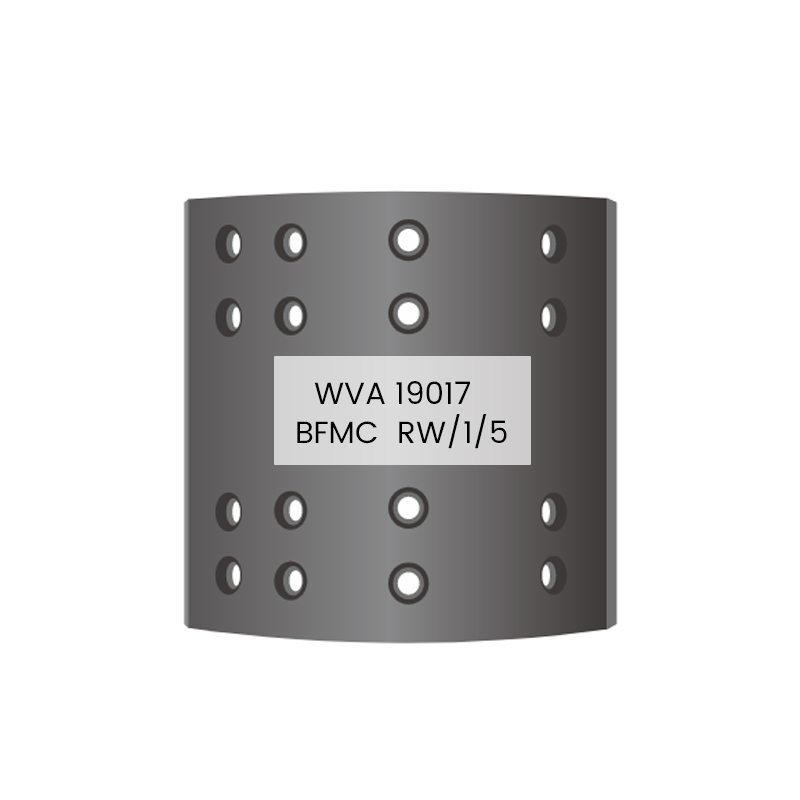
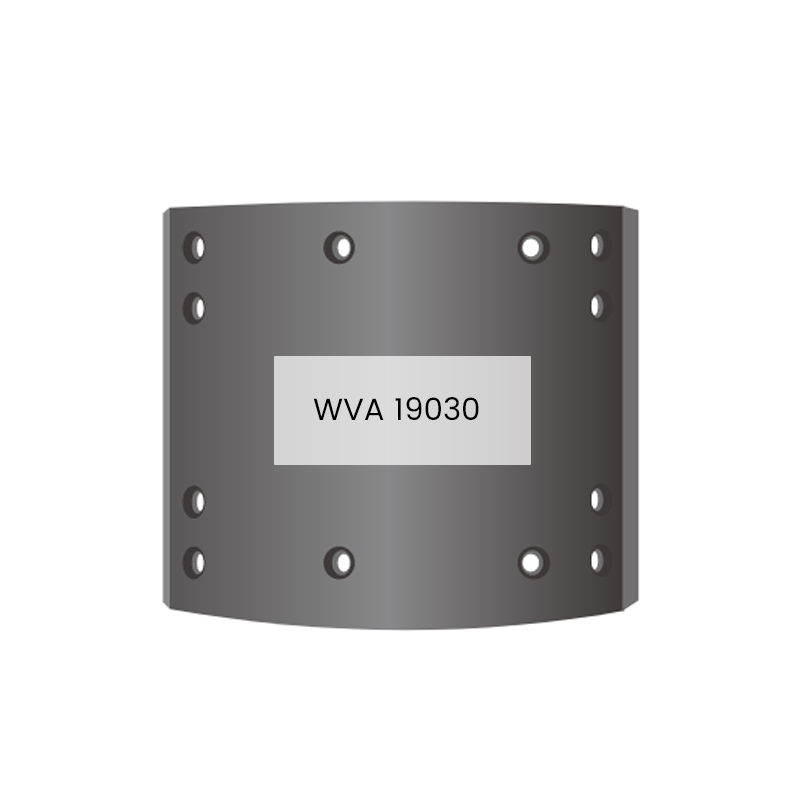
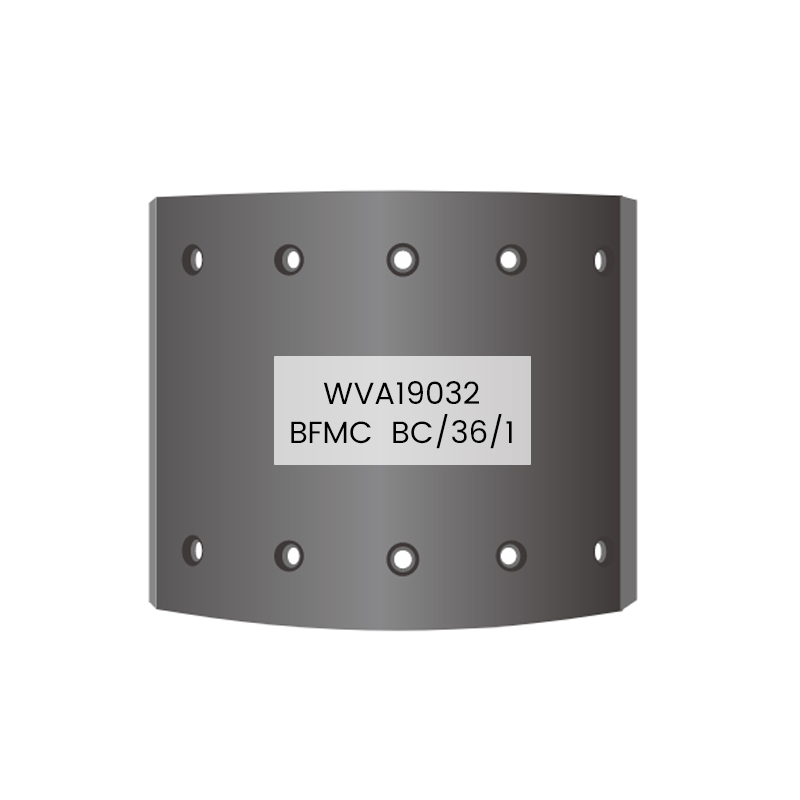
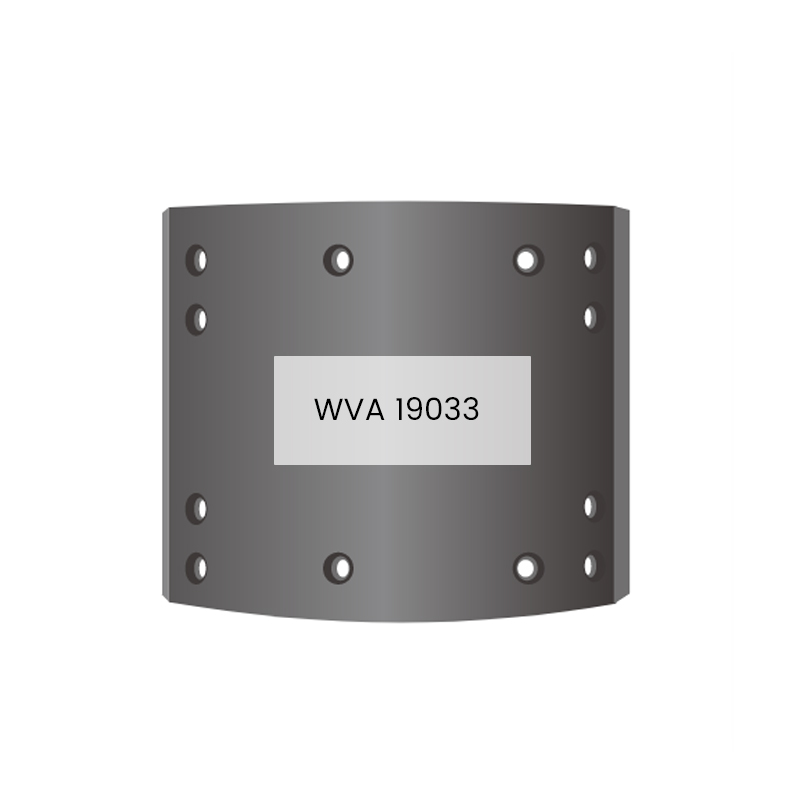
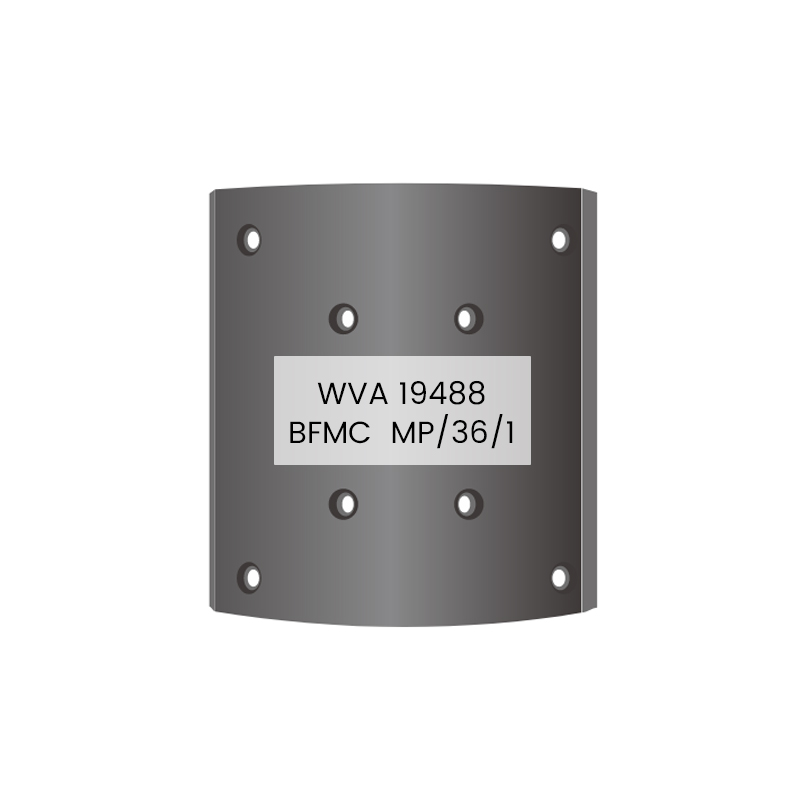
If you work with heavy trucks, trailers, or buses, you've probably run into the part number WVA 19488 at some point. A 19488 brake lining is a drum brake lining designed for heavy-duty commercial vehicles, most commonly fitted to Mercedes-Benz trucks, along with several other European truck and trailer brands that use compatible axle systems. It's the friction material that presses against the inside of the brake drum to slow the wheel down, and it's one of the most frequently replaced wear parts on any heavy vehicle.
Unlike a passenger car brake pad, this lining is built to handle constant heat cycling, heavy axle loads, and long duty cycles without losing stopping power. That's why the spec sheet behind the "19488" number matters so much — the dimensions, thickness, and material blend all have to be correct for the lining to perform safely.
Which Vehicles Use This Brake Lining?
The 19488 brake lining is most closely associated with Mercedes-Benz heavy trucks, but its use isn't limited to just one brand. Because many truck and trailer manufacturers share axle and drum designs across their heavy-duty lineups, this same lining shows up across a wider range of applications, including:
- Heavy-duty trucks and tractor units
- Trailers and semi-trailers, including those built on SAF axles
- City and coach buses
- Grain, liquid, and bulk hauling trailers
- Dump trucks and other stop-and-go city fleet vehicles
If you're not sure whether this lining fits your vehicle, the safest approach is always to cross-reference the WVA number against your vehicle's parts catalog or check with your axle manufacturer, rather than assuming based on vehicle brand alone.
Standard Specifications and Dimensions
One of the reasons the 19488 brake lining is so widely used is that its dimensions are fairly standardized across suppliers. Here's a typical spec breakdown you'll find when sourcing this part:
| Specification | Typical Value |
| Drum Diameter | 410 mm |
| Width | 223 mm |
| Outer Length | 192 mm |
| Inner Length | 177–178 mm |
| Thickness | 17.0 / 11.8 mm |
| Rivet Holes | 8 |
Keep in mind that minor variations can exist between manufacturers, so it's worth confirming exact measurements against your old lining or the vehicle's service manual before placing an order, especially if you're buying in bulk for a fleet.
Material Options: Which One Should You Choose?
Brake lining performance comes down heavily to the friction material used. For the 19488 lining, buyers typically choose between a few common material types, each with its own trade-offs.
Non-Asbestos Organic (NAO) Lining
This is now the industry standard, since asbestos use has been phased out for health and safety reasons. Non-asbestos linings offer solid everyday performance, moderate dust levels, and a quieter ride, making them a reliable default choice for most fleet operations.
Semi-Metallic Lining
Semi-metallic linings blend metal fibers into the friction material, which improves heat dissipation and stopping power under heavy loads. These are often chosen for long-haul trucks or vehicles that regularly carry heavy cargo, where consistent braking under sustained heat is critical.
Ceramic Fiber Lining
Ceramic fiber linings tend to run quieter and produce less brake dust, while still holding up well under repeated braking cycles. They're a good fit for city buses and stop-and-go routes where drivers are braking frequently throughout the day.
Signs Your Brake Lining Needs Replacing
Brake linings wear down gradually, and catching the warning signs early can prevent more expensive drum or axle damage down the line. Watch for the following:
- A noticeable drop in braking power or longer stopping distances
- Grinding, squealing, or scraping noises when braking
- Uneven or excessive wear visible on the lining surface
- Vibration or pulsing felt through the brake pedal
- Visible cracking, glazing, or overheating marks on the lining
For fleet vehicles especially, it's worth building lining inspection into routine maintenance schedules rather than waiting for a driver to report a problem, since drum brakes on heavy vehicles carry a much higher load than typical passenger car brakes.
Installation Tips for a Reliable Fit
Getting the installation right matters just as much as choosing the correct lining. A few practical points to keep in mind:
- Always replace linings in pairs on the same axle to keep braking force balanced on both sides
- Inspect the brake drum for scoring or excessive wear before fitting new linings, since a damaged drum will wear down new linings faster
- Torque rivets or mounting hardware to the manufacturer's specified value to avoid loosening under heavy use
- Run a break-in period at moderate braking intensity before subjecting the vehicle to heavy loads or long descents
Buying Tips: What to Check Before You Order
Whether you're replacing a single lining or ordering in bulk for a fleet, a few checks upfront can save time and avoid mismatched parts:
- Confirm the WVA number matches exactly, since similar-looking part numbers can have different dimensions
- Check whether the supplier offers ISO9001 or IATF16949 certification for quality assurance
- Ask about material options if you have specific performance needs, such as heavy hauling or frequent city braking
- Request a sample before committing to a large bulk order, especially with a new supplier
- Compare packaging and export options if you're sourcing internationally, to avoid added freight or customs complications
Taking the time to verify these details before ordering helps ensure the lining you receive fits correctly the first time, without costly delays or returns.