 English
 中文简体
中文简体Content
- 1 What Brake Lining Actually Does — and Why the Material Matters
- 2 The Four Main Types of Brake Lining Material
- 3 Brake Lining vs Brake Pad: Clearing Up the Confusion
- 4 How to Read the Warning Signs of Worn Brake Lining
- 5
- 6 Measuring Brake Lining Thickness: Minimum Safe Standards
- 7 Selecting the Right Brake Lining for Your Vehicle and Use Case
- 8 Brake Lining Replacement: What to Do Right and What to Avoid
- 9 How Driving Habits and Environment Affect Brake Lining Life
What Brake Lining Actually Does — and Why the Material Matters
Brake lining is the high-friction material bonded or riveted to a brake shoe (in drum brake systems) or embedded in a brake pad (in disc brake systems). When you press the brake pedal, hydraulic pressure forces this friction material against the rotating drum or rotor surface, converting the vehicle's kinetic energy into heat through friction. The lining is deliberately designed to be the sacrificial component — it wears gradually over time so that the harder, more expensive drum or rotor surface is protected from metal-to-metal contact.
The material composition of a brake lining directly determines its performance in real-world conditions: how much friction it generates, how well it maintains that friction as temperature rises, how fast it wears, how much noise it produces, and whether it protects or damages the contact surface it rubs against. These aren't abstract specifications — they translate directly into stopping distance, brake fade behavior under prolonged use, rotor or drum lifespan, and the overall safety margin of the entire braking system. Choosing the wrong brake friction lining for a given application is not a minor inconvenience; it can mean dangerously extended stopping distances or accelerated wear on expensive brake hardware.
The Four Main Types of Brake Lining Material
Modern brake linings fall into four broad material categories, each with a distinct composition, performance profile, and application range. Understanding what differentiates them is the starting point for any brake lining selection decision.
Non-Asbestos Organic (NAO)
Non-asbestos organic brake lining is made from a blend of organic fibers — cellulose, glass, rubber, aramid — bound together with high-temperature phenolic resins and mixed with fillers such as barium sulfate. This was the direct replacement for asbestos-based linings after asbestos was identified as a carcinogen and progressively banned from brake products in the 1980s and 1990s. NAO linings are quiet in operation, produce relatively fine, low-density dust, and are gentle on rotor and drum surfaces. Their friction coefficient in dry conditions typically ranges from 0.35 to 0.45. The primary limitation is thermal performance: the organic components begin to degrade at temperatures around 300°C, causing brake fade — a reduction in friction coefficient — under sustained heavy braking. This makes NAO brake lining well-suited for light-duty passenger vehicles used primarily in urban and suburban conditions, but inappropriate for heavy towing, mountainous driving, or any application that subjects the brakes to repeated high-energy stops.
Low-Metallic and Semi-Metallic
Semi-metallic brake lining incorporates 10–65% metallic content — steel wool fibers, copper, iron powder — combined with graphite lubricants, friction modifiers, and resin binders. The metal content is the key differentiator: it significantly increases thermal conductivity, allowing the lining to absorb and dissipate heat far more effectively than organic materials. This translates into strong resistance to brake fade at high temperatures and consistent stopping power under the kind of sustained, high-energy braking that heavy trucks, performance vehicles, and commercial applications demand. Semi-metallic brake friction material also delivers excellent initial bite — the braking response at the very first moment of pedal contact. The trade-offs are increased noise (metal-to-metal contact is inherently louder), more aggressive wear on rotor and drum surfaces, and a tendency to perform less smoothly at very low temperatures. Premium semi-metallic linings for heavy-duty applications, such as those used in tri-axle dump trucks and tandem-axle refuse vehicles, contain a high percentage of steel wool fibers for fade resistance up to approximately 540°C (1,000°F), combined with graphite for both extended wear life and noise damping.
Ceramic
Ceramic brake lining blends ceramic fibers, bonding agents, and small amounts of copper filaments into a compound that offers a distinctive combination of properties not available in organic or metallic formulations. Ceramic linings run significantly cooler than metallic alternatives — they generate less heat transfer to the brake caliper and hydraulic fluid, which reduces the risk of brake fluid boiling and vapor lock in high-performance driving scenarios. They produce minimal brake dust, and the dust they do generate is light-colored and tends not to adhere to wheel surfaces, keeping wheels cleaner. Noise and vibration levels are consistently low. Ceramic brake lining is the preferred choice for daily-driver passenger cars, luxury vehicles, and hybrids where ride comfort, clean wheels, and long lining life matter more than absolute maximum stopping bite. The limitation of ceramic linings is at the extreme end of the performance spectrum: they are not well-suited for very heavy towing, track use, or applications that require the maximum possible initial bite, where semi-metallic or metallic formulations perform better.
Sintered Metallic
Sintered metallic brake lining is manufactured by pressing and heat-treating powdered metals — typically bronze, iron, nickel, and tin — combined with solid lubricants such as graphite and molybdenum disulfide, and ceramic abrasives. Unlike bonded organic or semi-metallic linings where materials are held together by resin binders, sintered linings derive their strength from the metallurgical bonding that occurs during the sintering process. This makes them essentially immune to the thermal degradation that limits organic materials, and capable of maintaining consistent friction coefficients at temperatures far beyond what any resin-bound lining can tolerate. Sintered brake lining is the standard for racing applications, motorcycles (particularly in wet conditions where sintered metal maintains its friction even when wet), aircraft braking systems, and heavy industrial machinery. It is more aggressive on the contact surface than organic alternatives, and has a higher initial cost, but in applications where thermal performance is the primary requirement, it has no peer among currently available friction materials.
Brake Lining vs Brake Pad: Clearing Up the Confusion
The terms "brake lining" and "brake pad" are frequently used interchangeably, which creates genuine confusion when sourcing replacement parts or reading service documentation. The distinction is straightforward once the brake system architecture is understood.
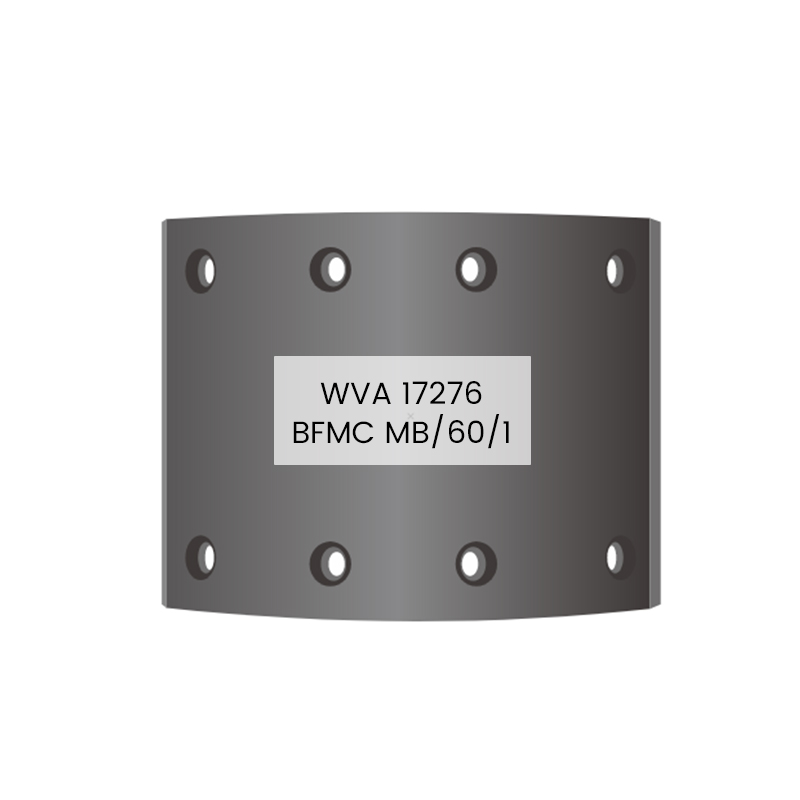
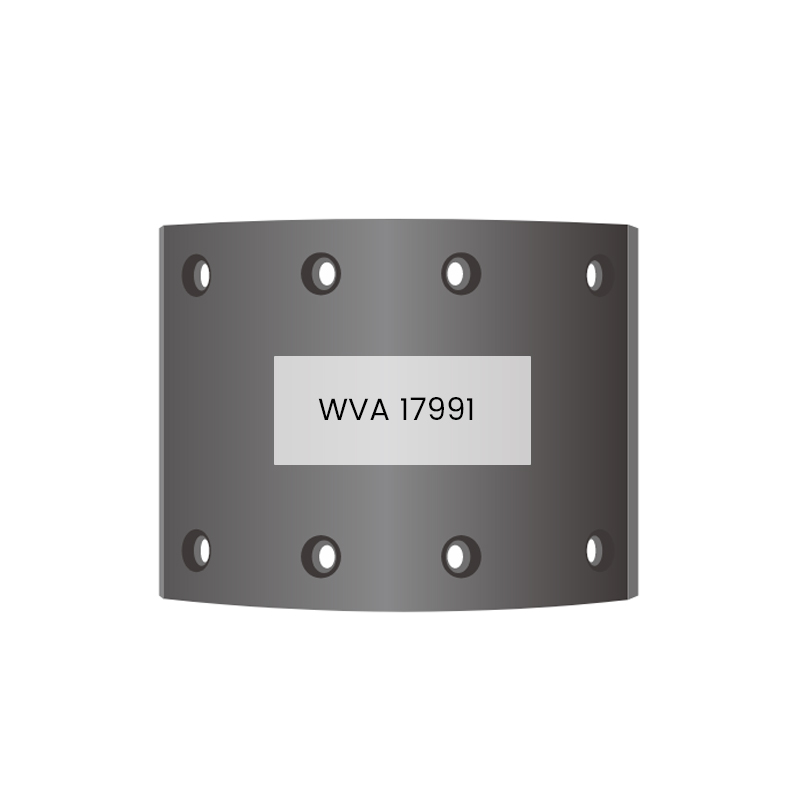
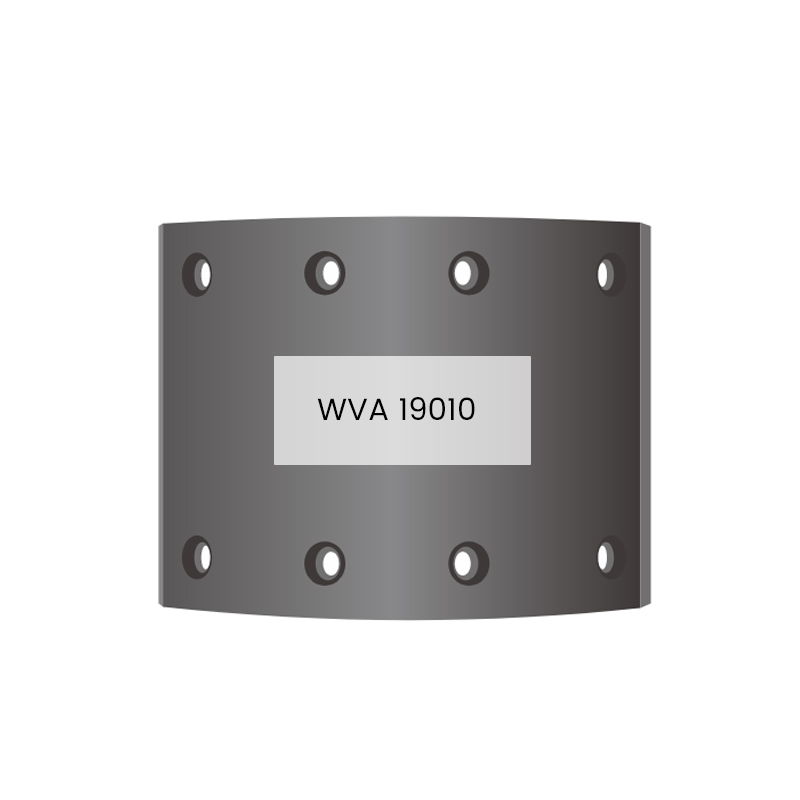
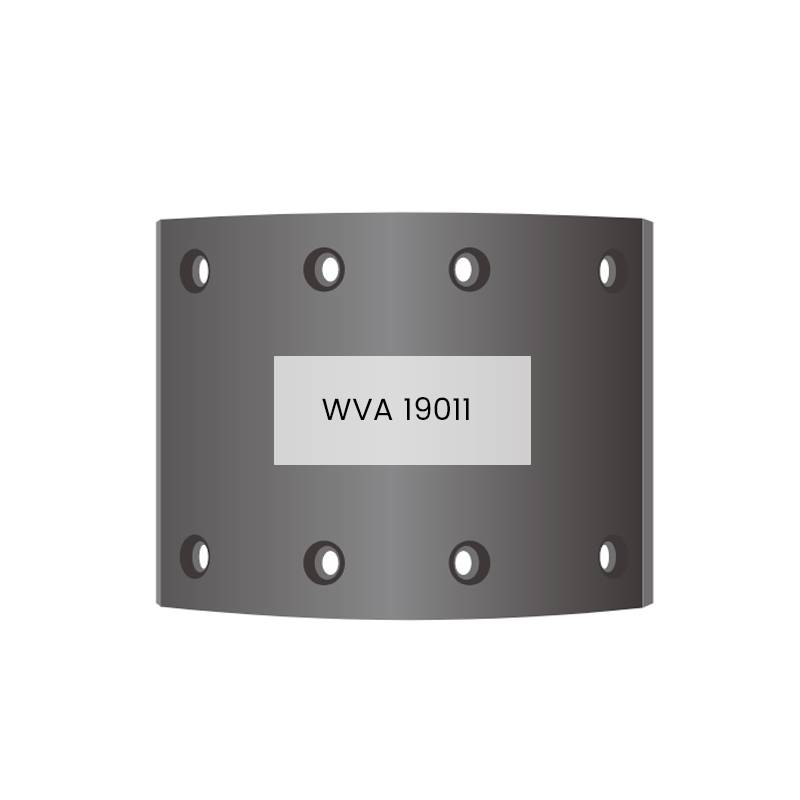
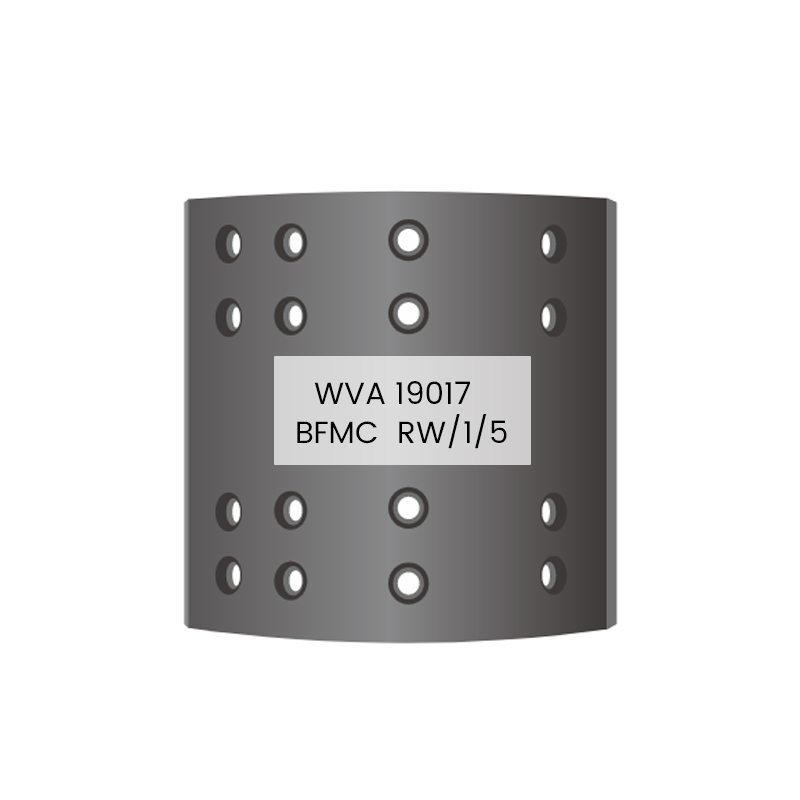
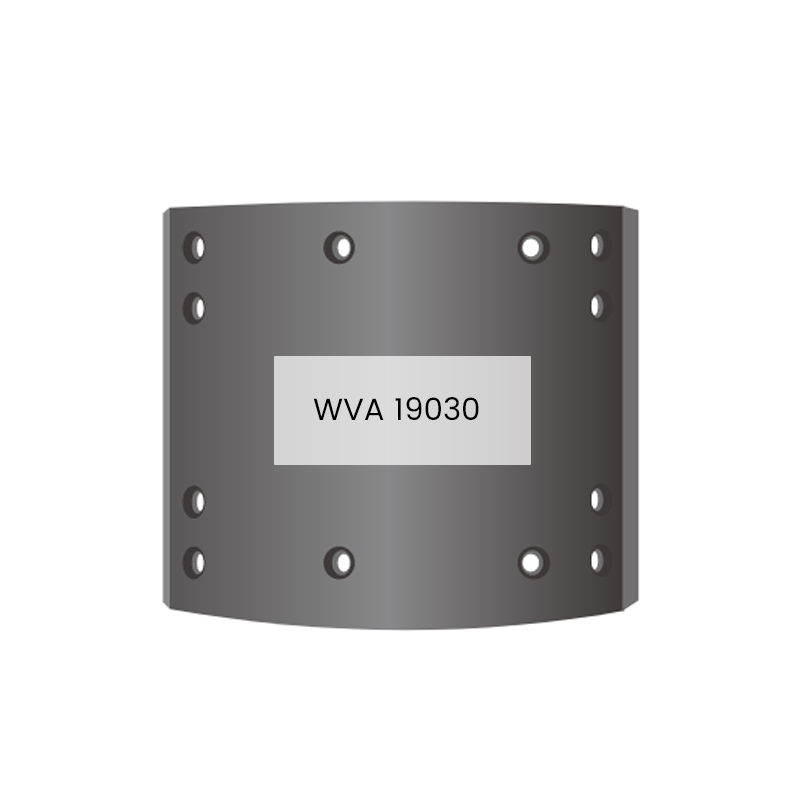
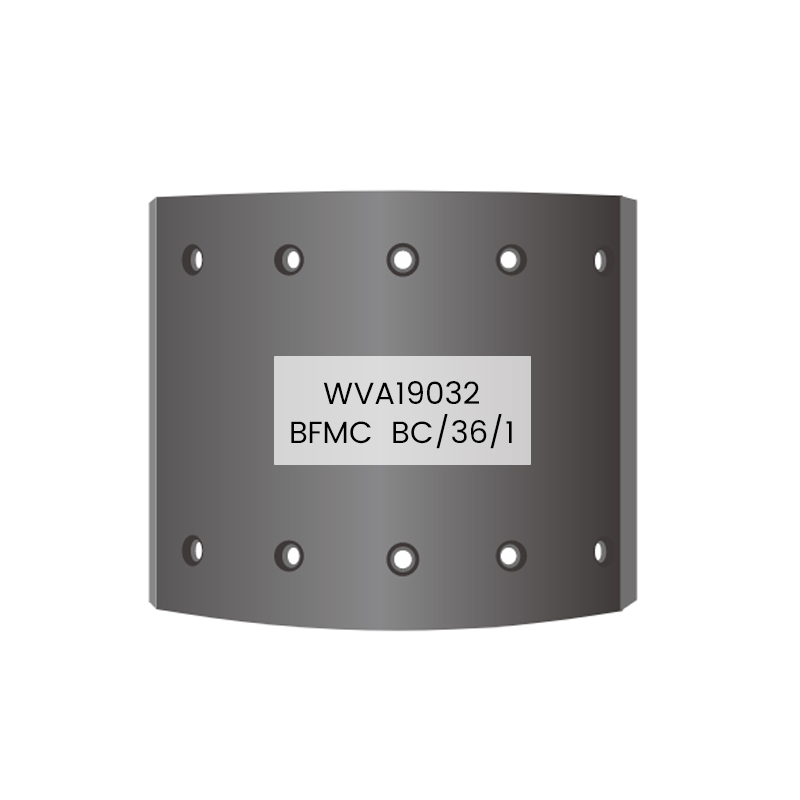
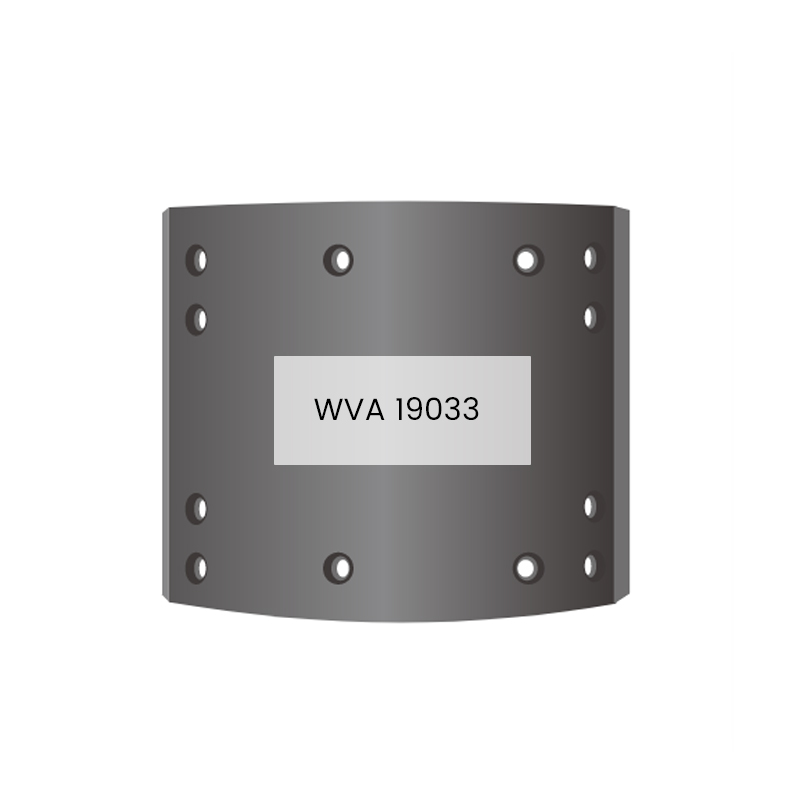
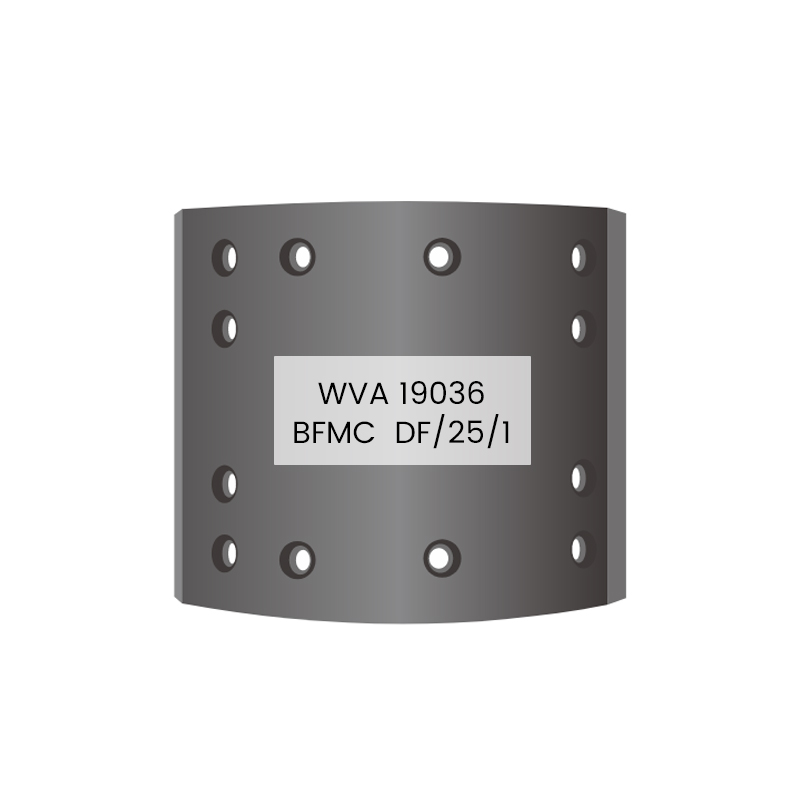
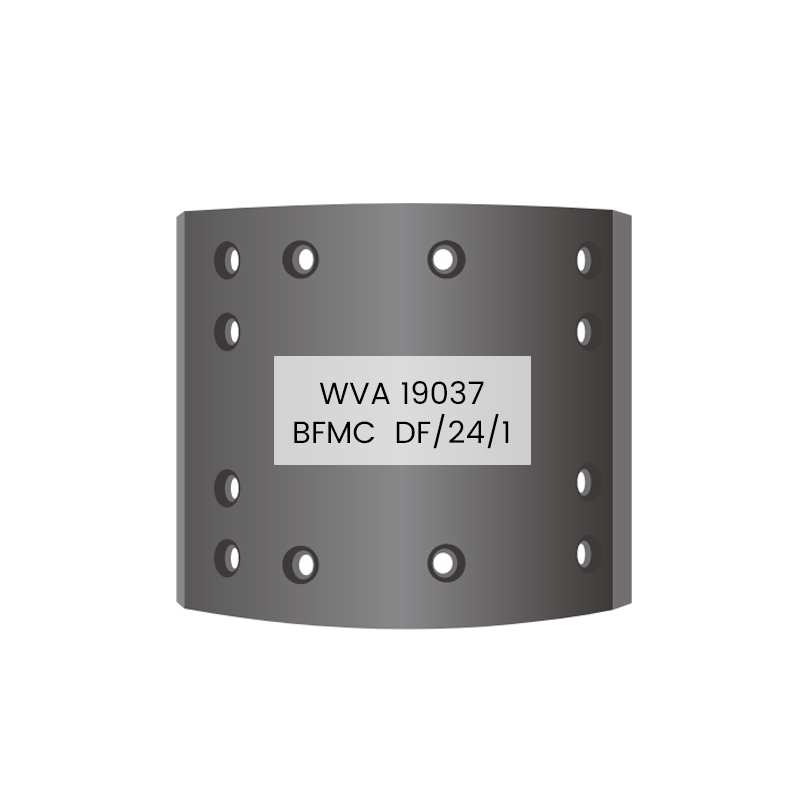
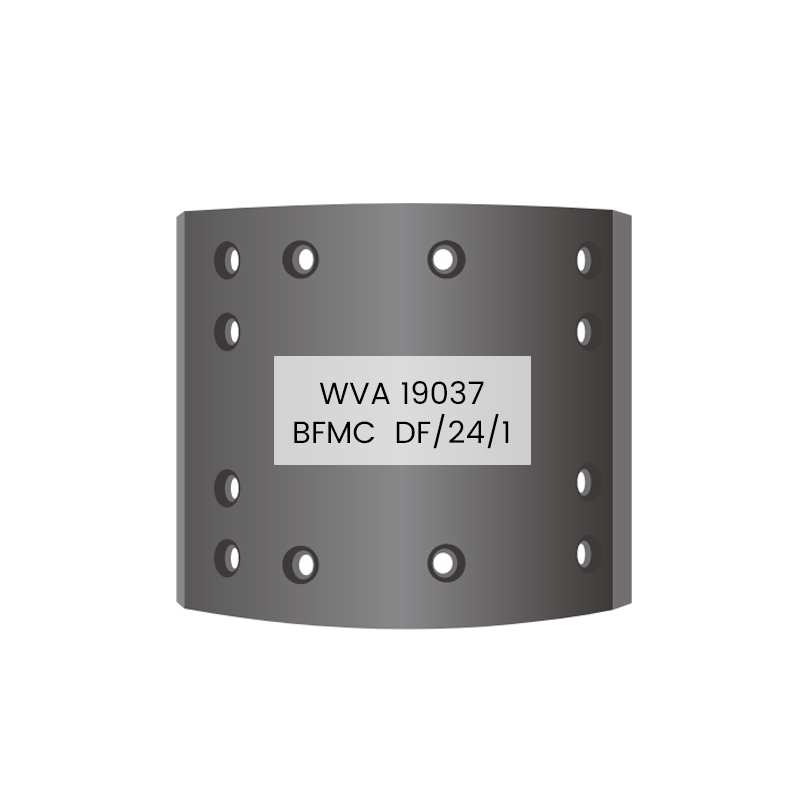
Brake lining is technically the friction material itself — the compound that contacts the rotating surface. In a drum brake system, this friction material is bonded or riveted onto a curved metal backing plate called a brake shoe, creating a complete assembly. In this context, the brake lining is the friction layer, and the brake shoe is the structural carrier it's mounted on. The complete assembly is called a brake shoe set or brake shoe and lining assembly.
Brake pad is the term used for the complete assembly in disc brake systems: a flat metal backing plate with friction material bonded to one face. In common usage, "brake pad" already includes the friction lining as an integrated component, so the two terms describe the same material but in different system contexts. Where the distinction matters most is in drum brake service: you may be able to reline existing brake shoes (removing worn friction material and bonding new lining to the original metal backing plate) rather than replacing the complete shoe assembly — a cost-effective approach commonly used for commercial vehicles, agricultural equipment, and industrial machinery where the shoe backing plates remain structurally sound. For passenger vehicles, full replacement of the pad or shoe assembly is standard practice.
How to Read the Warning Signs of Worn Brake Lining
Brake lining wears gradually and predictably under normal conditions, but the rate of wear is far from uniform — it depends on driving environment, vehicle weight, braking habits, and lining material. Recognizing the specific warning signs early prevents both safety risk and expensive collateral damage to rotors, drums, and hydraulic components.
- High-pitched squealing or squeaking during braking — The most common early warning. Most quality brake linings incorporate a metal wear indicator tab that makes contact with the rotor or drum surface as lining thickness diminishes to the service limit. The resulting squeal is a deliberate warning, not a malfunction. When this sound appears consistently during braking (as distinct from cold-weather morning noise that disappears after a stop or two), the lining is approaching or has reached its minimum safe thickness.
- Grinding or growling sounds — A harsh metallic grinding sound indicates the friction material has worn through completely and the metal backing plate is making direct contact with the rotor or drum. At this stage, drum or rotor surface damage is already occurring with every brake application. Continued driving causes exponentially increasing damage and repair cost — what would have been a brake lining replacement becomes a brake lining plus rotor or drum replacement.
- Increased stopping distance or soft brake pedal — When friction material has degraded or is contaminated, the braking efficiency measurably drops. If you notice that you need more pedal pressure than usual, or that the vehicle takes noticeably longer to stop from the same speed, inspect the lining thickness immediately. A soft, spongy pedal feel can also indicate brake fluid contamination, which often accompanies overheated linings.
- Vehicle pulling to one side during braking — Uneven lining wear between the left and right sides of the same axle creates asymmetric braking force. As the vehicle decelerates, the side with more friction slows faster, pulling the vehicle in that direction. This is a control and stability issue in addition to a wear indicator, and should be investigated promptly.
- Brake pedal pulsation or vibration — A pedal that pulses rhythmically as you apply the brakes typically indicates uneven lining wear, a warped drum or rotor, or cracked lining material. Each wheel revolution brings the high or damaged spot into contact with the friction surface, creating the pulsing sensation.
- Burning smell after driving — A sharp, acrid chemical smell after city driving or a descent can indicate that brake linings are running consistently hotter than their design temperature. This is a sign that either the lining material is wrong for the application or there is brake drag from a stuck caliper or wheel cylinder.
Measuring Brake Lining Thickness: Minimum Safe Standards
Visual inspection and symptom monitoring are useful, but direct measurement of brake lining thickness gives the most reliable indication of remaining service life. Most manufacturers recommend replacing brake lining when thickness falls to 3 millimeters (approximately 1/8 inch), though some OEM specifications call for replacement at 2 mm, and some heavy-duty commercial vehicle standards require earlier replacement at 4–5 mm to ensure adequate performance under high-load conditions.
To measure accurately, use a micrometer or vernier caliper gauge and measure at multiple points across the lining surface — not just the center. Measure at the leading edge, center, and trailing edge of each shoe or pad. Tapering wear (where one edge is significantly thinner than another) indicates uneven contact with the drum or rotor, which may point to a backing plate problem, a misadjusted shoe, or a damaged wheel cylinder. In drum brake systems, the lining is not always readily visible without removing the drum, but many drums have inspection holes in the backing plate through which a flashlight and a small mirror can reveal approximate lining thickness without full disassembly.
The following thickness reference points apply to most passenger and light commercial vehicle brake lining:
| Thickness | Status | Action Required |
|---|---|---|
| 10–12 mm (new) | New / full-life | No action — document for baseline comparison |
| 6–9 mm | Good condition | Continue normal use; inspect at next service interval |
| 4–5 mm | Approaching service limit | Plan replacement; inspect more frequently; heavy-duty vehicles: replace now |
| 3 mm | At service limit | Replace immediately — standard industry minimum |
| Below 3 mm | Beyond service limit | Do not drive — replacement urgently required |
| Metal-on-metal | Lining fully worn through | Immediate replacement; inspect drum/rotor for damage |
Selecting the Right Brake Lining for Your Vehicle and Use Case
The most common brake lining mistake is choosing based on price alone rather than matching the lining's performance profile to the actual demands of the vehicle and driving environment. A lining that is perfectly appropriate for one application can be dangerously inadequate or unnecessarily expensive in another.
Light-Duty Passenger Vehicles and Urban Commuting
For standard passenger cars and light SUVs used primarily in urban and suburban traffic, NAO or ceramic brake lining delivers the best balance of quiet operation, low dust, rotor protection, and adequate thermal performance for the stop-start driving cycle. In this context, the brake temperatures rarely exceed 200–250°C, well within the thermal range of quality organic compounds. Ceramic lining is the premium choice here — it consistently outperforms NAO in lining longevity and dust management, and the higher initial cost is typically recovered through a longer service interval.
Trucks, SUVs, and Towing Applications
Any vehicle that regularly carries heavy loads, tows trailers, or operates in hilly or mountainous terrain needs a brake lining with meaningfully higher thermal capacity than standard organic materials can provide. Semi-metallic brake lining in the 30–50% metallic content range is the appropriate choice for these applications. The higher thermal conductivity of the metallic fibers keeps friction performance stable through extended, high-energy braking events where an organic lining would begin to fade. The trade-off of increased noise and slightly faster rotor wear is an acceptable and expected consequence of the higher performance demand.
Heavy Commercial Vehicles and Fleets
Heavy trucks, buses, dump trucks, refuse vehicles, and fire apparatus operate under sustained, severe braking loads that far exceed what any light-vehicle lining can handle. For these applications, the brake lining selection must be matched to the specific duty cycle and axle rating. Line-haul trucks (primarily highway use with moderate braking frequency) can use quality semi-metallic linings at moderate metallic content. Stop-and-go urban applications — garbage trucks, city buses, delivery vehicles — require premium semi-metallic linings with higher metallic content and graphite content for both fade resistance and noise control. Axle loading also matters: linings must be rated for the vehicle's GVWR and axle weight ratings (20K, 23K, 25K axle ratings). Using a lining rated for a lighter axle load than the actual axle specification is a safety violation in most jurisdictions and a direct cause of premature lining failure and brake fade.
Performance and Track Use
Performance driving on track generates brake temperatures that routinely exceed 500°C and can reach 800°C or higher at the rotor surface in the most demanding conditions. At these temperatures, standard organic and ceramic linings are completely ineffective — the resin binders have decomposed and friction coefficient has dropped to near zero. Sintered metallic brake lining is the only appropriate material for sustained track use. Carbon-ceramic compound linings are used at the highest levels of motorsport. For street cars with occasional track days, a high-performance semi-metallic lining that maintains friction consistency from cold to 500°C offers a practical middle ground, though these linings are often noisier and harder on rotors during normal street driving.
Brake Lining Replacement: What to Do Right and What to Avoid
Brake lining replacement is a safety-critical procedure, and the quality of the installation work has as much impact on braking performance and lining longevity as the choice of lining material itself. Several best practices consistently make the difference between a brake job that lasts and one that results in premature wear, noise, or comeback.
- Always replace in axle pairs — Replacing lining on only one wheel of an axle creates asymmetric braking force. The side with new lining bites harder than the worn side, causing the vehicle to pull during braking. Both sides of an axle should always be replaced at the same time with the same lining material and compound.
- Inspect and service the drum or rotor surface — New brake lining bedded against a scored, grooved, or out-of-tolerance drum or rotor wears unevenly and never seats properly. Measure rotor thickness and drum diameter against the manufacturer's minimum specifications. Resurface or replace surfaces that are scored, grooved, or dimensionally out of spec. A scored drum with deep grooves can accelerate new lining wear by 30–50% compared to a properly finished surface.
- Check and service the hardware — Return springs, adjuster mechanisms, wheel cylinders, and caliper slide pins all affect how evenly and completely the lining contacts and releases from the braking surface. A sticky wheel cylinder or seized caliper creates uneven lining contact, concentrated heat, and dramatically accelerated wear on one side. Replace springs that have stretched or lost tension; they're inexpensive insurance against comeback work.
- Bed the new lining correctly — New brake lining requires a bedding-in process to transfer a thin, even layer of lining material onto the rotor or drum surface (this is called the transfer film) and to seat the lining geometry against the contact surface. For light vehicles, this typically involves 8–10 moderate stops from 50–60 km/h with adequate cooling time between stops. Avoid hard stops for the first 100–200 km of service. For heavy commercial vehicles, the bedding procedure specified by the lining manufacturer should be followed — it often involves a series of controlled stops at increasing load levels.
- Do not mix lining compounds on the same axle — Different brake lining compounds have different friction coefficients. Mixing compounds on the same axle creates the same pulling problem as mixing new and worn lining. If you cannot source an exact match for one side, replace both sides with the same new compound.
- Verify compliance and certification — Brake linings for road vehicles should comply with applicable standards: ECE R90 in Europe, FMVSS 121 for commercial vehicles in North America, and ISO 6312 or equivalent. Certified lining products have been tested for consistent friction coefficient, heat resistance, and wear rate. Uncertified, counterfeit, or very low-cost brake linings from unknown sources are a documented safety risk — they often have inconsistent friction coefficients and accelerated wear rates that make their service life and stopping performance completely unpredictable.
How Driving Habits and Environment Affect Brake Lining Life
Two identical vehicles with identical brake lining can have service life differences of 50% or more depending purely on how and where they are driven. Understanding what accelerates wear allows drivers and fleet managers to set realistic replacement intervals and identify vehicles that may need more frequent inspection.
Urban stop-and-go driving is consistently the most demanding environment for brake lining. A city delivery vehicle making 100 or more complete stops per hour generates far more cumulative friction energy than a highway vehicle that brakes only a handful of times in the same period. This is why fleet operators running urban delivery routes typically budget for brake lining replacement intervals roughly half those of line-haul trucks covering similar annual mileage. Mountainous terrain with extended downhill grades creates a different pattern of thermal stress — rather than frequent short-duration heat events, it generates sustained elevated temperature that challenges the thermal capacity of the lining material rather than its ability to recover between stops.
Driving habits have an equally significant impact. Brake lining wear rate is not linear with braking force — it increases disproportionately with harder stops. A driver who habitually brakes late and hard from higher speeds can consume 40–60% more lining material per kilometer than a driver who anticipates stops and brakes progressively from further back. Engine braking — using lower gears to slow the vehicle before applying the friction brakes — meaningfully extends brake lining life in mountainous driving and heavy towing applications, and is standard practice for professional commercial drivers precisely for this reason.