 English
 中文简体
中文简体If you're searching for the 19094 truck brake lining, chances are you're either dealing with a brake service job on a heavy-duty or medium-duty commercial truck, or you're sourcing parts for a fleet. The 19094 is a specific brake lining part number used in drum brake systems on a range of commercial vehicles, and getting the right replacement — with the right friction rating, dimensions, and material composition — is critical for both safety and compliance. This guide walks you through everything you need to know: what the 19094 lining is, where it's used, how to identify wear, and what to look for when buying a replacement.
Content
- 1 What Is the 19094 Truck Brake Lining?
- 2 Key Specifications of the 19094 Brake Lining
- 3 Vehicles and Brake Systems Compatible with the 19094 Lining
- 4 How to Tell When Your 19094 Brake Lining Needs Replacement
- 5 Step-by-Step Overview of 19094 Brake Lining Replacement
- 6 Choosing Quality 19094 Brake Lining: OEM vs. Aftermarket
- 7 DOT Compliance and Inspection Requirements for Truck Brake Linings
What Is the 19094 Truck Brake Lining?
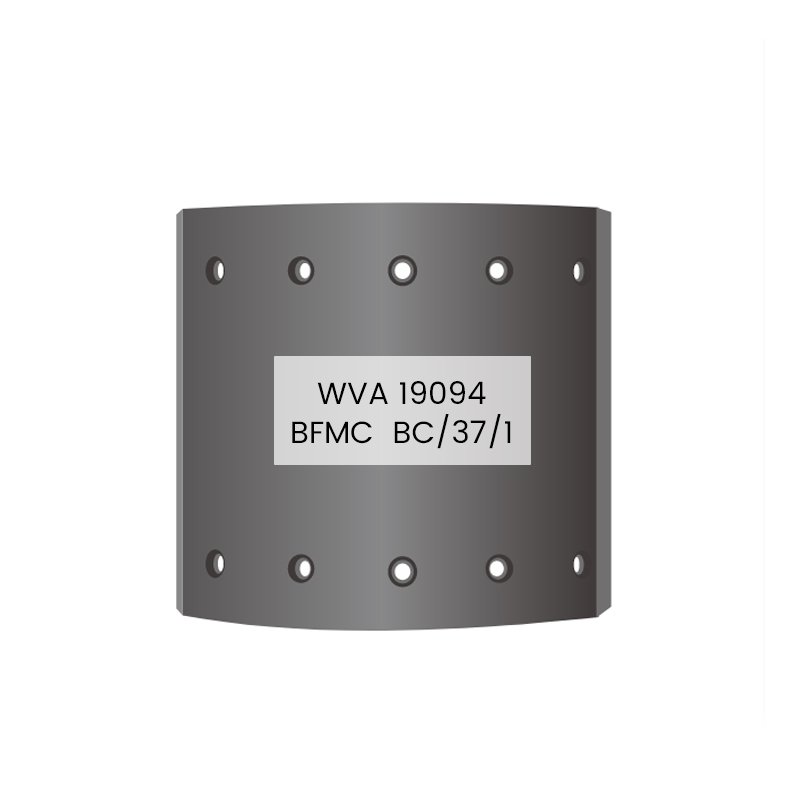
The 19094 is a brake lining part number used in the heavy-duty trucking and commercial vehicle industry. Brake linings are the friction material bonded or riveted to brake shoes in drum brake systems. When the driver applies the brakes, the brake shoes press outward against the inside of the rotating brake drum, and it's the lining — not the metal shoe itself — that makes direct contact with the drum to create the friction needed to slow and stop the vehicle.
The 19094 designation refers to a specific lining geometry and friction formulation. It is commonly associated with Meritor, Bendix, or equivalent aftermarket brake systems used on medium-duty and heavy-duty trucks, trailers, and buses. The number is a standard industry part reference that allows fleet managers, mechanics, and parts suppliers to identify the exact lining profile, dimensions, and friction grade required without ambiguity.
Unlike passenger car brake pads, heavy-duty truck brake linings like the 19094 are significantly thicker, wider, and engineered to withstand the extreme heat, pressure, and load cycles generated by large commercial vehicles — including loaded semi-trucks that can weigh up to 80,000 lbs (36,000 kg) or more at gross vehicle weight. The friction material formulation, thickness, and arc geometry all play a role in how well the lining performs under these conditions.
Key Specifications of the 19094 Brake Lining
Understanding the core specifications of the 19094 truck brake lining helps ensure you're sourcing the correct part and that the replacement will perform as intended. While exact dimensions can vary slightly between manufacturers, the following specifications are standard for this lining number:
| Specification | Details |
| Part Number | 19094 |
| Lining Width | Typically 4 inches (101.6 mm) |
| Lining Thickness (New) | Typically 0.625–0.687 inches (15.9–17.5 mm) |
| Arc Length | Varies by brake shoe — confirm with drum diameter |
| Attachment Method | Riveted or bonded (application-specific) |
| Friction Rating | Typically EE or FE (FMSI/SAE edge code) |
| Application Type | Medium-duty and heavy-duty drum brake systems |
| Asbestos Content | Non-asbestos (all modern 19094 linings) |
The friction rating is particularly important. The FMSI edge code (stamped on the edge of the lining) uses two letters — the first indicates the cold friction coefficient and the second the hot friction coefficient. An "EE" rating means a coefficient of friction between 0.45 and 0.55 in both cold and hot conditions, while "FE" indicates slightly higher cold friction (0.55–0.65) with the same hot range. Always verify that the replacement 19094 brake lining matches the friction grade specified by the vehicle or brake system manufacturer to maintain predictable, consistent stopping performance.
Vehicles and Brake Systems Compatible with the 19094 Lining
The 19094 truck brake lining is used across a broad range of medium-duty and heavy-duty commercial vehicles. It is most commonly associated with S-cam drum brake systems — the standard air brake configuration on North American commercial trucks — but may also appear in cam-actuated systems on buses and vocational vehicles. Compatible applications typically include:
- Class 6–8 commercial trucks including linehaul tractors, dump trucks, flatbeds, and tankers
- Semi-truck and tractor-trailer brake axles using Meritor or Bendix S-cam brake assemblies
- Transit and coach buses with air drum brake systems
- Vocational and specialty vehicles including cement mixers, garbage trucks, and utility trucks
- Some medium-duty trucks in the Class 4–5 range depending on axle and brake drum specification
Because the 19094 is a widely used lining number, it's available from OEM suppliers as well as a large number of quality aftermarket brake parts manufacturers. However, it's critical to cross-reference the part number against your specific vehicle's brake specifications — including drum diameter, brake chamber size, and axle rating — to confirm fitment before ordering. A parts catalog cross-reference or consultation with a knowledgeable brake parts supplier is always recommended when in doubt.
How to Tell When Your 19094 Brake Lining Needs Replacement
Brake lining wear on heavy-duty trucks follows predictable patterns, and there are several reliable indicators — both measurable and observable — that tell you when the 19094 lining has reached the end of its service life. Catching wear early prevents drum damage, maintains braking performance, and keeps your vehicle compliant with DOT inspection standards.
Measured Lining Thickness
The most definitive method is measuring the remaining lining thickness during a brake inspection. For most heavy-duty truck drum brake applications, the minimum allowable lining thickness is 1/4 inch (6.4 mm) measured at the thinnest point, as specified by FMCSA regulations (49 CFR Part 393). Some manufacturers recommend replacement at 5/16 inch (7.9 mm) to provide a safety margin. A new 19094 brake lining starts at approximately 5/8 inch (15.9 mm) or more, so you have a meaningful wear range to monitor over time. Linings should be measured at every PM service interval — typically every 25,000 to 50,000 miles depending on operation type.
Warning Signs During Operation
Drivers and fleet managers should be alert to several operational warning signs that indicate brake lining wear or damage beyond acceptable limits:
- Increased stopping distance — If the truck takes noticeably longer to stop than usual under the same load and road conditions, worn friction material is a primary suspect.
- Pulling to one side during braking — Uneven lining wear between the left and right sides of an axle causes the vehicle to pull, indicating one side has worn faster or glazed over.
- Grinding or metal-on-metal noise — A harsh grinding sound during braking is a serious sign that the lining has worn through to the metal shoe, which will rapidly score and damage the brake drum.
- Brake fade under heavy use — If braking effectiveness drops significantly during prolonged downhill braking or repeated stops (such as in urban delivery operations), the lining material may be glazed or thermally degraded.
- Visual cracking or delamination — During inspection, cracks across the face of the lining or any sign of the lining separating from the brake shoe are immediate grounds for replacement regardless of remaining thickness.
Step-by-Step Overview of 19094 Brake Lining Replacement
Replacing truck brake linings is a skilled job that should be performed by a qualified heavy-duty brake technician. The following is a practical overview of the replacement process for S-cam drum brake systems using the 19094 lining, intended to help fleet managers understand what's involved and ensure the job is done correctly.
- Safety preparation — Chock the wheels, release the spring brakes, and safely support the axle with appropriate jack stands before removing any wheels. Air brake systems retain pressure that must be safely vented before disassembly.
- Wheel and drum removal — Remove the wheel and tire assembly, then pull the brake drum off the hub. Inspect the drum's inner friction surface for scoring, heat cracks, or wear beyond the discard diameter stamped on the drum. A scored or out-of-round drum must be turned or replaced — installing new linings against a damaged drum wastes the new parts.
- Brake shoe removal — Release the return springs using appropriate brake spring tools (never attempt this with improvised tools — spring tension can cause serious injury). Remove the anchor pins and retaining hardware, then slide the brake shoes out from the S-cam and anchor pin positions.
- Lining replacement or shoe exchange — In most modern fleet operations, worn brake shoes are exchanged for pre-lined replacement shoes (brake shoes with new 19094 linings already attached) rather than relining the old shoes in the field. This is faster, ensures consistent quality, and the worn core shoes are returned for remanufacturing. If relining in a shop, the old lining is drilled out (riveted) or ground off (bonded), the shoe table is cleaned and inspected, and new 19094 linings are attached using the correct rivet pattern and torque.
- Reassembly and adjustment — Install the new or relined shoes, reattach return springs, and reinstall the drum. Adjust the automatic slack adjuster or manual adjuster to achieve the correct lining-to-drum clearance. Verify that the pushrod stroke is within the legal limit (typically under 2 inches for standard chambers) using a ruler during a manual brake application.
- Burnishing the new linings — New brake linings require a burnishing period to seat properly against the drum surface. Perform 10–20 moderate stops from 20–30 mph in a safe area before returning the vehicle to heavy-duty service. Avoid aggressive panic stops during this break-in period.
Choosing Quality 19094 Brake Lining: OEM vs. Aftermarket
The market for 19094 truck brake linings includes both OEM (original equipment manufacturer) products and a wide range of aftermarket alternatives. OEM linings from manufacturers like Meritor, Bendix, or Haldex are engineered specifically for their brake systems and carry full manufacturer warranty coverage. They're the safest choice for vehicles still under warranty or operating in high-liability environments such as passenger transport or hazardous materials hauling.
Quality aftermarket 19094 brake linings from reputable suppliers — such as Raybestos, Carlisle, Abex, or equivalent — can match OEM performance at a lower cost and are widely used in fleet maintenance operations. When evaluating aftermarket options, look for linings that carry FMSI certification, match the correct friction grade (edge code), are manufactured to the same dimensional specifications, and are explicitly listed as non-asbestos. Avoid unknown-brand linings sold purely on price — brake performance is not the place to cut corners. Check whether the supplier provides a material safety data sheet (MSDS) and product certification documentation, which reputable suppliers always have available.
DOT Compliance and Inspection Requirements for Truck Brake Linings
Commercial trucks operating in the United States are subject to FMCSA regulations that govern brake lining condition as part of Federal Motor Vehicle Safety Standards (FMVSS) and the Commercial Vehicle Safety Alliance (CVSA) out-of-service criteria. Under CVSA Level I inspection standards, an inspector will place a vehicle out of service if any brake lining is worn to less than 1/4 inch (6.4 mm) at the thinnest point, if the lining shows cracks extending through to the metal shoe, if the lining is loose or separated from the shoe, or if there is contamination by grease or oil that compromises friction performance.
Fleet managers should ensure that brake lining inspections — including measurement of 19094 lining thickness — are documented at every preventive maintenance interval and that records are retained for FMCSA compliance purposes. Proactive replacement before linings reach the minimum threshold reduces the risk of roadside out-of-service orders, unplanned downtime, and liability exposure in the event of a brake-related incident. Treating brake lining maintenance as a scheduled, data-driven activity rather than a reactive repair is the hallmark of professional fleet brake management.