 English
 中文简体
中文简体When you press the brake pedal in your car, you probably think about the immediate effect: your car slows down. But have you ever considered the small, yet mighty, components that make this essential action possible? Enter the brake lining, a critical part of your vehicle’s braking system that is truly the unsung hero of road safety.
Content
What Exactly is a Brake Lining?
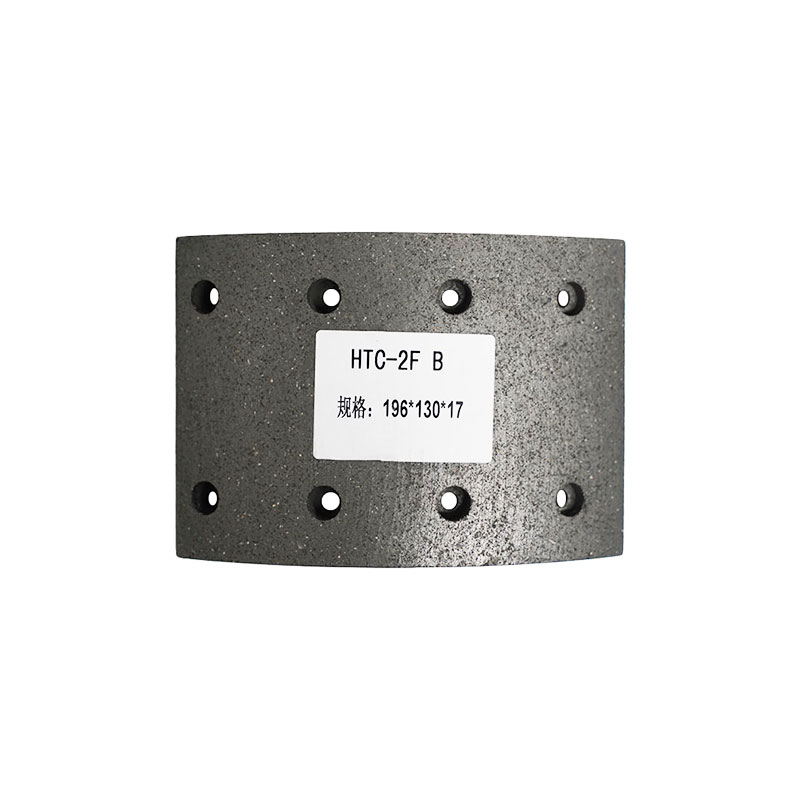
In modern cars, the term “brake lining” generally refers to the friction material found on a brake pad (for disc brakes) or a brake shoe (for drum brakes). Its sole purpose is to create the necessary friction against a rotating surface—the rotor (disc) or the inside of the drum—to convert the car’s kinetic energy (motion) into thermal energy (heat), thereby slowing or stopping the wheels.
Think of it this way: your car is hurtling down the road with a lot of energy. To stop it, that energy has to go somewhere. The brake lining is designed to bear the brunt of this energy conversion.
The Materials That Make the Stop
For decades, asbestos was the material of choice due to its excellent heat resistance and friction properties. However, due to severe health risks, it was phased out. Today, brake linings are categorized based on their composition:
Non-Asbestos Organic (NAO): These are made from materials like fibers, glass, rubber, and high-strength resins. They are quiet and easy on the rotors, but they tend to wear out faster and may not handle extreme heat as well as other types.
Semi-Metallic: Containing 30% to 65% metals (like steel, copper, and iron), these linings are durable and offer excellent braking performance, especially under heavy load and high heat. They can, however, be noisier and cause more wear on the rotors.
Ceramic: These are the new premium standard, made from dense ceramic fibers, non-ferrous filler materials, and sometimes a small amount of copper. They are the quietest, produce minimal dust, and are very long-lasting. Their performance is reliable across a wide range of temperatures.
How Does the Braking System Work?
The brake lining is part of a complex hydraulic system that translates the force of your foot into a powerful clamping action at the wheel.
The Disc Brake System (Most Common)
When you press the brake pedal, the force is amplified and transmitted by hydraulic fluid to the caliper. Inside the caliper, one or more pistons push the brake pad (which holds the lining) against the rotating rotor or disc. The lining’s friction against the rotor is what slows the wheel. The harder you press, the more force is applied, and the faster the car stops.
The Drum Brake System (Often on Rear Wheels)
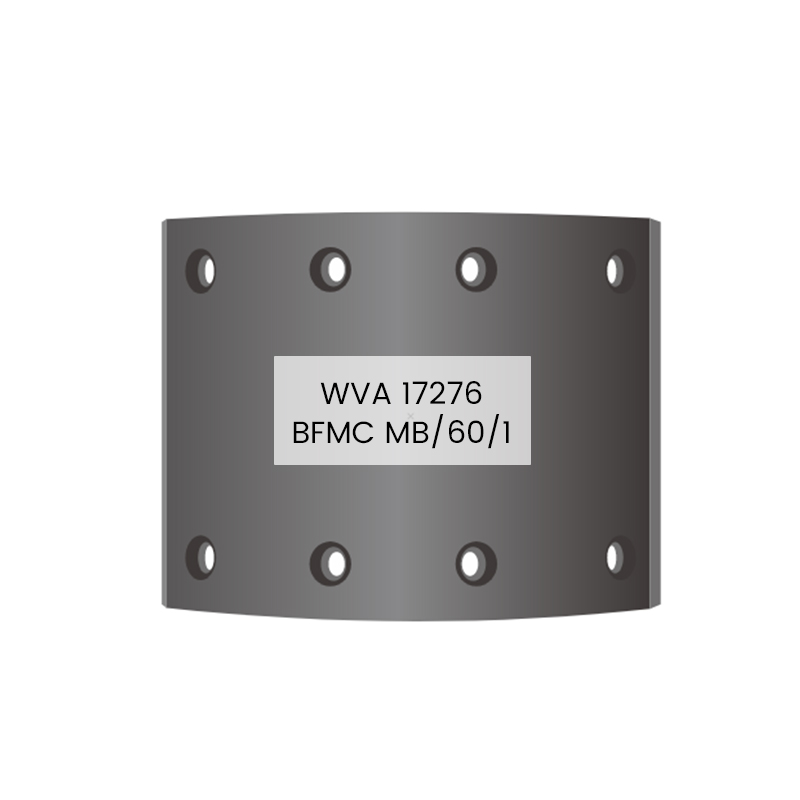
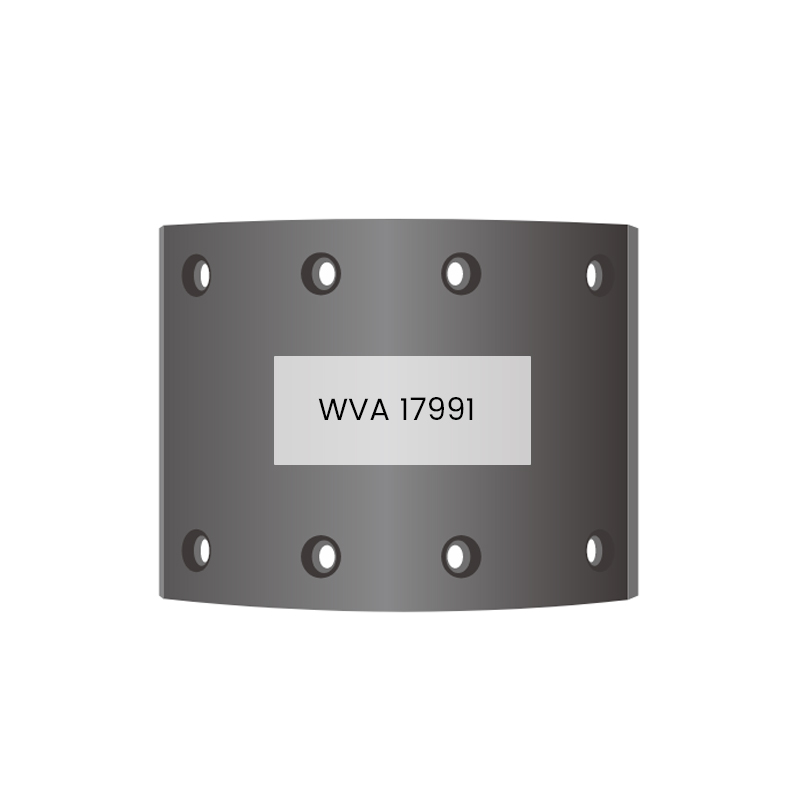
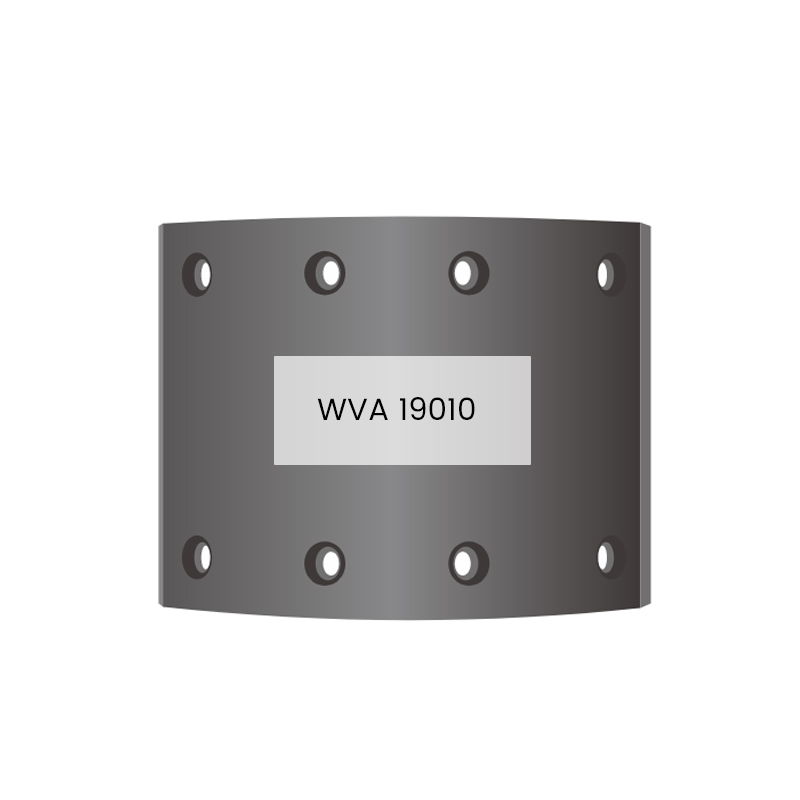
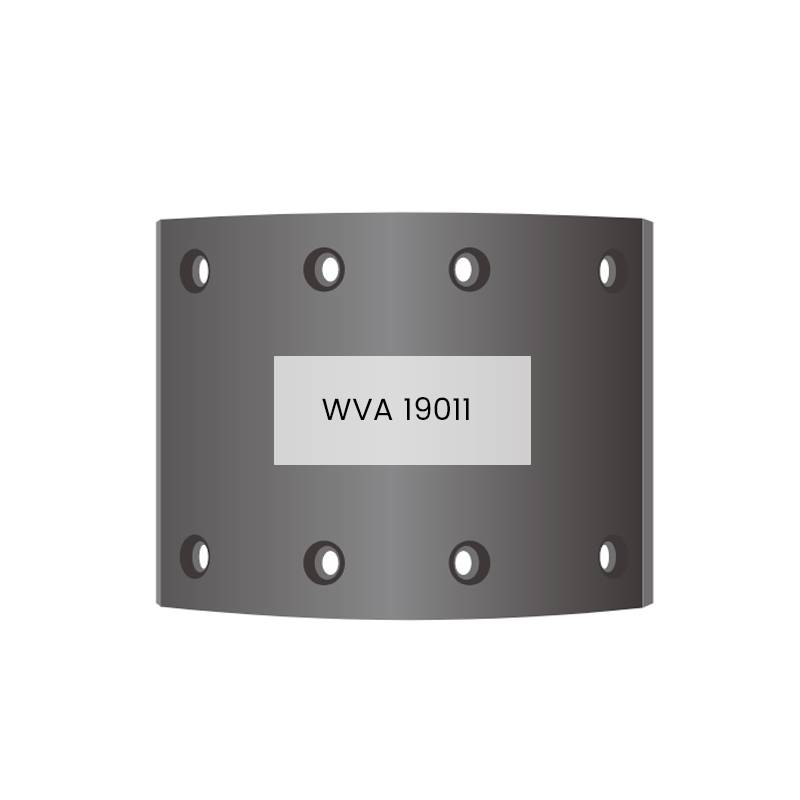
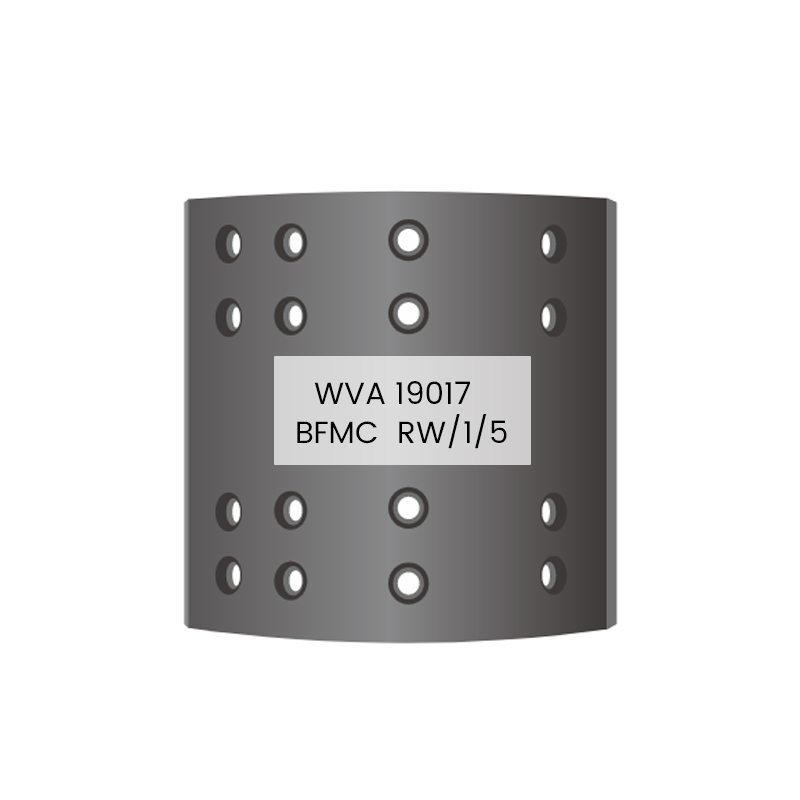
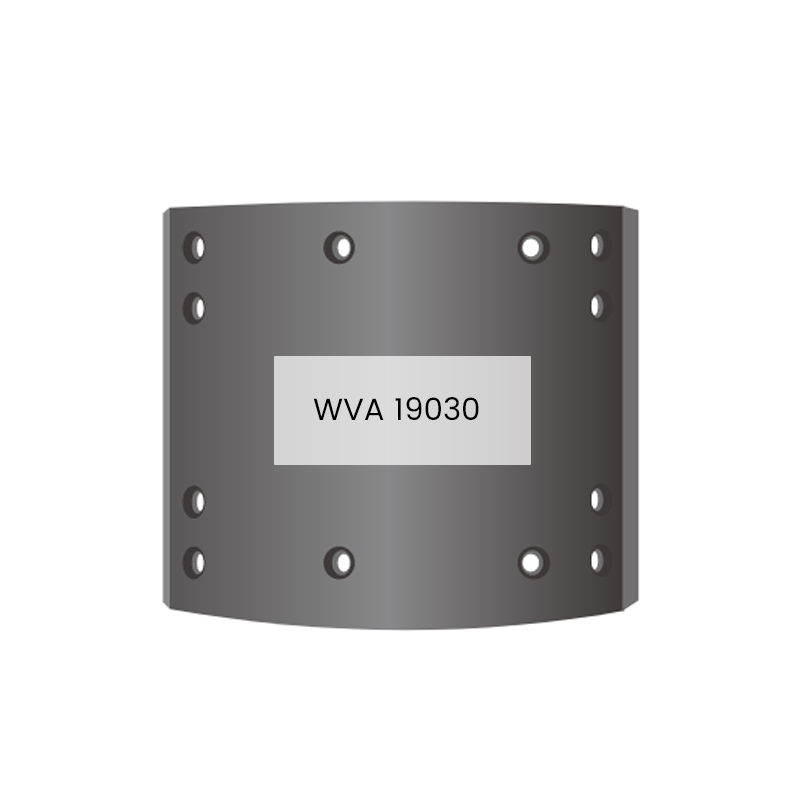
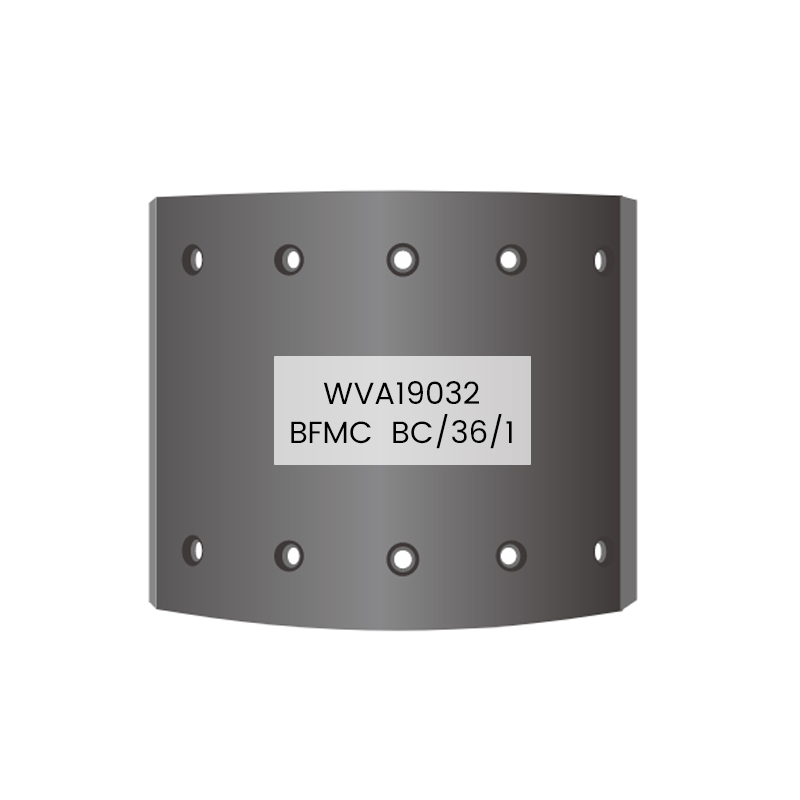
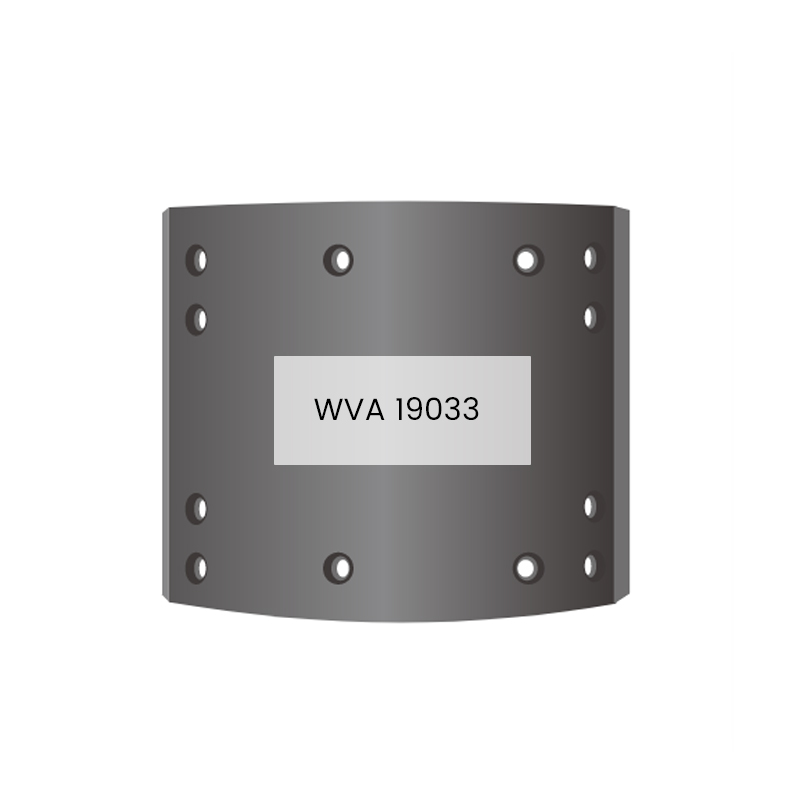
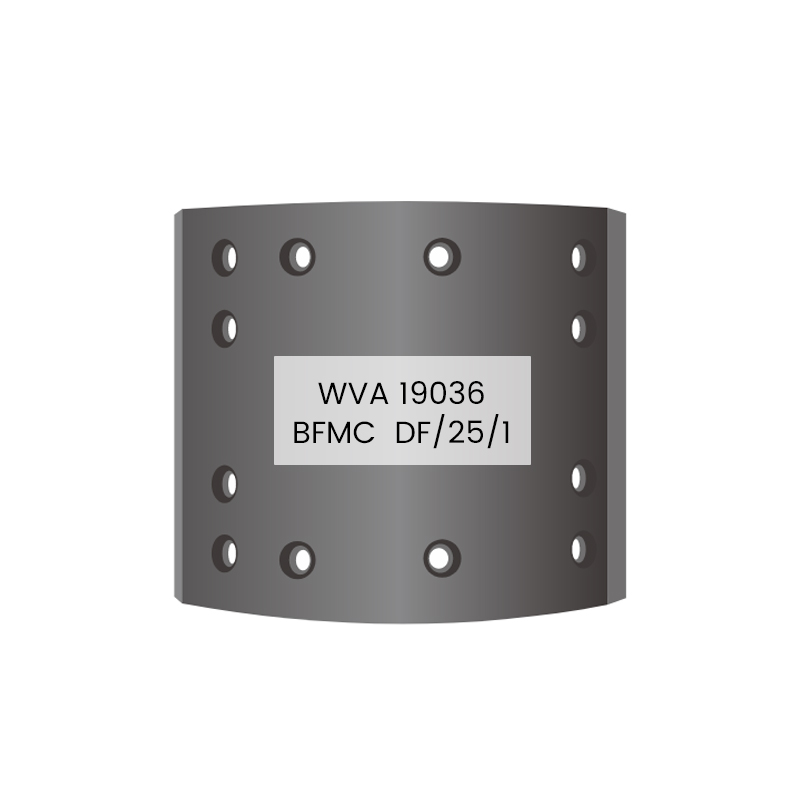
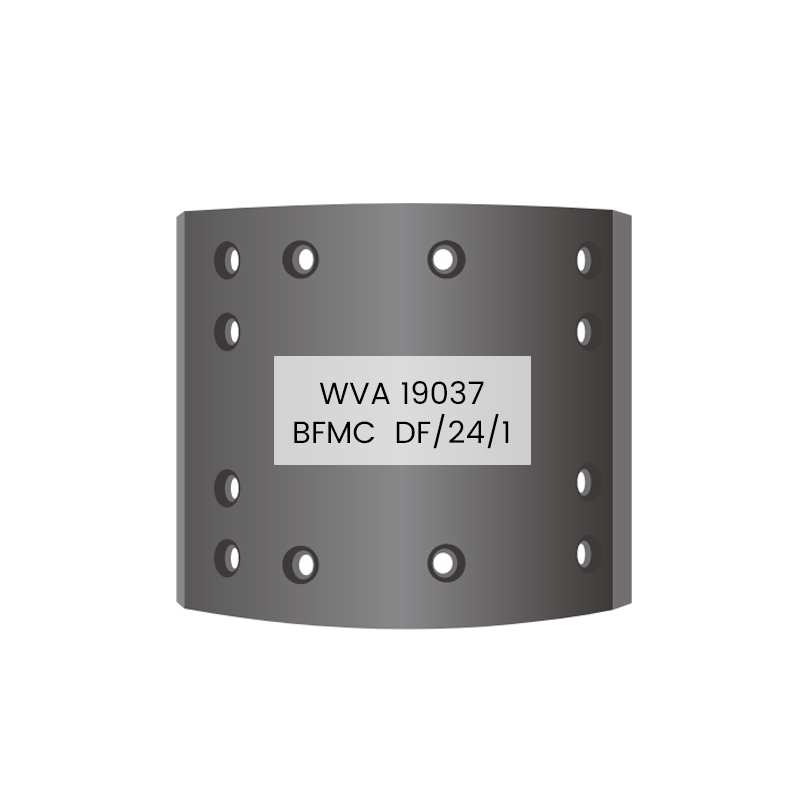
In a drum system, hydraulic pressure forces two curved brake shoes outward, pressing their linings against the inside surface of a rotating drum. This friction slows the rotation. While less common on front wheels, drum brakes are still effective and are sometimes used for the rear axle or as part of the parking brake mechanism.
Recognizing When Your Linings Need Attention
Since brake linings are designed to be sacrificed—they wear down over time to save your rotors and drums—they require regular inspection and replacement. Ignoring worn-out linings is extremely dangerous.
Key Warning Signs of Wear
Squealing or Chirping: Many brake pads have a small, built-in wear indicator—a metal tab that scrapes against the rotor when the lining is getting thin. This produces a high-pitched squeal to alert the driver.
Grinding Sound: If you hear a harsh, metallic grinding, it means the friction material is completely gone, and the metal backing of the brake pad or shoe is scraping against the rotor or drum. This damages the metal components and drastically reduces stopping power. Stop driving immediately and have them replaced.
Soft or Spongy Pedal: A change in pedal feel, where it seems to go farther to the floor than usual, can indicate worn linings, air in the brake lines, or low brake fluid.
Visual Inspection: If you have disc brakes, you can often see the brake pads through the wheel spokes. If the remaining friction material is about as thin as a coin (around 3 to 4 millimeters), it’s time for replacement.
The brake lining may be small, but it’s the most active and important part of your braking system. Understanding what it does and paying attention to its warning signs are vital steps in maintaining a safe and reliable vehicle.