 English
 中文简体
中文简体Content
- 1 What the 19094 Reference Number Actually Tells You
- 2 Why Confirming Vehicle Application Matters Before Ordering
- 3 Friction Material Types Used in Commercial Vehicle Brake Linings
- 4 Quality Indicators Worth Checking Before Bulk Purchasing
- 5 Common Sourcing Mistakes Fleet Buyers Should Avoid
- 6 Questions to Ask a Brake Lining Manufacturer Before Ordering
- 7 Getting the Right Lining for Reliable Braking Performance
What the 19094 Reference Number Actually Tells You
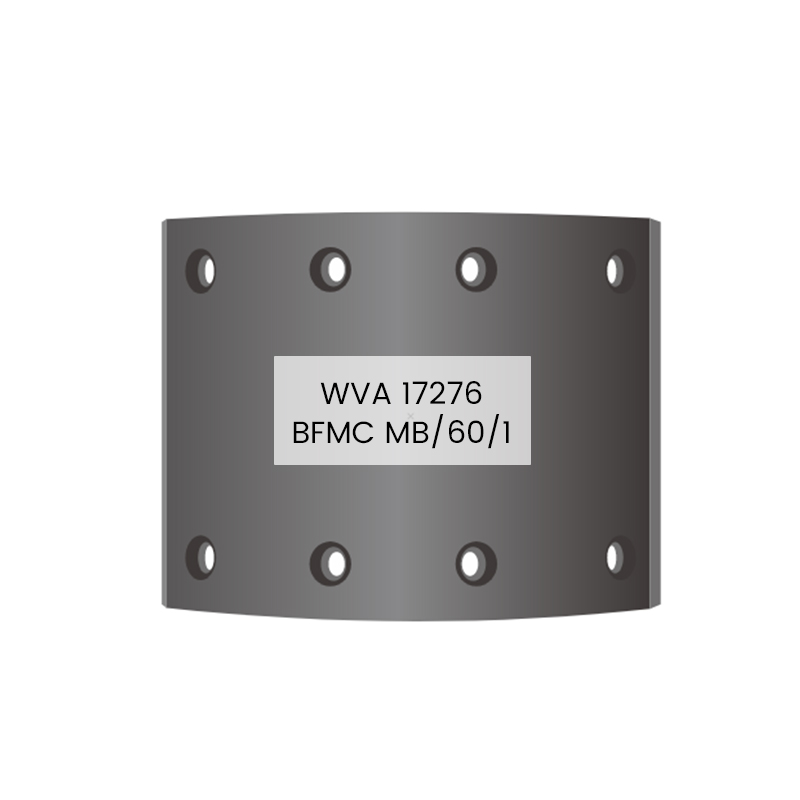
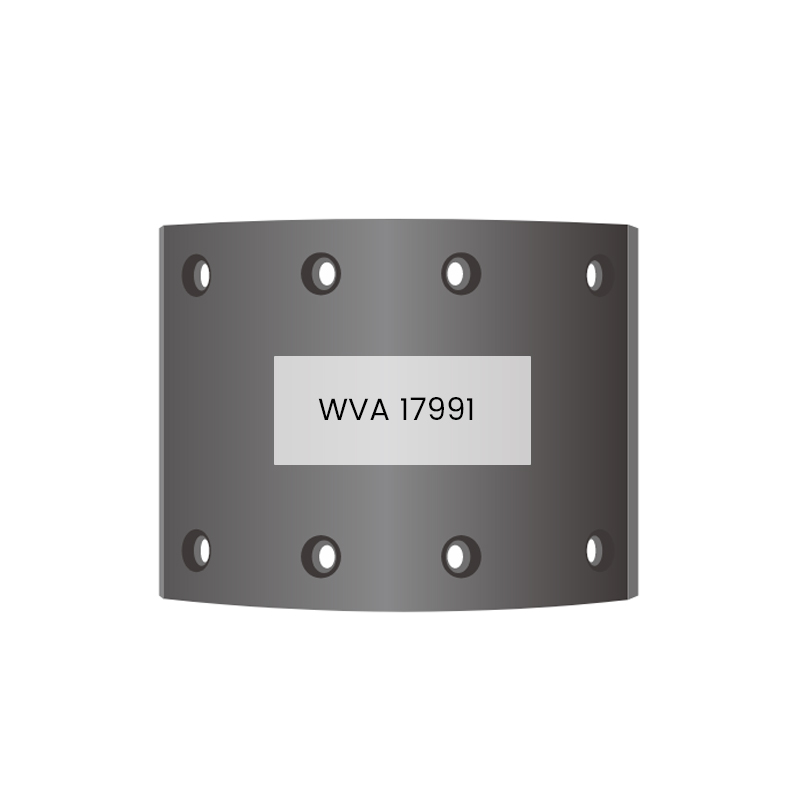
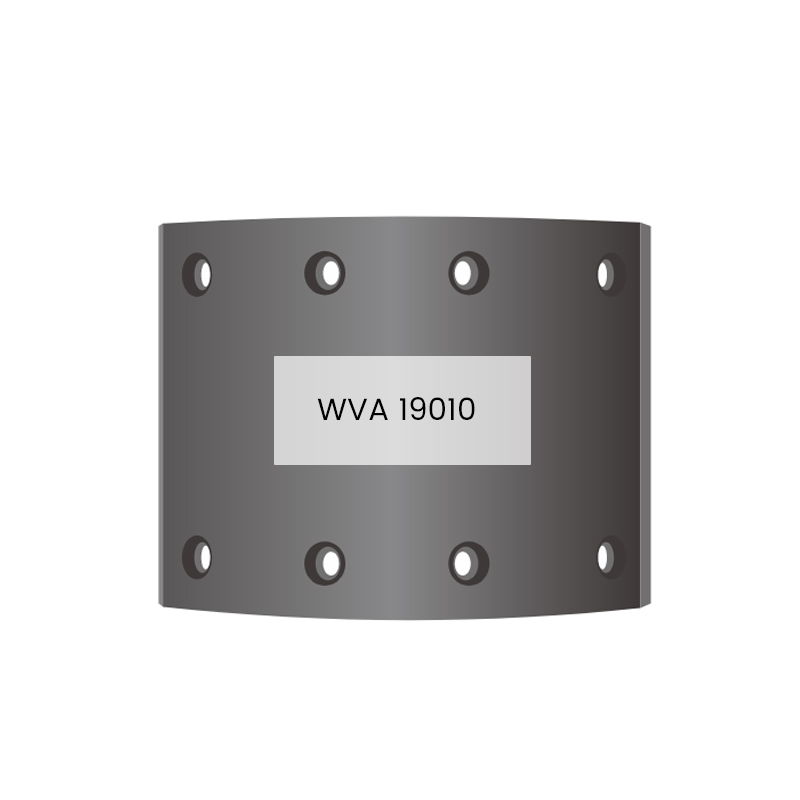
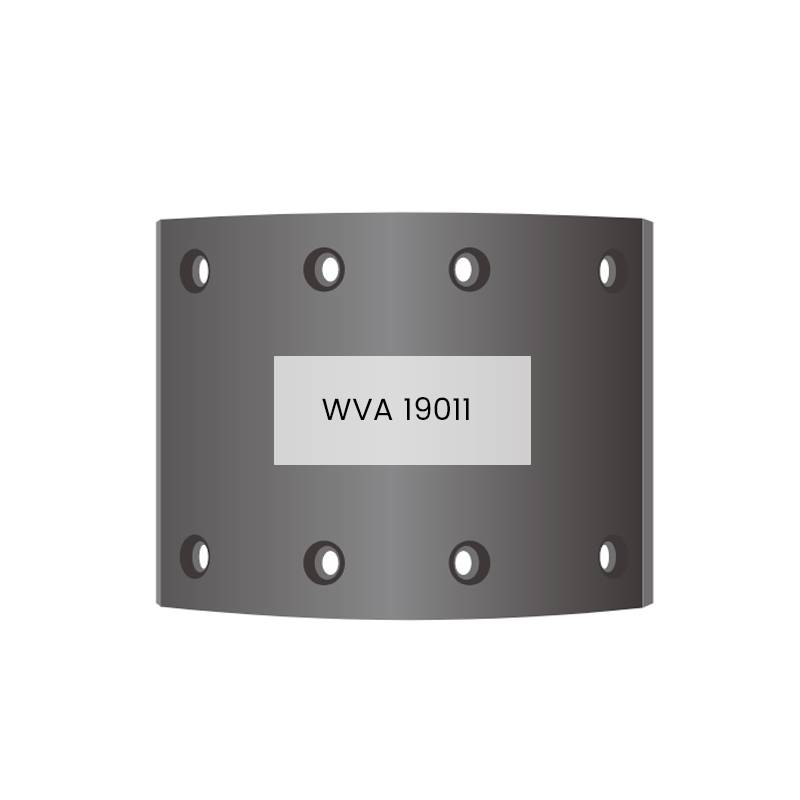
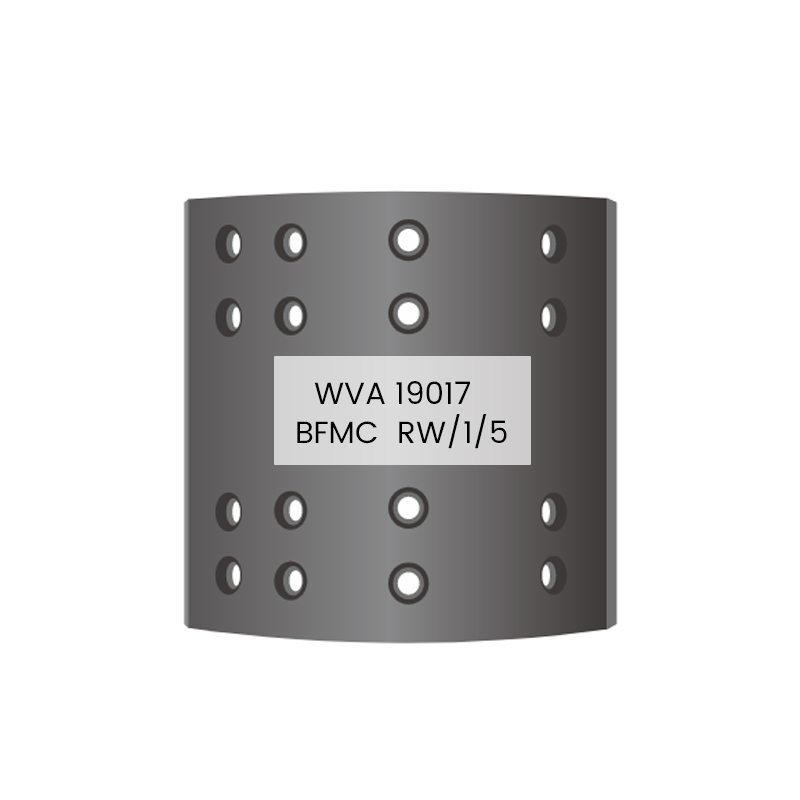
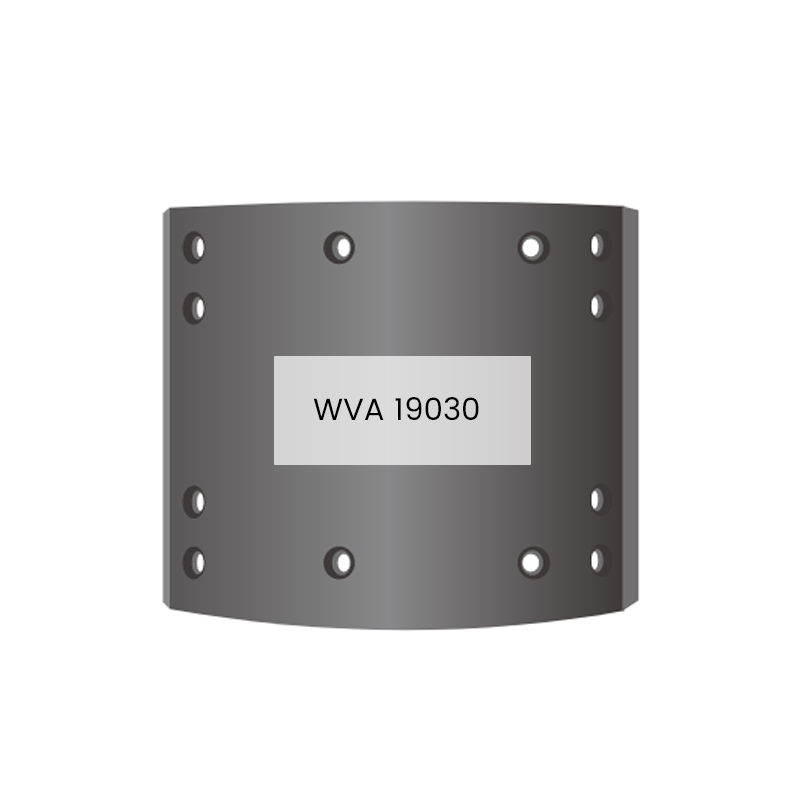
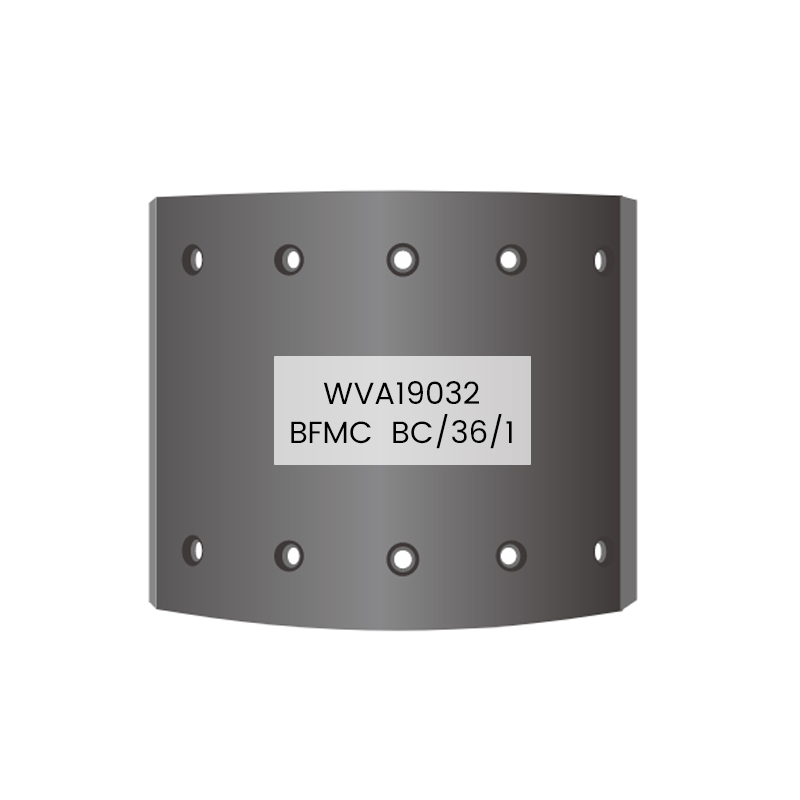
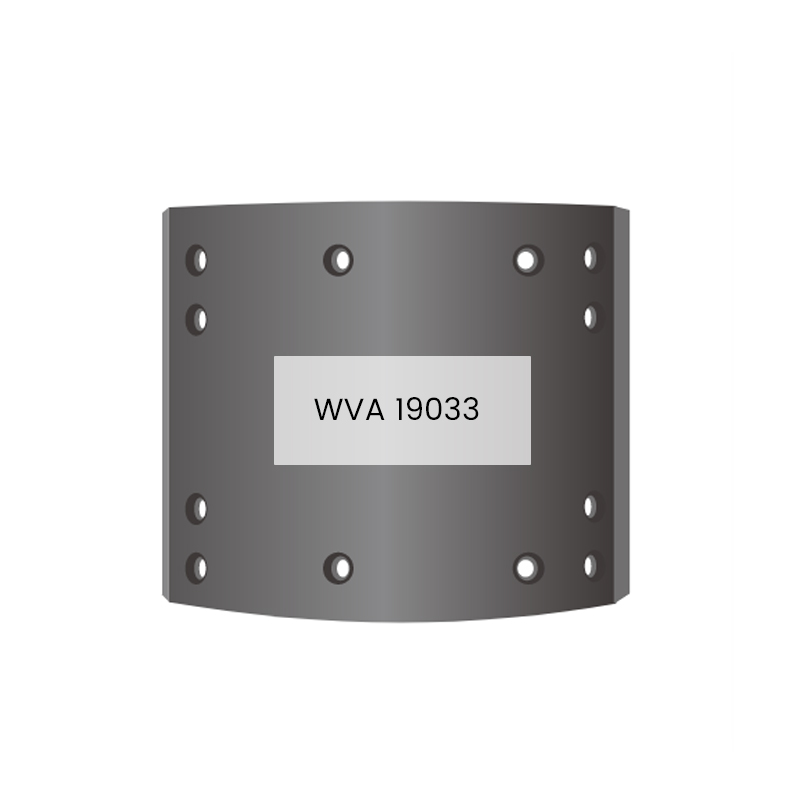
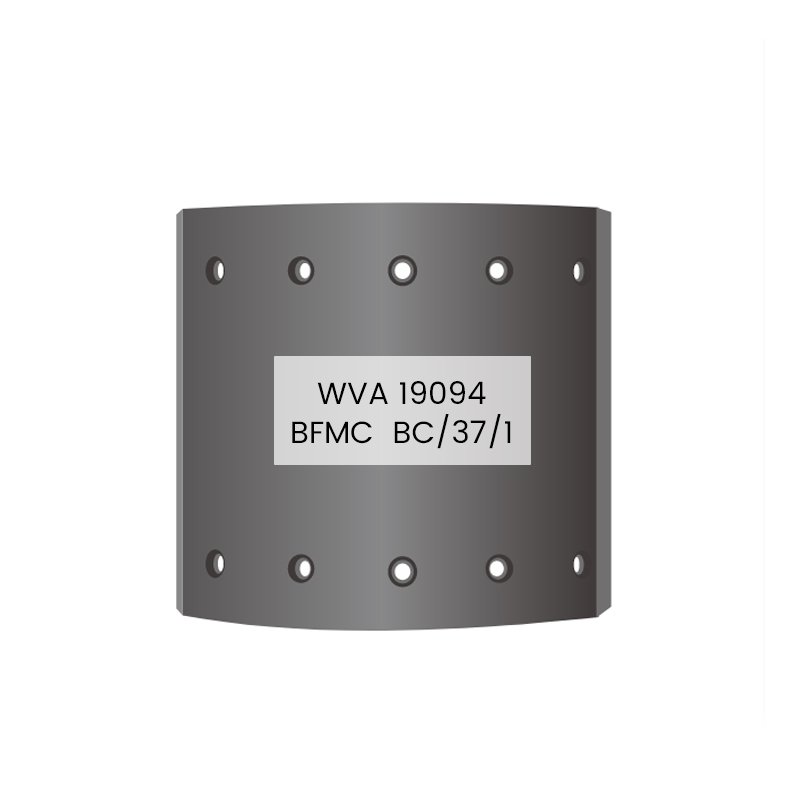
When buyers search for 19094 brake lining, they're typically referencing a WVA (Wechselverzeichnis aller Achsen) catalog number used widely across Europe and other markets to identify a specific brake lining size and shape for commercial vehicles such as trucks, buses, and trailers. This type of reference number is extremely useful for cross-checking compatibility across different brands, since the same WVA number is meant to correspond to a lining with matching dimensions and mounting configuration regardless of which manufacturer produces it. However, buyers should be cautious not to assume the number alone guarantees identical friction performance — two linings sharing the same WVA reference can still differ meaningfully in friction material composition, wear rate, and noise characteristics depending on the manufacturer's formulation.
Why Confirming Vehicle Application Matters Before Ordering
Because brake lining reference numbers can sometimes overlap across slightly different axle or brake system configurations, it's worth confirming the exact vehicle make, model, axle position, and brake system type before finalizing an order based on the reference number alone.
Cross-Referencing With OEM Part Numbers
Whenever possible, buyers should cross-check the 19094 brake lining reference against the original equipment manufacturer's part number for their specific vehicle, since this provides an extra layer of verification beyond the WVA number alone. Reputable suppliers typically maintain cross-reference databases that allow buyers to confirm fitment by vehicle model rather than relying solely on a catalog number that was self-reported by a previous supplier.
Checking Brake System Compatibility
Beyond physical dimensions, it's important to confirm that the lining is rated for the correct brake system type, such as drum brake configurations used in heavy-duty commercial vehicles. Mismatched brake system compatibility, even when the lining physically fits, can result in inconsistent braking performance or premature wear.
Friction Material Types Used in Commercial Vehicle Brake Linings
Brake lining manufacturers typically offer the same physical reference size across several different friction material formulations, and choosing the right one depends on the vehicle's typical duty cycle and operating conditions.
| Material Type | General Characteristics | Typical Application |
| Semi-Metallic | Strong heat dissipation, durable under heavy load | Heavy trucks, long-haul fleets |
| Non-Asbestos Organic (NAO) | Quieter operation, lower dust generation | Buses, urban transport vehicles |
| Ceramic-Based Blends | Lower wear rate on mating drum surface | Mixed-duty fleets prioritizing component longevity |
Quality Indicators Worth Checking Before Bulk Purchasing
For fleet operators or distributors sourcing brake linings in bulk, a few quality checks can help avoid receiving inconsistent batches that affect braking performance or warranty claims down the line.
- Ask whether the lining is manufactured to recognized standards such as ECE R90, which governs replacement brake lining performance for commercial vehicles in many markets
- Request friction coefficient test data showing consistency across different temperature ranges, since performance under cold versus heavily loaded braking conditions can vary significantly
- Confirm whether rivets or bonding method used to attach the lining material meets the strength requirements for heavy-duty commercial use
- Check batch-to-batch consistency documentation if ordering recurring large volumes, since friction material composition can drift slightly between production runs without proper quality control
Common Sourcing Mistakes Fleet Buyers Should Avoid
Buyers sourcing brake linings at scale sometimes run into avoidable problems that trace back to skipped verification steps rather than the product itself being defective.
- Ordering based on a reference number alone without confirming it against the specific vehicle's OEM specification
- Switching suppliers without requesting a sample for in-house testing before committing to a full bulk order
- Failing to confirm whether the lining is sold with or without pre-installed rivets, which affects compatibility with existing brake shoes
- Assuming lower price automatically reflects equivalent friction material quality, without reviewing test certifications
Questions to Ask a Brake Lining Manufacturer Before Ordering
Working with an established brake lining manufacturer rather than an unverified trading supplier tends to reduce the risk of compatibility or quality issues. Before placing a bulk order, it's worth confirming the following.
- Can you confirm exact dimensional specifications and provide a cross-reference list against OEM part numbers?
- What friction material options are available for this reference size, and what are the performance differences?
- Is the product certified to relevant regional standards for commercial vehicle brake linings?
- What is the minimum order quantity, and is a sample available before a full bulk order is placed?
- What is the typical lead time, and how is quality consistency maintained across production batches?
Getting the Right Lining for Reliable Braking Performance
Sourcing the correct 19094 brake lining comes down to verifying compatibility through multiple cross-references, not relying on the catalog number alone, while also matching friction material type to the vehicle's actual duty cycle. Buyers who confirm OEM compatibility, request quality certifications, and test samples before committing to bulk orders tend to avoid the costly mismatches and premature wear issues that come from rushed sourcing decisions. Since brake linings are a safety-critical component, taking the extra time to verify these details upfront is well worth the effort compared to the risks of an incorrect or low-quality match.