 English
 中文简体
中文简体Content
What Is a Brake Shoe and How It Stops Your Vehicle
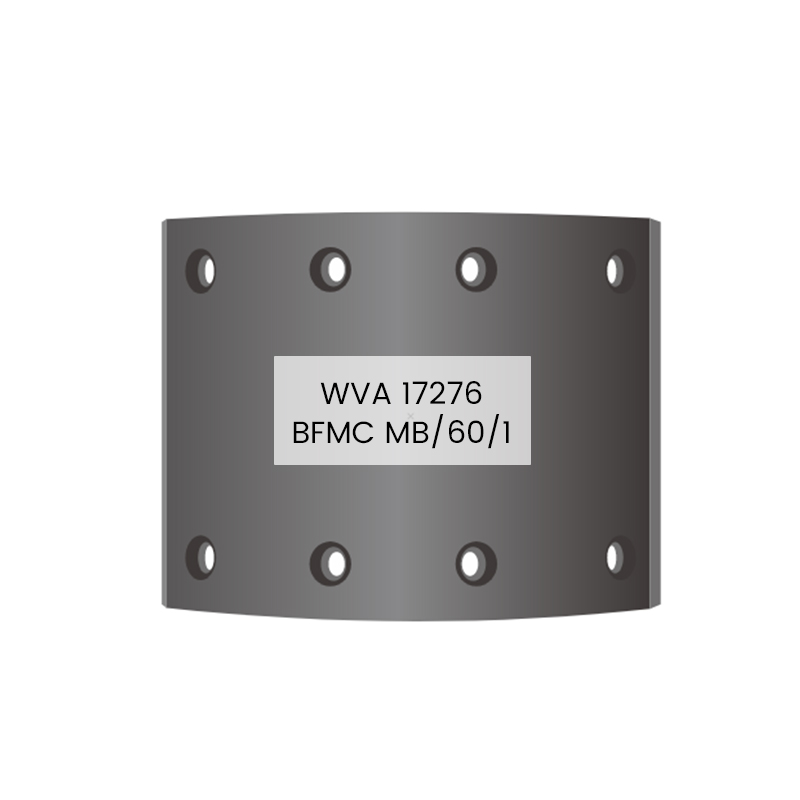
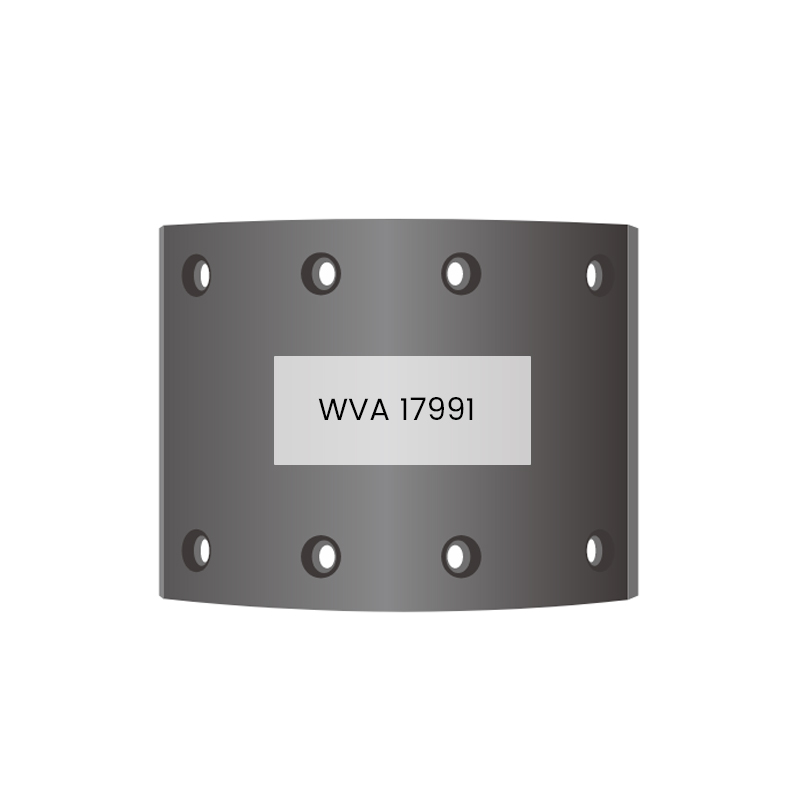
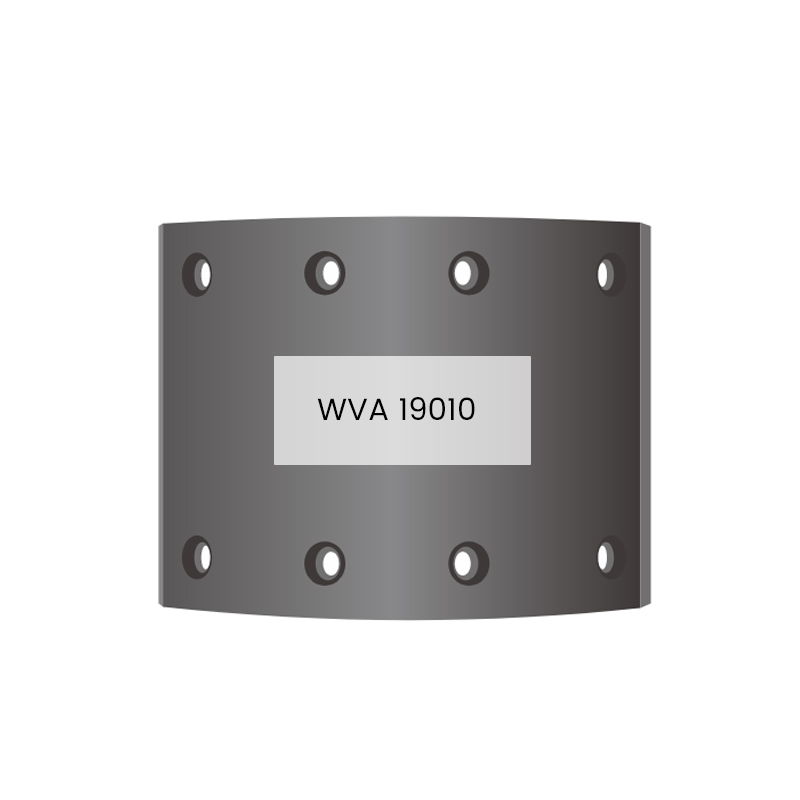
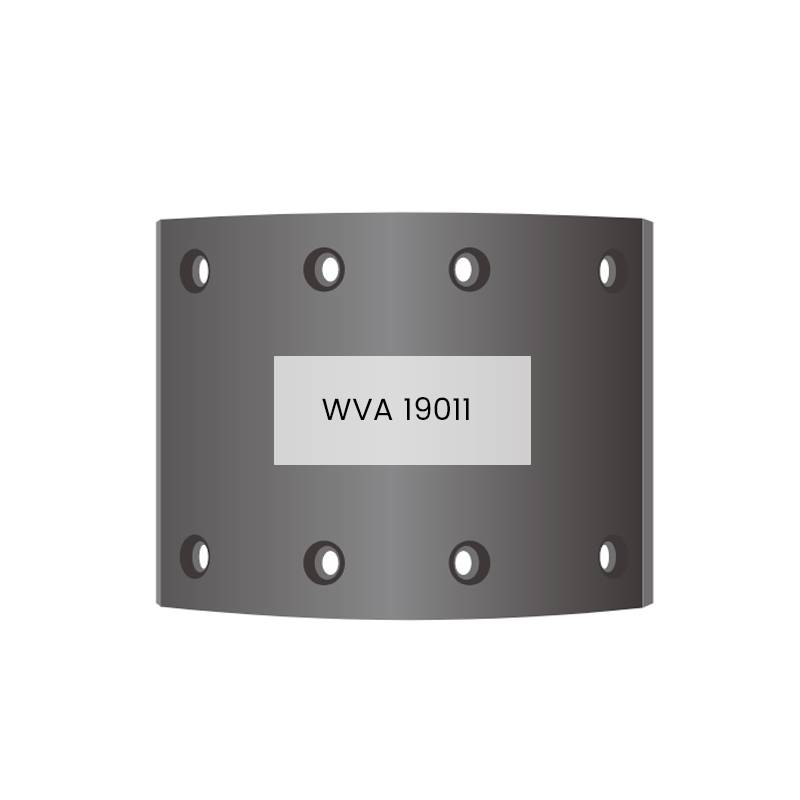
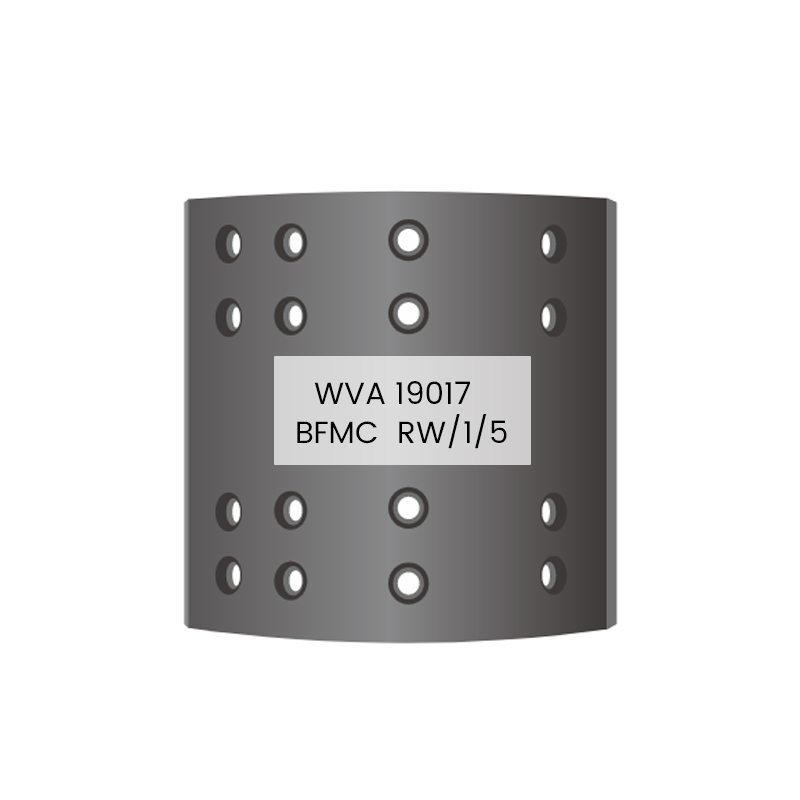
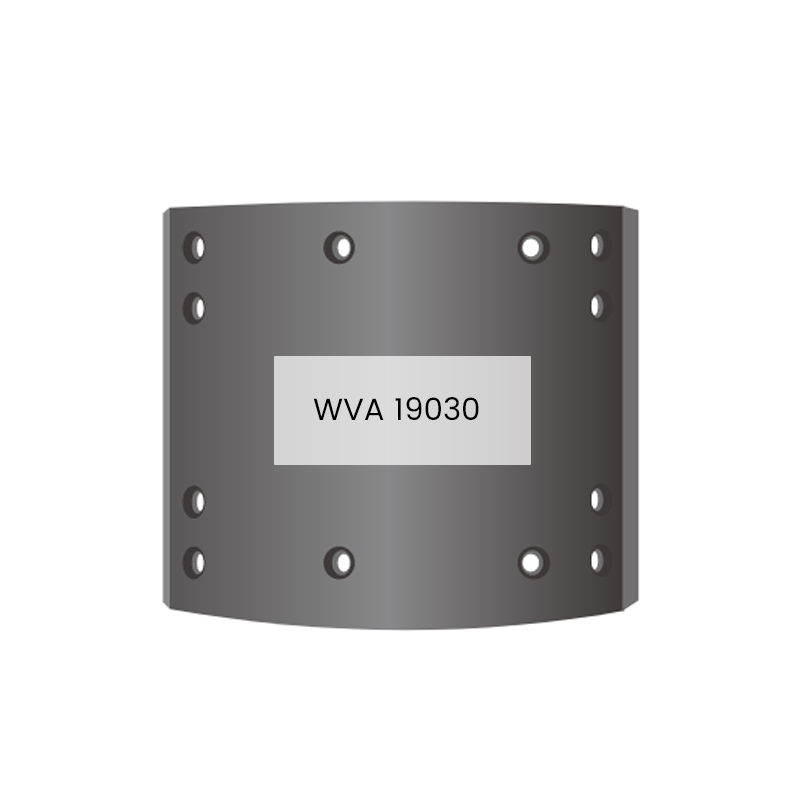
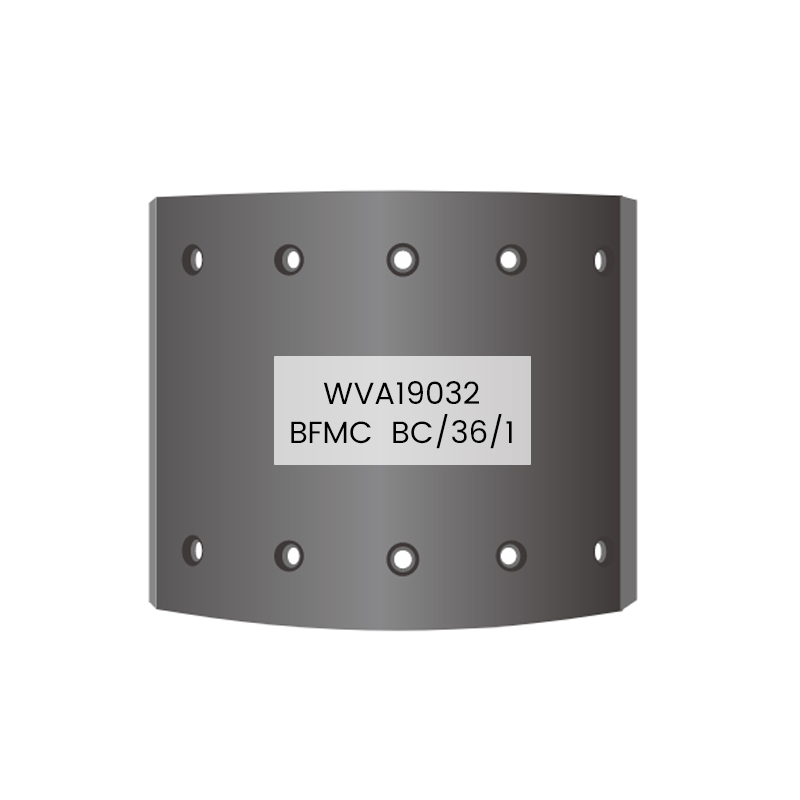
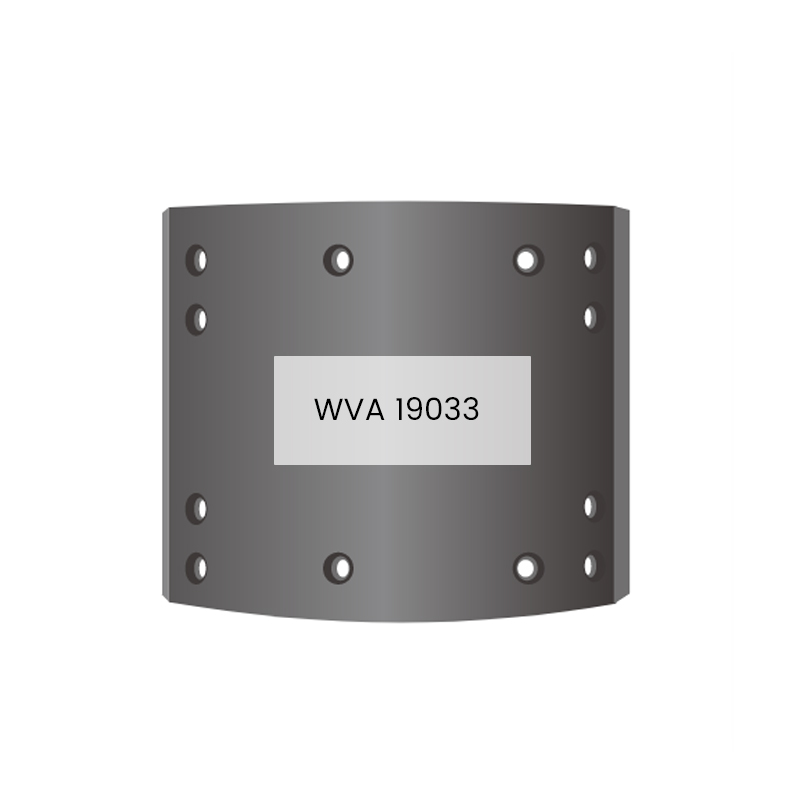
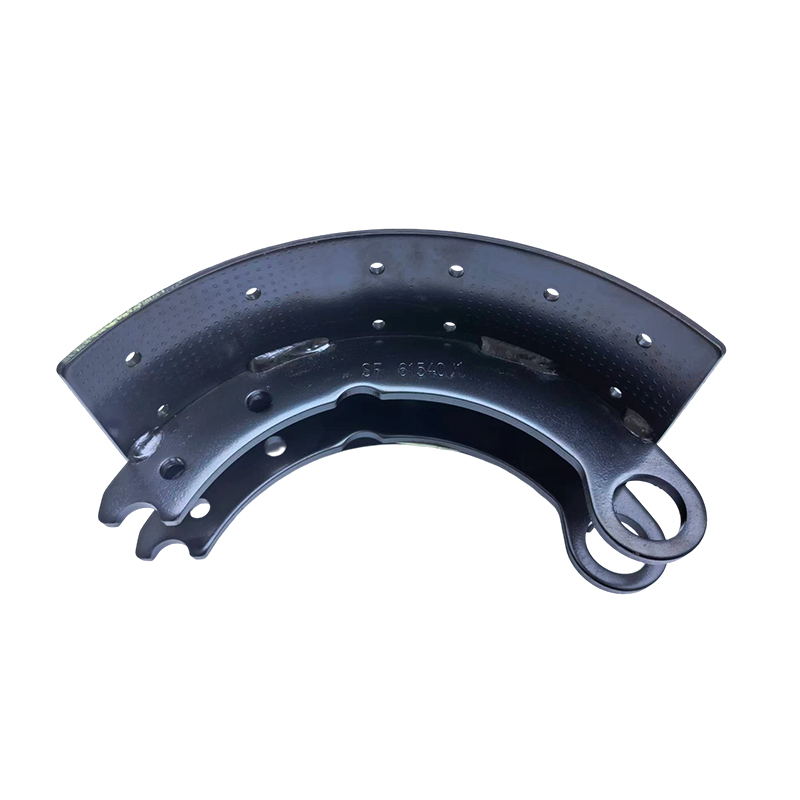
A Brake Shoe is a curved metal component lined with friction material, used in drum brake systems to slow or stop a vehicle's wheel rotation. When the brake pedal is pressed, hydraulic pressure pushes the brake shoes outward against the inside surface of the brake drum, creating friction that converts the wheel's kinetic energy into heat. This same basic principle has been used in drum brakes for decades, and while disc brakes have become more common on front wheels, brake shoes are still widely used on rear wheels and parking brake systems in many vehicles.
Unlike brake pads, which clamp onto a flat rotor from both sides, a Brake Shoe presses outward against the inner wall of a rotating drum. This design difference is why drum brake systems behave differently in terms of heat dissipation, wear patterns, and maintenance needs compared to disc brake setups.
The Main Components of a Drum Brake Shoe Assembly
A complete brake shoe assembly involves more than just the shoe itself. Several supporting parts work together to ensure the shoes engage and release properly with every press of the brake pedal.
- Brake shoe lining: the friction material bonded or riveted to the metal shoe that contacts the drum surface
- Wheel cylinder: pushes the shoes outward against the drum using hydraulic pressure from the brake fluid
- Return springs: pull the shoes back to their resting position once brake pressure is released
- Adjuster mechanism: compensates for lining wear over time, keeping the shoe-to-drum gap within proper range
- Hold-down springs and pins: secure the shoes in place against the backing plate while still allowing controlled movement
Common Brake Shoe Lining Materials
The friction material bonded to a Brake Shoe has a major impact on stopping performance, noise level, and how the shoe holds up under repeated heavy braking. Different materials are formulated to balance these factors differently.
Organic Brake Shoe Linings
Organic linings are made from a blend of fibers, resins, and fillers, offering quiet operation and smooth engagement under normal driving conditions. They tend to wear faster under heavy or repeated braking, making them better suited to standard passenger vehicles rather than heavy-duty or commercial applications.
Semi-Metallic Brake Shoe Linings
Semi-metallic linings incorporate metal fibers alongside organic materials, improving heat resistance and durability under more demanding braking conditions. They're commonly used in light trucks and vehicles that regularly tow or carry heavier loads, where standard organic linings might wear out too quickly.
Ceramic Brake Shoe Linings
Ceramic linings offer excellent heat resistance and produce less brake dust compared to organic or semi-metallic options, though they are typically more expensive. While more common in disc brake pads, ceramic-based formulations are also available for certain drum brake shoe applications where reduced dust and noise are priorities.
Signs That Your Brake Shoes Need Attention
Catching brake shoe wear early prevents more expensive repairs down the line, since worn shoes can eventually damage the brake drum itself if left unaddressed for too long.
| Symptom | Likely Cause |
| Grinding noise when braking | Lining worn down to the metal shoe surface |
| Squealing or scraping sound | Worn lining triggering a built-in wear indicator |
| Reduced braking power on rear wheels | Glazed or contaminated brake shoe lining |
| Vehicle pulls to one side when braking | Uneven wear between left and right brake shoes |
| Loose or ineffective parking brake | Worn shoes or misadjusted parking brake mechanism |
Any of these symptoms warrants a closer inspection, since continuing to drive on worn-out brake shoes can eventually score or damage the brake drum, turning a relatively inexpensive shoe replacement into a more costly drum replacement as well.
How Often Brake Shoes Typically Need Replacement
Brake shoe lifespan varies considerably based on driving habits, vehicle weight, and the lining material used, but most brake shoes last somewhere between 35,000 and 100,000 kilometers under normal driving conditions. Stop-and-go city driving, frequent heavy braking, and carrying or towing heavy loads all accelerate wear and shorten this lifespan considerably.
Rather than relying solely on mileage estimates, it's a good practice to have brake shoes visually inspected during routine maintenance services, since actual wear depends heavily on individual driving patterns rather than a fixed schedule that applies equally to every driver.
Tips for Extending Brake Shoe Lifespan
A few simple driving and maintenance habits can meaningfully extend how long a set of brake shoes lasts before needing replacement.
- Avoid riding the brakes on long downhill stretches, since sustained light pressure generates excess heat and accelerates lining wear
- Allow more following distance to brake gradually rather than relying on hard, sudden stops
- Keep an eye on overall vehicle weight, since consistently overloading a vehicle puts extra strain on the braking system
- Have the drum brake adjuster mechanism checked periodically, since a poorly adjusted shoe-to-drum gap can cause uneven wear
- Replace brake shoes in complete sets rather than individually, ensuring even braking performance across both wheels on the same axle