 English
 中文简体
中文简体Content
- 1 What Is the 19488 Brake Lining and Why Does It Matter?
- 2 Key Specifications and Features of the 19488 Brake Lining
- 3 Signs Your Brake Lining Needs to Be Replaced
- 4 How to Install the 19488 Brake Lining Correctly
- 5 19488 Brake Lining Compared to Other Common Lining Options
- 6 Maintenance Tips to Extend the Life of Your Brake Lining
- 7 Frequently Asked Questions About the 19488 Brake Lining
What Is the 19488 Brake Lining and Why Does It Matter?
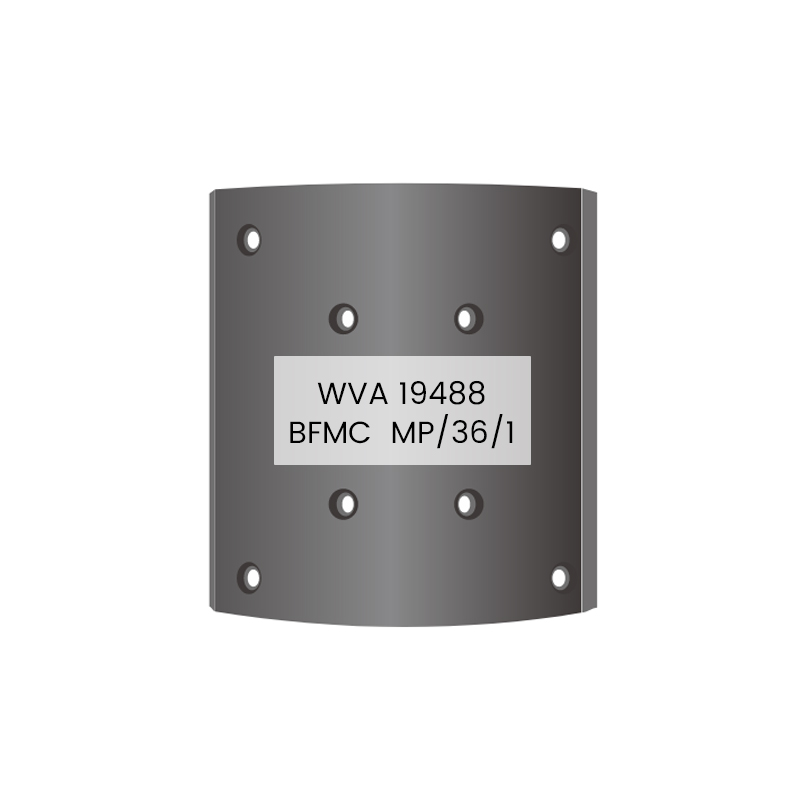
If you've been searching for the 19488 brake lining, chances are you're either replacing worn brake parts on a heavy-duty truck, trailer, or industrial vehicle, or you're a mechanic sourcing the correct part number for a customer's repair job. The 19488 brake lining is a friction component designed to fit specific brake shoe assemblies, and getting the right match matters more than most people realize. A mismatched or low-quality lining can lead to uneven wear, brake noise, reduced stopping power, and even premature failure of other brake system components.
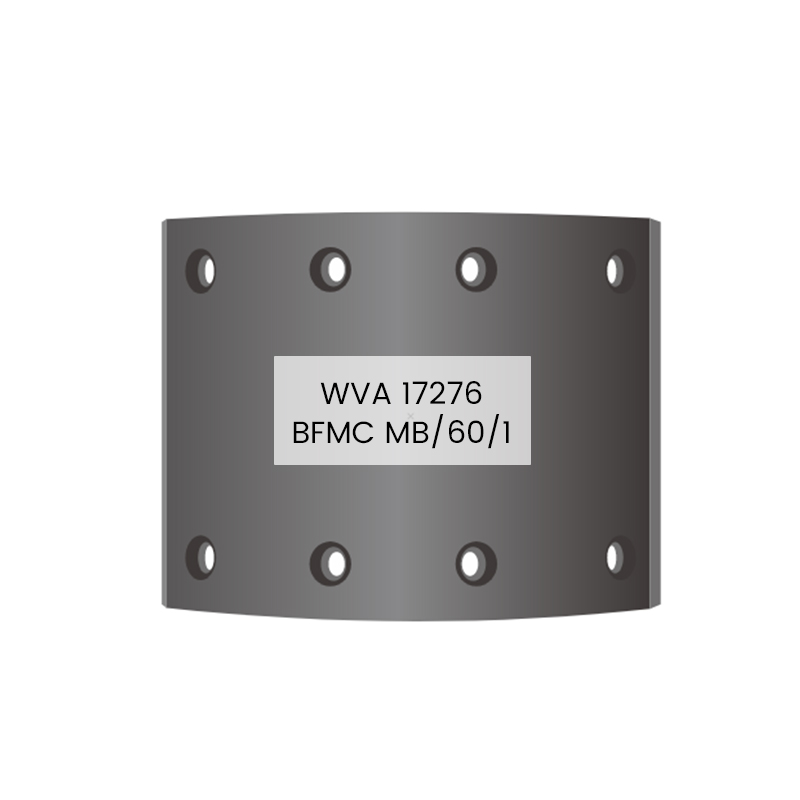
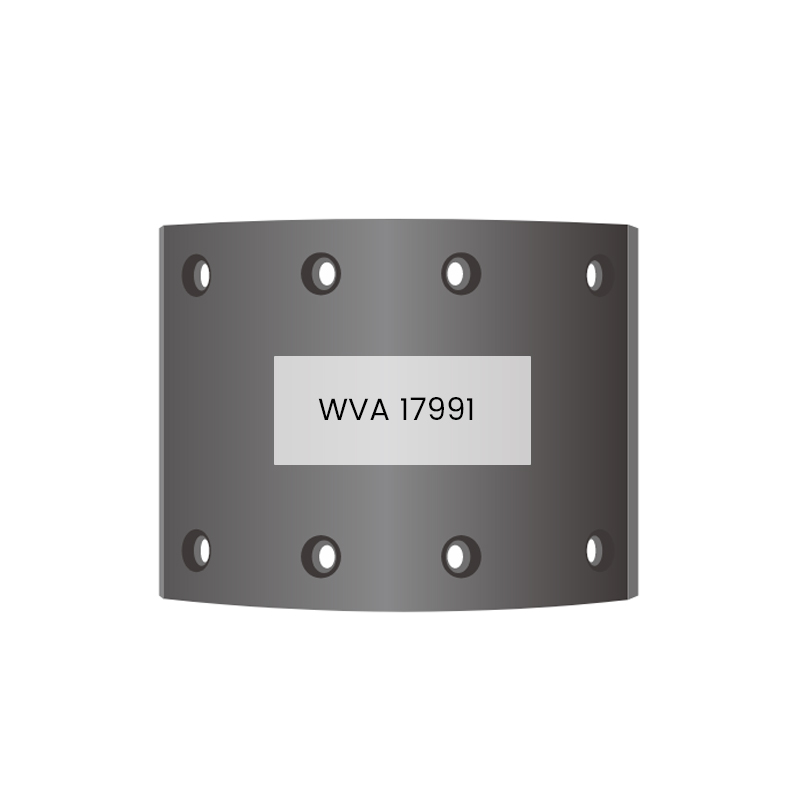
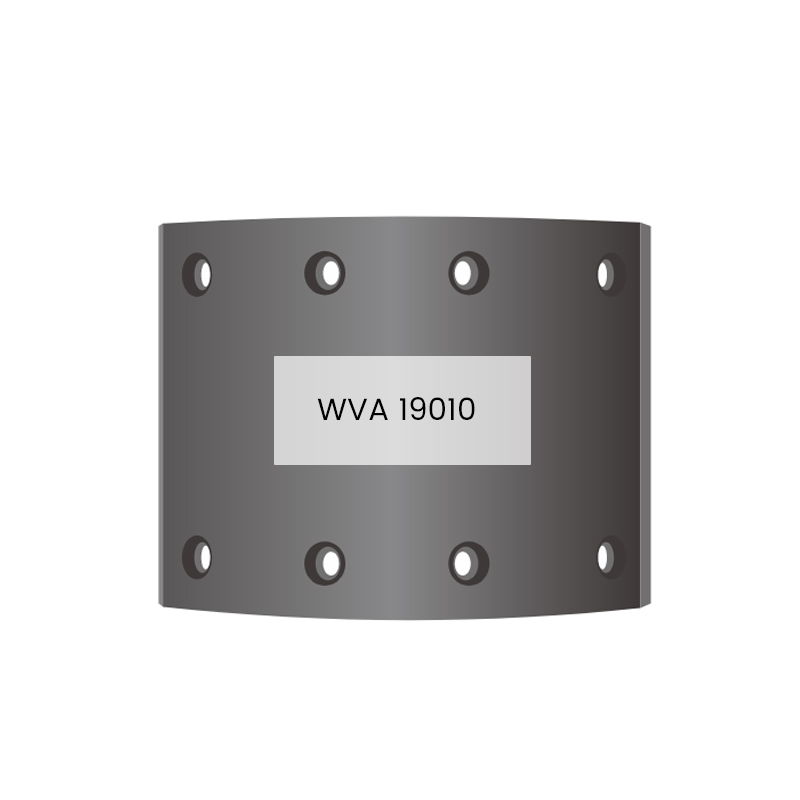
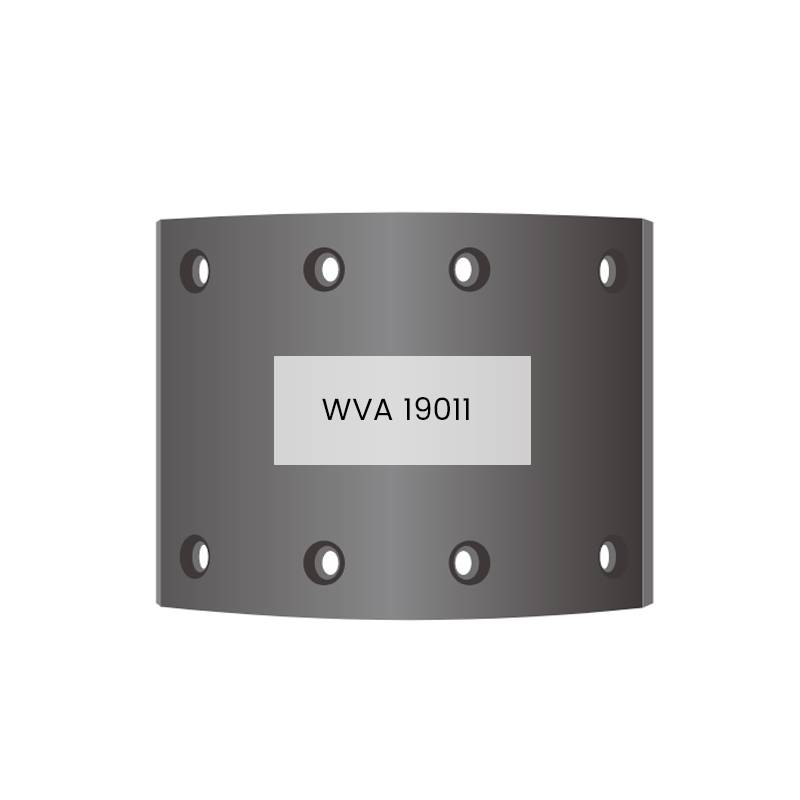
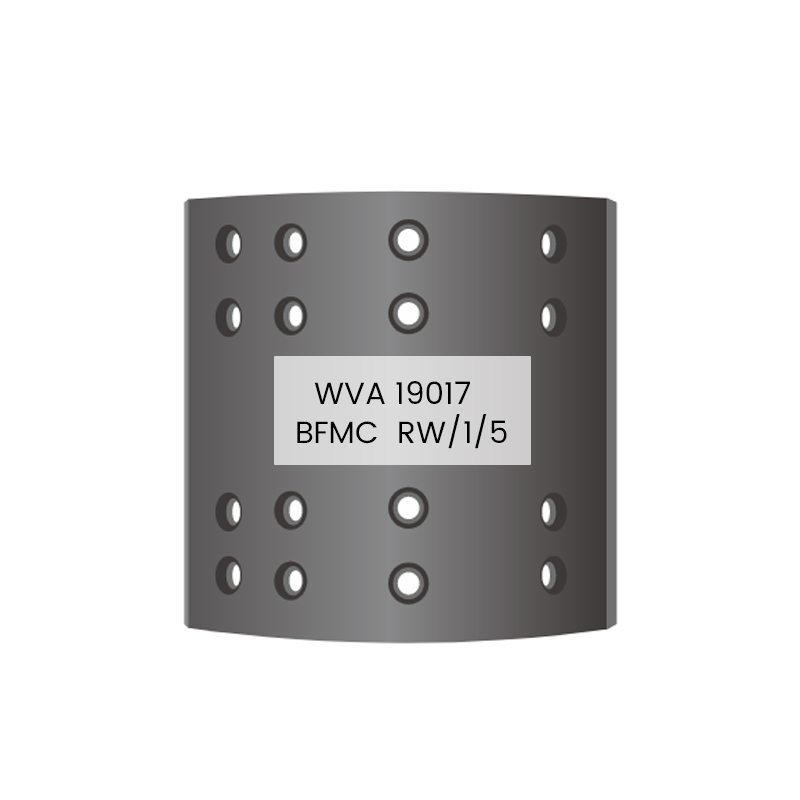
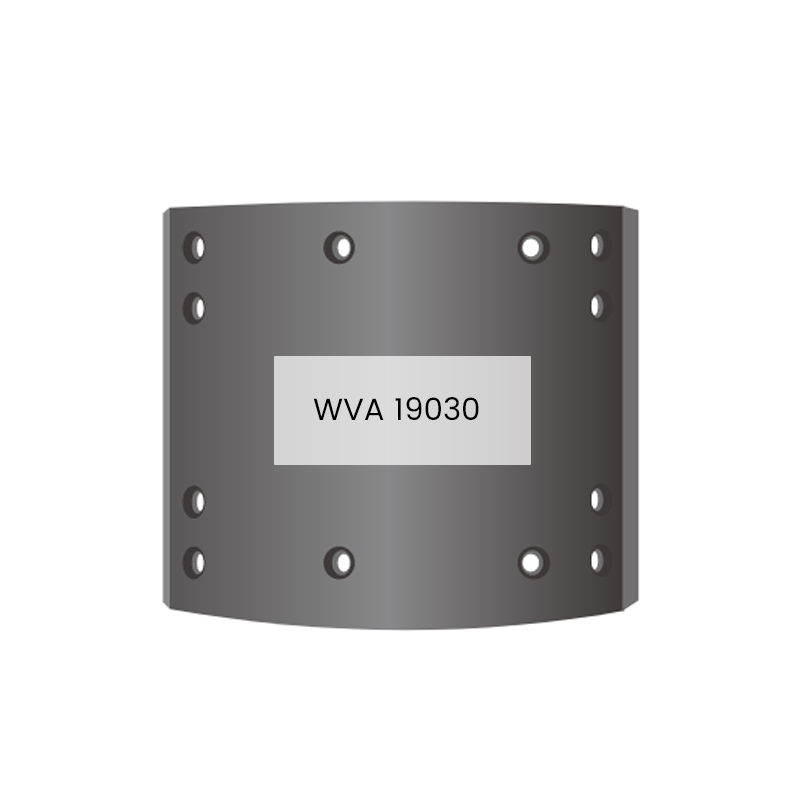
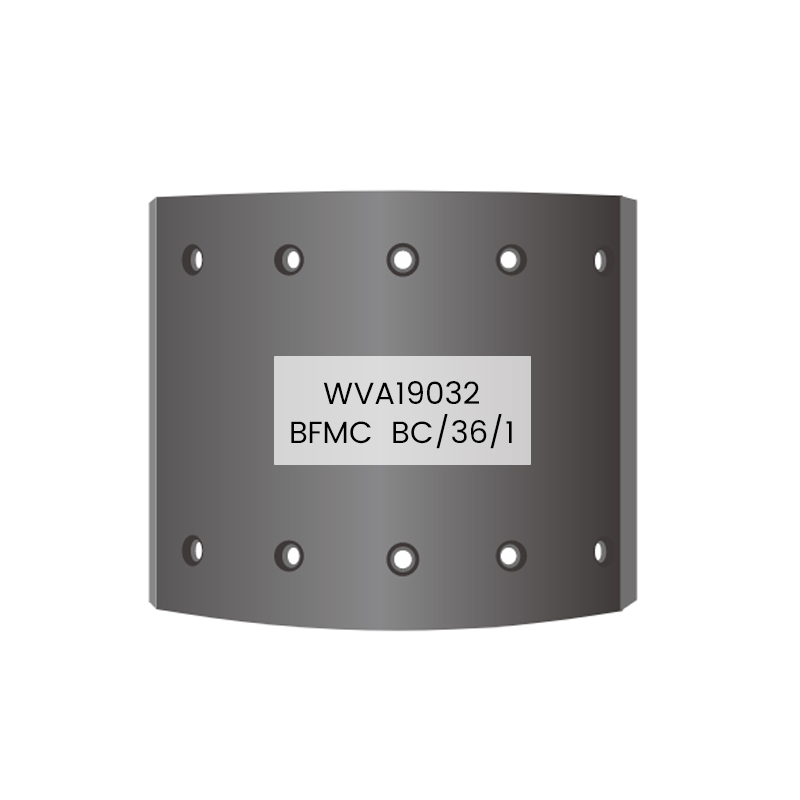
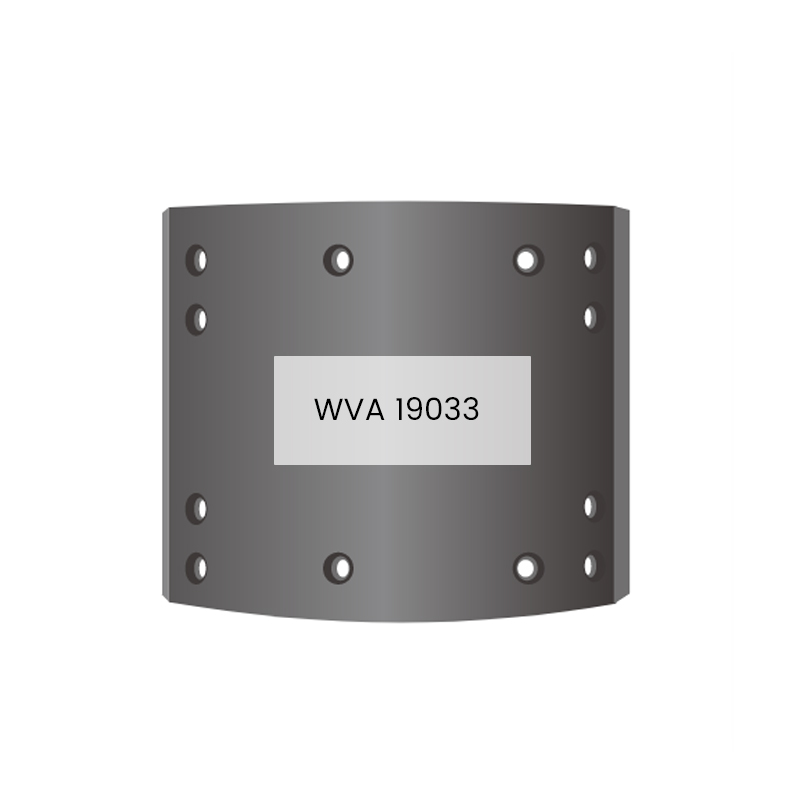
In simple terms, brake lining is the material bonded or riveted to the brake shoe that makes contact with the drum to create friction and slow the vehicle down. The 19488 designation refers to a specific lining size, shape, and material composition engineered to meet OEM or aftermarket specifications for particular axle and brake assembly types, commonly found in commercial trucks, trailers, and some off-road equipment.
Key Specifications and Features of the 19488 Brake Lining
Before ordering a 19488 brake lining, it helps to understand what sets it apart from other lining options on the market. Manufacturers typically design this part with a focus on durability, heat resistance, and consistent friction performance under heavy loads.
- Engineered for high-torque braking applications, including trucks and trailers
- Made from heat-resistant friction material to reduce brake fade during extended use
- Precision-drilled for accurate rivet or bonding placement
- Designed to minimize brake dust and noise compared to generic alternatives
- Compatible with standard brake shoe cores used across multiple commercial vehicle brands
Because brake linings like the 19488 are often used in fleet vehicles, consistency from batch to batch is critical. A slight variation in thickness or material density can throw off the braking balance across multiple axles, which is why sourcing from a reputable supplier matters just as much as matching the correct part number.
Signs Your Brake Lining Needs to Be Replaced
Brake linings wear down gradually, and catching the warning signs early can save you from more expensive repairs down the road, like damaged drums or rotors. Here are the most common indicators that it's time to inspect or replace your brake lining.
Audible and Physical Warning Signs
- Squealing, grinding, or scraping noises when braking
- Reduced braking power or a longer stopping distance
- Vibration or pulsing felt through the brake pedal
- Visible lining thickness below manufacturer's minimum specification
- Uneven wear pattern across the lining surface
Performance-Based Warning Signs
Beyond the obvious noises, pay attention to how the vehicle behaves during braking. If you notice the truck pulling to one side, excessive brake dust buildup, or the brake pedal feeling softer than usual, these can also point to worn or glazed brake lining material that's no longer gripping the drum effectively.
How to Install the 19488 Brake Lining Correctly
Installing brake lining isn't a job to rush, especially on commercial vehicles where braking performance directly affects safety. Whether you're doing this yourself or overseeing a shop technician, following the correct steps ensures the lining performs as designed.
Preparation Steps
Start by removing the wheel and drum to access the brake shoe assembly. Inspect the drum surface for scoring, cracks, or excessive heat damage, since a damaged drum can wear out even a brand-new lining quickly. Clean all mounting surfaces thoroughly before proceeding.
Mounting the New Lining
Align the 19488 brake lining onto the shoe, making sure the rivet or bolt holes match up precisely. Secure it using the correct rivets or bonding method specified by the manufacturer. Avoid over-tightening, which can crack the lining material, or under-tightening, which can cause the lining to shift during braking.
Final Checks Before Reassembly
Before reinstalling the drum and wheel, double-check that the lining surface is smooth and free of debris, and confirm that the shoe moves freely within the brake assembly. After reassembly, test the brakes at low speed in a safe area before returning the vehicle to regular use.
19488 Brake Lining Compared to Other Common Lining Options
If you're weighing the 19488 brake lining against other part numbers or lining types, it helps to compare them side by side based on typical use case, material, and durability expectations.
| Lining Type | Typical Application | Material | Average Lifespan |
| 19488 Brake Lining | Trucks, trailers, heavy-duty axles | Heat-resistant friction composite | 30,000–60,000 miles |
| Standard OEM Lining | Light to medium-duty trucks | Organic or semi-metallic blend | 25,000–45,000 miles |
| Economy Aftermarket Lining | General passenger and light commercial use | Basic composite material | 15,000–30,000 miles |
As the table shows, the 19488 brake lining is built specifically for demanding, heavy-load conditions, which is why it tends to outlast standard economy linings when used in the applications it was designed for.
Maintenance Tips to Extend the Life of Your Brake Lining
A properly installed 19488 brake lining can last a long time, but only if it's maintained correctly. Here are some practical habits that help you get the most mileage out of your brake system.
- Inspect brake linings during every routine service interval, not just when problems appear
- Avoid excessive riding of the brakes on long downhill stretches, which accelerates wear
- Keep drums properly machined and free of grooves that can chew through new lining material
- Check for grease or oil contamination near the brake assembly, which can cause glazing
- Replace linings in axle sets, not individually, to maintain even braking balance
Following these habits not only extends the life of the 19488 brake lining itself but also protects surrounding components like drums, wheel cylinders, and hardware kits from premature wear caused by an unbalanced brake system.
Frequently Asked Questions About the 19488 Brake Lining
Is the 19488 brake lining a direct replacement part?
In most cases, yes, as long as your existing brake shoe assembly matches the specifications this lining was designed for. Always confirm compatibility with your vehicle's brake system documentation or a trusted parts supplier before purchasing.
Can I install the 19488 brake lining myself?
If you have experience working with brake systems and the right tools, installation is manageable. However, because braking directly affects safety, many owners choose to have a certified technician handle the job, especially on commercial vehicles.
How do I know if I need new brake lining or a whole new brake shoe?
If the shoe itself is bent, cracked, or damaged, replacing just the lining won't solve the underlying problem. A quick inspection during removal will tell you whether the shoe core is still in good structural condition before relining it.