 English
 中文简体
中文简体Content
- 1 What Exactly Is a Brake Lining?
- 2 Signs Your Brake Lining Is Wearing Out
- 3 Brake Lining Materials: Which One Is Right for You?
- 4 How Long Does Brake Lining Really Last?
- 5 Brake Lining vs Brake Pads: What's the Difference?
- 6 Replacing Brake Lining: What to Expect
- 7 Tips to Extend the Life of Your Brake Lining
What Exactly Is a Brake Lining?
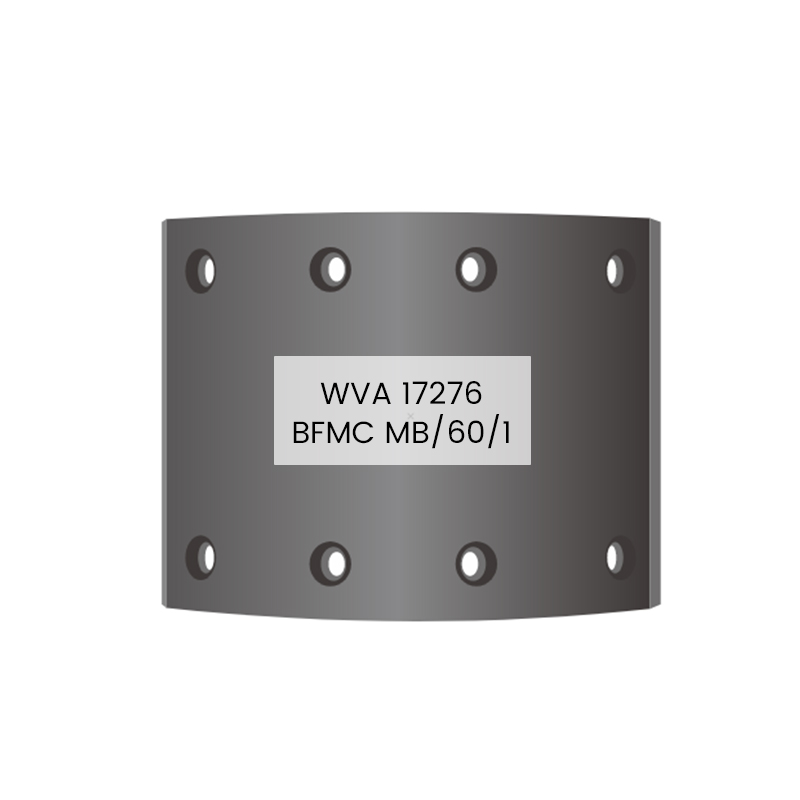
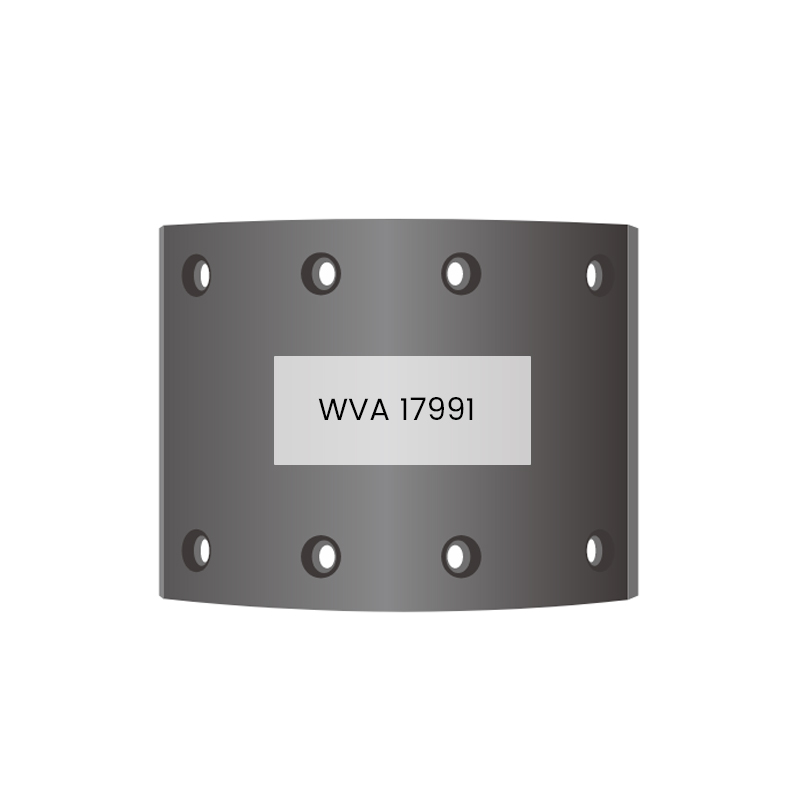
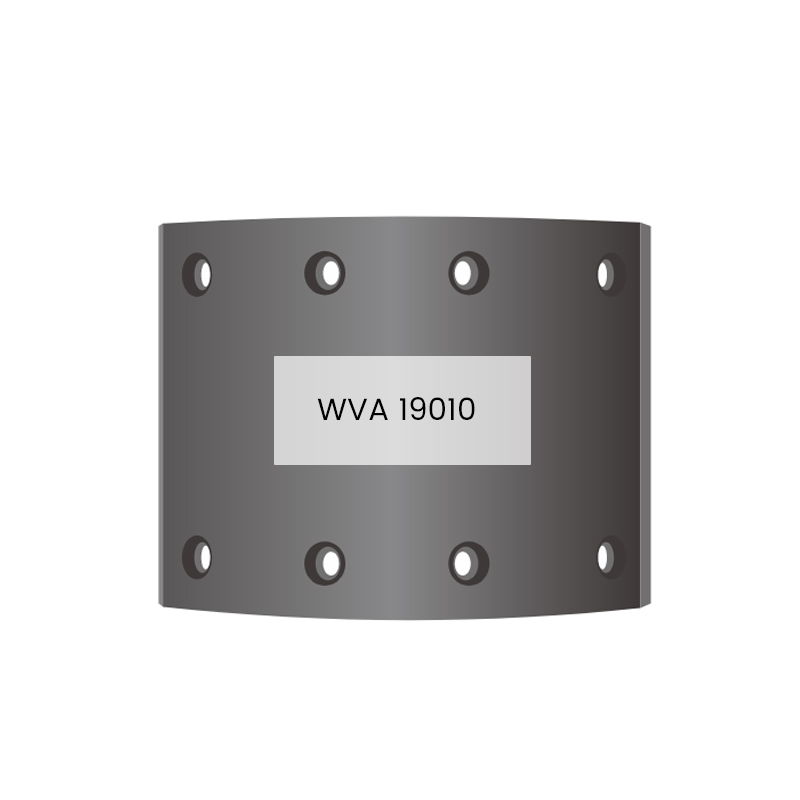
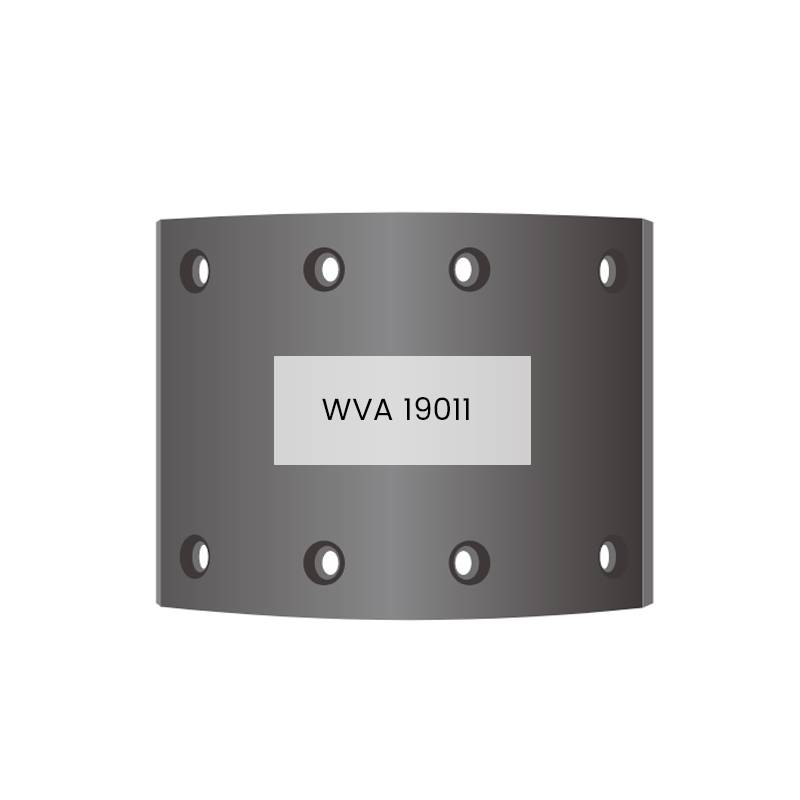
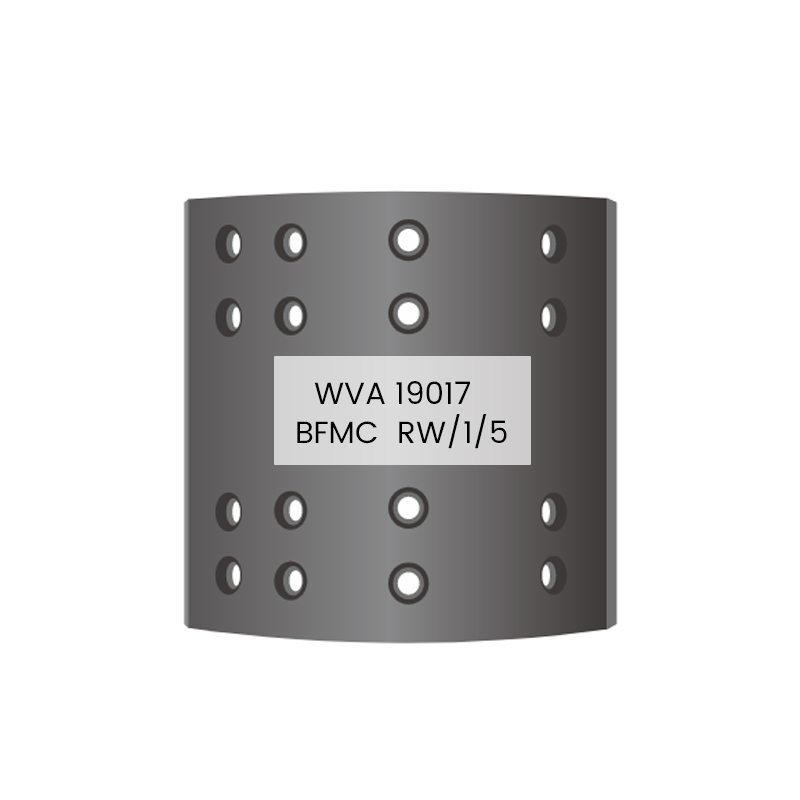
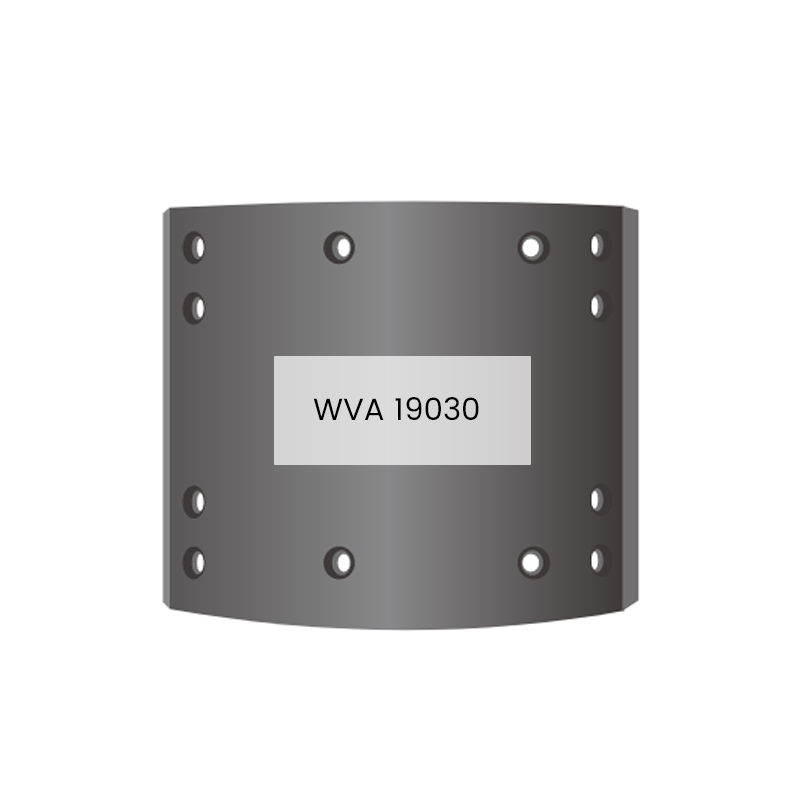
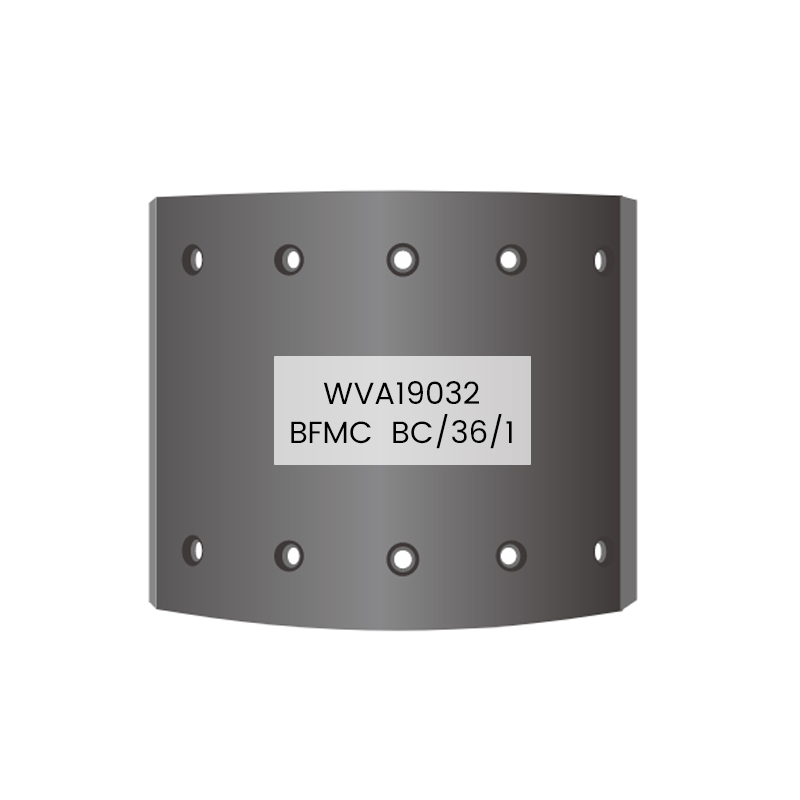
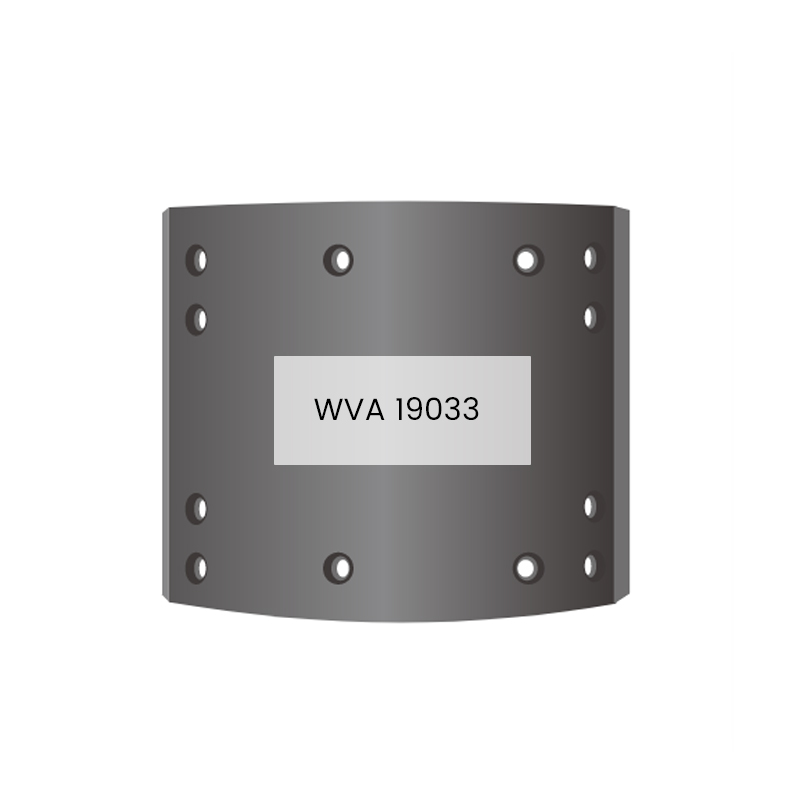
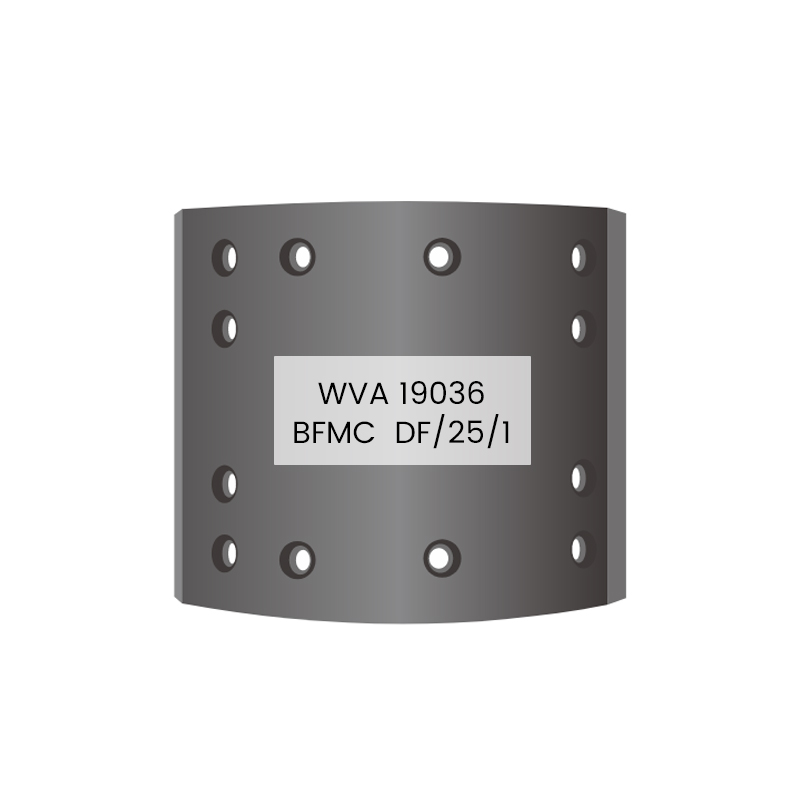
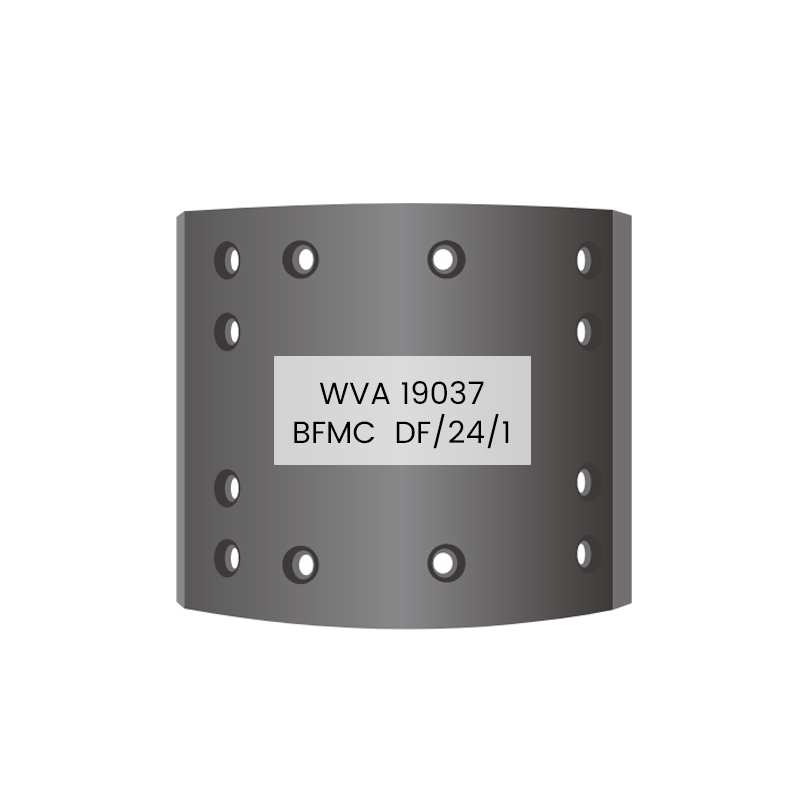
A brake lining is the friction material bonded or riveted onto the metal backing of a brake shoe or pad. When you press the brake pedal, the lining presses against the drum or rotor, and the friction it creates is what actually slows your car down. Without a healthy brake lining, that friction disappears, and stopping distance grows dangerously long. Most drivers hear the term "brake pad" more often, but on drum brake systems and some heavy-duty setups, "brake lining" is the more accurate and common term used by mechanics.
Understanding how brake lining works helps you catch problems early, budget for maintenance, and have smarter conversations with your mechanic instead of just nodding along when they say it needs replacing.
Signs Your Brake Lining Is Wearing Out
Brake lining doesn't fail overnight. It wears down gradually with every stop, and your car usually gives you warning signs long before it becomes a safety hazard. Watch out for these common symptoms:
- A high-pitched squeal or metallic grinding noise when braking
- The brake pedal feels softer or sinks closer to the floor
- The car pulls to one side when you brake
- Vibration or pulsing felt through the brake pedal
- It takes noticeably longer to come to a full stop
- A dashboard brake warning light turns on
If you notice even one of these signs, it's worth having your brake lining inspected within the next week or two rather than waiting until a routine service appointment.
Brake Lining Materials: Which One Is Right for You?
Not all brake lining is made the same way. The material used affects noise level, dust production, stopping power, and how long the lining lasts. Here's a quick comparison of the most common types available today.
| Material Type | Durability | Noise Level | Best For |
| Organic (Non-Asbestos) | Moderate | Low | Everyday city driving |
| Semi-Metallic | High | Moderate | Trucks and heavier loads |
| Ceramic | High | Very Low | Quiet, low-dust performance |
| Sintered Metal | Very High | High | Racing and heavy-duty braking |
If you're unsure which type is installed on your vehicle, check your owner's manual or ask your mechanic before your next brake lining replacement so you can choose the best match for your driving habits.
How Long Does Brake Lining Really Last?
On average, brake lining lasts between 25,000 and 70,000 miles, but that range depends heavily on your driving style and environment. City driving with frequent stop-and-go traffic wears down lining much faster than steady highway cruising. Carrying heavy loads, towing, or driving in hilly terrain also accelerates wear because the brakes work harder to control speed.
Factors That Shorten Brake Lining Life
Aggressive braking habits, riding the brake pedal, low-quality lining materials, and neglecting regular brake fluid changes all contribute to premature wear. Rotors or drums that are warped or damaged can also wear down new lining much faster than expected.
Factors That Extend Brake Lining Life
Smooth, gradual braking, maintaining proper following distance, and using quality replacement parts all help lining last closer to the upper end of its expected lifespan.
Brake Lining vs Brake Pads: What's the Difference?
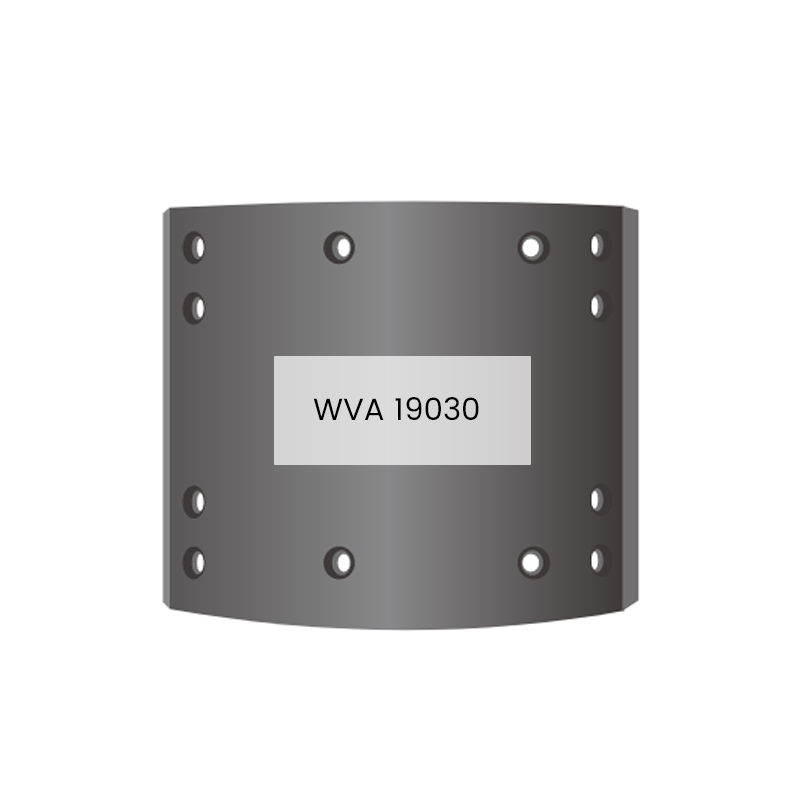
These two terms are often used interchangeably, which causes confusion. Technically, "brake lining" refers to the friction material itself, while a "brake pad" is the complete assembly used in disc brake systems, which includes the lining bonded to a metal backing plate. In drum brake systems, the lining is riveted or bonded onto curved brake shoes instead of flat pads. So when a mechanic mentions relining your brakes, they're talking about replacing that friction material, whether it sits on a pad or a shoe.
Replacing Brake Lining: What to Expect
A typical brake lining replacement takes between one and two hours per axle, depending on whether you have drum or disc brakes and whether any additional parts need attention. The process generally includes removing the wheel, inspecting the rotor or drum for damage, removing the worn lining, installing new lining, and testing the brakes before the car leaves the shop.
Costs vary widely based on your vehicle and the material you choose, but here's a general breakdown to help you budget:
- Organic lining: budget-friendly, typically the most affordable option
- Semi-metallic lining: mid-range pricing with strong durability
- Ceramic lining: higher upfront cost but longer lifespan and less dust
- Labor costs vary by shop and region, so it's worth getting a couple of quotes
Tips to Extend the Life of Your Brake Lining
A little care goes a long way toward stretching the life of your brake lining and avoiding premature replacement costs. Try these habits:
- Brake gradually instead of slamming on the pedal at the last second
- Avoid resting your foot on the brake pedal while driving
- Keep a safe following distance to reduce hard braking
- Remove excess weight from your trunk or cargo area when not needed
- Have your brakes inspected at every routine service appointment
Following these habits won't just save you money on brake lining replacements, it will also make your entire braking system safer and more responsive for years to come.