 English
 中文简体
中文简体Content
- 1 What Is 19094 Brake Lining and Where Is It Used?
- 2 Key Characteristics of 19094 Brake Lining
- 3 Riveted vs. Bonded Brake Lining: Which Type Fits Your Application
- 4 Signs Your Brake Lining Needs Replacement
- 5 How to Confirm the Correct Brake Lining Part Number for Your Vehicle
- 6 Installation Tips for Brake Lining Replacement
- 7 Maintaining Consistent Brake Performance Over Time
What Is 19094 Brake Lining and Where Is It Used?
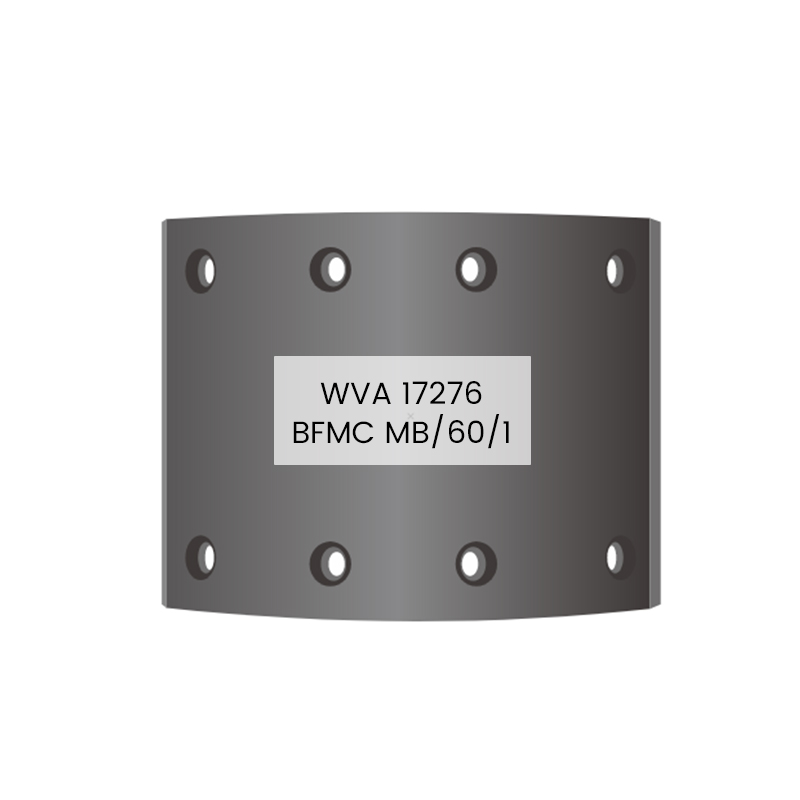
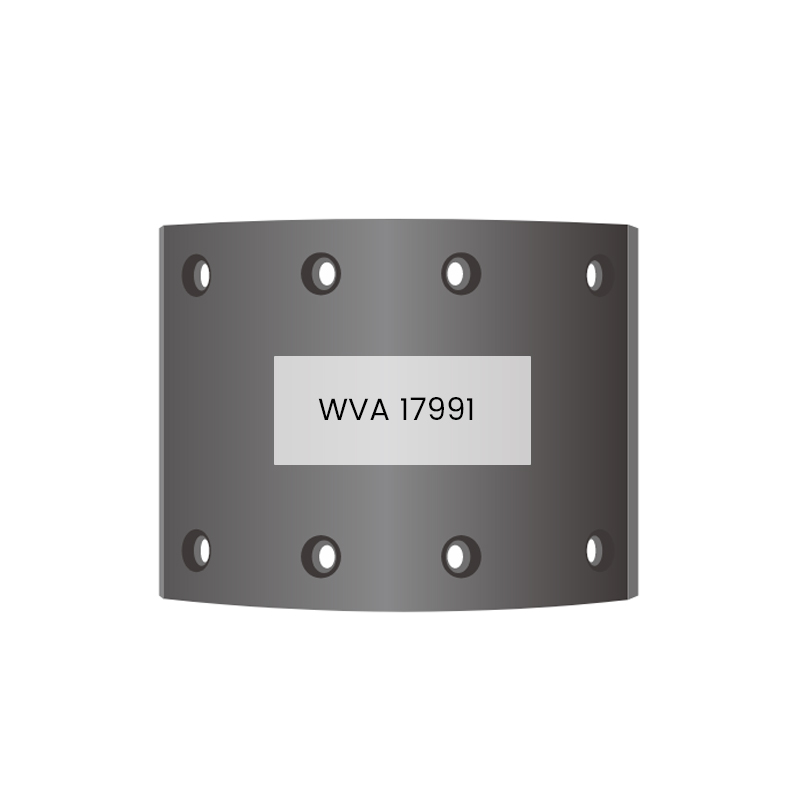
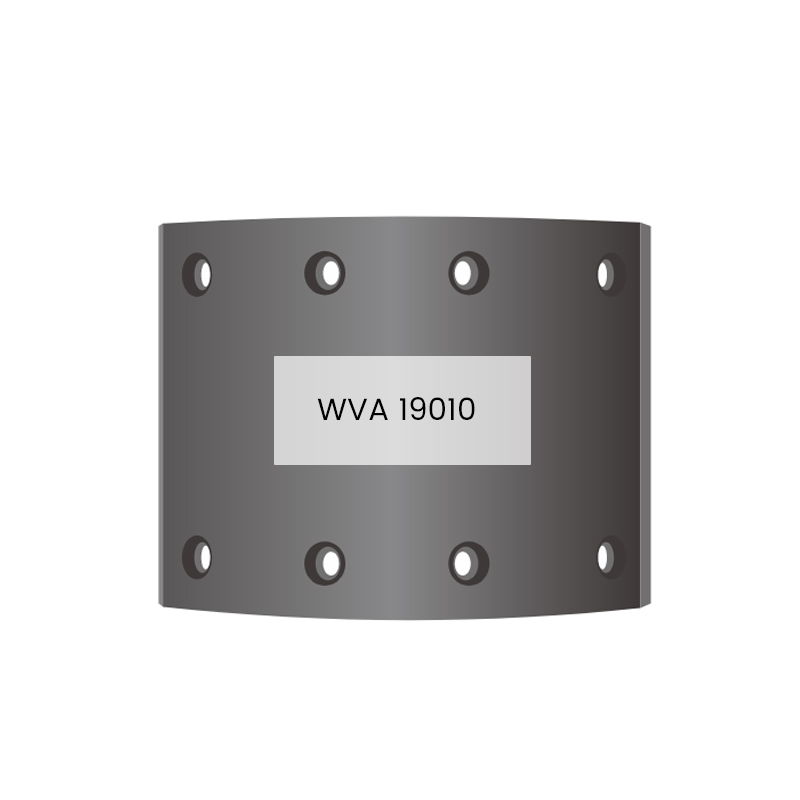
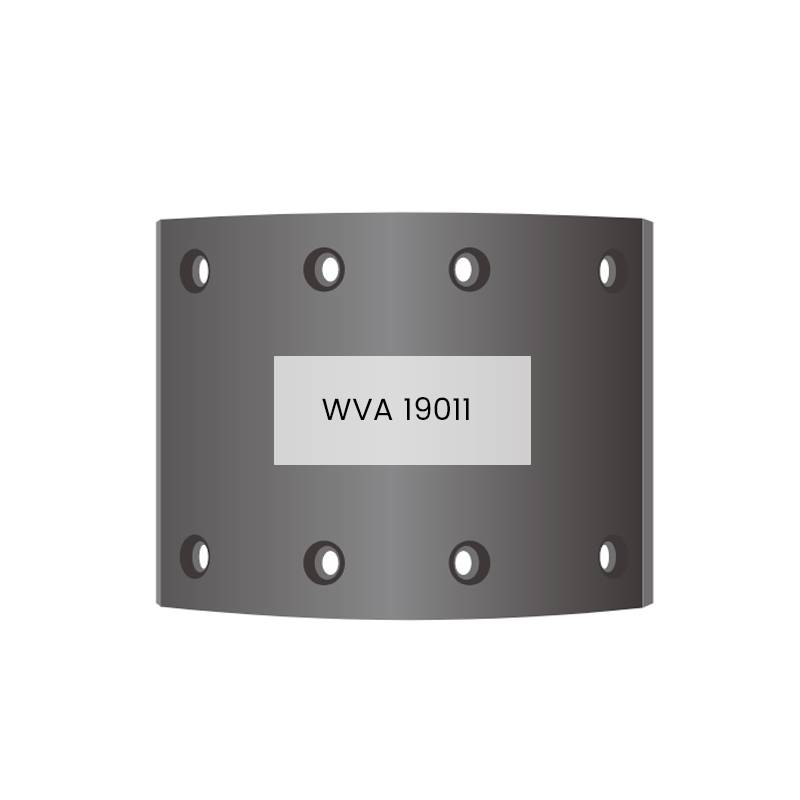
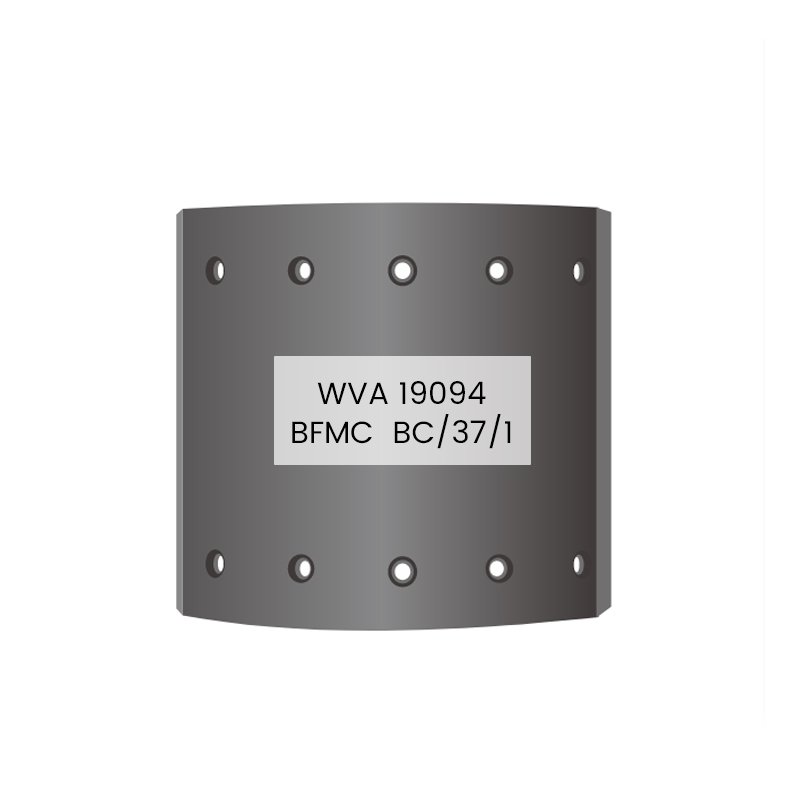
19094 brake lining refers to a specific friction material part number commonly used in drum brake assemblies for commercial trucks, trailers, and heavy-duty vehicles. Like other numbered brake linings, the 19094 designation helps fleet managers, mechanics, and parts suppliers quickly identify the correct friction material size, shape, and mounting configuration needed for a particular brake shoe assembly. Brake lining itself is the friction material riveted or bonded onto a brake shoe, and it's this lining that makes contact with the brake drum to slow or stop the vehicle through friction.
Because commercial vehicles rely heavily on drum brake systems for their durability and repairability under heavy loads, having the correct lining part number, such as 19094 brake lining, is essential for maintaining safe, consistent braking performance. Using the wrong lining size or friction formulation can lead to uneven wear, reduced stopping power, or premature brake failure.
Key Characteristics of 19094 Brake Lining
When sourcing 19094 brake lining or a compatible equivalent, it helps to understand the characteristics that determine fit and performance for your specific brake assembly.
- Lining length and width: Must match the brake shoe dimensions precisely to ensure full, even contact with the brake drum surface.
- Thickness: Determines how much material is available before the lining reaches minimum safe wear thickness and needs replacement.
- Friction material composition: Formulated from a blend of materials designed to balance heat resistance, wear life, and consistent stopping power.
- Attachment method: Linings are typically riveted or bonded to the brake shoe, and the correct attachment style must match your existing shoe hardware.
- Vehicle compatibility: Cross-reference the part number against your vehicle's brake system specifications to confirm proper fitment.
Riveted vs. Bonded Brake Lining: Which Type Fits Your Application
Brake linings, including those identified under the 19094 part number, are generally available in two attachment styles. Understanding the difference helps determine which option suits your maintenance needs.
| Feature | Riveted Brake Lining | Bonded Brake Lining |
| Attachment method | Mechanical rivets through shoe and lining | Adhesive bonding across full surface |
| Usable friction material | Slightly less, rivet holes reduce contact area | Full lining thickness usable |
| Replacement approach | Lining can be replaced separately from shoe | Often replaced as a complete shoe assembly |
| Common applications | Heavy-duty trucks, trailers, industrial equipment | Passenger vehicles, light-duty trucks |
Signs Your Brake Lining Needs Replacement
Whether you're running 19094 brake lining or another compatible part, recognizing wear symptoms early helps prevent brake failure and costly drum damage.
- Reduced braking performance or longer stopping distances than normal.
- Squealing, grinding, or scraping noises coming from the wheel during braking.
- Visible lining thickness below the manufacturer's minimum safe measurement.
- Uneven wear patterns across the lining surface, which can indicate drum or hardware issues.
- Vibration or pulsation felt through the brake pedal or vehicle frame during stops.
How to Confirm the Correct Brake Lining Part Number for Your Vehicle
Ordering the correct 19094 brake lining or its verified equivalent requires careful cross-referencing to avoid fitment issues and wasted downtime.
Check the Existing Lining or Shoe
Inspect the current lining or brake shoe for stamped part numbers, which can be cross-referenced with supplier catalogs to confirm you're ordering an exact match.
Consult Vehicle or Axle Specifications
Reference your vehicle's axle and brake system specifications, since brake lining requirements often vary by axle position, load rating, and drum diameter.
Work With a Trusted Parts Supplier
A knowledgeable heavy-duty parts supplier can confirm compatibility and suggest verified alternatives if the exact 19094 brake lining isn't readily available.
Installation Tips for Brake Lining Replacement
Proper installation is just as important as choosing the correct lining part number to ensure safe, reliable braking performance.
- Inspect the brake drum for scoring, cracking, or excessive wear before installing new lining material.
- Replace linings in axle sets rather than individually to maintain even braking balance across the vehicle.
- Torque rivets or confirm bonding integrity according to manufacturer specifications before returning the vehicle to service.
- Perform a proper brake adjustment and test the system thoroughly after installation, especially on heavy-duty vehicles carrying significant loads.
Maintaining Consistent Brake Performance Over Time
Beyond installing the correct 19094 brake lining, ongoing maintenance keeps drum brake systems performing reliably across the vehicle's service life. Routine inspections should include checking lining thickness, drum condition, and hardware wear at intervals recommended by the vehicle or fleet maintenance schedule. Keeping detailed service records of lining replacements also helps identify patterns, such as one axle wearing faster than others, which may point to underlying alignment or hardware issues that need attention. Staying proactive with these checks reduces the risk of unexpected brake failures and helps extend the life of the entire brake system.