 English
 中文简体
中文简体When a MAN truck needs new brake linings, the part number 19488 often comes up. This OE-style reference identifies a specific rivet-on lining used in drum brakes across several heavy-duty MAN models. Choosing the right 19488 brake lining is not just about matching a bolt pattern; it affects stopping distance, drum wear, heat resistance, and total cost per mile. The practical advice below will help you confirm fitment, compare friction materials, and buy with confidence.
Content
What Is the 19488 Brake Lining?
The 19488 brake lining is a curved friction element designed for commercial drum brakes, commonly referenced with the code MP 36-1. It is intended for brake shoes used in MAN trucks, often paired with axle configurations that demand stable braking under high loads. The part number itself usually appears on the original lining or in the vehicle’s parts catalog, which is why many workshops search for it directly when planning brake service.
This lining belongs to a family of European vehicle brake linings that share similar mounting patterns. In practice, that means the 19488 is frequently specified for trucks operating on long-haul routes, construction sites, and distribution work where drum brakes are still the standard rear brake layout.
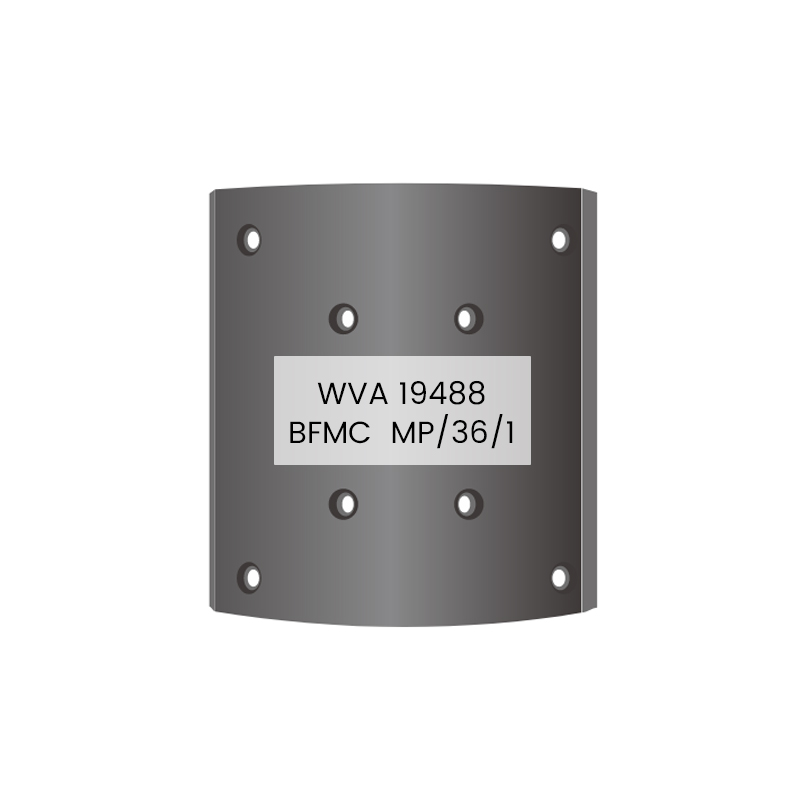 19488 MP/36/1 European Truck Brake Lining for MAN and Mercedes-BenzThis OE-format brake lining suits long-haul and construction trucks using drum brakes. Its composite material provides wear resistance and stable high-temperature performance, but verify dimensions and hole layout before ordering for your axle manufacturer.View Product →
Because the 19488 is an OE-format reference, the actual underlay may vary slightly depending on the axle manufacturer. Always confirm the length, width, thickness, and hole layout before ordering, especially when replacing a lining that has already been riveted to the shoe.
Which MAN Models and Applications Use the 19488 Lining?
The 19488 lining is most commonly linked to MAN TGA and TGS series trucks equipped with drum brakes, although it can also appear on other European heavy trucks using the same axle. It is not a universal lining, so the safest approach is to match the reference number against the original part removed from the vehicle.
Typical applications include:
- MAN tractors for semi-trailers with drum-type rear axles
- Rigid trucks used in construction or bulk haulage
- Some European bus and coach conversions that share MAN driveline components
- Trailers and semi-trailers fitted with axles that specify MP 36-1 linings
Note that a similar reference, 19486, is commonly listed for MAN and Mercedes-Benz applications with the MP 31-1 profile. If your vehicle uses that configuration, the two linings are not automatically interchangeable because the arc and hole spacing differ. Manufacturers provide separate part numbers for a reason.
For other MAN brake lining references, suppliers often group 19486 and 19495 in the same European truck category. The 19486 lining is worth checking if your truck carries the MP 31-1 designation.
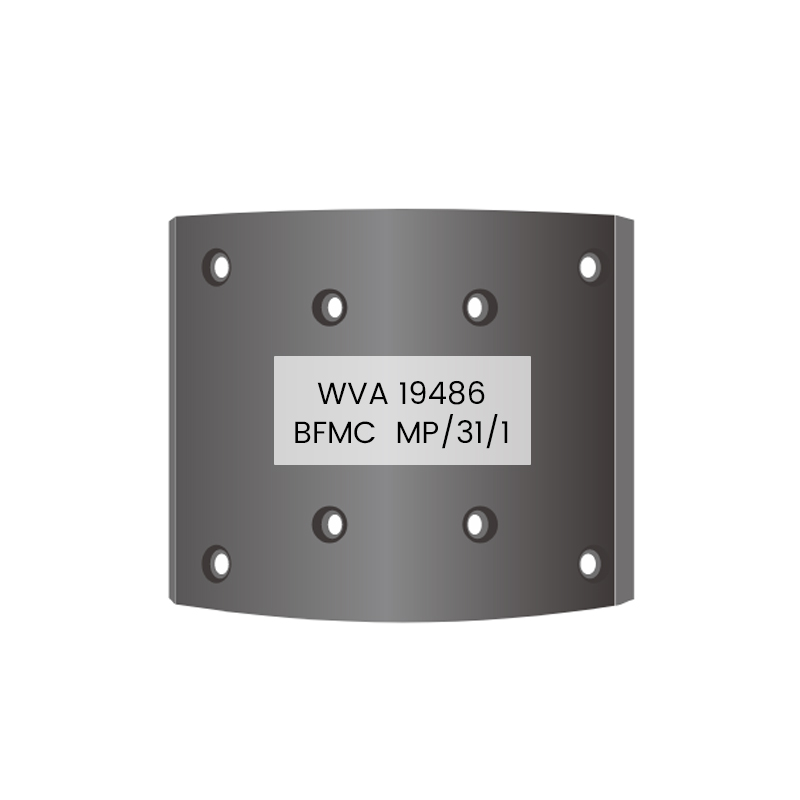 19486 MP/31/1 Brake Lining for MAN and Mercedes-Benz TrucksDesigned for MAN and Mercedes-Benz vehicles, this lining emphasizes quiet operation, low drum wear, and corrosion resistance. Its eco-friendly formula suits humid or dusty routes, making it a practical choice for operators seeking reduced maintenance.View Product →
Friction Material and Performance Factors
Once fitment is confirmed, the friction material becomes the next major decision. Truck brake linings are generally made from non-asbestos organic (NAO), low-metallic, or semi-metallic compounds. Each behaves differently in terms of heat fade, wear, noise, and drum attack.
| Material | Heat Resistance | Wear Life | Noise & Comfort | Typical Use |
|---|---|---|---|---|
| NAO | Moderate | Moderate | Good | Light to medium duty |
| Low-Metallic | Good | Good | Moderate | Mixed duty and regional haul |
| Semi-Metallic | Excellent | Excellent | Lower comfort | Severe heavy-duty and mountain routes |
Most aftermarket MAN linings use low-metallic or semi-metallic materials because the braking conditions in European trucking are demanding. Semi-metallic compounds offer the best fade resistance, but they can also increase drum wear when drums are already scored. Low-metallic products sit in the middle and are often preferred for regional distribution trucks.
Heat fade is a key concern. When a lining gets too hot, the friction coefficient can drop temporarily, making the brake pedal feel hard and stopping distances longer. Semi-metallic linings handle high temperatures better, which is why they are standard for alpine routes and heavy-capacity loads. If your operation involves frequent mountain descents or prolonged braking, prioritize heat resistance over quiet operation.
To understand how material choices affect your brake system, it helps to review common truck brake lining materials in more detail.
Manufacturers of the 19488 brake lining typically offer the same part number in more than one friction grade. That is why two linings with the same part number can perform differently on the road. Always ask the supplier for the coefficient of friction and the recommended drum temperature range.
How to Select and Install the 19488 Brake Lining
Correct installation is just as important as the part itself. A new lining with the wrong rivet depth or an inaccurate radius will not seat properly on the brake shoe, leading to uneven contact and premature failure.
- Confirm the OE reference and the profile code (for example, 19488 / MP 36-1).
- Measure the old lining: length, width, thickness, and arc radius.
- Count the rivet holes and verify the spacing pattern.
- Choose a friction material grade that matches your operating conditions.
- Inspect the brake drum for ovality, cracking, and deep scoring.
- Use new rivets of the correct diameter and counterbore depth.
- Replace the shoe return springs if they show signs of heat fatigue.
- Bed the new linings gradually to create an even transfer layer.
Pay attention to the bedding step. A heavy stop from high speed on a fresh lining can overheat the surface and reduce braking efficiency for the rest of its life. The usual recommendation is to make 30–40 gentle stops from moderate speed before loading the vehicle.
Drum condition also matters. If the drum has hard spots, groove wear, or visible bluing from overheating, the new lining will not make full contact and the brake performance will remain poor. Replace or machine the drum before installing fresh linings whenever you see uneven wear.
Choosing a Reliable Supplier
The 19488 brake lining is a safety part, so the supplier’s quality system matters. Certification to IATF 16949, for example, indicates that the factory follows automotive-grade process control rather than ad-hoc production. Standards like GB 5763 also give a baseline for friction and wear testing, and many European buyers rely on equivalent internal bench tests.
At Zhejiang Kooying Autoparts, we make European truck brake linings in a 43,000 m² facility with a production capacity of over 15 million sets per year. Our product range covers OE-style references such as 19488, 19486, 19495, and many other MAN, Volvo, Scania, and Mercedes-Benz applications. You can review our company profile to understand the manufacturing scope and quality certifications before placing a bulk order.
Consistent quality matters more than a low price. A lining that passes the first test but varies in thickness or friction level across batches will cause headaches in maintenance planning and vehicle uptime. Look for suppliers that document their test results and can provide batch traceability.
To complete your stock of popular European truck linings, you might also add the 19495 version, which serves MAN and Mercedes-Benz applications with the MP 32-2 profile. That allows you to cover a wider range of trucks with the same purchasing relationship.
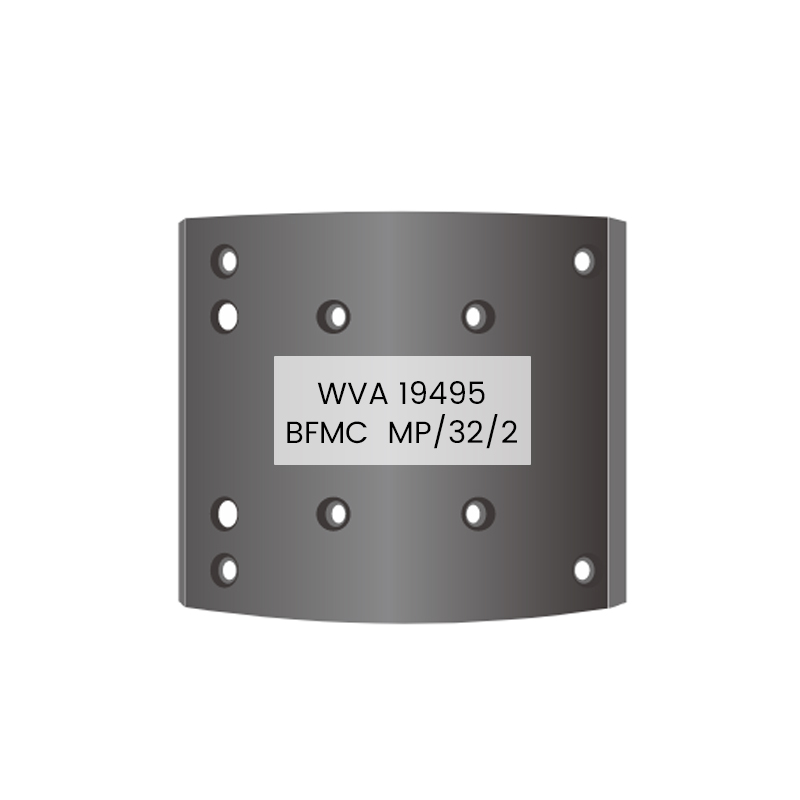 19495 MP/32/2 Brake Lining for MAN and Mercedes-Benz TrucksThis lining covers MAN and Mercedes-Benz applications with the MP 32-2 profile, complementing other European truck references. It offers low replacement frequency and corrosion resistance for demanding environments, helping extend service intervals and cut brake costs.View Product →
Replacing a 19488 brake lining is straightforward once you know exactly what you are buying. Match the reference, choose the right friction material, and work with a supplier that demonstrates consistent quality. That approach keeps your trucks stopping reliably and reduces the cost-per-mile of brake service.