 English
 中文简体
中文简体A brake lining number looks like a small detail until a truck is standing on the lift with its wheels off. When a workshop or an importer writes 19488 on an order, they are not asking for a generic block of friction material. They are asking for a part that has to sit on a specific shoe, run inside a specific drum, and behave predictably on a specific axle.
The 19488 truck brake lining belongs to that practical world of European heavy-duty braking, and most of the questions we receive about it come down to three things: what the reference covers, which vehicles it serves, and how to be sure the lining in the box matches the one coming off the truck.
Content
- 1 What the 19488 Truck Brake Lining Reference Tells You
- 2 Where the 19488 Lining Earns Its Keep
- 3 19488 Truck Brake Lining at a Glance
- 4 Inside the Block: Material and Friction Behaviour
- 5 Hardware That Travels With the Lining
- 6 Covering the Rest of the Fleet
- 7 Fitting and Bedding-In the 19488 Lining
- 8 What to Check Before You Order
What the 19488 Truck Brake Lining Reference Tells You
References in the 19,000 band belong to the European drum brake vocabulary, and 19488 is one of the numbers our European customers ask about most often. Paired with the MP-36-1 designation, it identifies a heavy-duty lining block built for MAN trucks and closely related Mercedes-Benz applications. That pairing matters more than the digits alone. The MP-36 family describes a block of a defined length, thickness and rivet or bolt pattern; the individual number narrows it down to the axle group the lining was engineered for.
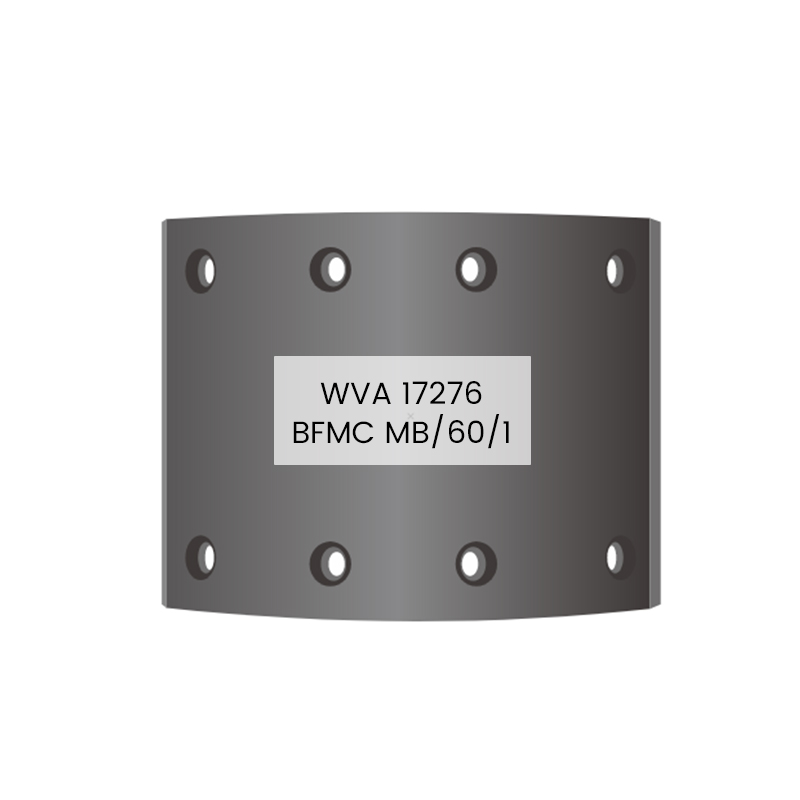
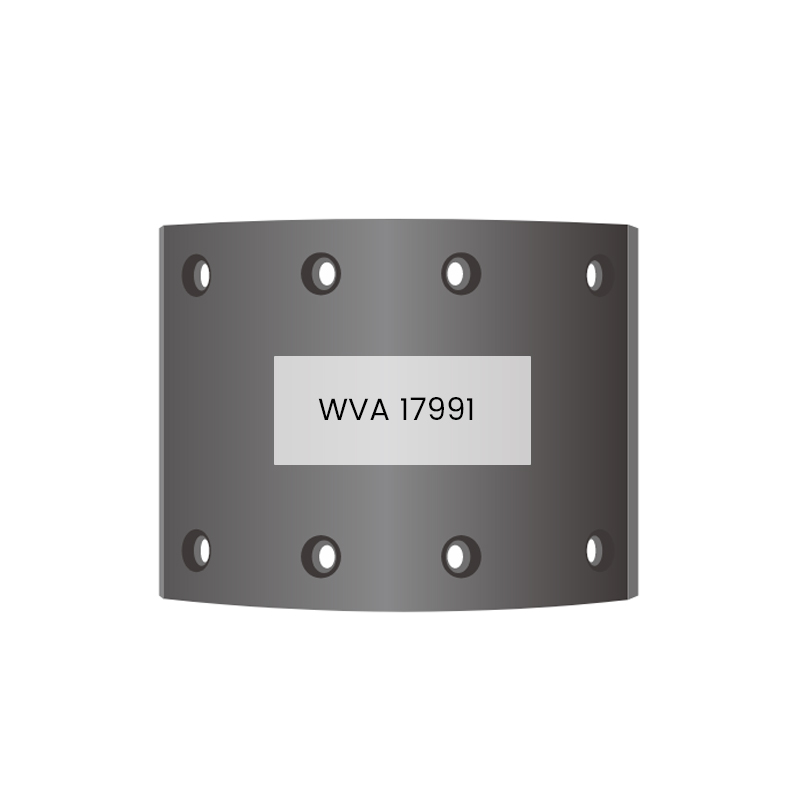
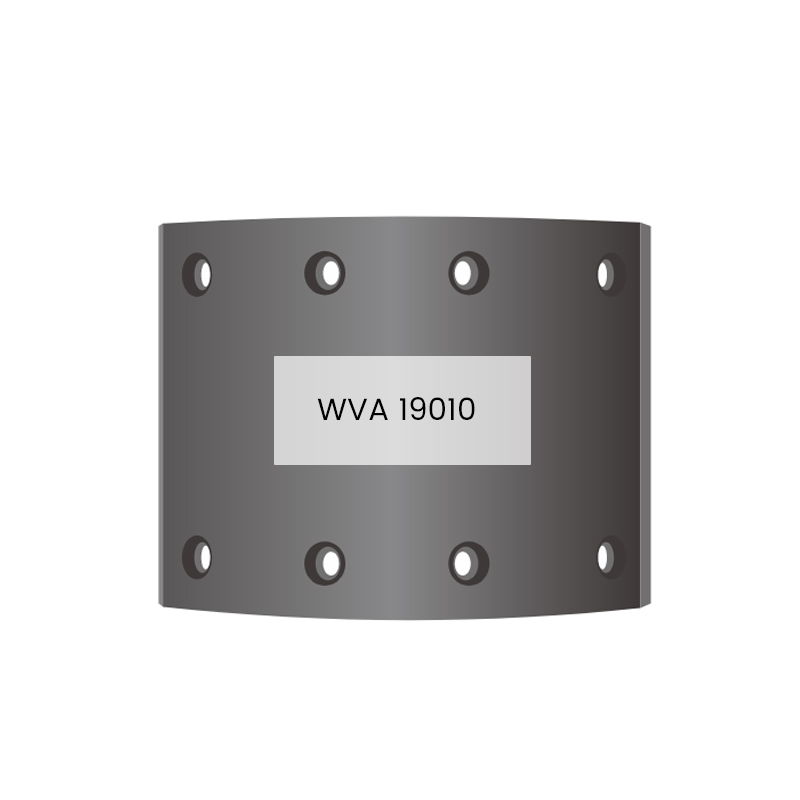
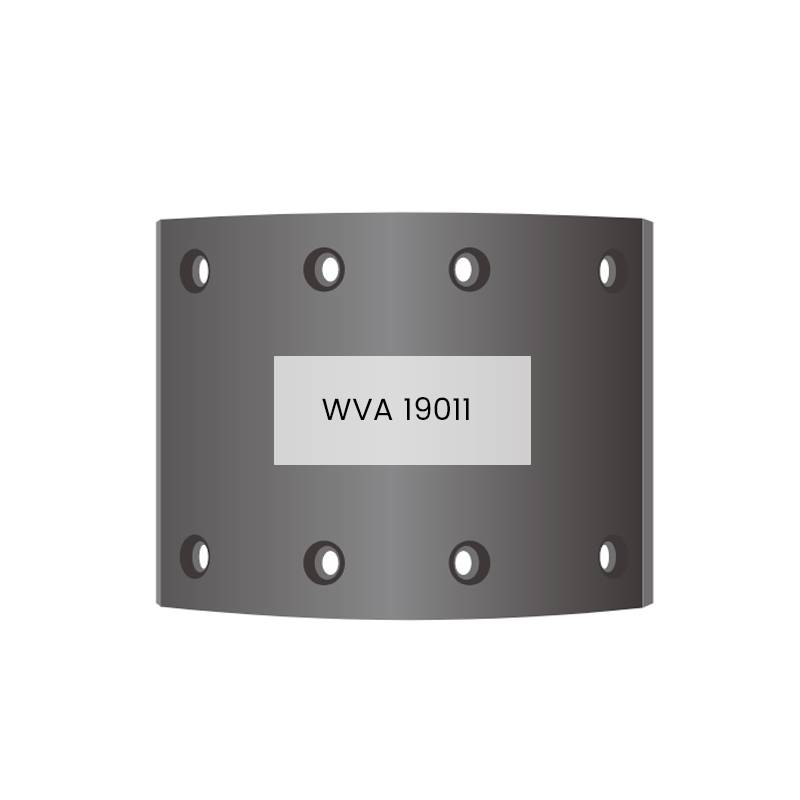
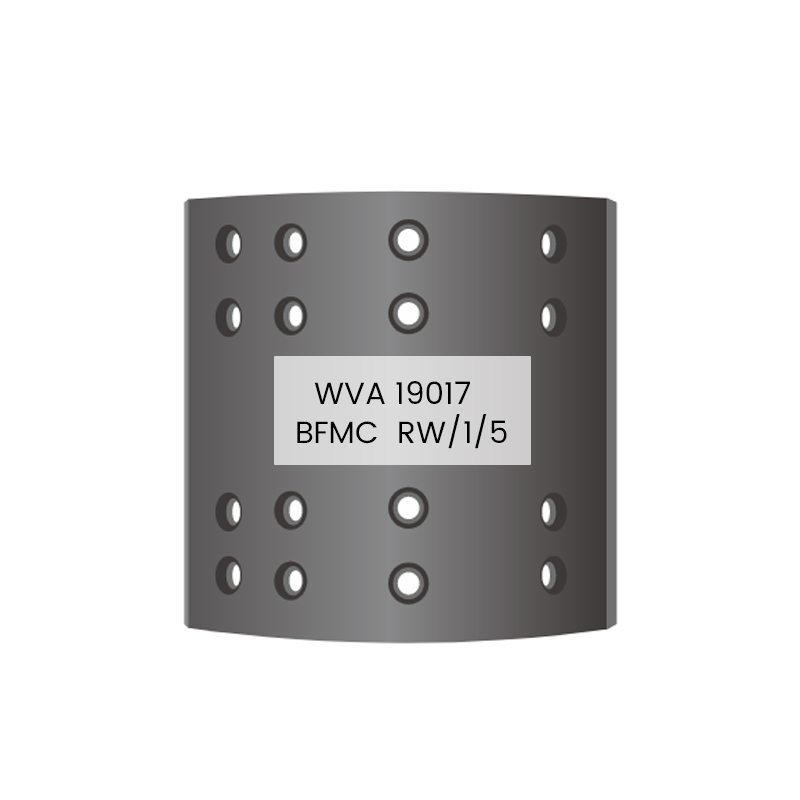
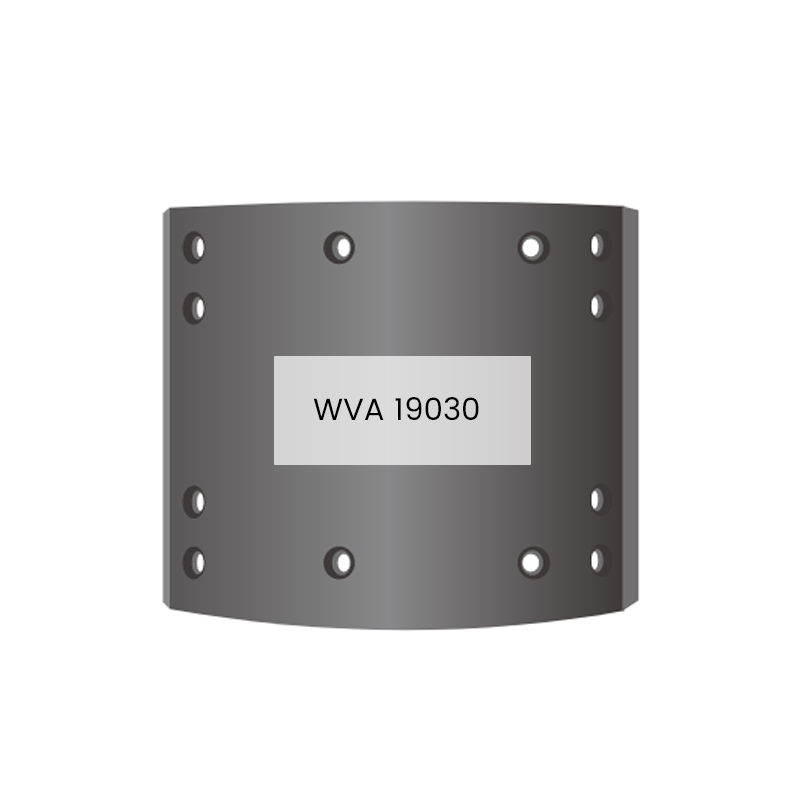
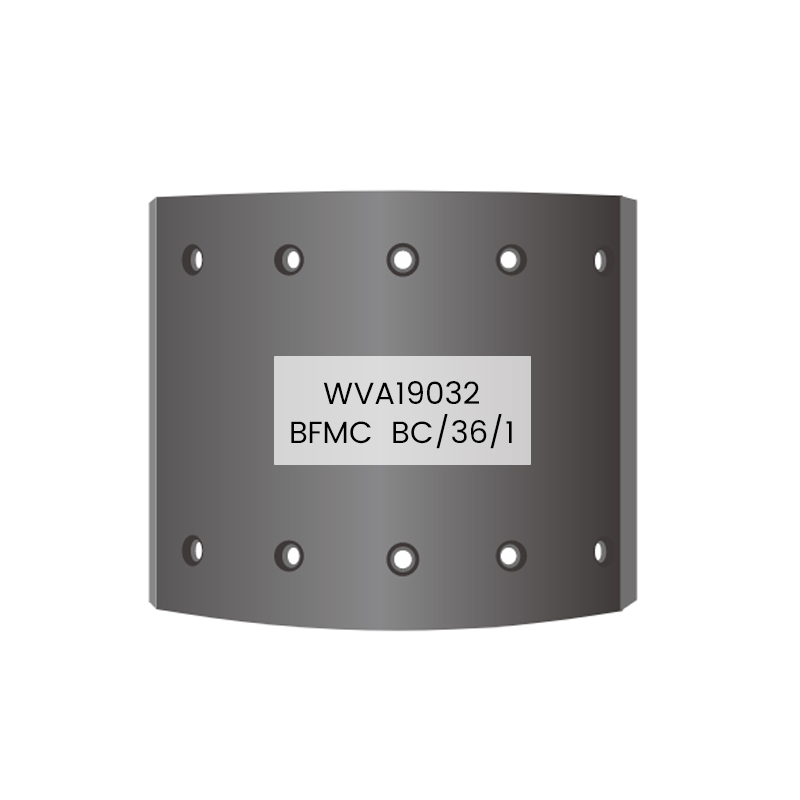
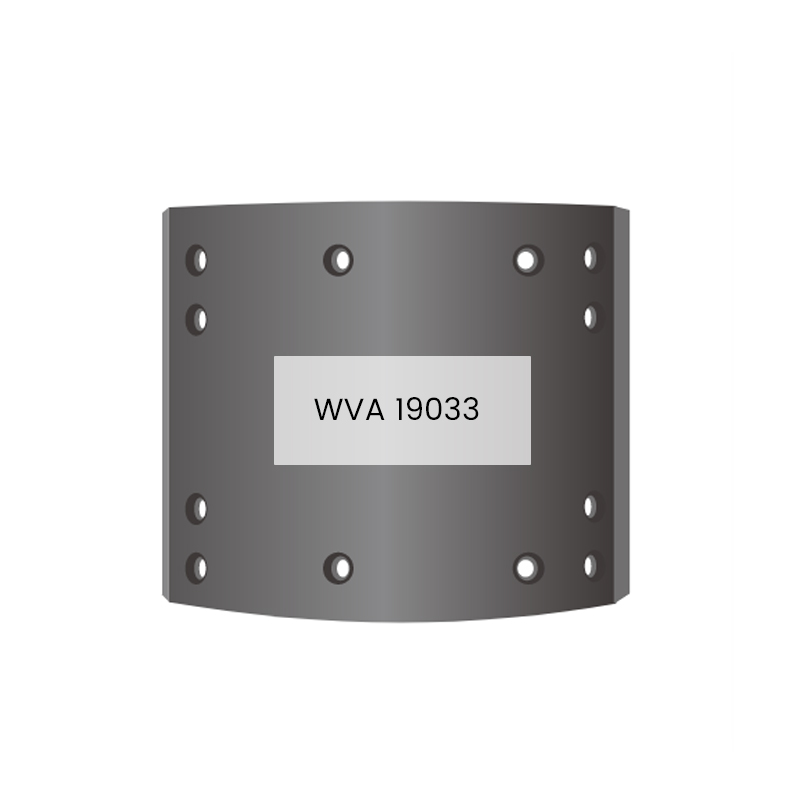
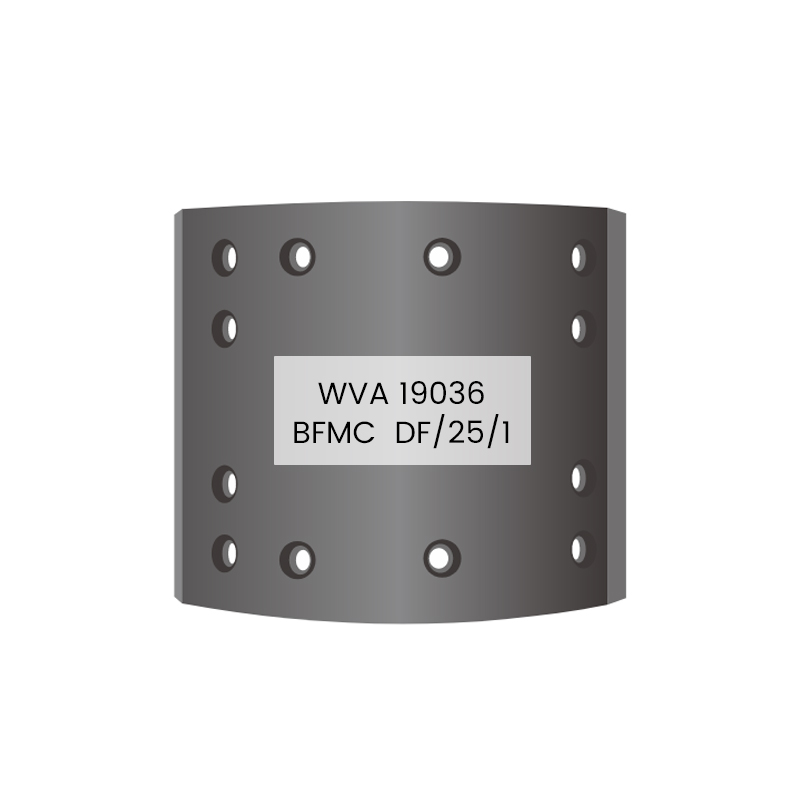
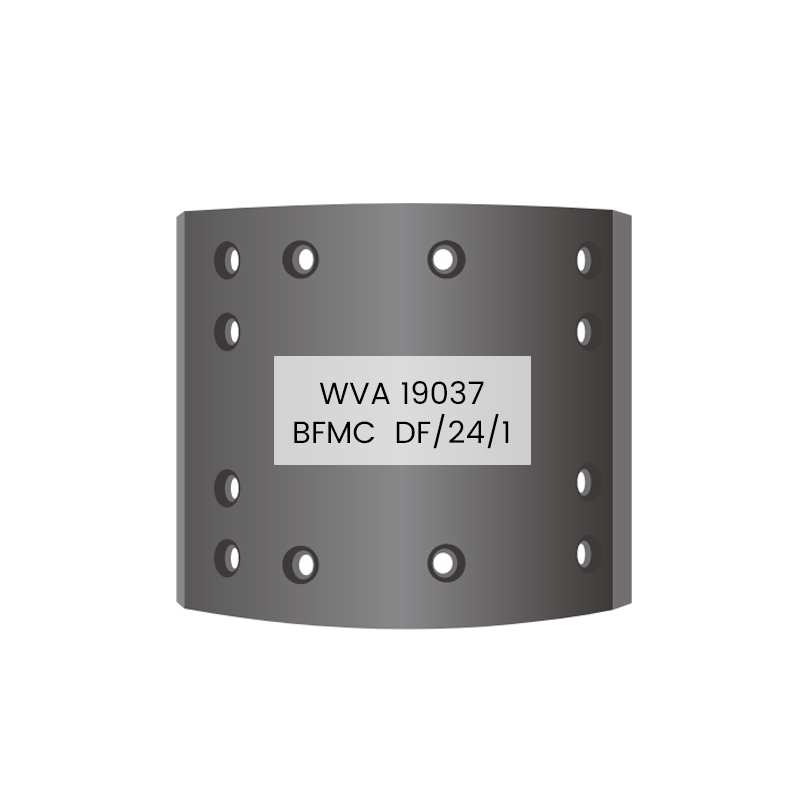
One reference rarely travels alone. Neighbouring numbers such as 19486 (MP-31-1), 19495 (MP-32-2) and 19496 (MP-36-2) sit close enough in the range that a busy stockkeeper can pull the wrong box in a hurry. Before a truck goes on the lift, confirm the lining reference, the shoe part number and the drum dimensions together, not one of the three.
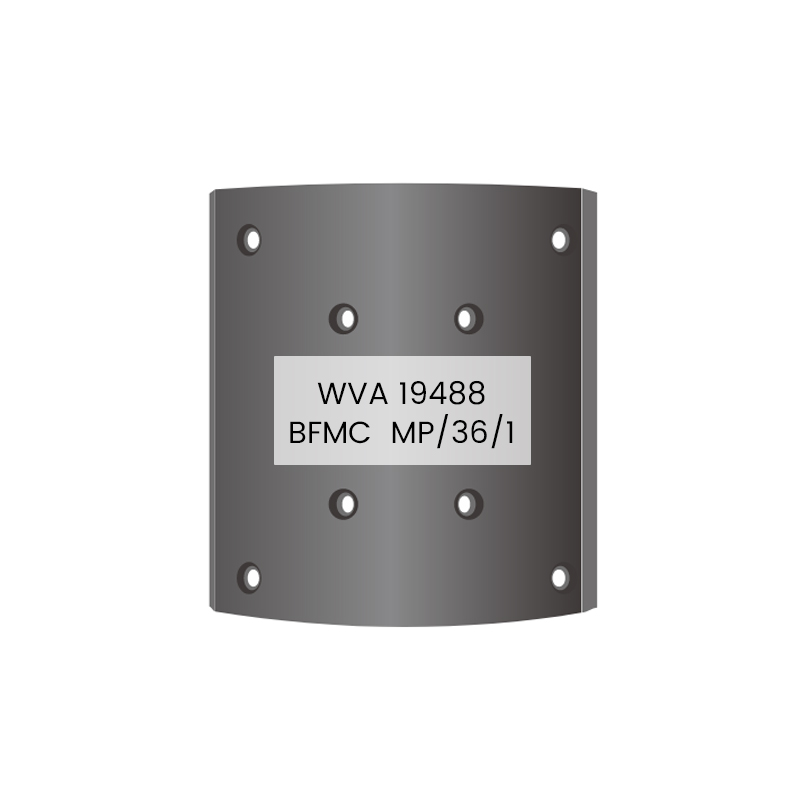 19488 MP/36/1 European Truck Brake Lining for MAN,MERCEDES-BENZWVA 19488 BFMC MP/36/1 is suitable for MAN, MERCEDES-BENZ. Made of high-grade composite materials, it exhibits remarkable wear resistance, which directly translates to...View Product →
Where the 19488 Lining Earns Its Keep
The 19488 is a shoe-mounted lining for S-cam drum brakes, the layout that still dominates heavy axles across Europe. In service it turns up on tractor units, tippers, tankers and coaches, usually on drive axles and trailer axles where stopping loads are highest and heat has the least chance to escape.
Duty cycle shapes the life of any lining far more than the label on the box. A truck working a quarry will use up its brakes faster than a long-haul unit, and a city bus will see more heat cycles than either.
19488 Truck Brake Lining at a Glance
For buyers who want a single working summary, the table below collects the practical points we discuss most often with distributors and fleet engineers.
| Item | Typical detail |
|---|---|
| Reference | 19488 |
| Family designation | MP-36-1 |
| Main vehicle groups | MAN heavy trucks and closely related Mercedes-Benz applications |
| Brake type | Drum brake, S-cam, shoe-mounted block |
| Fixing method | Riveted or bonded, depending on shoe and workshop practice |
| Related references | 19486, 19487, 19495, 19496 |
| Typical supply form | Aftermarket block, boxed per axle set |
Inside the Block: Material and Friction Behaviour
Almost every heavy-duty lining on the road today is non-asbestos. Within that broad family, the 19488 type of block is normally produced as a non-asbestos organic formulation: reinforcing fibres, friction modifiers, fillers and a heat-resistant binder, pressed and cured into a dense, dimensionally stable block.
The engineering target is not maximum friction. It is stable friction, a coefficient that holds up when the drum is cold on the first stop of the day and when it is hot after a long descent, and that recovers predictably after it has faded. Get that balance wrong and one of two things happens: the lining bites hard when cold and fades when hot, or it is gentle enough for comfort but never develops the stopping power a loaded combination needs.
What we control in production
From our side, consistency is the whole game. Friction material is sampled and checked against GB5763-2018, QC/T25-2004 and QC/T27-2004 requirements, and our plant operates under IATF16949:2016 quality management. Batch-to-batch stability is what lets a fleet fit the same reference on twenty trucks and get the same pedal, the same wear pattern and the same service interval from all of them.
Hardware That Travels With the Lining
A lining is only one part of a wheel-end job, and the small parts decide whether the job lasts. Rivets must match the hole pattern and the block thickness; shoes must be straight, unworn at the platform and free of cracks; cam rollers, return springs and anchor pins should be replaced as a set when they show heat damage rather than rounded wear.
Workshops that bond rather than rivet still need to think about surface preparation and curing, because a bonded lining that lifts at the edge will fail long before the friction material is worn out. A light, correct application of high-temperature grease on the camshaft and roller ends keeps the brake free to release, which in turn keeps the lining from dragging.
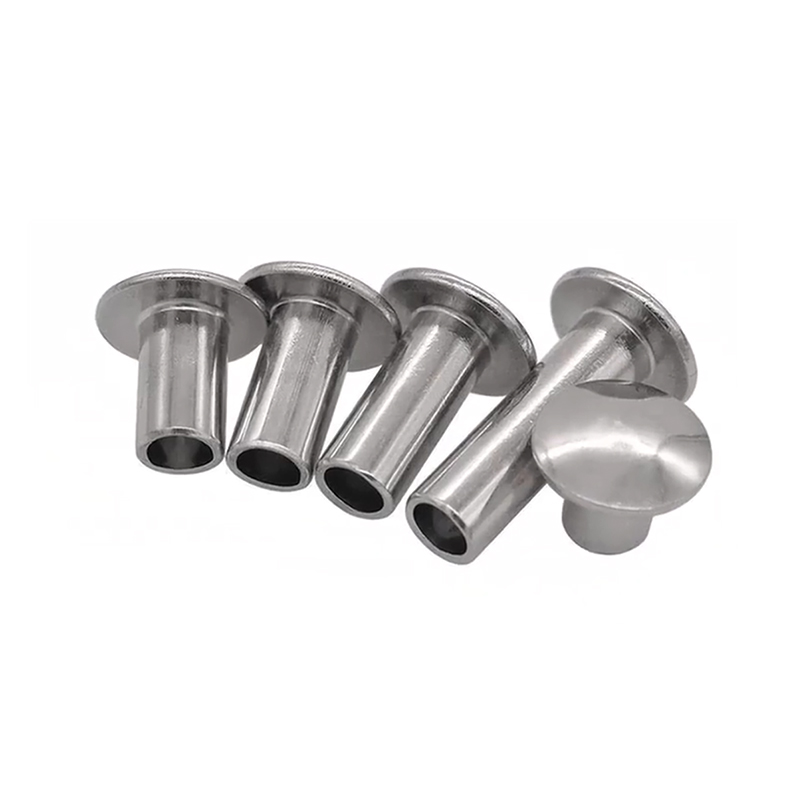 High-Strength RivetThe High-Strength Rivet is a reliable fastening component designed for industrial assembly scenarios requiring stable load-bearing capacity. Crafted from high-quality ...View Product →
Covering the Rest of the Fleet
Very few fleets run a single lining reference. A mixed MAN and Mercedes-Benz operation will usually need the 19488 alongside 19487, 19495 and 19496, while trailer axles take a different family again, built around BPW, SAF, Meritor and York brake gear. Volvo, Scania, Renault, DAF and Iveco units each add their own references.
That is why we organise our European range by vehicle group and by OE-oriented reference rather than by one universal part number. It keeps the catalogue honest and makes it easier for a buyer to build a stock list that covers the actual fleet mix instead of an average of it.
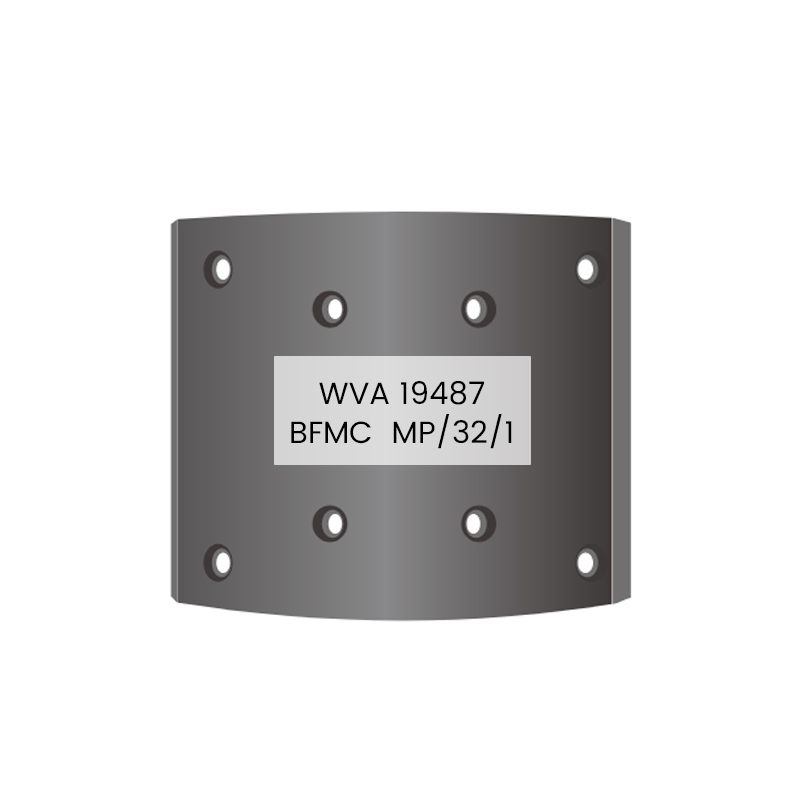 Superior Quality Brake lining 19487 MP/32/1 for MAN,MERCEDES-BENZWVA 19487 BFMC MP/32/1 is suitable for MAN, MERCEDES-BENZ. Safety is its fundamental commitment. Equipped with exceptional braking sensitivity, it reacts rapidly to ev...View Product →
Fitting and Bedding-In the 19488 Lining
The best lining in the world will underperform if it is fitted carelessly. The sequence we recommend to workshops is short and unglamorous:
- Measure the drum, diameter, out-of-round and scoring, and replace or machine it if it is outside specification.
- Inspect the shoe platform, cam, rollers, springs and anchor pins, and renew anything showing heat damage or uneven wear.
- Fit the lining with the correct rivets or bonding procedure, keeping the block square to the shoe.
- Reassemble with the specified clearance and correct lubrication on the moving contact points, with no grease on friction surfaces.
- Adjust the brake, then road test with progressive braking rather than a series of hard stops.
- Re-check adjustment and lining contact after the first few hundred kilometres, and again at the first service interval.
Bedding-in is not a formality. It transfers a controlled film of friction material to the drum surface, and skipping it is one of the most common reasons a new set of linings feels weak in its first weeks of service.
What to Check Before You Order
Purchasing friction parts for a commercial fleet is a technical job wearing a commercial hat. The checklist below is the one we ask our own distributors to work through.
- Confirm the lining reference together with the shoe part number and axle position.
- Check block thickness, width, length and hole pattern against the part being replaced.
- Note the vehicle model, axle make and drum size, not just the truck brand.
- Ask for pack quantity, box marking and set configuration, so the workshop is not short of one piece.
- Request the quality documentation your market requires, including material test reports where applicable.
- Test one axle before committing a whole fleet to a new reference.
If you want to compare references side by side, our European vehicle brake lining range groups the numbers by vehicle group and OE reference, which makes cross-checking much faster than scrolling a flat list.
Numbers such as 19488 exist for a reason: they compress a great deal of fitment information into five digits. Used properly, they help a distributor, a fleet engineer and a workshop talk about the same part without ambiguity, and they make it much harder for a marginal product to slip into a critical position on a truck.
We build friction material for exactly that kind of working environment, and we are always glad to talk through a fitment question, a stock list or a first order. If a detail is still open after reading this, our frequently asked questions cover the points that come up most often, and our team is reachable by phone or email.