 English
 中文简体
中文简体Content
The Critical Role of Brake Lining in Vehicle Safety
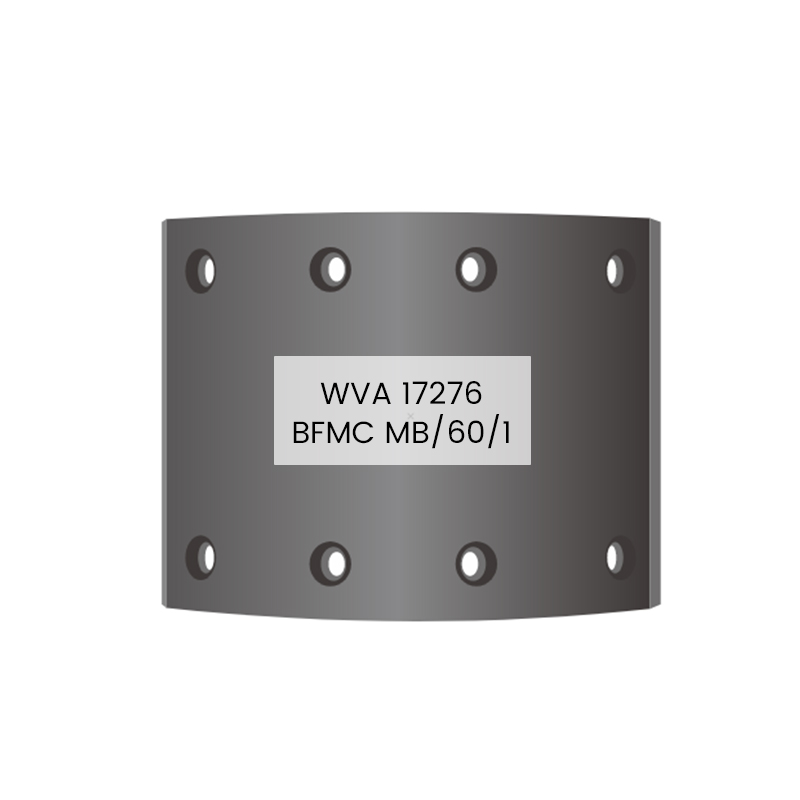
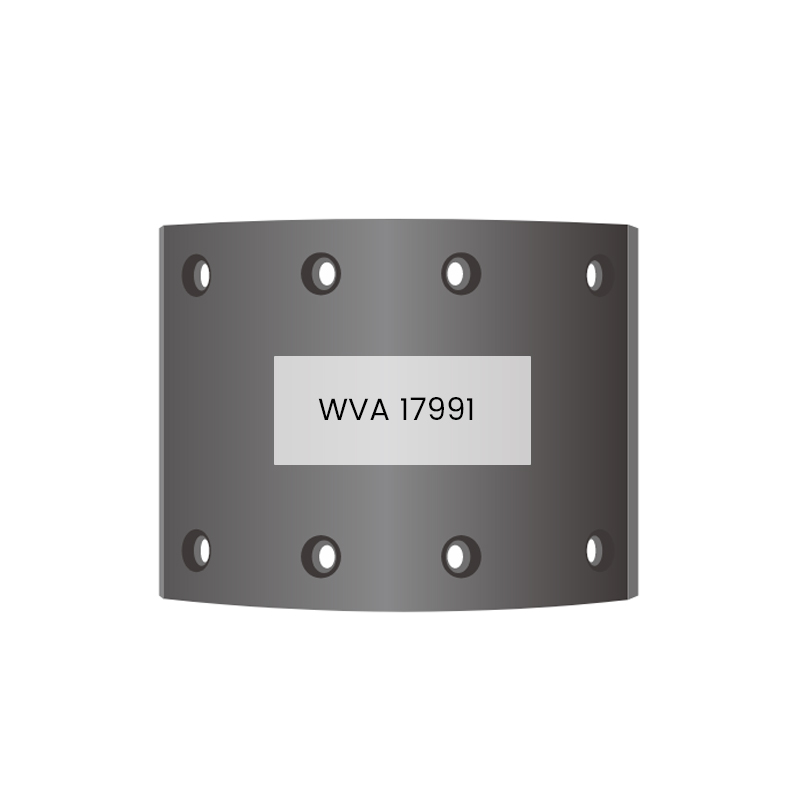
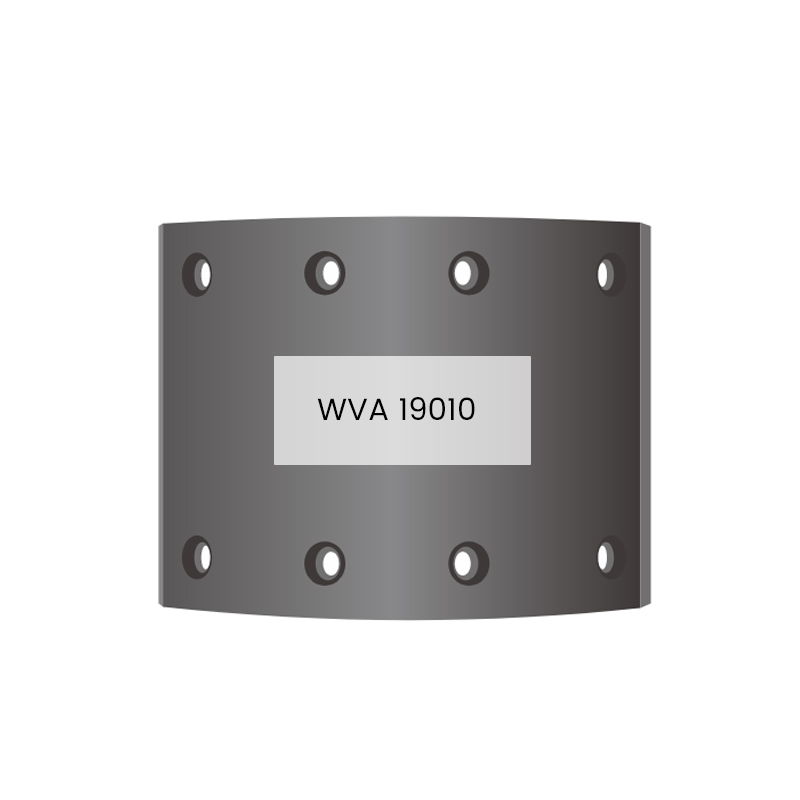
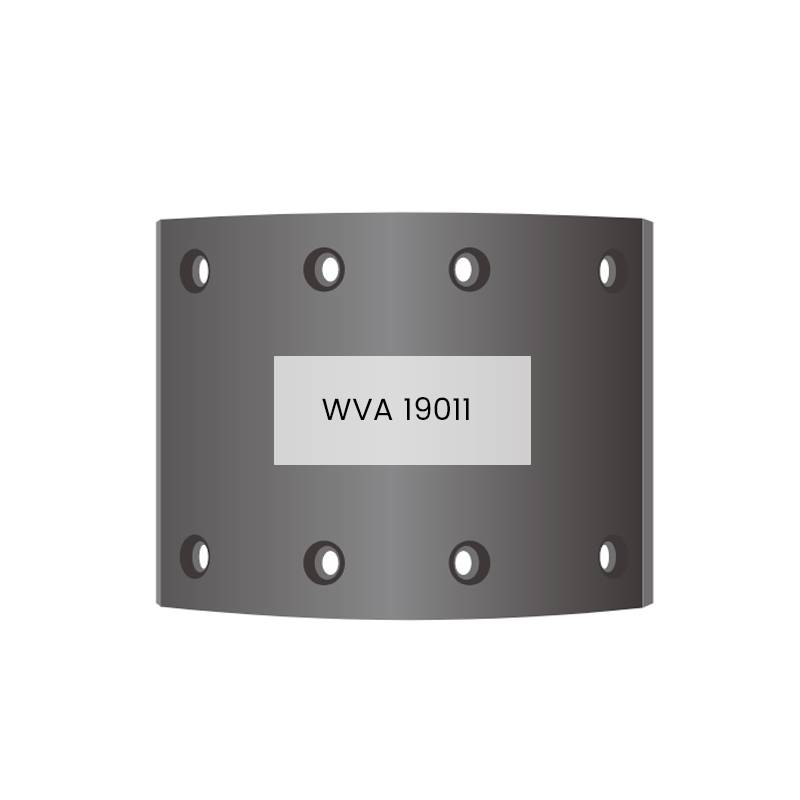
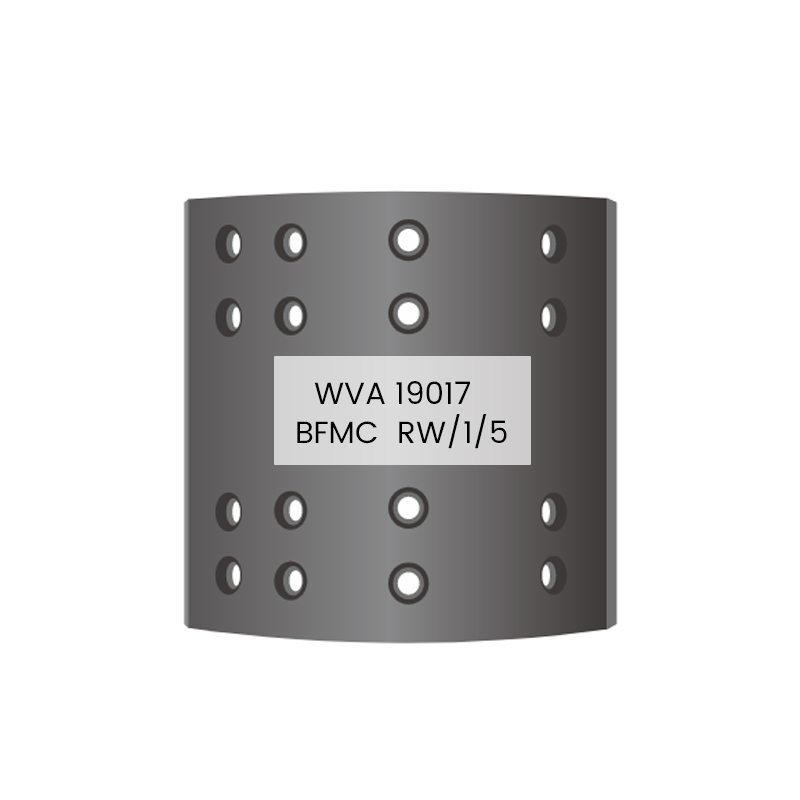
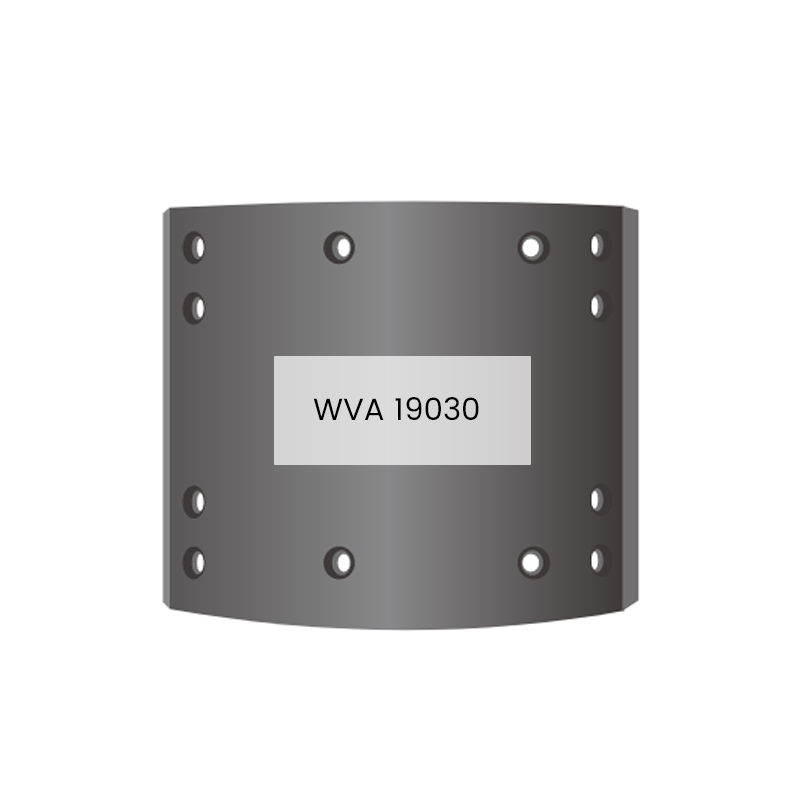
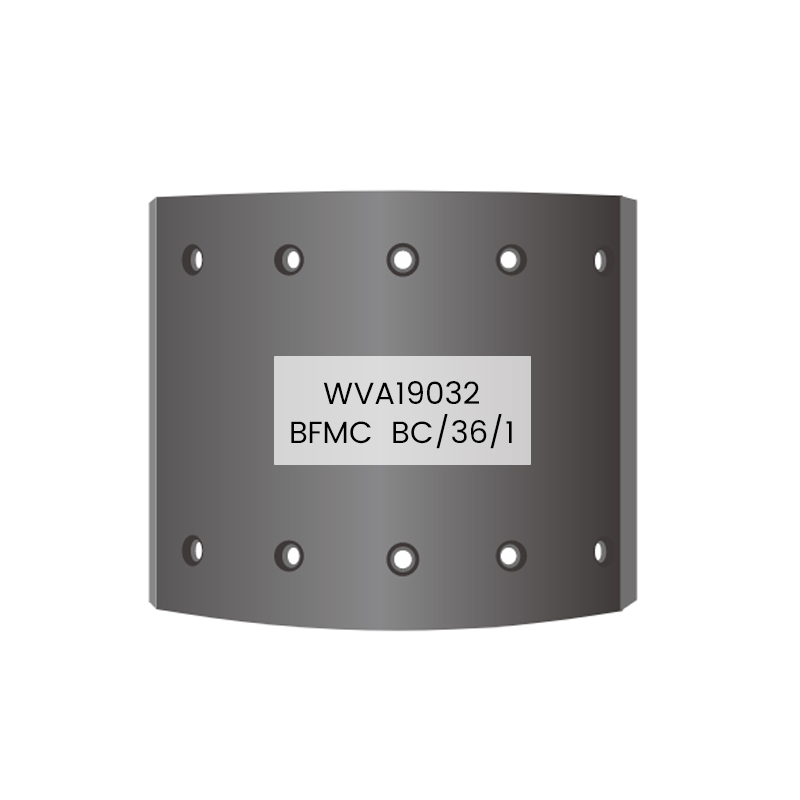
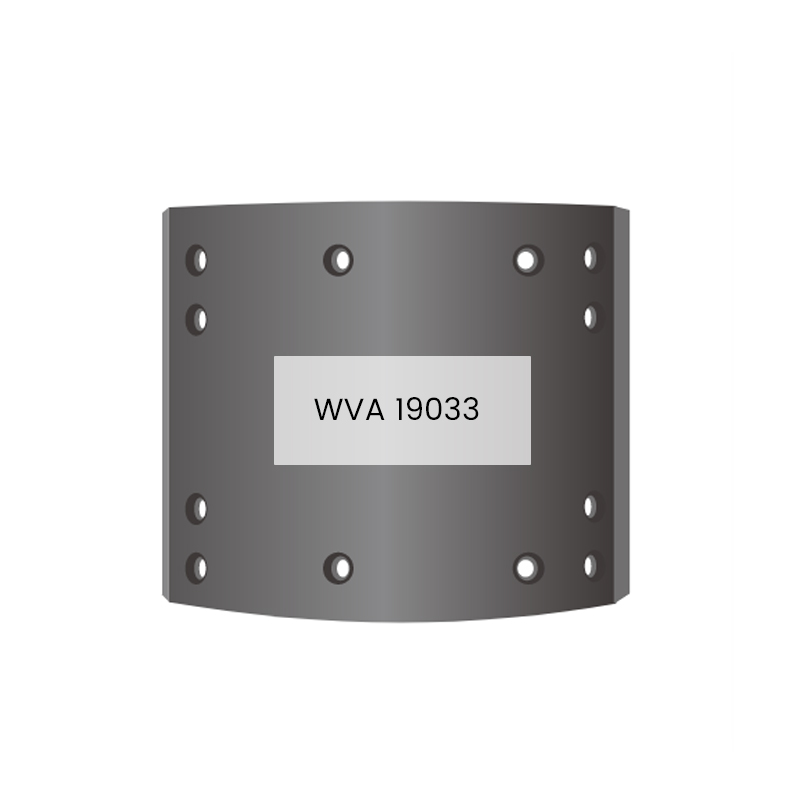
Brake lining is the consumable friction material that is attached to brake shoes or pads, serving as the primary interface between the braking system and the moving drum or rotor. Its fundamental purpose is to convert the kinetic energy of a moving vehicle into thermal energy through friction. High-quality lining must provide a consistent coefficient of friction across a wide range of operating temperatures, ensuring that the vehicle stops predictably whether the brakes are cold or have been subjected to heavy use on a steep descent.
Modern engineering has moved away from hazardous materials like asbestos, focusing instead on complex composite structures. These materials are designed to balance several competing factors: stopping power, durability, noise reduction, and the preservation of the mating metal surfaces. Understanding the nuances of these materials is essential for maintaining vehicle performance and ensuring long-term mechanical reliability.
Comparison of Common Brake Lining Compositions
Choosing the right brake lining depends largely on the vehicle's application, ranging from daily commuting to heavy-duty industrial hauling. The composition dictates how the lining handles heat and how quickly it wears down during intense friction cycles.
| Lining Type | Key Materials | Best Use Case |
| Non-Asbestos Organic (NAO) | Rubber, glass, resins | Light passenger vehicles |
| Semi-Metallic | Steel wool, iron powder | Heavy loads and towing |
| Ceramic | Ceramic fibers, copper fillers | Luxury and performance cars |
Mechanisms of Friction and Heat Dissipation
When the brake pedal is depressed, the brake lining is forced against the rotating drum or disc. This contact generates intense localized heat, which can sometimes exceed 300 degrees Celsius in standard driving conditions. The ability of the lining to maintain its integrity at these temperatures is known as thermal stability. If the lining cannot dissipate this heat or begins to break down chemically, a phenomenon called "brake fade" occurs, where the friction coefficient drops significantly and the stopping distance increases dangerously.
Factors Influencing Friction Stability
- The porosity of the lining material, which allows for the escape of gases generated during high-heat friction.
- The presence of lubricants like graphite to prevent the lining from "grabbing" or causing jerky stops.
- Structural binders, typically phenolic resins, that hold the friction particles together under extreme pressure.
Maintenance and Indicators of Brake Lining Wear
Because brake lining is designed to wear away over time, regular inspection is mandatory. Neglecting worn linings can lead to metal-on-metal contact, which destroys the brake drums or rotors and leads to catastrophic system failure. Modern linings often include a "wear indicator," a small metal tab that produces a high-pitched squeal when the material reaches its minimum thickness.
Proper maintenance involves checking for uneven wear patterns, which might indicate a sticking caliper or a misaligned brake shoe. Technicians also look for "glazing," where the surface of the lining becomes smooth and shiny due to excessive heat, reducing its ability to grip the drum effectively. Replacing linings before they reach the manufacturer's minimum specification (usually around 2mm to 3mm) is the most cost-effective way to maintain a vehicle's braking efficiency and safety.
Additionally, the rise of electric vehicles (EVs) is changing how brake linings are designed. Because EVs use regenerative braking to slow the vehicle, the mechanical brakes are used less frequently. This requires linings that can withstand long periods of inactivity without oxidizing or losing their friction characteristics due to moisture buildup, leading to a new generation of corrosion-resistant friction materials.