 English
 中文简体
中文简体Content
Understanding the Material Composition of European Brake Linings
European vehicle brake linings are engineered to meet the stringent ECE R90 certification, which ensures that aftermarket components perform within 15% of the original equipment. Unlike many North American counterparts that historically leaned toward semi-metallic compounds, European linings often utilize Low-Steel or Non-Asbestos Organic (NAO) formulations. These materials are specifically designed to handle the high thermal loads generated by high-speed driving on motorways and the heavy hauling requirements of commercial logistics. By integrating specialized resins, friction modifiers, and structural fibers, these linings maintain a stable coefficient of friction even as temperatures rise during prolonged braking intervals.
Thermal Management and Heat Dissipation
One of the primary practical advantages of European-spec linings is their superior thermal conductivity. Heavy-duty vehicles in Europe often operate in diverse terrains, from Alpine descents to flat coastal plains. To prevent brake fade—a condition where heat buildup reduces stopping power—manufacturers use sophisticated bonding agents that do not crystallize under extreme heat. This ensures that the lining remains porous enough to allow gases to escape while maintaining the structural integrity of the friction block against the brake shoe.
Key Performance Indicators for Commercial Fleet Operators
For fleet managers, selecting the right brake lining is a balance between safety, longevity, and maintenance costs. European vehicle brake linings are categorized by their "wear rate" and "drum aggressiveness." A high-quality lining will offer a predictable wear pattern, reducing the frequency of drum resurfacing and extending the service life of the entire braking system. This predictability is vital for preventative maintenance scheduling and reducing the Total Cost of Ownership (TCO) for long-haul trucks and buses.
Comparison of Common European Friction Materials
| Material Type | Friction Stability | Drum Wear | Noise Level |
| Low-Steel | Excellent | Moderate | Medium |
| NAO (Organic) | Good | Very Low | Low/Silent |
| Sintered Metal | Superior | High | High |
Critical Installation and Maintenance Practices
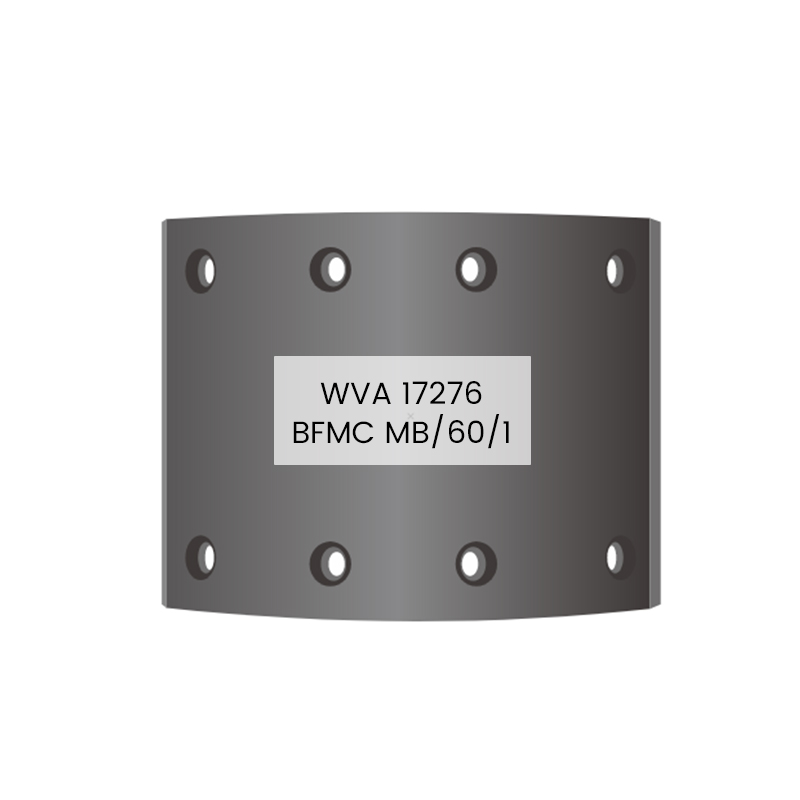
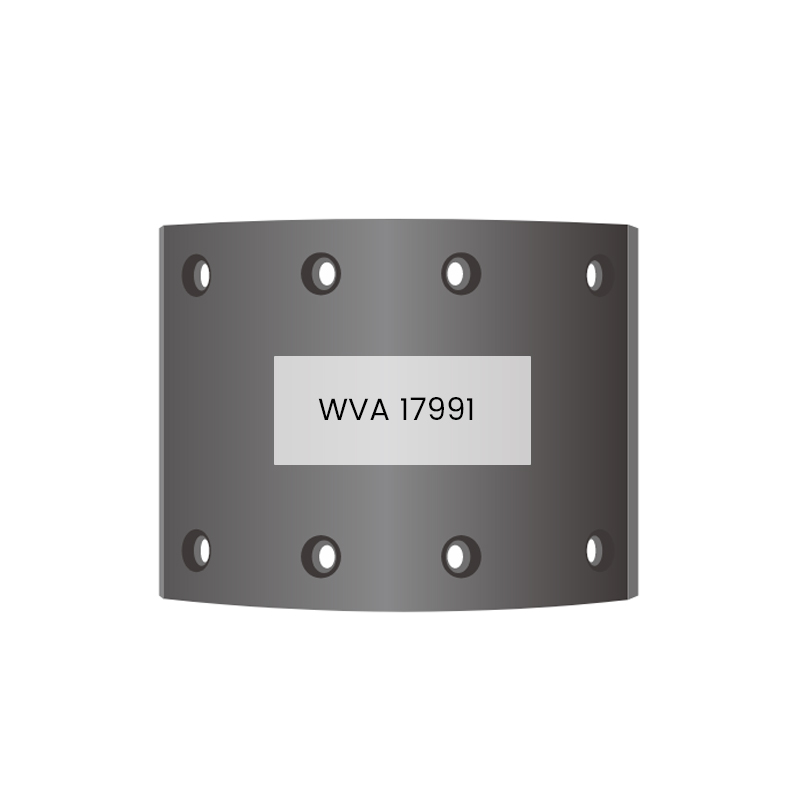
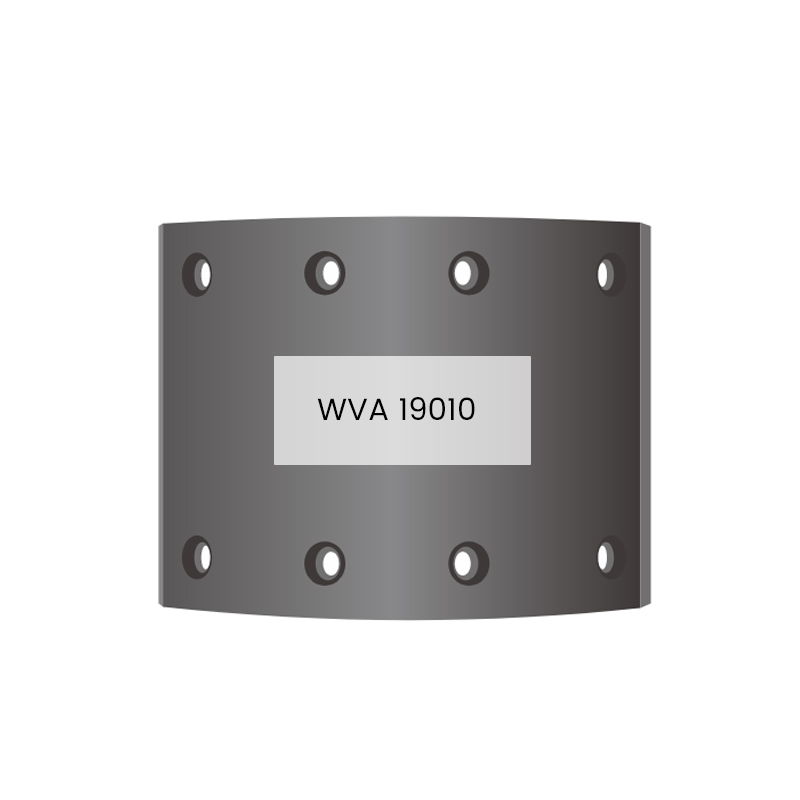
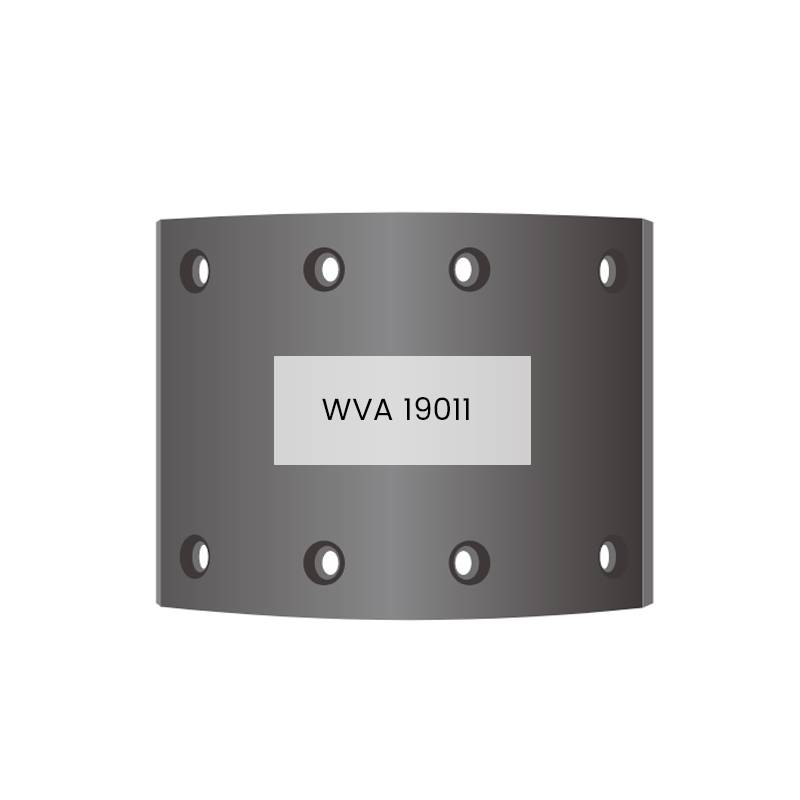
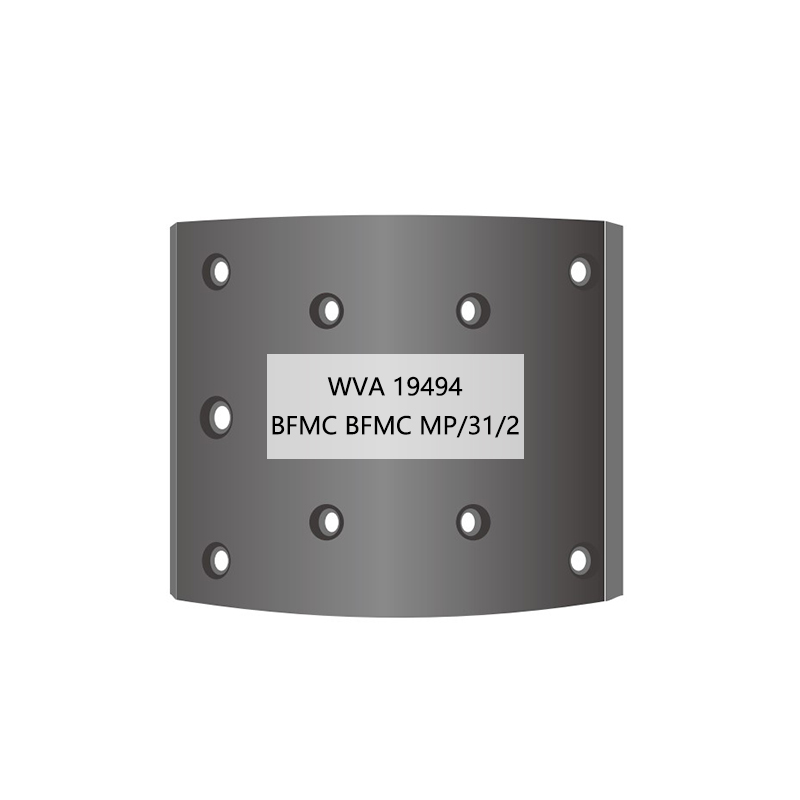
To maximize the efficiency of European brake linings, the installation process must be precise. Unlike standard passenger pads, heavy-duty linings require specific riveting techniques to ensure there is no "air gap" between the lining and the shoe, which could lead to vibration or cracking. Furthermore, the bedding-in process (or burnishing) is critical for European compounds to establish a transfer layer of friction material onto the drum surface, which optimizes stopping distances from the first kilometer of service.
Best Practices for Lining Longevity
- Regularly inspect the hardware, including return springs and rollers, to ensure even lining contact.
- Ensure the brake drum diameter is within the manufacturer’s specified tolerance to prevent lining "over-stretch."
- Check for oil or grease contamination from hub seals, which can lead to lining glazing.
- Verify ECE R90 markings on the edge of the lining to confirm compliance with European safety standards.
Environmental Compliance and Copper-Free Transitions
The European automotive industry is moving rapidly toward sustainable manufacturing. Modern brake linings are increasingly "copper-free" or "low-copper" to comply with environmental regulations regarding heavy metal runoff into waterways. These advanced linings replace copper with complex ceramic and synthetic fiber blends that provide the same thermal regulation properties without the environmental impact. When sourcing European vehicle brake linings, choosing eco-compliant brands ensures future-proofing against tightening regional environmental mandates.