 English
 中文简体
中文简体Content
The Critical Role of Brake Lining in Modern Friction Systems
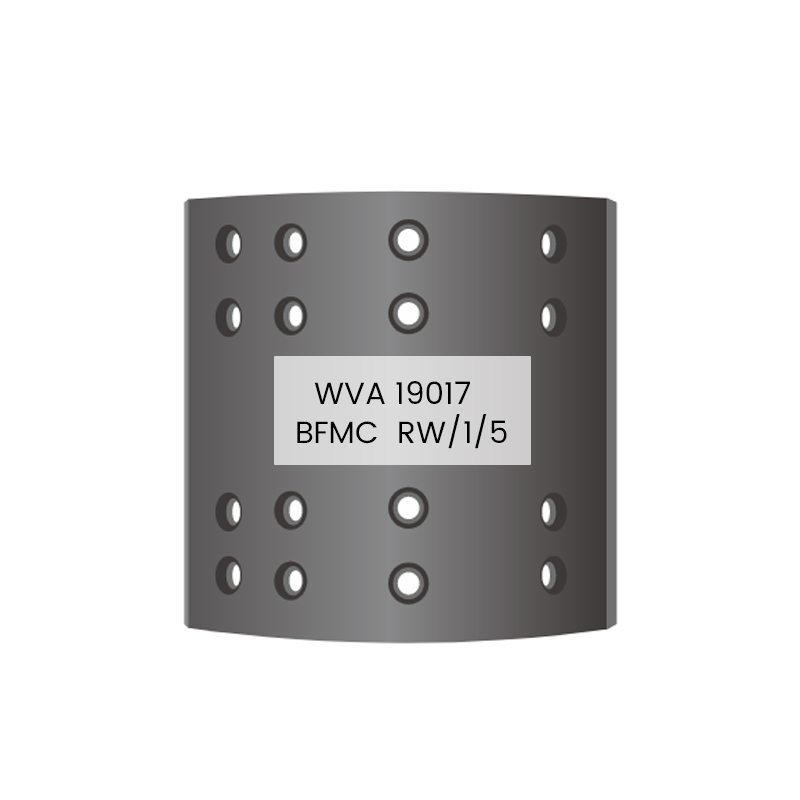
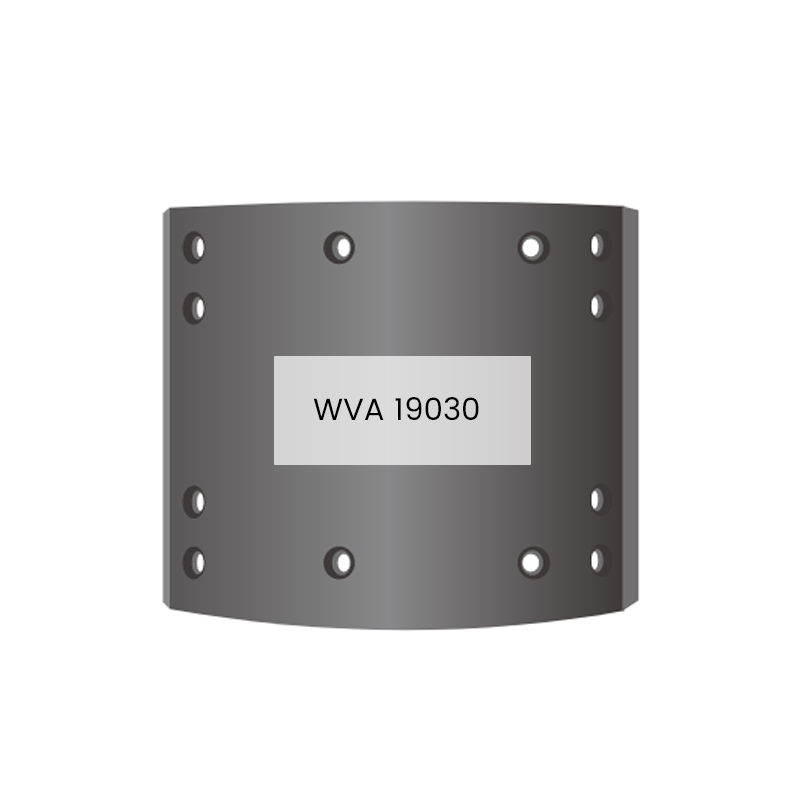
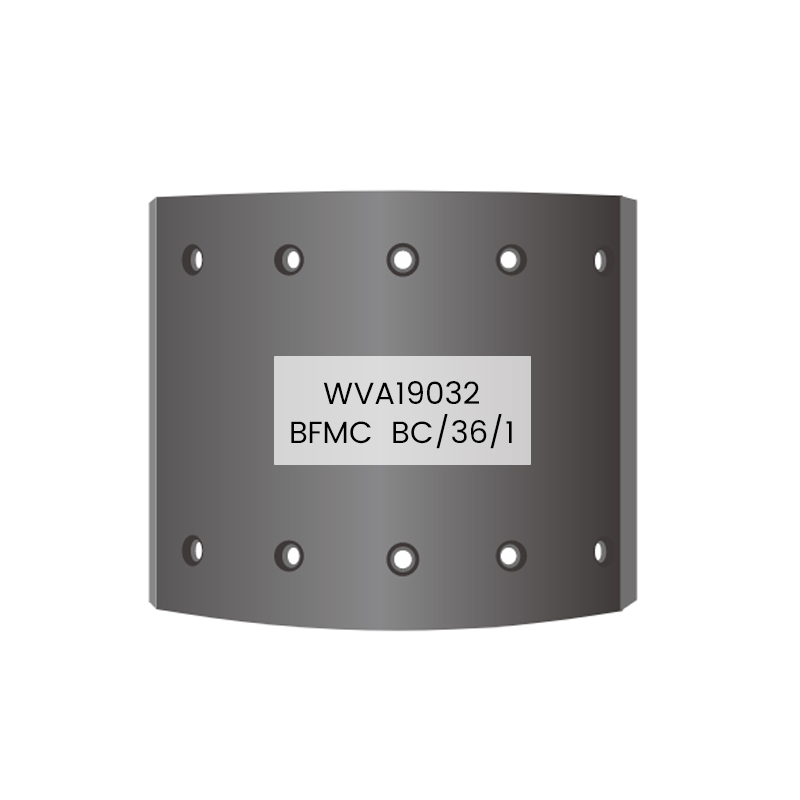
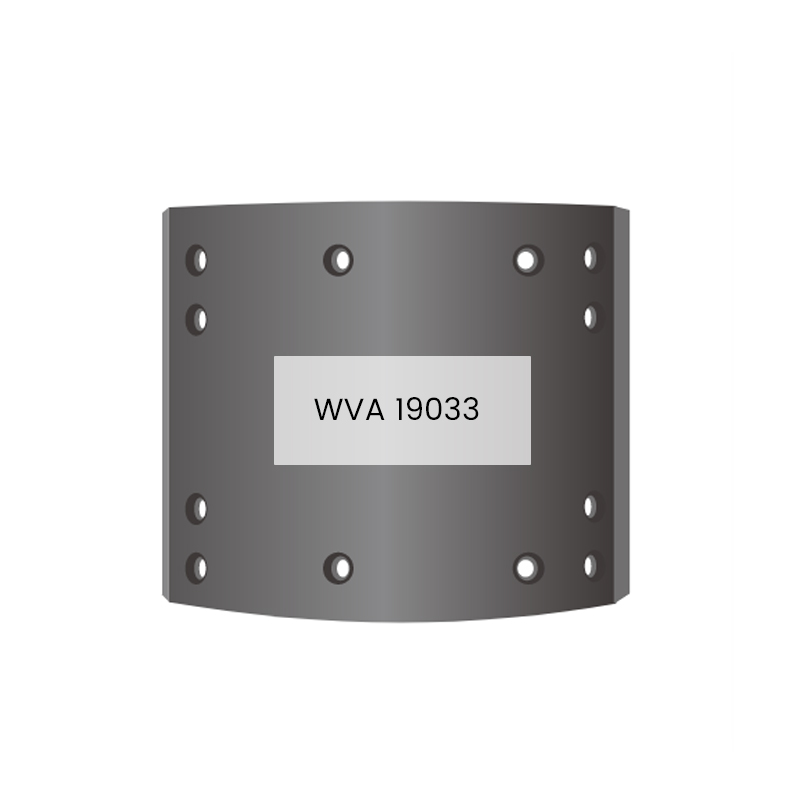
Brake lining is the consumable surface in braking systems that creates the necessary friction to convert kinetic energy into thermal energy, effectively slowing or stopping a vehicle. Positioned on the brake shoes or pads, the lining bears the brunt of extreme heat and mechanical stress. Modern linings are engineered to provide a consistent coefficient of friction across a wide range of temperatures, ensuring that the vehicle remains controllable during both routine commutes and emergency stops. Understanding the nuances of these materials is essential for maintaining vehicle safety and optimizing the lifespan of the entire braking assembly.
Classification of Brake Lining Materials
The evolution of brake lining has moved away from hazardous materials like asbestos toward sophisticated composite structures. Today, the industry categorizes linings based on their chemical composition and performance characteristics, allowing consumers and technicians to choose the right fit for specific driving conditions.
Non-Asbestos Organic (NAO) Linings
Organic linings are manufactured from a blend of fibers, resins, and fillers such as rubber, glass, and carbon. These materials are favored for their soft texture, which results in quieter operation and minimal wear on the brake drums or rotors. While they are ideal for everyday passenger vehicles, they may suffer from "brake fade" under high-load or high-heat scenarios due to their lower thermal thresholds.
Semi-Metallic and Ceramic Variants
Semi-metallic linings incorporate steel wool or copper filaments to enhance heat dissipation and durability. They are the standard for heavy-duty towing and performance driving. Conversely, ceramic linings use dense ceramic compounds and copper fibers to offer a premium balance of high-temperature stability, low noise, and minimal dust production, though they typically come at a higher price point.
Performance Matrix of Brake Lining Types
To better understand which lining suits a specific application, it is helpful to compare how different materials handle heat, noise, and wear. The following table highlights the trade-offs involved in material selection:
| Lining Type | Heat Tolerance | Noise Level | Dust Generation |
| Organic (NAO) | Low to Moderate | Very Low | Moderate |
| Semi-Metallic | High | Moderate to High | High |
| Ceramic | Very High | Low | Very Low |
Identifying Symptoms of Brake Lining Depletion
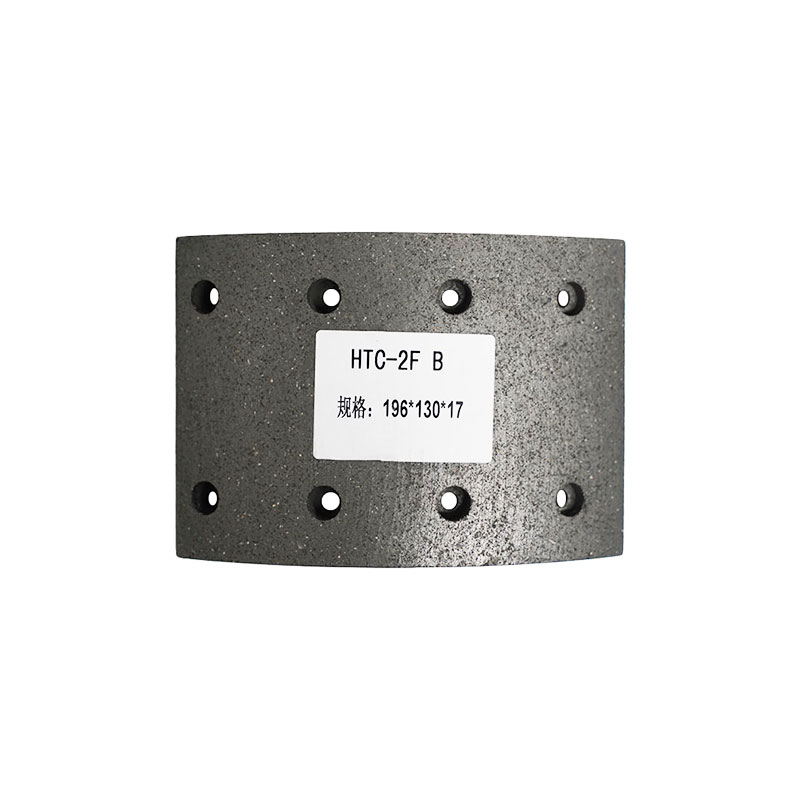
Because brake linings are designed to wear down over time, recognizing the physical and auditory signals of depletion is vital for preventing damage to more expensive components like the brake drum or rotor. Neglecting these signs can lead to "metal-on-metal" contact, which drastically reduces stopping power.
- High-pitched squealing caused by built-in wear indicators contacting the rotor.
- Grinding or growling noises indicating that the lining is completely exhausted.
- A noticeable increase in the distance required to bring the vehicle to a complete stop.
- Pulsation or vibration in the brake pedal, suggesting uneven lining wear or heat-related warping.
Maintenance and Installation Best Practices
To maximize the efficiency of new brake linings, proper installation and a "bedding-in" period are required. During installation, technicians must ensure that the backing plates are clean and that the sliding pins are properly lubricated. Failure to do so can cause the linings to drag, leading to premature glazing and reduced friction capability.
The Bedding-In Process
Bedding-in involves a series of controlled stops that gradually heat the linings, allowing a thin layer of friction material to transfer onto the rotor or drum surface. This transfer film is essential for smooth operation and prevents localized "hot spots" that can cause brake chatter. It is generally recommended to perform several moderate decelerations from 40 mph to 10 mph without coming to a full stop, allowing the system to cool slightly between each cycle.