 English
 中文简体
中文简体Content
The Critical Role of Brake Lining in Vehicle Safety
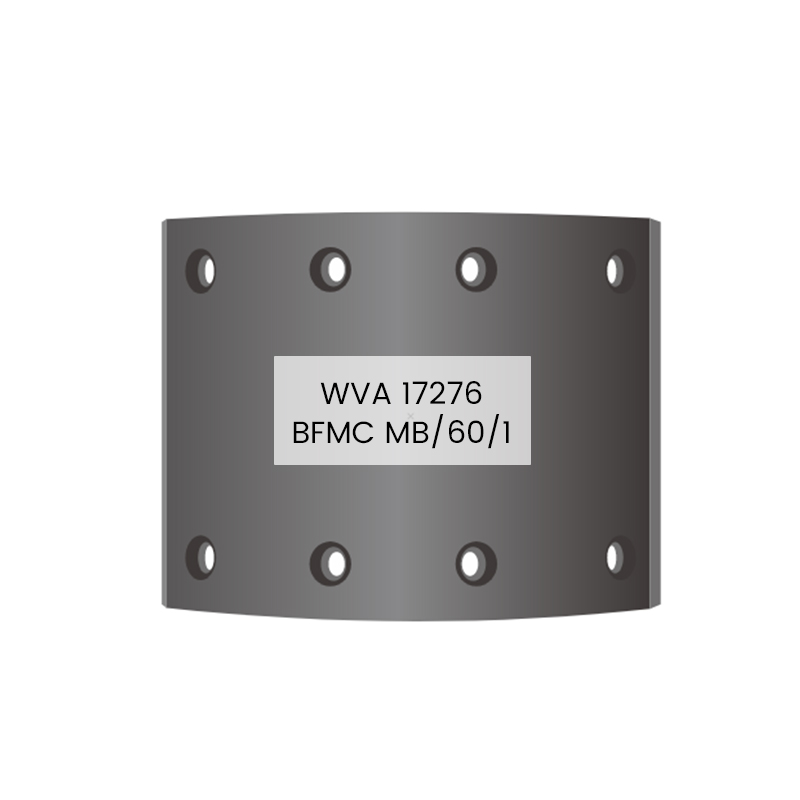
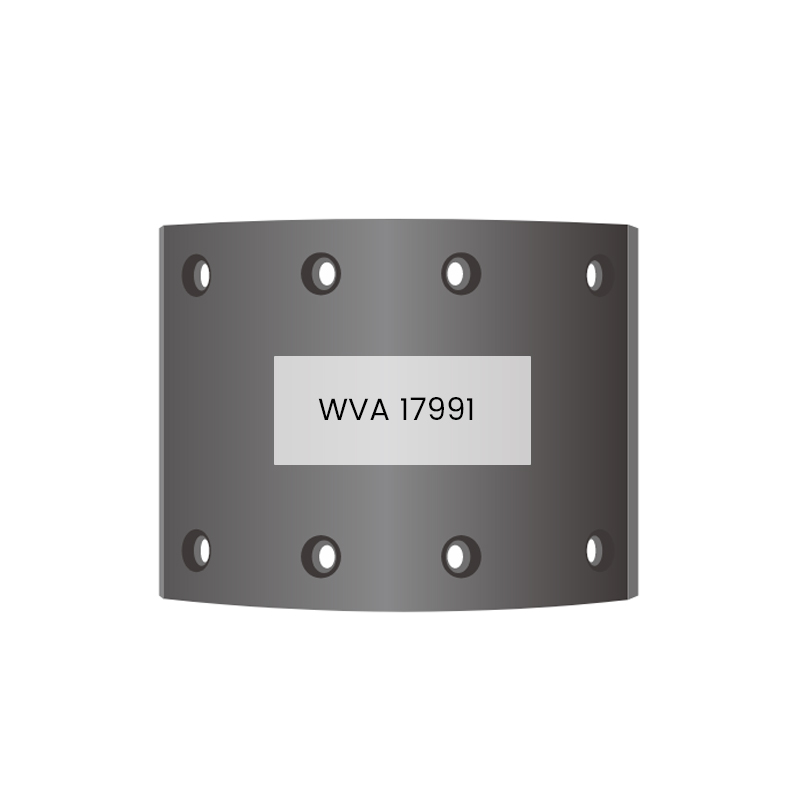
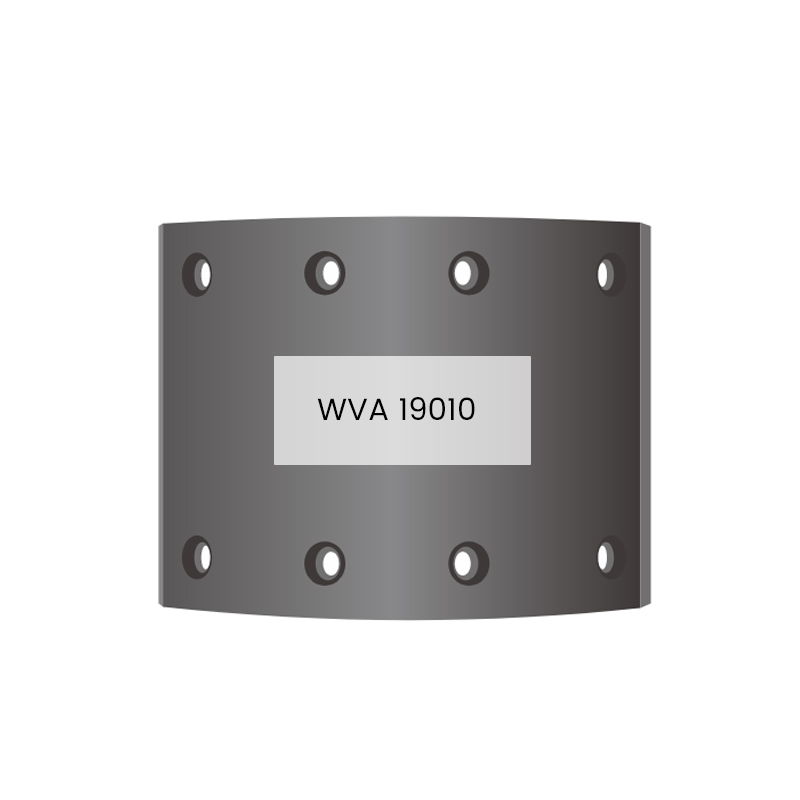
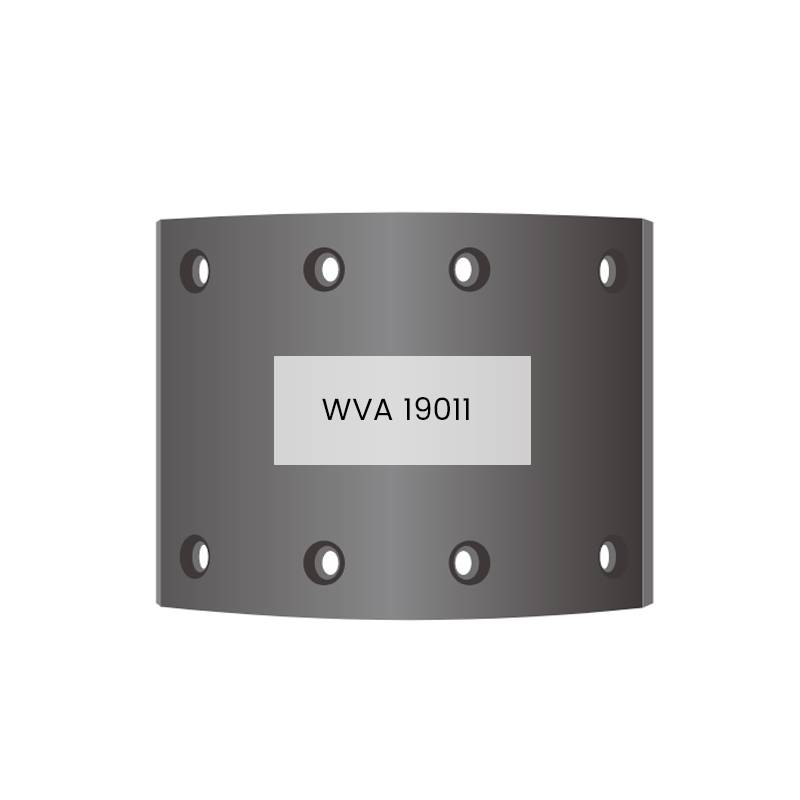
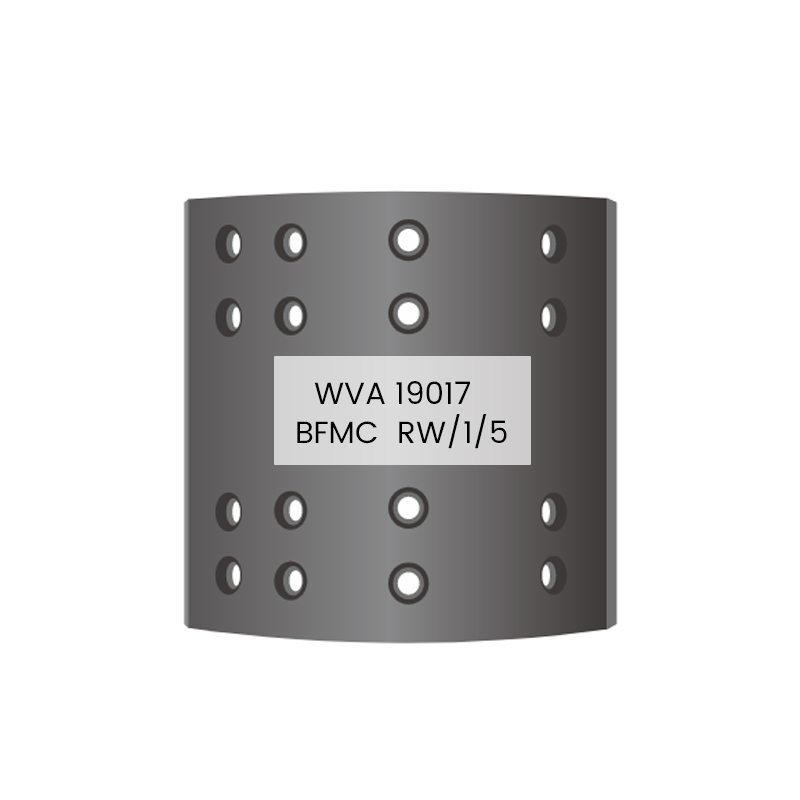
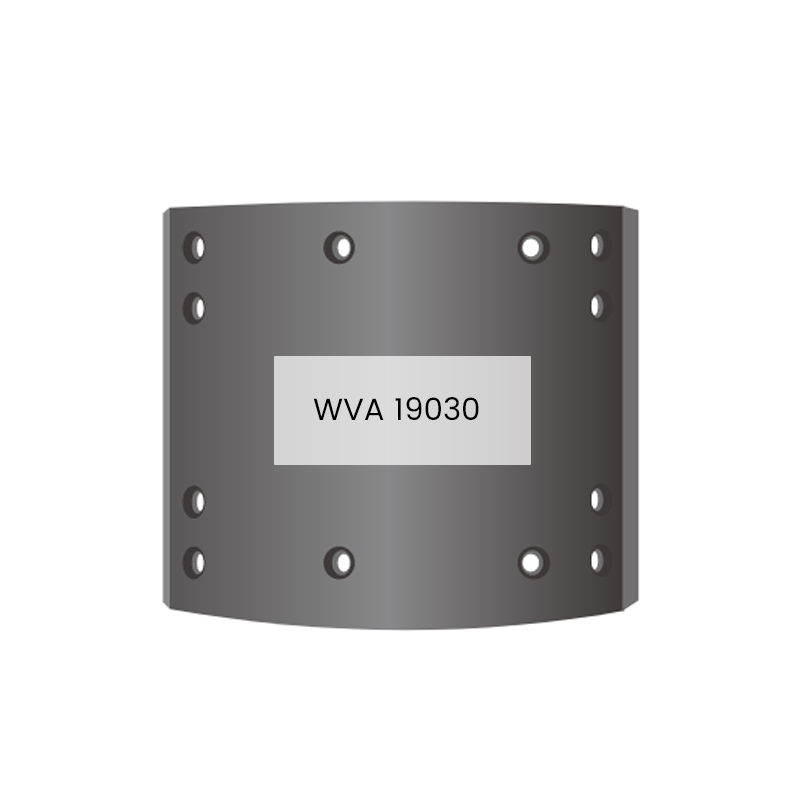
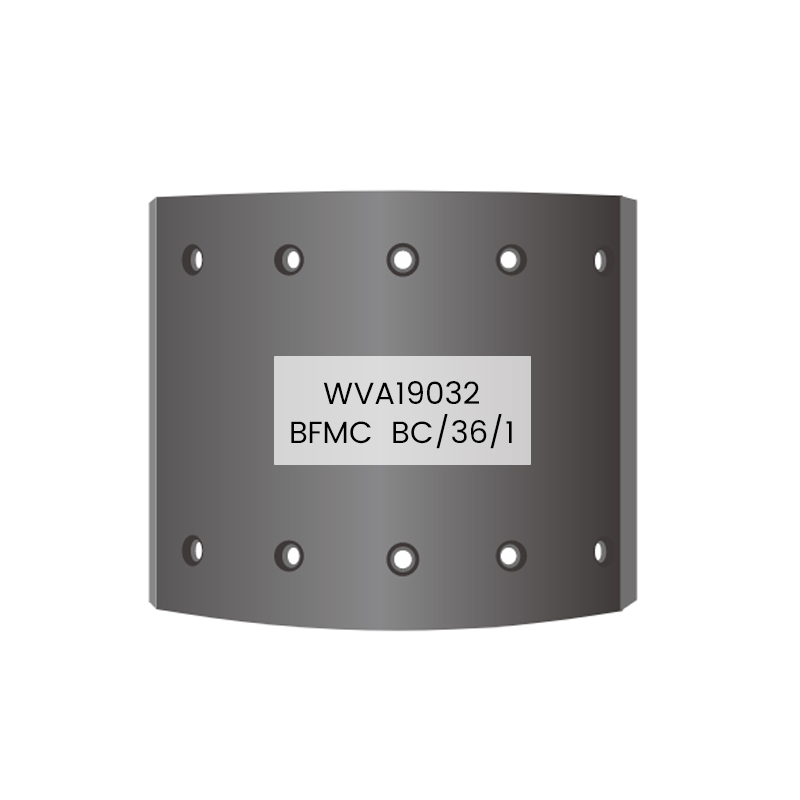
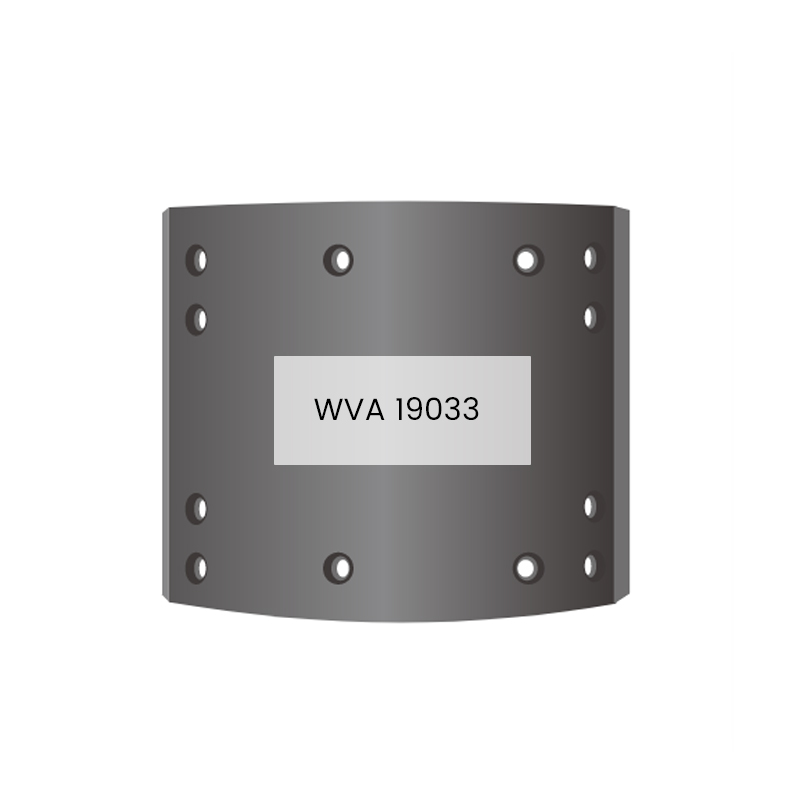
Brake lining is the consumable friction material attached to brake shoes or pads that creates the necessary resistance to stop a vehicle. When you depress the brake pedal, these linings are pressed against a rotating drum or disc. The resulting friction converts kinetic energy into thermal energy, effectively slowing the vehicle. Because this material is subject to extreme heat and mechanical stress, its composition and condition are the most vital factors in ensuring consistent braking distance and preventing brake fade during high-performance or emergency scenarios.
Classification of Brake Lining Materials
Modern engineering has moved away from hazardous asbestos-based linings toward safer, more durable synthetic compounds. Choosing the right material depends on the vehicle's weight, typical driving environment, and the desired balance between longevity and noise reduction.
Non-Asbestos Organic (NAO) Linings
Organic linings are composed of fibers, high-temperature resins, and fillers such as rubber, glass, or Kevlar. These are generally softer and quieter, making them ideal for everyday passenger vehicles. However, they tend to wear out faster than metallic alternatives and may struggle under the intense heat generated by heavy-duty towing or track racing.
Semi-Metallic and Sintered Linings
These linings contain a significant percentage of metal (steel, iron, or copper) mixed with graphite lubricants. They offer superior heat dissipation and are highly resistant to "fading," which occurs when heat buildup reduces friction levels. While they are the standard for trucks and performance cars, they are often noisier and can be more abrasive to the brake rotors or drums.
Key Performance Characteristics Comparison
Understanding how different brake linings react to environmental variables helps in selecting the appropriate replacement part. The following table summarizes the trade-offs between the three primary categories of friction materials used in the industry today.
| Material Type | Heat Tolerance | Noise Level | Dust Generation |
| Organic (NAO) | Low to Moderate | Very Low | Low |
| Semi-Metallic | High | Moderate to High | High |
| Ceramic | Very High | Extremely Low | Very Low |
Technical Indicators of Brake Lining Wear
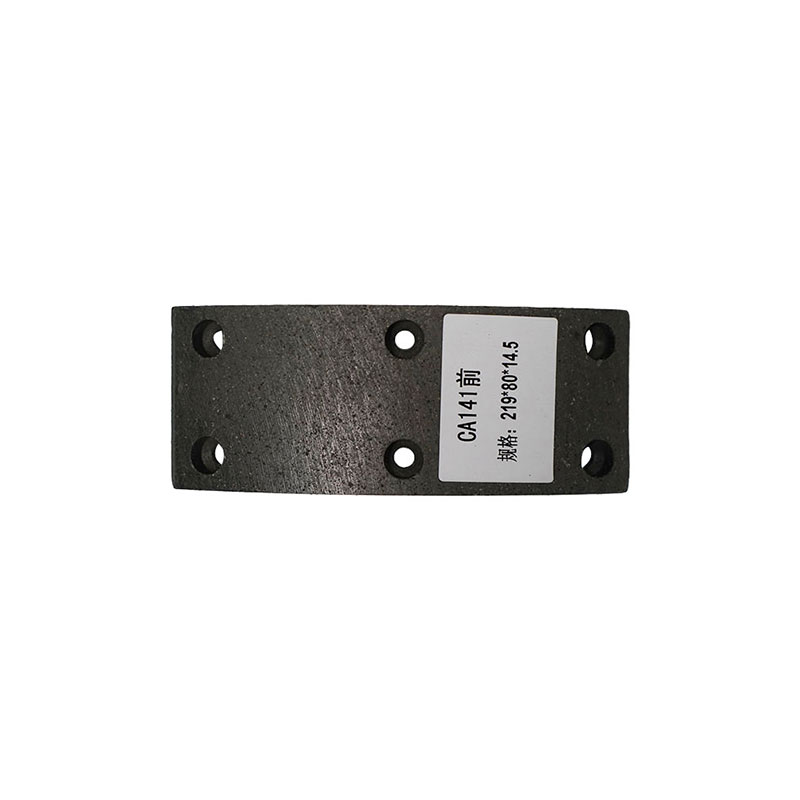
Brake linings are designed to wear down over time, but recognizing the signs of excessive thinning is crucial for preventing mechanical failure. Driving with depleted linings can lead to "metal-on-metal" contact, which destroys the more expensive drum or rotor components.
- High-pitched squealing caused by the wear indicator scraping the rotor.
- Reduced pedal responsiveness or a "spongy" feel during deceleration.
- Visible thinning of the lining material (usually less than 3mm requires immediate replacement).
- Vibration or pulsation in the steering wheel under braking load.
Maintenance and Bedding-In Procedures
When new brake linings are installed, they require a process known as "bedding-in" to ensure maximum contact area. This involves a series of controlled stops that transfer a thin layer of friction material from the lining onto the surface of the disc or drum. This transfer film stabilizes the friction coefficient and prevents uneven wear patterns. Proper maintenance also involves regular inspections for glazing, which occurs when the lining surface becomes smooth and glassy due to overheating, significantly reducing stopping power.