 English
 中文简体
中文简体Content
The Critical Role of Brake Lining in Vehicle Safety
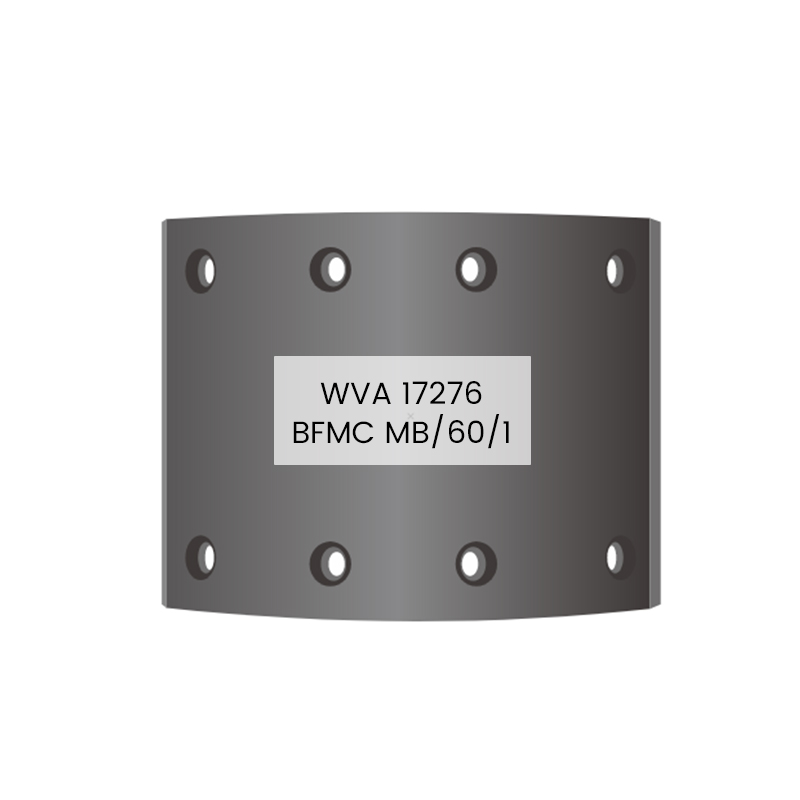
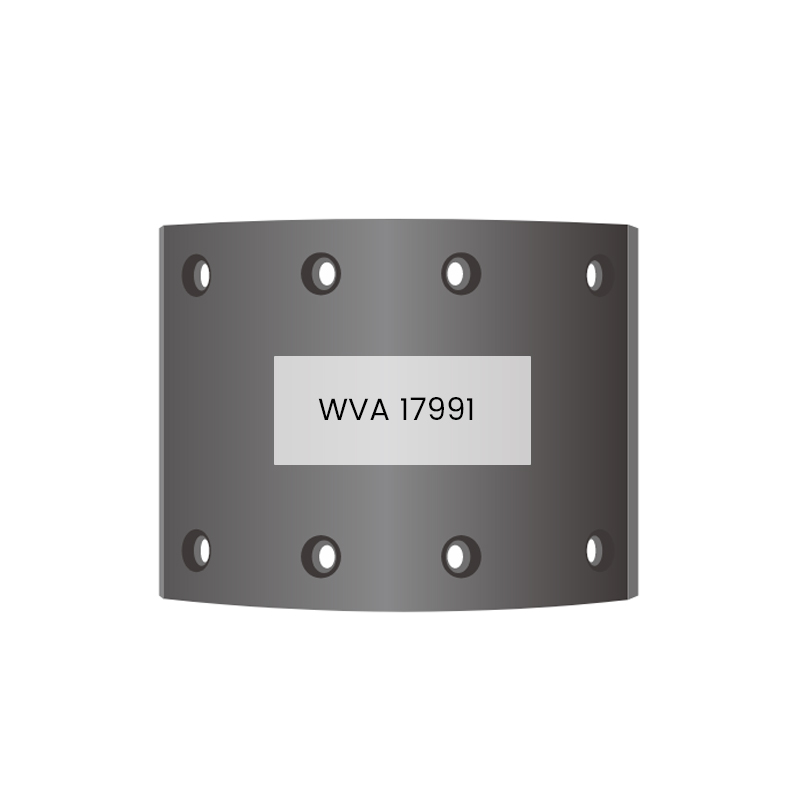
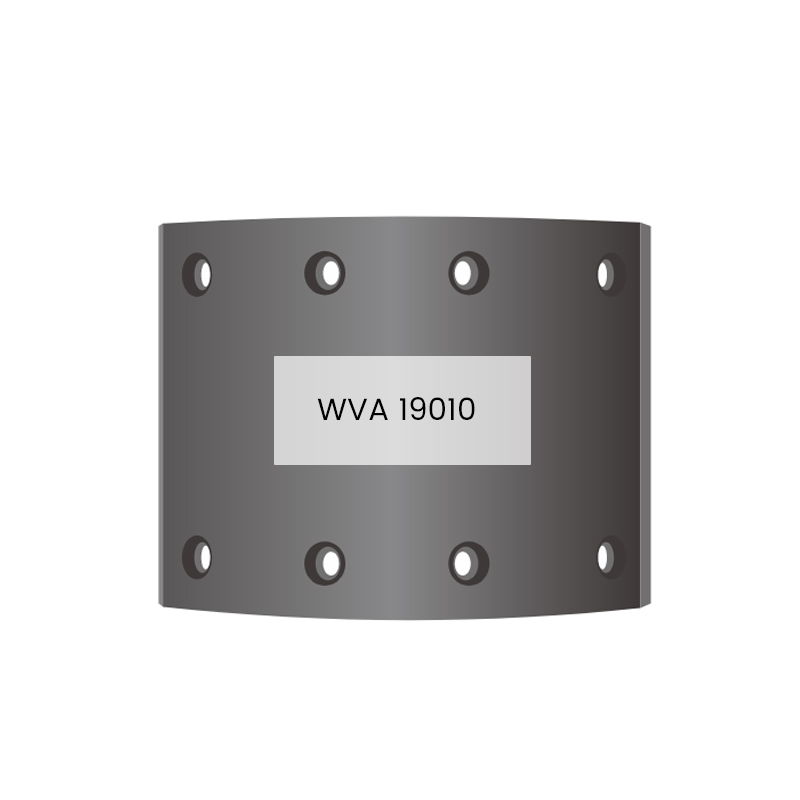
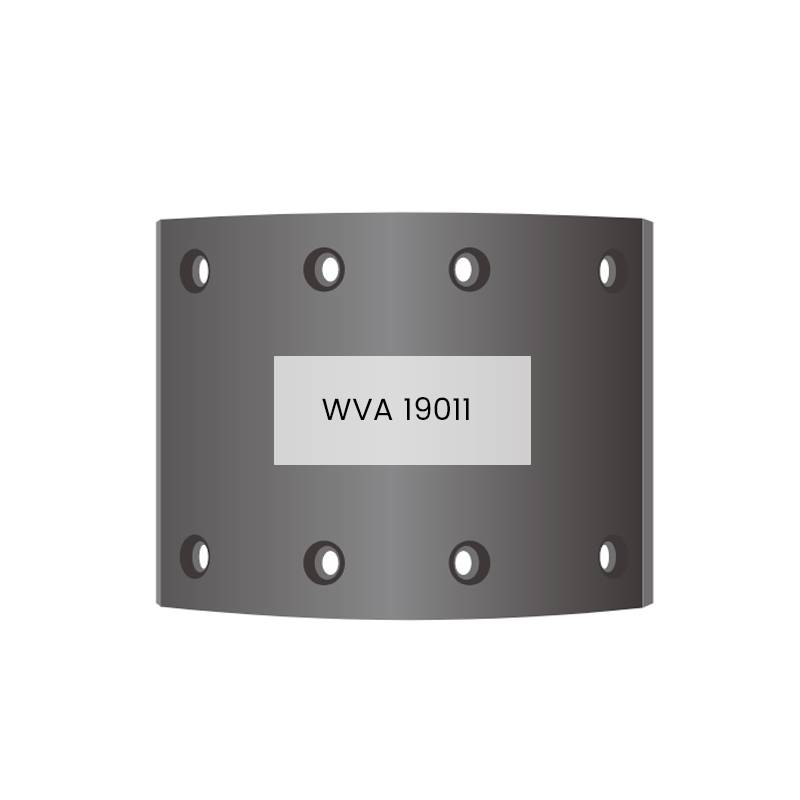
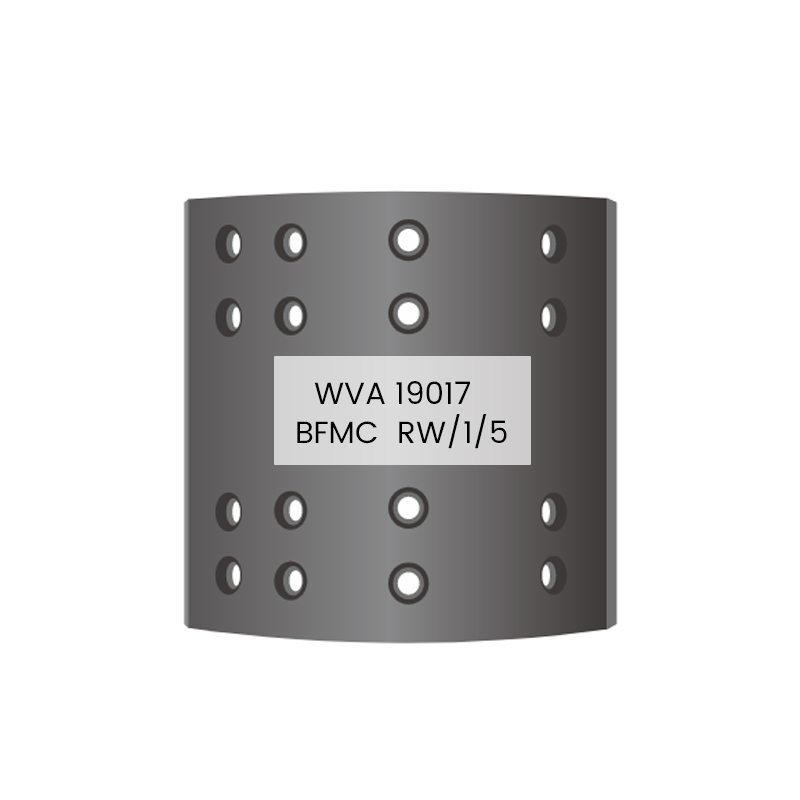
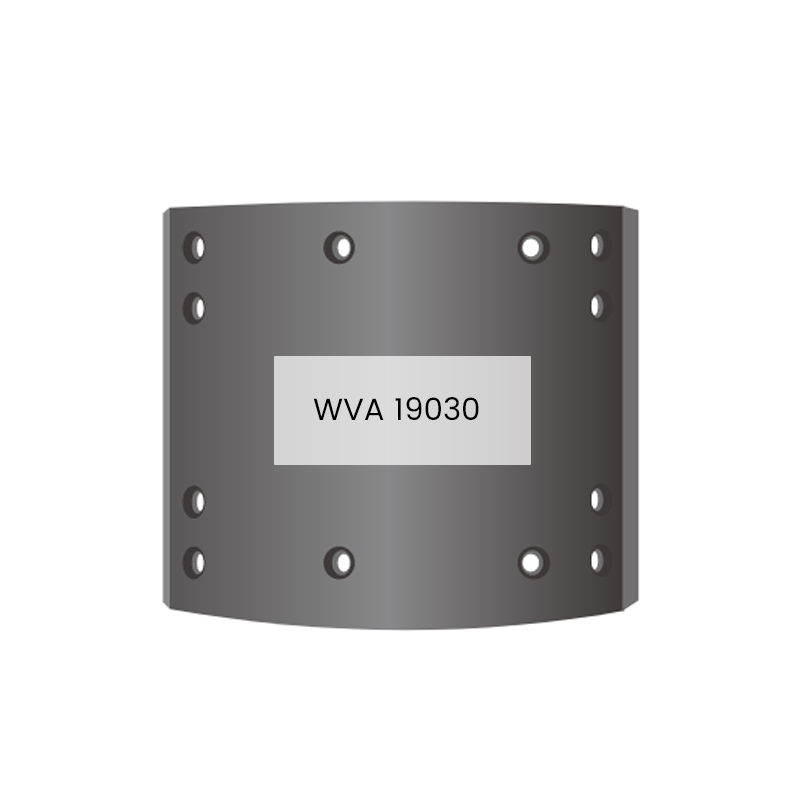
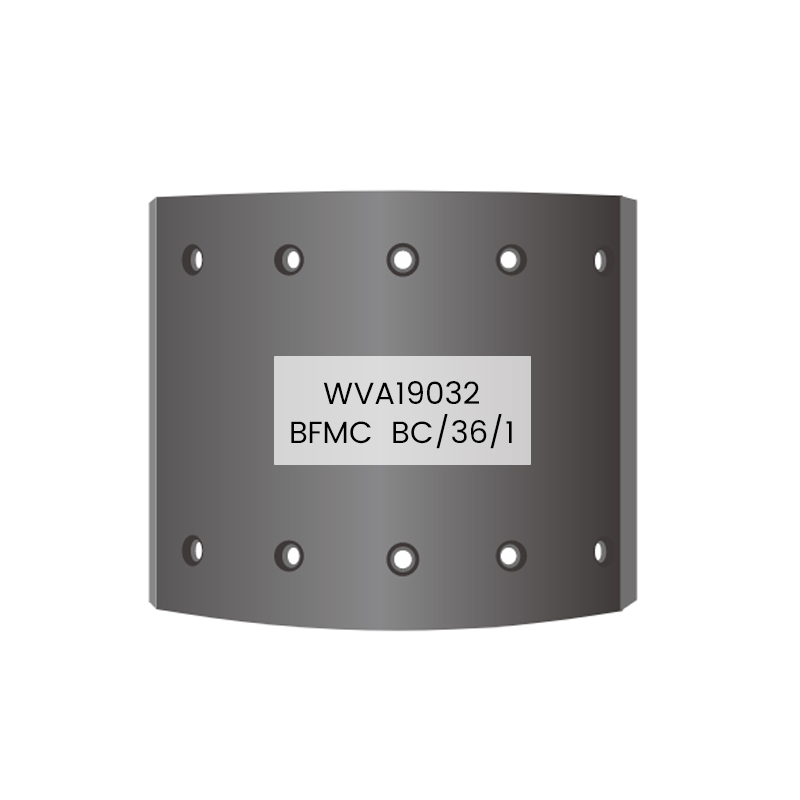
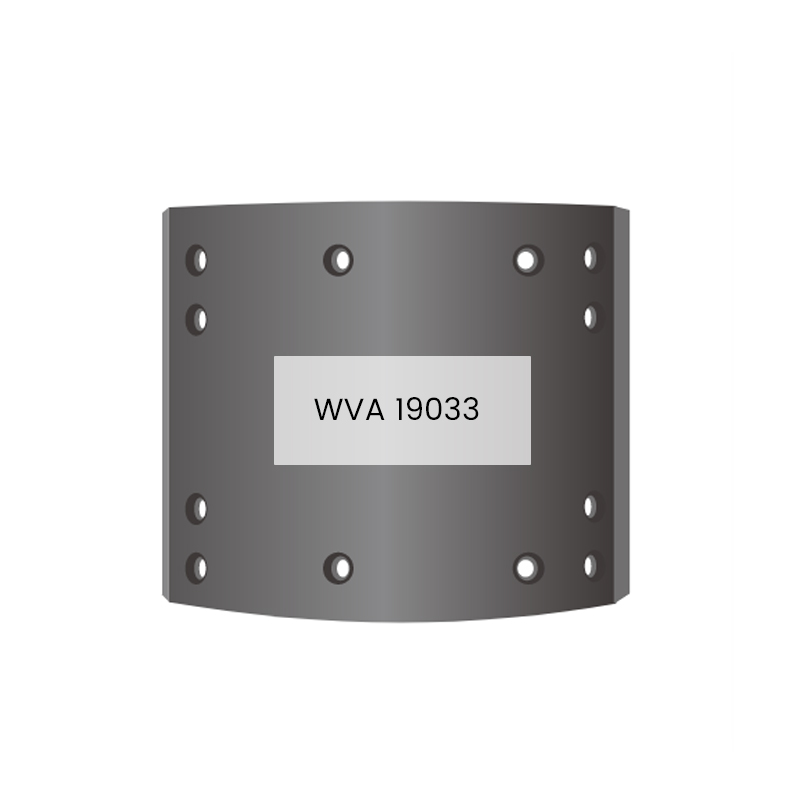
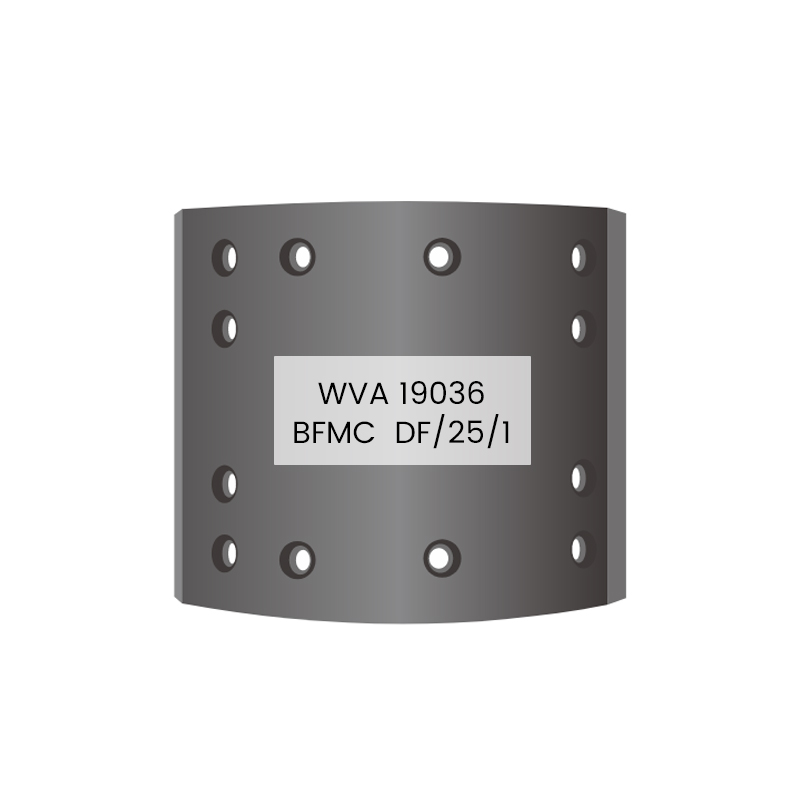
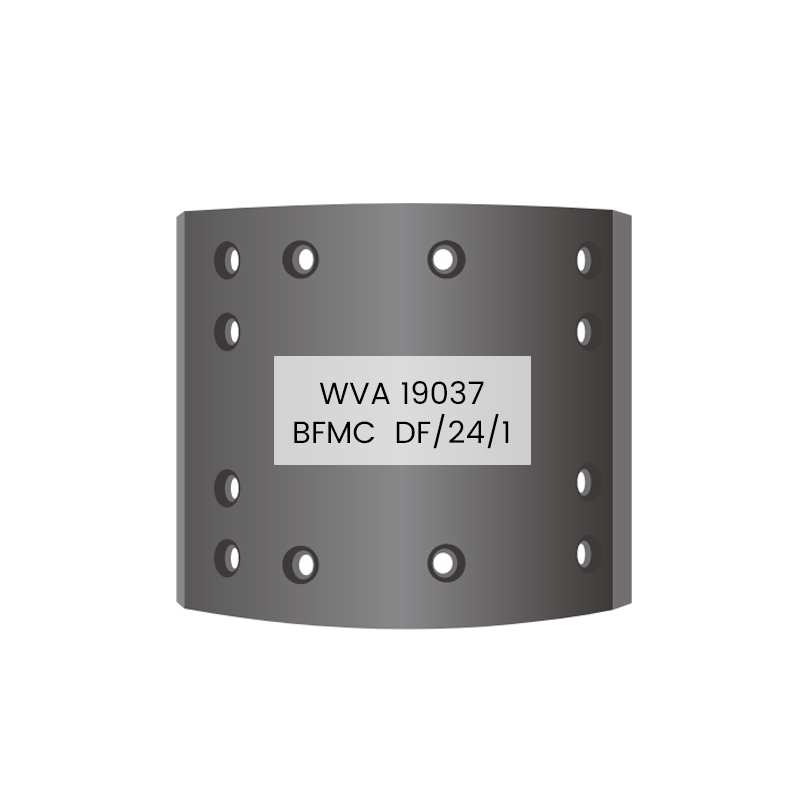
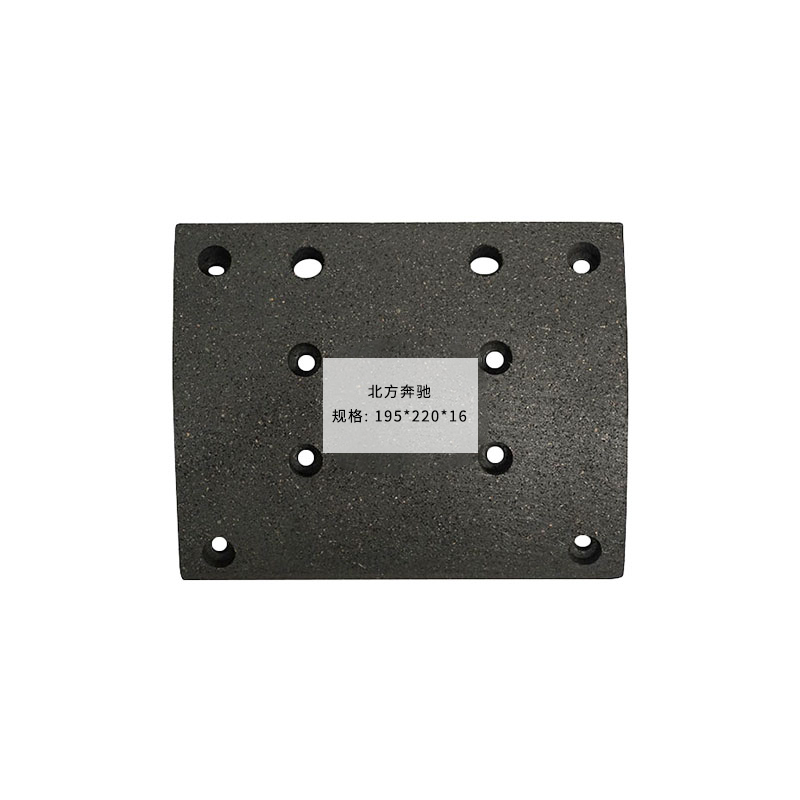
Brake lining is the consumable friction material attached to brake shoes or pads that interacts directly with the brake drum or rotor. Its primary function is to convert the kinetic energy of a moving vehicle into thermal energy through friction, effectively slowing or stopping the wheels. Because this material is subjected to extreme heat and pressure, its composition is engineered to withstand high temperatures without melting or breaking down rapidly. Choosing the right brake lining is not just a matter of mechanical fit; it is a vital safety decision that dictates stopping distance, noise levels, and the longevity of the entire braking system.
Heat Dissipation and Friction Stability
One of the most important characteristics of high-quality brake lining is its ability to maintain a consistent coefficient of friction across a wide range of temperatures. As brakes are applied, especially during heavy hauling or mountain driving, temperatures can soar. If the lining cannot dissipate this heat or begins to "glaze," the braking efficiency drops significantly—a phenomenon known as brake fade. Modern linings utilize sophisticated resins and metallic fibers to ensure that the grip remains steady even under intense thermal stress.
Comparison of Modern Brake Lining Materials
The automotive industry has transitioned away from hazardous materials like asbestos to safer, more durable alternatives. Each material type offers a different balance of performance, noise, and dust production. Understanding these differences helps in selecting the appropriate lining for specific driving conditions, whether for daily commuting or heavy-duty commercial transport.
| Lining Type | Pros | Cons |
| Non-Asbestos Organic (NAO) | Quiet, soft on rotors, low cost | Wears out faster, high dust |
| Semi-Metallic | Excellent heat transfer, durable | Noisy, wears rotors faster |
| Ceramic | Very quiet, low dust, long life | Expensive, poor extreme cold performance |
Key Indicators for Brake Lining Replacement
Monitoring the thickness and condition of your brake linings is essential for preventative maintenance. Waiting until the lining is completely worn down can result in "metal-on-metal" contact, which destroys drums and rotors and significantly increases stopping distances. Being proactive about inspection can save significant repair costs and prevent road accidents.
- Squealing or Chirping: Many linings include a small metal "wear indicator" that creates a high-pitched noise when the material gets too thin.
- Visible Thinning: If the friction material is less than 3mm (approx. 1/8 inch) thick, replacement is usually required immediately.
- Pulsating Pedal: If the lining has worn unevenly or suffered from heat spots, you may feel a vibration through the brake pedal.
- Dust Accumulation Changes: A sudden decrease or increase in brake dust on the wheels can indicate the lining material is breaking down.
Best Practices for Lining Longevity
The lifespan of brake lining is heavily influenced by driving habits and environment. To get the most out of your investment, it is important to practice techniques that minimize unnecessary friction and heat buildup. Proper "bedding-in" of new linings is also a crucial step often overlooked by DIY mechanics; this process involves a series of controlled stops to transfer a thin layer of lining material onto the rotor or drum, ensuring a smooth and effective contact patch.
Extending Component Life
Avoiding "two-foot driving" (resting a foot on the brake pedal) and practicing engine braking when descending long hills are two of the most effective ways to preserve brake lining. Additionally, keeping the braking system clean and ensuring that calipers or wheel cylinders are not sticking will prevent the lining from dragging against the friction surface when the brakes are not engaged. Regular inspections during tire rotations are the best way to catch uneven wear patterns early.