 English
 中文简体
中文简体Content
- 1 Why European Vehicle Brake Lining Deserves More Attention Than You Think
- 2 The Main Types of Brake Lining Materials You'll Encounter
- 3 Signs Your Brake Lining Is Wearing Out
- 4 How to Choose the Right European Vehicle Brake Lining
- 5 Comparing Brake Lining Types at a Glance
- 6 Installation and Maintenance Tips That Extend Lining Life
- 7 What European Vehicle Brake Lining Replacement Typically Costs
- 8 Final Thoughts on Keeping Your Braking System in Top Shape
Why European Vehicle Brake Lining Deserves More Attention Than You Think
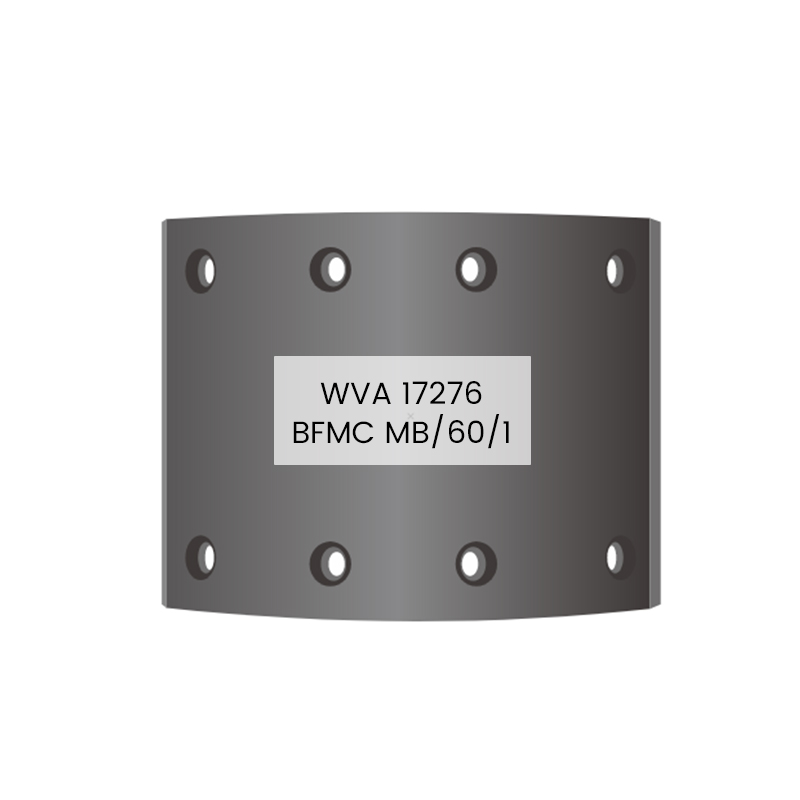
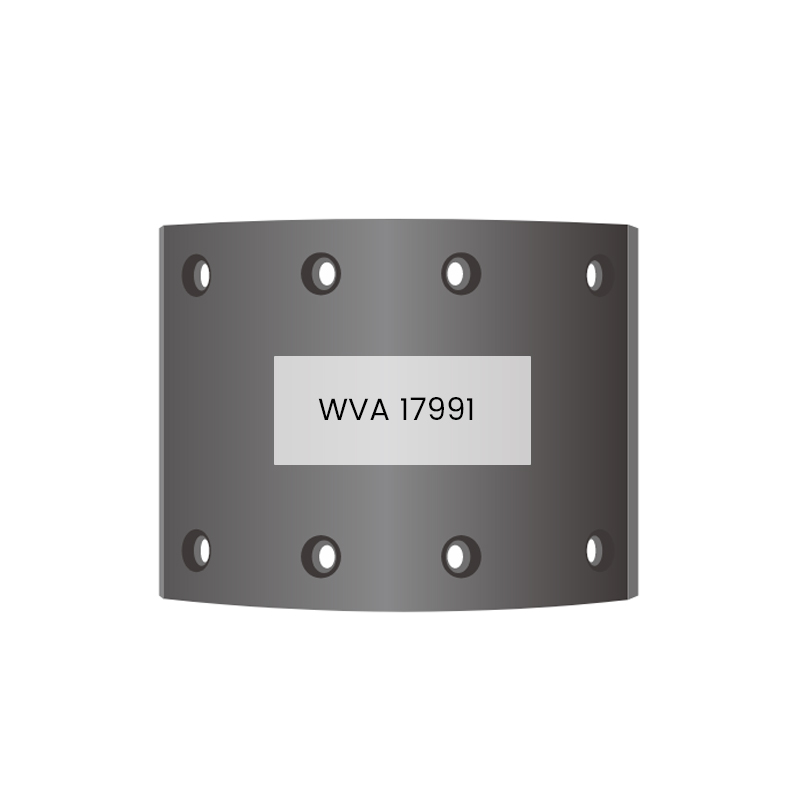
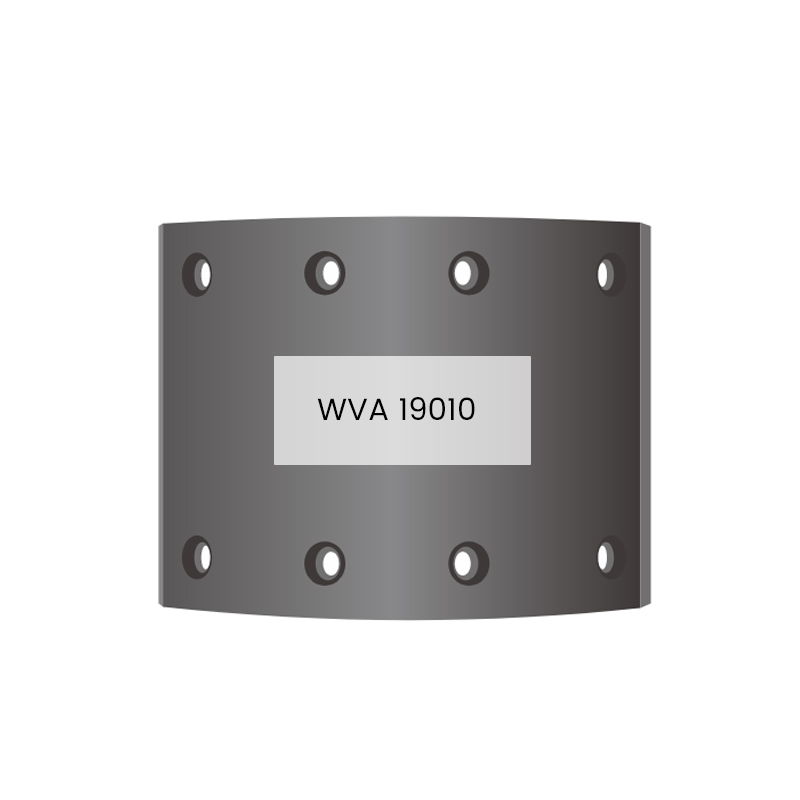
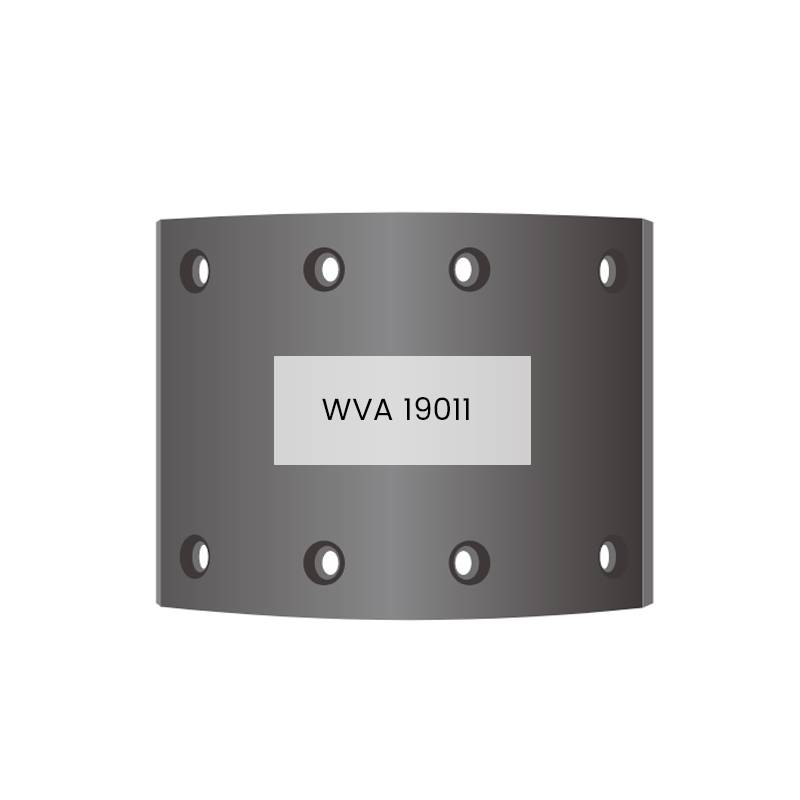
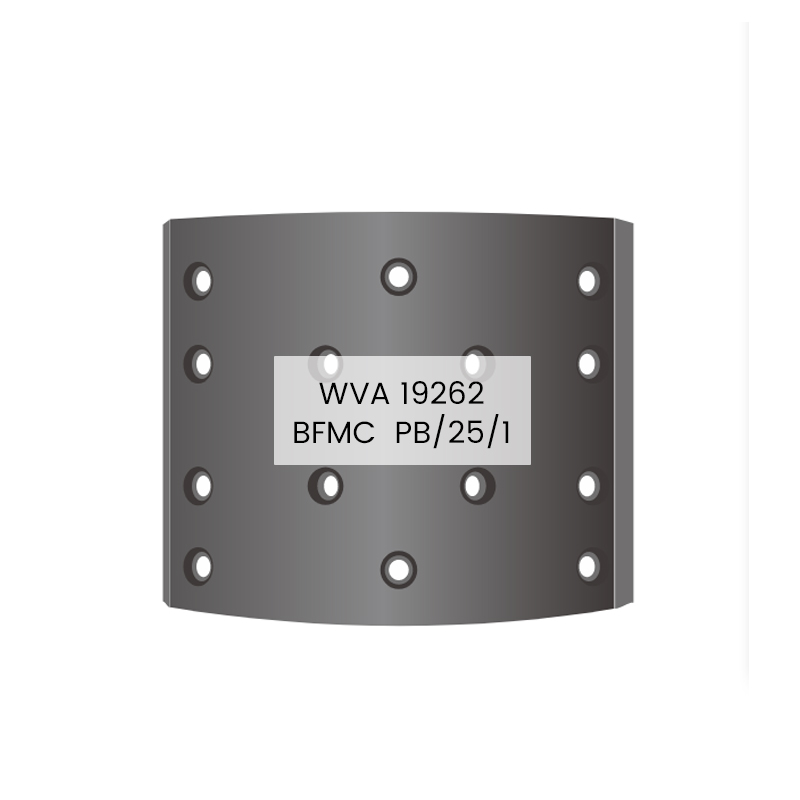
If you drive a European car, whether it's a German sedan, an Italian hatchback, or a French crossover, the brake lining hidden behind your wheels is doing more work than most drivers realize. European vehicle brake lining is the friction material bonded or riveted to the brake pad backing plate, and it's the actual surface that presses against the rotor to slow your car down. Unlike generic replacement parts, European vehicle brake lining is often engineered to match tighter tolerances, higher speed ratings, and the specific driving culture of European roads, which frequently include autobahns, mountain passes, and dense city traffic. Understanding how this component works, when it wears out, and how to choose the right one can save you money, protect your safety, and extend the life of your entire braking system.
The Main Types of Brake Lining Materials You'll Encounter
Not all brake lining is created equal, and European vehicle brake lining typically falls into a few well-known categories, each with its own strengths and trade-offs. Knowing the differences helps you make an informed choice instead of just grabbing the cheapest box off the shelf.
Organic Brake Lining
Organic linings are made from a blend of fibers, rubber, and resins. They are quiet, gentle on rotors, and affordable, which makes them common on smaller European city cars. The downside is that they wear faster and can lose effectiveness under sustained high heat, such as during a long mountain descent.
Semi-Metallic Brake Lining
Semi-metallic linings mix organic materials with metal fibers like steel or copper. This gives them better heat resistance and stronger stopping power, which is why they show up frequently on performance-oriented European vehicle brake lining kits for sedans and SUVs that are driven at higher speeds.
Ceramic Brake Lining
Ceramic linings are the premium option, prized for low dust, quiet operation, and consistent performance across a wide temperature range. Many European luxury brands now specify ceramic-based European vehicle brake lining as factory equipment because it protects expensive alloy wheels from brake dust buildup while still delivering strong braking response.
Signs Your Brake Lining Is Wearing Out
Brake lining doesn't fail overnight. It wears down gradually, and your car usually gives you warning signs long before things become dangerous. Catching these signs early means a simple pad replacement instead of an expensive rotor and caliper repair.
- A high-pitched squeal when braking, which is often the built-in wear indicator scraping against the rotor
- A grinding or metal-on-metal sound, meaning the lining has worn through completely
- Longer stopping distances than usual, especially noticeable on highways
- A soft or spongy brake pedal that requires more pressure than normal
- Visible thinning of the lining material when inspected through the wheel spokes
- A dashboard brake warning light, common on many European models equipped with electronic wear sensors
How to Choose the Right European Vehicle Brake Lining
Choosing replacement brake lining isn't just about fitting the correct size. It's about matching the material and performance rating to how you actually drive and where you drive. A car used mainly for city commuting has very different needs than one regularly taken on long, high-speed highway trips or through hilly terrain.
Match It to Your Driving Style
If most of your driving involves stop-and-go city traffic, a ceramic or organic European vehicle brake lining will keep things quiet and clean. If you frequently drive at higher speeds or carry heavier loads, semi-metallic lining offers the extra heat tolerance you need to avoid brake fade.
Stick with OE or OE-Equivalent Specifications
European manufacturers often design their braking systems around very specific friction coefficients. Using OE-spec or OE-equivalent European vehicle brake lining helps preserve the pedal feel, ABS calibration, and rotor wear pattern the engineers originally intended, whereas mismatched aftermarket lining can cause uneven wear or a spongy pedal feel.
Comparing Brake Lining Types at a Glance
The table below summarizes how the three main types of European vehicle brake lining compare across the factors that matter most to everyday drivers.
| Lining Type | Noise Level | Dust Production | Heat Resistance | Typical Lifespan |
| Organic | Very quiet | Low | Moderate | 20,000–35,000 km |
| Semi-Metallic | Moderate | Moderate to high | High | 35,000–55,000 km |
| Ceramic | Quiet | Very low | High | 45,000–65,000 km |
Installation and Maintenance Tips That Extend Lining Life
Buying good European vehicle brake lining is only half the equation. Proper installation and ongoing maintenance play just as large a role in how long the lining lasts and how well it performs.
- Always replace pads in axle pairs, never just one side, to keep braking balanced
- Have rotors resurfaced or replaced if they are scored, warped, or below minimum thickness
- Bed in new lining properly with a series of gentle stops before heavy braking
- Clean and lubricate caliper slide pins during every pad change to prevent uneven wear
- Inspect lining thickness every 10,000 to 15,000 kilometers, especially before long trips
What European Vehicle Brake Lining Replacement Typically Costs
Costs vary widely depending on the brand of vehicle, the lining material chosen, and whether you use a dealership or an independent mechanic. Organic lining tends to be the most budget-friendly option, while ceramic lining sits at the premium end due to its longer lifespan and cleaner performance. Labor costs for European vehicle brake lining replacement are often slightly higher than for mainstream brands because of specialized tools, electronic parking brake resets, or sensor recalibration required on many newer models. Factoring in both parts and labor before booking a service appointment helps avoid surprises and allows you to compare quotes fairly between shops.
Final Thoughts on Keeping Your Braking System in Top Shape
Brake lining might be a small part hidden behind the wheel, but it plays an outsized role in your safety, comfort, and long-term repair costs. By understanding the different types of European vehicle brake lining, recognizing early warning signs of wear, and choosing a lining that matches your driving habits, you can keep your car stopping smoothly and confidently for years to come. Regular inspection paired with quality replacement parts is one of the simplest ways to protect both your vehicle and everyone who rides in it.