 English
 中文简体
中文简体Content
- 1 What a Brake Shoe Actually Does in Your Braking System
- 2 Drum Brake Shoe vs. Brake Pad: Understanding the Difference
- 3 Brake Shoe Friction Lining Materials and What They Mean for Performance
- 4 Warning Signs That Your Brake Shoes Need Attention
- 5 How Long Do Brake Shoes Last and What Affects Their Lifespan
- 6 What to Check When Replacing Brake Shoes
- 7 How to Choose the Right Replacement Brake Shoes
- 8 Bedding In New Brake Shoes After Installation
What a Brake Shoe Actually Does in Your Braking System
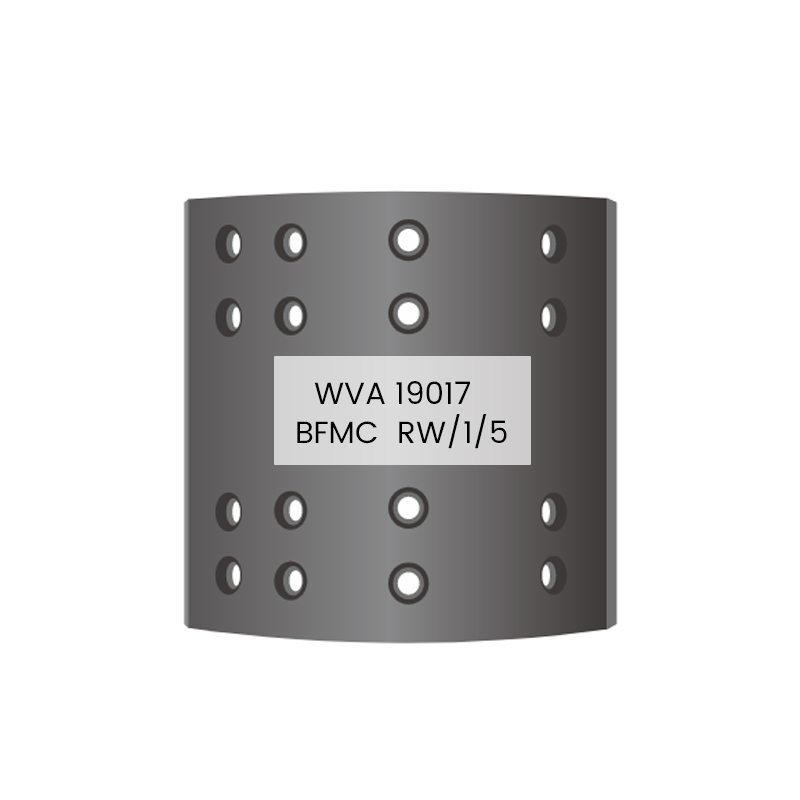
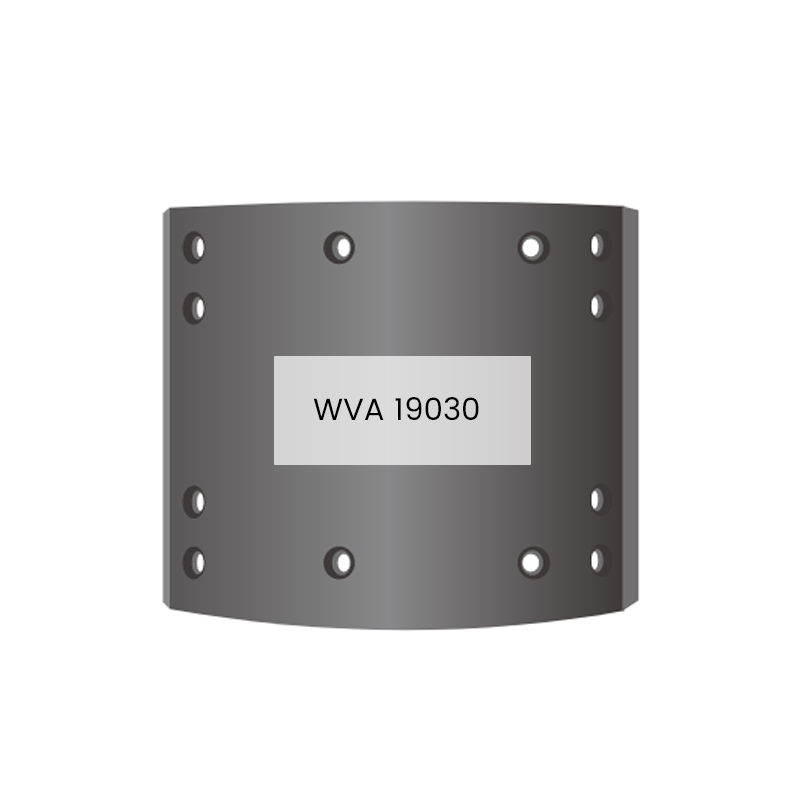
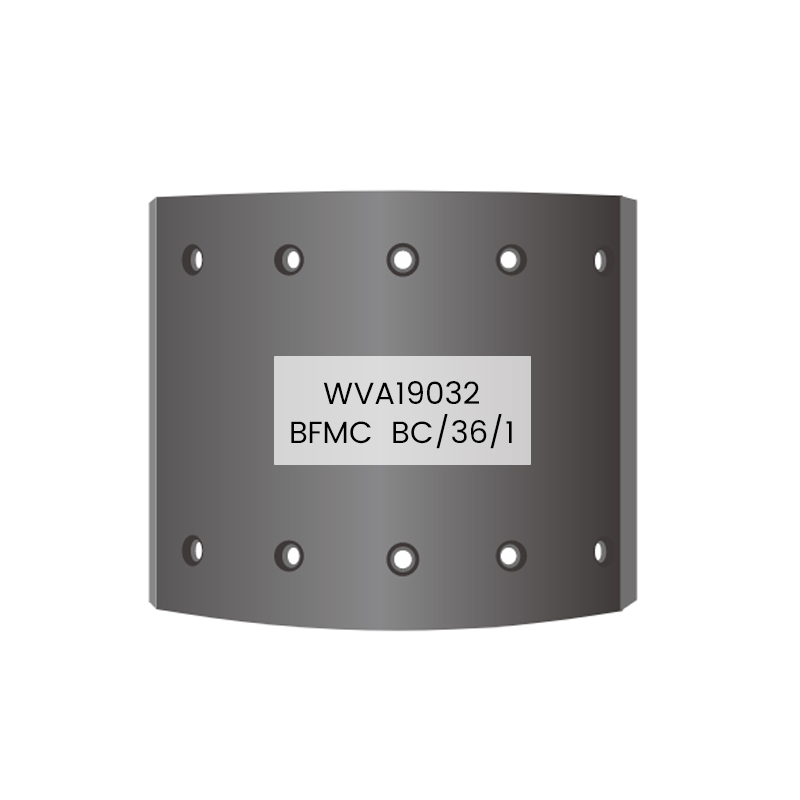
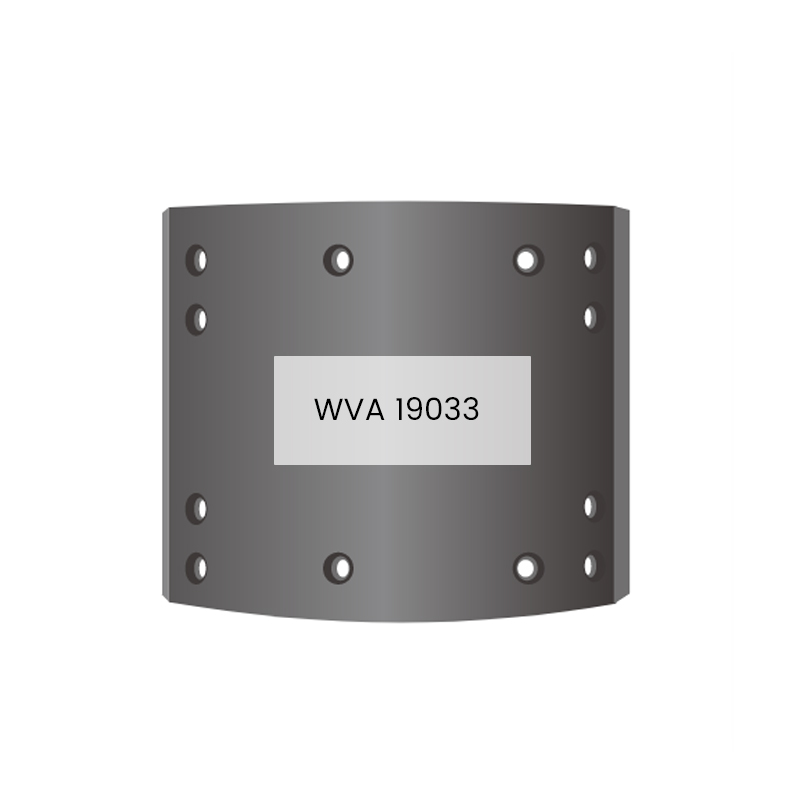
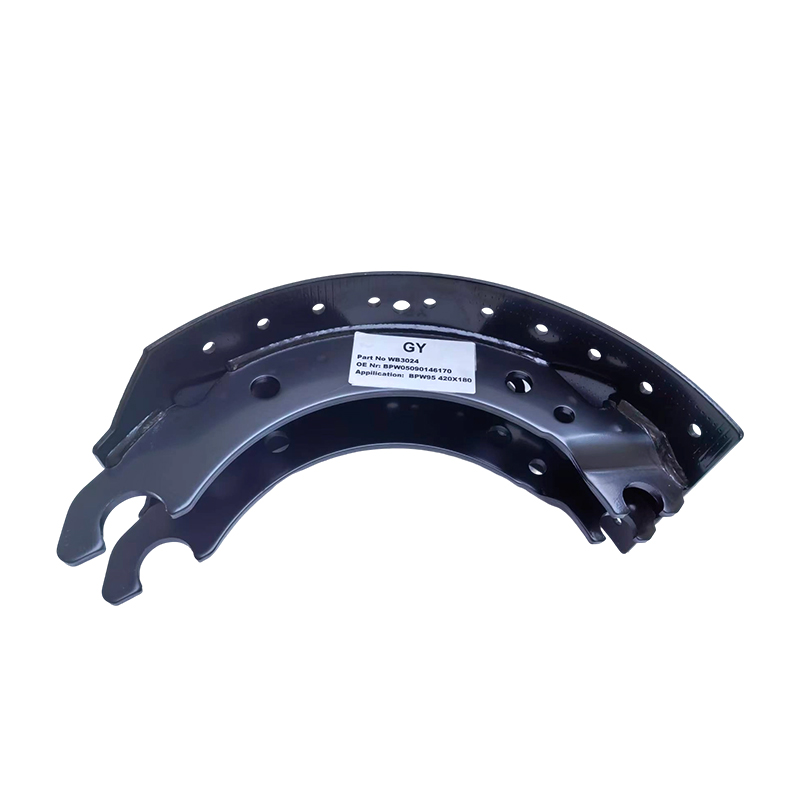
A brake shoe is the curved friction component inside a drum brake assembly that presses outward against the inner surface of a rotating brake drum to slow or stop a vehicle. When you press the brake pedal, hydraulic pressure from the wheel cylinder pushes the brake shoes outward, creating friction against the drum. This friction converts kinetic energy into heat, decelerating the wheel. The entire stopping force at the rear axle of millions of cars, trucks, trailers, and motorcycles depends on this simple but precisely engineered contact.
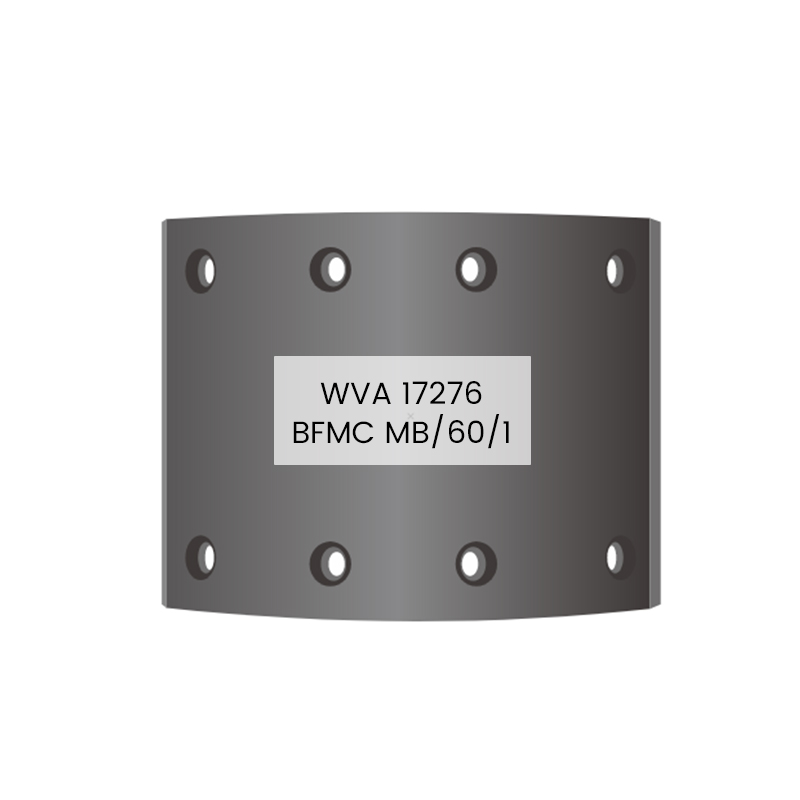
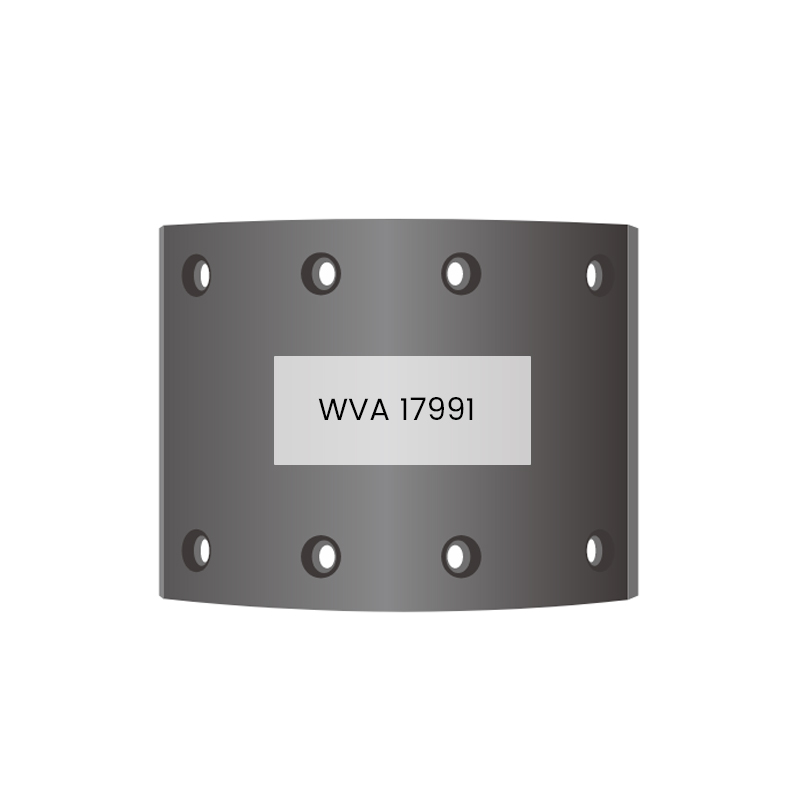
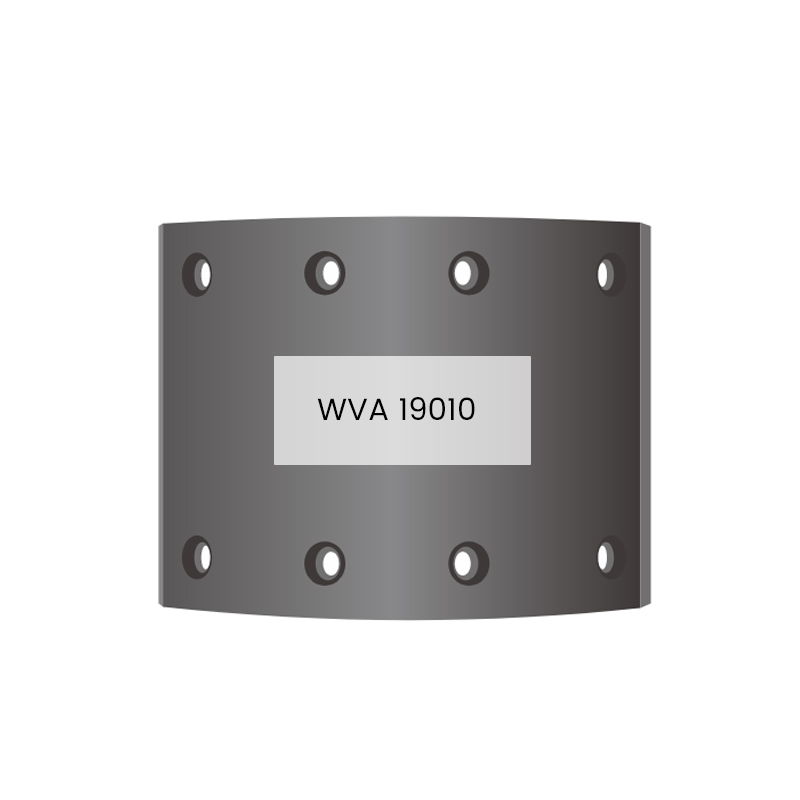
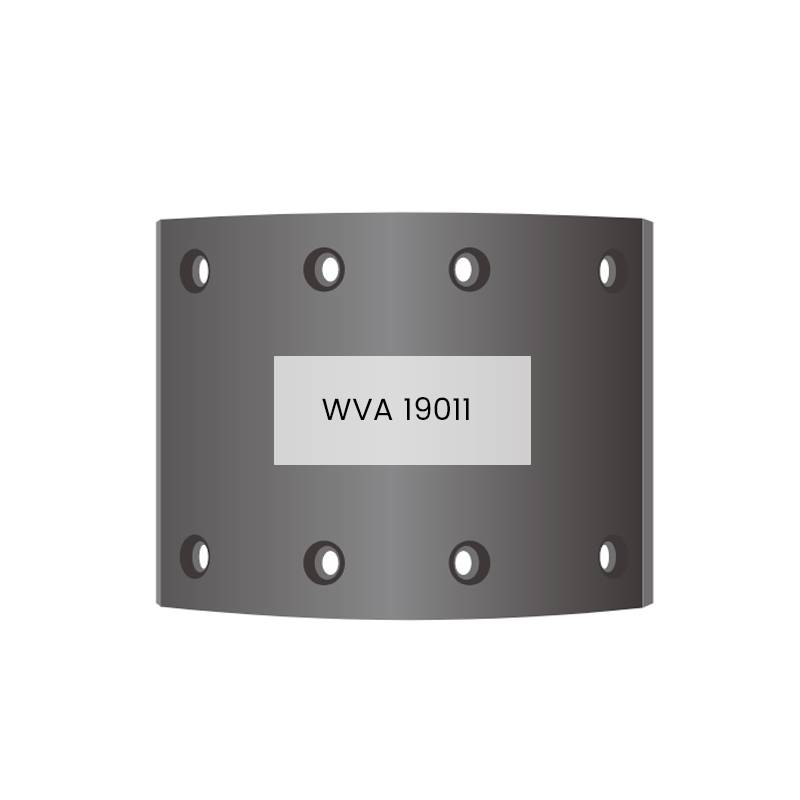
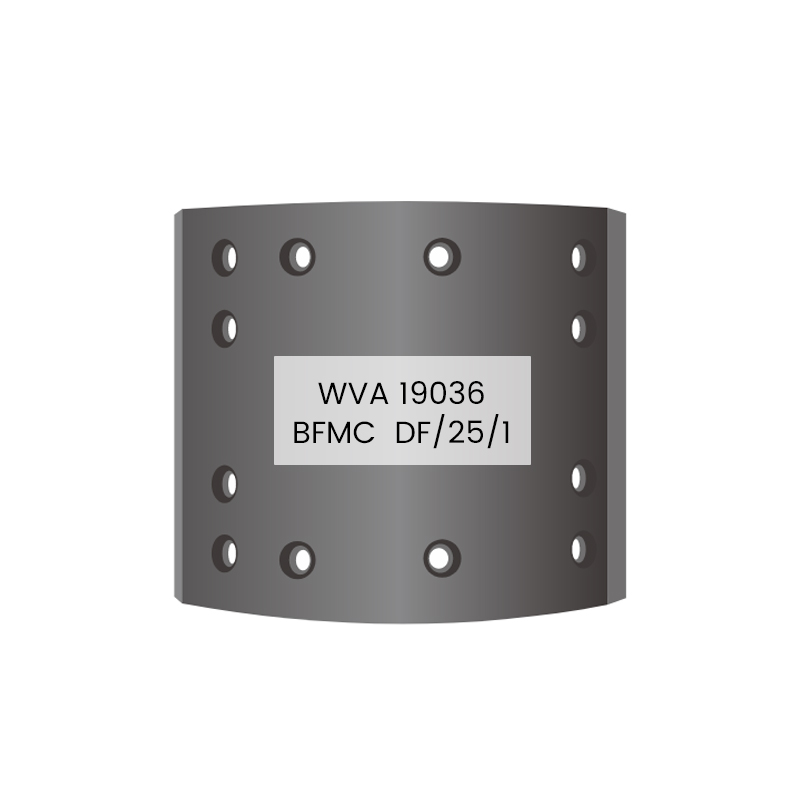
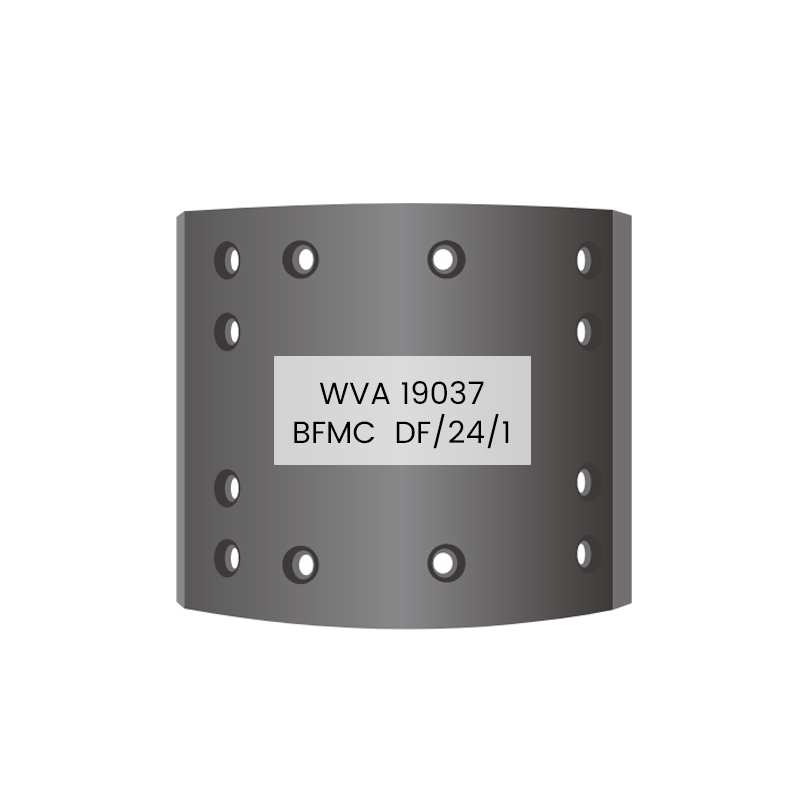
Each brake shoe consists of two main parts: a rigid curved metal table (the web and rim), typically made from stamped or cast steel, and a friction lining bonded or riveted to its outer face. The lining material is what makes direct contact with the drum. It must withstand extreme temperature cycles — often exceeding 300°C (572°F) under hard braking — while maintaining consistent friction characteristics and resisting glazing, cracking, and premature wear.
Drum brake systems use two shoes per wheel, and their roles differ depending on the vehicle's rotation direction. The primary shoe (leading shoe) faces the direction of drum rotation and typically generates more braking force through a self-energizing effect — where drum rotation helps drag the shoe tighter into contact. The secondary shoe (trailing shoe) faces away from rotation and relies more fully on hydraulic pressure. Some drum brake designs, such as dual-servo configurations, use this self-energizing effect even more aggressively to multiply braking force with minimal pedal effort.
Drum Brake Shoe vs. Brake Pad: Understanding the Difference
Brake shoes and brake pads are both friction components, but they operate in fundamentally different brake system designs and are not interchangeable. Confusing the two is a common mistake, especially for vehicle owners transitioning between older and newer vehicles.
| Feature | Brake Shoe (Drum Brake) | Brake Pad (Disc Brake) |
|---|---|---|
| Shape | Curved arc, matches drum interior | Flat rectangle, matches rotor face |
| Contact Surface | Inner surface of drum | Both flat faces of rotor |
| Actuation Direction | Expands outward | Clamps inward (caliper) |
| Self-Energizing Effect | Yes (leading shoe) | No |
| Heat Dissipation | Enclosed drum, slower cooling | Open rotor, faster cooling |
| Common Position | Rear axle (most passenger cars) | Front axle (all); rear (many modern cars) |
| Parking Brake Integration | Straightforward, built-in | Requires separate mechanism |
Drum brakes with brake shoes remain standard on the rear axles of many economy cars, light trucks, trailers, agricultural equipment, and heavy commercial vehicles. Their enclosed design makes them naturally resistant to water and debris ingress, and their self-energizing geometry makes them mechanically efficient for parking brake functions — which is why even vehicles with rear disc brakes often include small drum-style "hat" brakes inside the rotor hub specifically for the parking brake mechanism.
Brake Shoe Friction Lining Materials and What They Mean for Performance
The friction lining bonded to the metal shoe table is the most performance-critical element of the entire assembly. Lining material determines how much stopping power is generated, how consistently it performs across temperature ranges, how much dust it produces, and how long it lasts before requiring replacement. Three main categories of brake shoe lining material are in common use today.
Non-Asbestos Organic (NAO) Linings
NAO linings replaced asbestos-based compounds as the industry standard following asbestos bans in most countries during the 1980s and 1990s. They are composed of organic fibers (aramid, cellulose, or glass), friction modifiers, fillers, and binders compressed into a composite. NAO linings are soft, quiet, and generate low dust. They are well-suited to light passenger vehicles operating mostly in urban and suburban conditions. Their main drawback is relatively faster wear and susceptibility to heat fade under sustained heavy braking — making them a poor choice for trailers, heavy loads, or mountainous terrain.
Semi-Metallic Linings
Semi-metallic brake shoe linings incorporate steel wool, iron powder, or copper fibers mixed with graphite and organic binders. The metal content — typically 30–65% by weight — improves heat conductivity and thermal stability significantly. Semi-metallic linings resist fade better than NAO compounds, making them appropriate for heavier vehicles, towing applications, and more demanding driving conditions. The trade-off is increased wear on the brake drum surface, higher noise levels (especially when cold), and more abrasive dust compared to organic linings.
Ceramic and Low-Metallic Linings
Ceramic lining compounds for drum brake shoes use ceramic fibers and non-ferrous filler materials to achieve a balance between the quiet operation of NAO linings and the heat tolerance of semi-metallic formulations. They produce very fine, light-colored dust that is less visually noticeable on wheels and less abrasive to drum surfaces. Low-metallic linings are a hybrid approach — adding small amounts of metal fiber to an organic base to improve heat transfer without the noise and drum wear penalties of full semi-metallic compounds. Premium aftermarket and OEM-specification brake shoes for passenger vehicles increasingly use these formulations.
Warning Signs That Your Brake Shoes Need Attention
Unlike disc brake pads, which are relatively easy to inspect visually through the wheel spokes, drum brake shoes are hidden inside a closed drum and require removing the wheel and drum to inspect directly. This makes recognizing early warning symptoms especially important. Waiting until a problem becomes obvious can mean the difference between a straightforward shoe replacement and a full drum brake assembly overhaul.
- Squealing or grinding noises from the rear: A high-pitched squeal when braking is often a wear indicator — a small metal tab riveted to the shoe that contacts the drum when lining thickness drops below a safe threshold (typically around 1.5–2mm). A grinding sound indicates the lining has worn through entirely and bare metal is contacting the drum, requiring immediate attention to prevent drum damage.
- Pulling to one side under braking: If the vehicle veers left or right when the brakes are applied, one brake shoe assembly may be worn unevenly, contaminated with grease or brake fluid, or seized. This is a safety concern that warrants prompt inspection, as uneven braking force creates unpredictable vehicle behavior.
- Soft or spongy brake pedal feel: A pedal that travels further than normal before braking begins can indicate worn brake shoes that need automatic adjuster attention, or a wheel cylinder leaking brake fluid onto the shoe lining. Either condition reduces braking effectiveness.
- Pulsating or vibrating brake pedal: Pedal pulsation under braking often signals an out-of-round brake drum — a condition accelerated by worn or improperly adjusted shoes that cause the drum to heat and wear unevenly. The drum may need machining or replacement alongside the shoes.
- Vehicle rolling or drifting with parking brake engaged: Worn rear drum brake shoes directly compromise parking brake holding ability, since the same shoes typically serve both functions. If the vehicle moves on a grade with the parking brake fully applied, the shoes likely need replacement.
- Burning smell after driving: A hot, acrid odor after normal driving — particularly after descending a long hill — can indicate dragging brake shoes caused by a stuck wheel cylinder, seized adjuster, or a return spring that has lost tension and isn't pulling the shoes away from the drum fully.
How Long Do Brake Shoes Last and What Affects Their Lifespan
Brake shoe service life varies widely depending on vehicle type, driving environment, lining material, and driver behavior. As a general guideline, most passenger vehicle rear drum brake shoes last between 30,000 and 70,000 miles (48,000–112,000 km) under normal driving conditions. Some vehicles — particularly lighter cars driven predominantly on flat terrain — may see shoe life approaching 100,000 miles. Heavy trucks, trailers, and vehicles used for towing typically require replacement much more frequently, sometimes every 15,000–25,000 miles depending on load.
Because rear drum brakes on most front-engine, front-wheel-drive vehicles handle a relatively small proportion of total braking force — the front disc brakes do the majority of the work under normal deceleration — brake shoes on these vehicles wear slowly and are sometimes overlooked during routine maintenance. This can allow the lining to wear past the safe minimum thickness before an owner realizes replacement is due. Including a drum brake inspection in every major service interval (or at least annually) prevents this scenario.
Several factors accelerate brake shoe wear beyond typical ranges. Frequent stop-and-go urban driving generates more friction cycles per mile than highway driving. Towing or carrying heavy loads increases the braking force required at every stop. Mountain or hilly terrain imposes sustained braking loads that build heat and accelerate lining degradation. Driving habits — particularly late, hard braking versus gradual, anticipatory deceleration — have one of the largest individual influences on how quickly shoe lining material is consumed.
What to Check When Replacing Brake Shoes
Replacing only the brake shoes in isolation rarely produces the best outcome. A full drum brake service involves inspecting and often replacing or reconditioning several related components. Skipping these steps increases the chance of premature shoe wear, noise, or a comeback repair shortly after.
Brake Drum Condition
The brake drum must be measured with a drum micrometer to confirm its internal diameter is within the manufacturer's specified maximum. Drums wear larger over time, and installing new shoes in an oversized drum reduces braking effectiveness and risks shoe failure. Most drums have a maximum diameter specification stamped or cast into them — typically 0.060 inches (1.5mm) over the original diameter. Drums within spec should be machined (turned) to remove grooves and restore a smooth contact surface. Drums at or beyond maximum diameter must be replaced.
Wheel Cylinder Inspection
The wheel cylinder is the hydraulic actuator that pushes the brake shoes apart. Inspect the boots (rubber dust covers) at each end for signs of brake fluid leakage — any wetness or staining indicates internal seal failure. A leaking wheel cylinder will contaminate the new brake shoe lining with brake fluid, causing immediate glazing and dramatically reduced friction. Replacement cost is low, and the labor is minimal since the drum is already off — always replace leaking wheel cylinders during a shoe change.
Return Springs, Hold-Down Springs, and Adjuster Hardware
Brake shoe return springs pull the shoes back away from the drum when the brake pedal is released. Springs weaken and lose tension over time, leading to shoe drag, heat buildup, and accelerated wear. Adjuster star wheel assemblies allow the shoe-to-drum clearance to be maintained as linings wear. Corroded or seized adjusters prevent proper self-adjustment and lead to increasing pedal travel. Most professional technicians replace the full hardware kit — springs, hold-down pins, and adjuster — whenever shoes are replaced. These kits are inexpensive (typically under $15–$25) and eliminate the leading causes of repeat drum brake problems.
Backing Plate and Anchor Lubrication
The brake shoes slide on raised contact pads on the backing plate. These pads should be lightly lubricated with high-temperature brake grease during installation to prevent shoe stick and noise. The anchor pin — the fixed pivot point for the shoes — should also be inspected for wear and lightly greased. Use only brake-specific high-temperature lubricants and apply sparingly; any grease contaminating the lining or drum surface will cause immediate friction loss.
How to Choose the Right Replacement Brake Shoes
The replacement brake shoe market ranges from economy no-name parts to OEM-equivalent premium products. Choosing correctly means matching the shoe not just to the vehicle's year, make, and model, but to how the vehicle is actually used.
- Always replace in axle sets: Brake shoes should always be replaced as a complete set — both shoes on both sides of the same axle simultaneously. Installing new shoes on one side and leaving worn shoes on the other creates a braking imbalance that causes pulling and uneven drum wear.
- Match lining material to use case: For light passenger vehicles used in normal conditions, NAO or ceramic linings offer quiet, clean performance. For trucks, SUVs used for towing, or vehicles in hilly terrain, semi-metallic or low-metallic linings provide better heat resistance and longer service life under load.
- Check OEM lining dimensions: Not all brake shoes with the same part number have the same lining thickness or arc length. Economy shoes sometimes use thinner linings than OEM spec — reducing service life significantly. Look for shoes that specify lining thickness in the product data, and compare against the original equipment specification.
- Verify bonded vs. riveted lining attachment: Bonded linings (adhesive-attached) are common on modern vehicles and offer a smooth contact surface down to a thinner usable depth. Riveted linings are secured with metal rivets and are typical on heavy-duty applications — the rivets become exposed at minimum thickness and serve as a wear indicator but also risk drum scoring if ignored.
- Choose reputable brands with FMSI/WVA coding: Look for brake shoe products that list their Friction Materials Standards Institute (FMSI) shoe number or WVA number (the European equivalent). These industry-standard codes confirm the shoe geometry is correct for the application and allow cross-referencing between brands.
Price alone is a poor guide to brake shoe quality. The cost difference between economy and premium brake shoes is often less than $20–$30 per axle, but the difference in lining material quality, consistency, and service life can be substantial. For a safety-critical component that directly controls vehicle stopping ability, choosing a known brand with documented friction coefficients and a traceable manufacturing process is always the better investment.
Bedding In New Brake Shoes After Installation
New brake shoes require a bedding-in (break-in) procedure to transfer a thin, even layer of lining material onto the drum surface and seat the shoe arc correctly against the drum. Skipping this step results in reduced initial braking performance, increased noise, and uneven wear patterns that shorten shoe life.
A basic bedding procedure for drum brake shoes involves making a series of moderate stops from progressively higher speeds — typically starting at around 30 mph (50 km/h) and decelerating firmly but not to a complete stop, then allowing the brakes to cool before repeating. A common sequence is 8–10 stops from 30 mph with approximately 30 seconds between each to allow heat to dissipate. Avoid hard panic stops during the first 100–200 miles of operation while the lining surface fully conforms to the drum.
If the drum was machined during the service, the new machined surface also needs to bed in against the lining. During this period, brake performance may feel slightly different from fully bedded brakes — slightly longer stopping distances or minor noise are normal and resolve as the components seat. If noise or performance issues persist beyond 200–300 miles, the installation should be reinspected for incorrect adjuster setting, contamination, or a hardware problem.