 English
 中文简体
中文简体A fleet manager in Guangdong recently asked why a European trailer brake lining marked WVA 19094 was listed in the purchase order. The answer was straightforward: the number identifies the OE friction reference for a BPW axle assembly, and choosing a lining with that reference means matching the original friction formula and mechanical dimensions. This article explains what 19094 brake lining is, where it fits, and how it behaves in commercial braking duty.
Content
- 1 What Is the WVA 19094 Brake Lining?
- 2 Why the Reference Number Matters in a Procurement Decision
- 3 Where 19094 Brake Lining Is Used
- 4 Friction Performance and Heat Tolerance Under Load
- 5 Material Composition and the Reason They Are Paired
- 6 Wear Behavior and Replacement Intervals
- 7 What to Check When You Receive a Batch
- 8 How the Product Is Maintained and Replaced
- 9 Buying Criteria for a Batch of 19094 Lining
- 10 Conclusion
What Is the WVA 19094 Brake Lining?
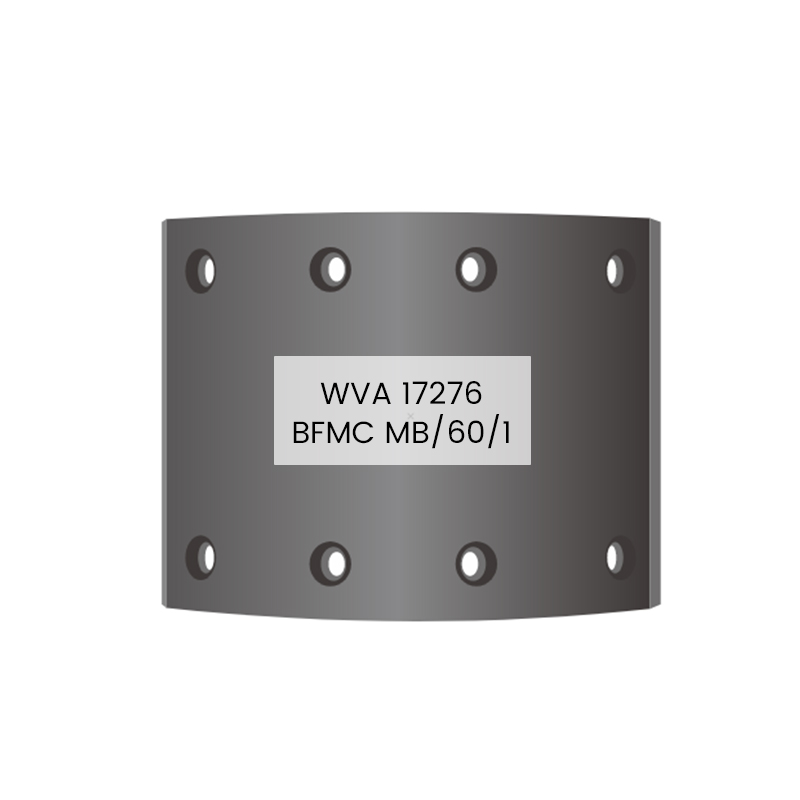
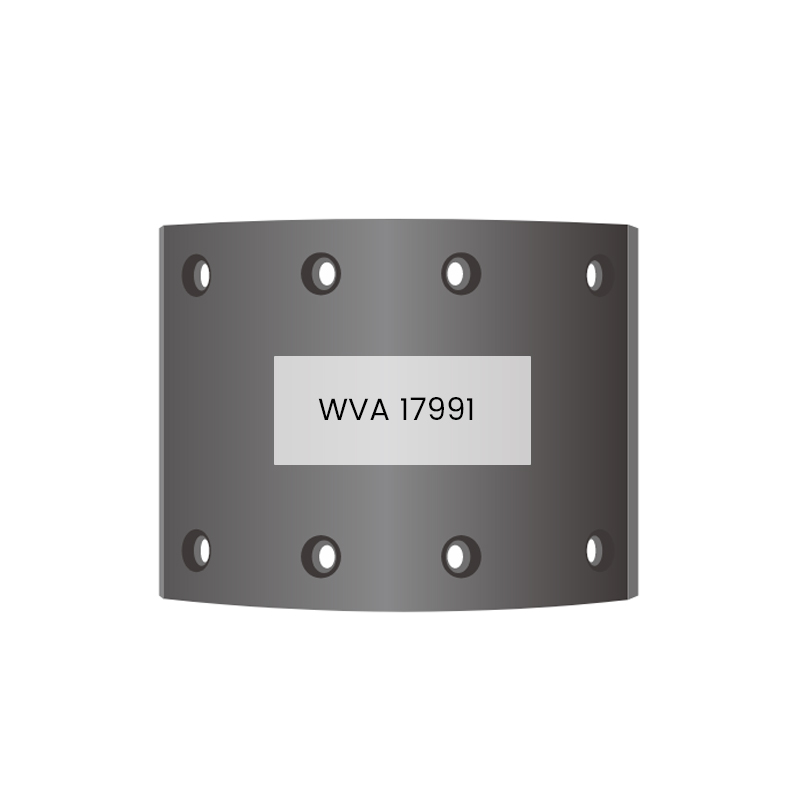
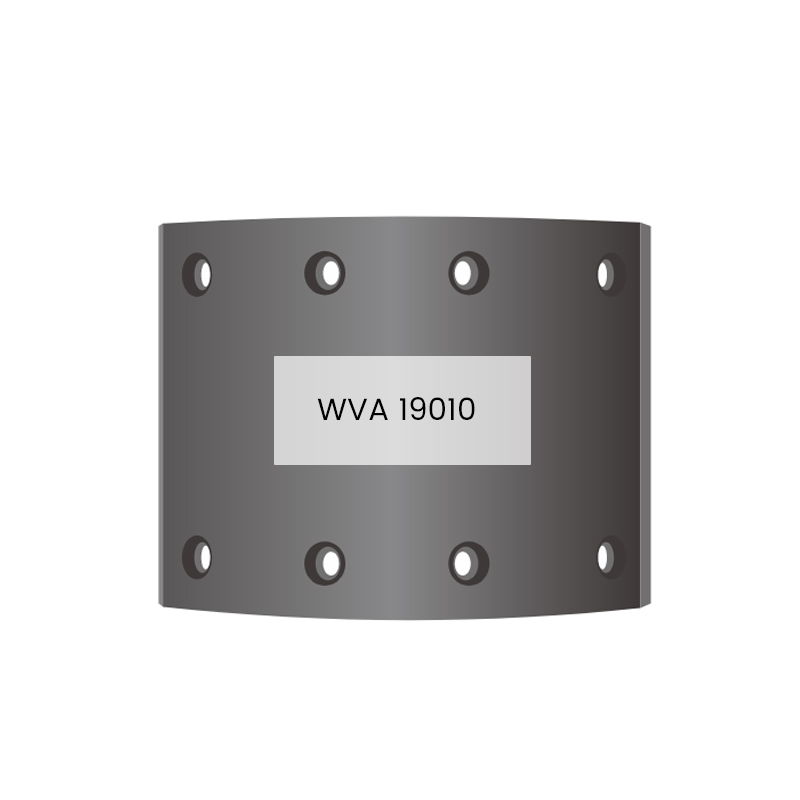
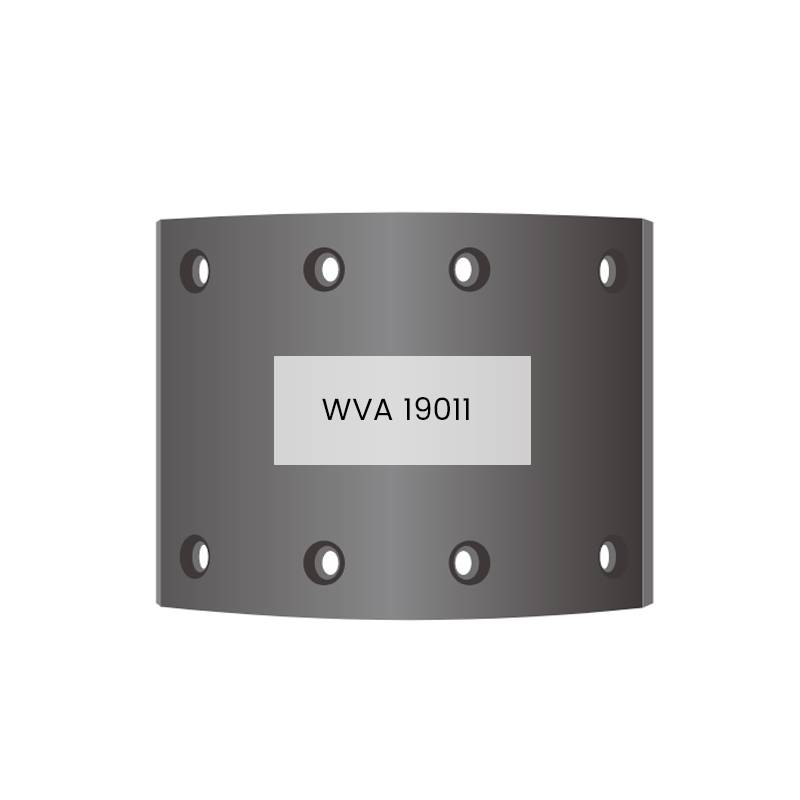
WVA 19094 is the OE wear part number for a truck brake lining used on a range of European axles. The designation is not a brand name but a standardized reference that allows a brake shop to identify the correct friction material without measuring the old shoe. In the sitemap of ZHEJIANG KOOYING AUTOPARTS CO.,LTD., this lining is cataloged under the European vehicle brake lining group. The product page for 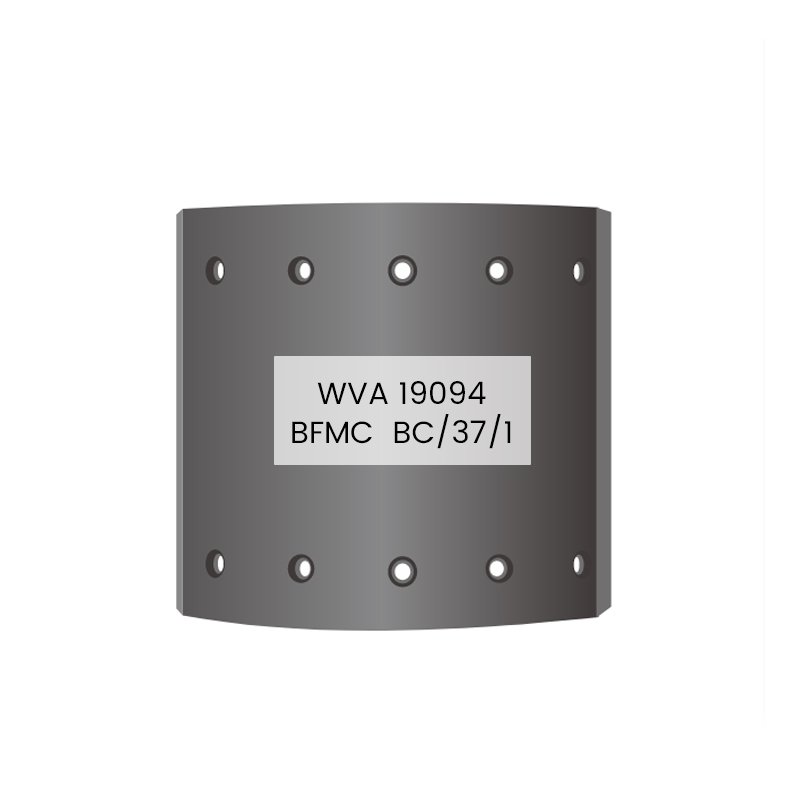 WVA 19094 Heavy-Duty Truck Brake Lining for BPW AxlesThis brake lining is identified by the WVA 19094 reference, ensuring correct friction material for BPW 420x180 drum brakes. It's a common replacement for European trailer fleets, offering reliable performance and durability.View Product → shows a specific part configured for the BPW 420x180 drum brake system, and it is one of the most common replacement linings in European trailer fleets.
Why the Reference Number Matters in a Procurement Decision
Buying brake lining by WVA number is a quality-control step, not just a convenience. The reference pinpoints three things at once:
- Friction coefficient – the lining is paired to the original performance band of the axle.
- Mechanical geometry – drilling patterns, thickness, arc radius, and width must match the old shoe.
- Vehicle application – the same reference may be linked to different axles or different load ratings across the truck and trailer market.
If a workshop orders a lining that is structurally close but not the exact reference, the brake may still stop the vehicle, but the friction output can differ enough to affect brake balance on a multi-axle trailer. For a fleet that operates a mixed inventory of BPW, SAF, and Meritor axles, using the WVA reference is the fastest route to a safe replacement.
Where 19094 Brake Lining Is Used
Trucks and Heavy-Duty Distribution Vehicles
The reference appears first of all on European trucks that use drum brakes in the rear and trailer axles. That includes distribution trucks, regional hauling units, and some vocational vehicles where drum brakes were still the standard before the industry shifted towards disc brakes.
Trailers, Semitrailers and Drawbar Trailers
This is the largest area of use. BPW axles with 420mm and 180mm brakes are very common on box trailers, flatbeds, and refrigerated trailers. When a trailer is loaded over its license plate, the braking share on the rear axle grows, and the lining has to sustain both temperature spikes and prolonged drag on mountain descents.
Buses and Passenger Transport
Some European bus chassis also use drum brakes in the rear. Since passenger vehicles require a smoother, quieter stop than freight vehicles, the lining formula must have good compressibility and a stable friction profile under repeated brake applications. The WVA 19094 reference is used there because the friction material was designed for commercial load, not luxury glide.
Friction Performance and Heat Tolerance Under Load
The most relevant technical question when choosing 19094 brake lining is not how it feels on an empty trailer, but how it behaves after 20 kilometers of braking on a 6% downhill grade. In practice, the lining temperature can reach 400°C to 600°C on a fully loaded trailer, and the critical failure mode is what the friction industry calls fade – a sudden drop in friction when the binder in the material begins to decompose.
A correct WVA 19094 replacement is produced with a non-asbestos formula, normally with a metallic or semi-metallic matrix. Zinc-based or copper-loaded low-steel formulations dominate the market because they deliver high friction retention at high temperature and do not require asbestos. The reference number also tells a workshop the exact face thickness, typically in a range of 15 to 18 mm depending on the brake size. Using a thicker or thinner lining changes the dwell time of the shoe, alters the position of the wear indicator, and may affect the bedding-in process.
Material Composition and the Reason They Are Paired
Brake linings are not made from a single compound. They are a blend of fibrous reinforcements, metal particles, friction modifiers, and a phenolic resin binder. The WVA 19094 material sits in the middle of the performance range. It is not the hardest OEM long-life lining, nor is it the softest low-abrasion one. Its strength lies in a friction coefficient that stays close to the original axle calibration over a normal retail lifespan.
Low steel formats use iron fiber as the primary reinforcement. When the vehicle brakes, the metal fibers create a micro-abrasive surface on the drum, which maintains a consistent contact patch. On a multi-axle trailer, this consistency is what allows the parking brake to hold a loaded vehicle on a slope and the service brake to stop it without pulling to one side.
Wear Behavior and Replacement Intervals
There is no fixed interval for replacing 19094 brake lining, because the wear depends on the same factors as it does for every other truck brake lining. Market data collected from fleet workshops shows a wide spread:
| Factor | Effect on wear | Recommended action |
|---|---|---|
| Route profile | Mountainous terrain increases thermal load and can double wear on downhill runs | Use a high-temperature formula and schedule more frequent checks |
| Load mass | Overloaded trailers produce longer braking distances and higher drum temperature | Monitor weighbridge records and set wear limits based on real payload |
| Driver style | Harsh braking can be as harmful as continuous drag | Use a fleet telematics system to flag high–deceleration events |
| Drum condition | An out-of-round drum causes localized hot spots and rapid lining loss | Check drum ovality during every brake service |
In standard regional distribution, a lining of this class will typically last between 40,000 and 80,000 km before the wear limit is reached. The most common failure is uneven wear on the leading edge of the lining, which happens when the shoe contact on the drum sees an uneven thermal load. If a workshop sees one side of the lining worn faster than the other, the first step should be a check of the actuator stroke and the return spring, not the friction material itself.
What to Check When You Receive a Batch
Buying a 19094 brake lining from an overseas supplier raises two practical concerns. The first is dimensional accuracy. A nominal WVA 19094 lining can vary from supplier to supplier by a millimeter or two. A lining that is too wide will not slide into the shoe assembly; a lining that is too thin will sit too deep and the brake will lose contact at the end of the stroke. A competent supplier will quote the exact dimensions in the packing list: length, width, thickness, and rivet hole pattern. The second concern is batch consistency. The friction formula can change if the factory uses different raw material lots, and this may not be visible from the outside. Ask the supplier for test certificates that confirm friction coefficient and wear rate per batch.
How the Product Is Maintained and Replaced
Replacing 19094 lining on a BPW axle follows a standard process. The wheel and drum are removed, the old lining is inspected and measured, and the rivet or adhesive bond is broken with a press or a chisel. The drum surface is machined to a recommended finish, typically around Ra 0.8 µm. Then the new lining is fitted with the correct rivet count and torque specification. If the axle uses a seal, the seal is replaced at the same time. The brake slack adjuster is re-set after assembly, and a road test is performed to verify that the brake is not over-adjusted and that the lining touches the drum evenly.
The whole operation takes 60 to 90 minutes per axle on a standard trailer, which makes downtime a major cost factor. For that reason, many fleet workshops keep a stock of pre-assembled brake shoes that already carry the matched 19094 lining. The pre-assembled BPW brake shoe eliminates the rivetting step and cuts the swap time significantly.
Buying Criteria for a Batch of 19094 Lining
The final decision involves several questions. Does the supplier hold IATF 16949 certification? Are their test results traceable to the standard Chinese friction material regulations? Do they support the same WVA reference across a range of European axles, or only on one application? A manufacturer with experience in European vehicles should also be able to help with the friction reference and with the proper bedding-in procedure.
If the vehicle runs on a mixed fleet with more than one axle brand, it is difficult to source separately from different suppliers. The WVA 19094 lining is suitable for BPW, and the equivalent SAF or Meritor reference is usually available from the same factory. A practical solution is to verify the complete coverage against the fleet list, then place an order that covers both the axle brand and the remaining service stock. The guide to crossing reference numbers on European vehicle brake linings is useful in this situation.
Conclusion
WVA 19094 brake lining is a workhorse of the European trailer market, and finding the right piece is about precision, not luck. The user checks the reference number against the axle manufacturer, verifies the dimensional specification with the supplier, and confirms the friction formula. A reliable factory will provide a product that preserves the original brake performance, a stable wear profile, and the ability to ship the same reference consistently. By using the OE number correctly, a fleet can cut replacement failures, reduce unexpected downtime, and keep the braking safety margin where it belongs.